 Best Trick or Treating Neighborhoods Near Me: Park Slope
Neighborhood Guides
Crossing Forest Park on Foot: Ridgewood to Richmond Hill
The wooded ridge splitting central Queens offers a 1.5-mile traverse on old bridle paths. Enter at the Seuffert Bandshell, where oak woods feel nothing like the J train rumbling below.
The bandshell entrance
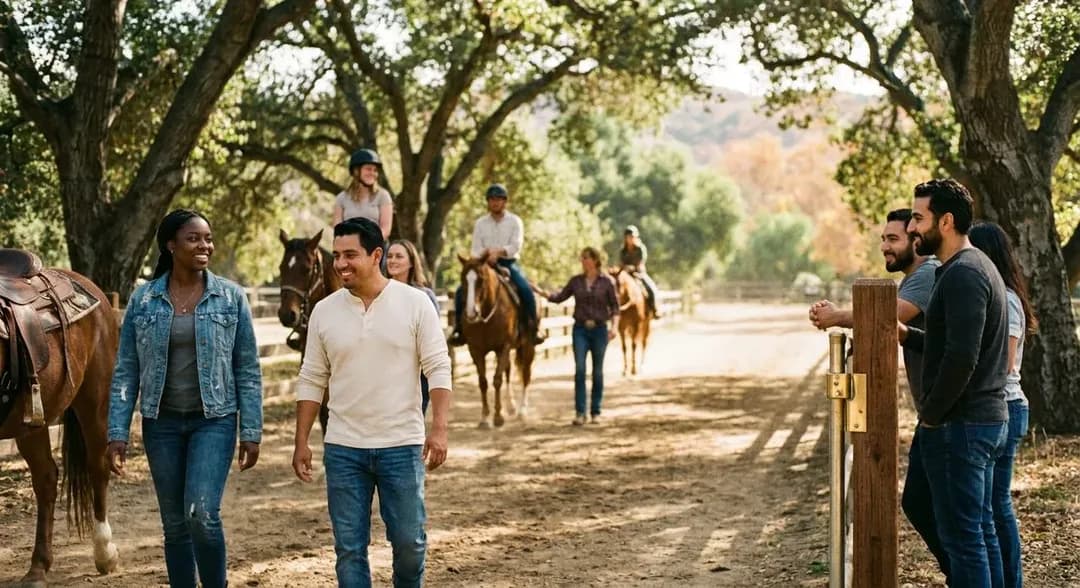
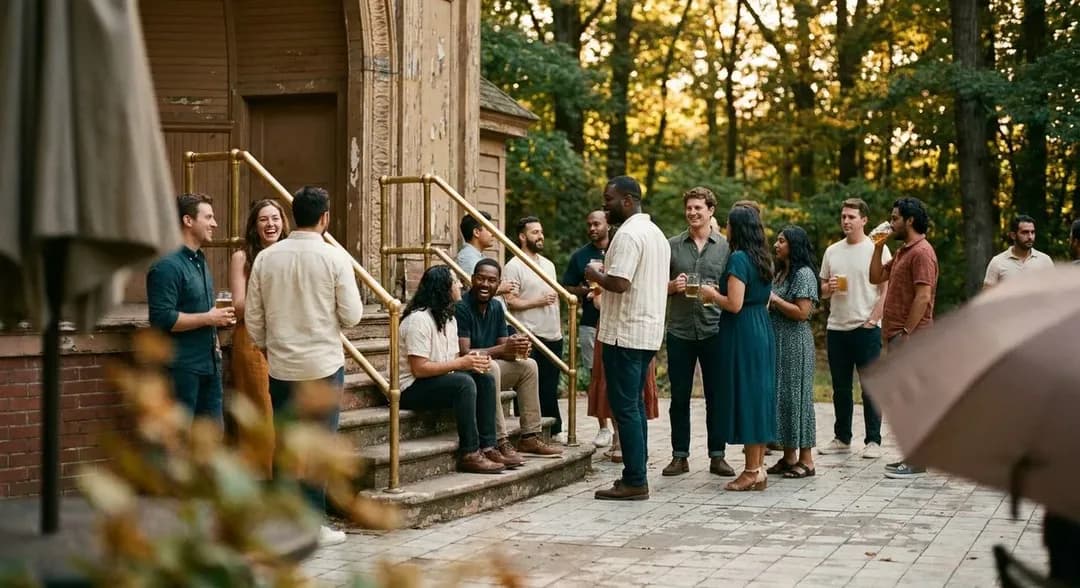
You enter Forest Park at the Seuffert Bandshell on Myrtle Avenue, where the number 55 bus exhales passengers every twelve minutes. The bandshell itself—a concrete shell built in 1923—sits empty most mornings, its acoustics wasted on sparrows. Walk past the eastern colonnade and you'll find the trailhead unmarked except for a wooden post painted forest-service brown. This is where the bridle path begins, though horses disappeared from these trails in the early 1990s. The path drops immediately into a canopy of red oaks and tulip trees, and within thirty yards the traffic noise collapses into something muffled and distant. On weekday mornings before nine, you might see exactly two other people: a man in postal blue running intervals, and someone's grandmother collecting ginkgo nuts in a plastic Fairway bag.
The ridge geology
Forest Park sits atop the terminal moraine left by the Wisconsin glacier twenty thousand years ago—the same geological wrinkle that created Prospect Park's hills and much of Long Island's north shore. You're walking the spine of glacial till, a mix of boulders, sand, and clay pushed here by mile-thick ice. The trail undulates but never climbs steeply; the elevation gain over the full traverse is only about sixty feet. What matters is the sense of being above the grid. To your north, Woodhaven drops away toward the cemeteries. To your south, Richmond Hill rises in brick rowhouses built for German brewers in the 1920s. You're suspended between them on a ribbon of forest that somehow survived Robert Moses, who wanted to pave a parkway straight through here in 1935. Local mothers blocked it by lying down in front of survey equipment.
The unmarked junction at 0.6 miles
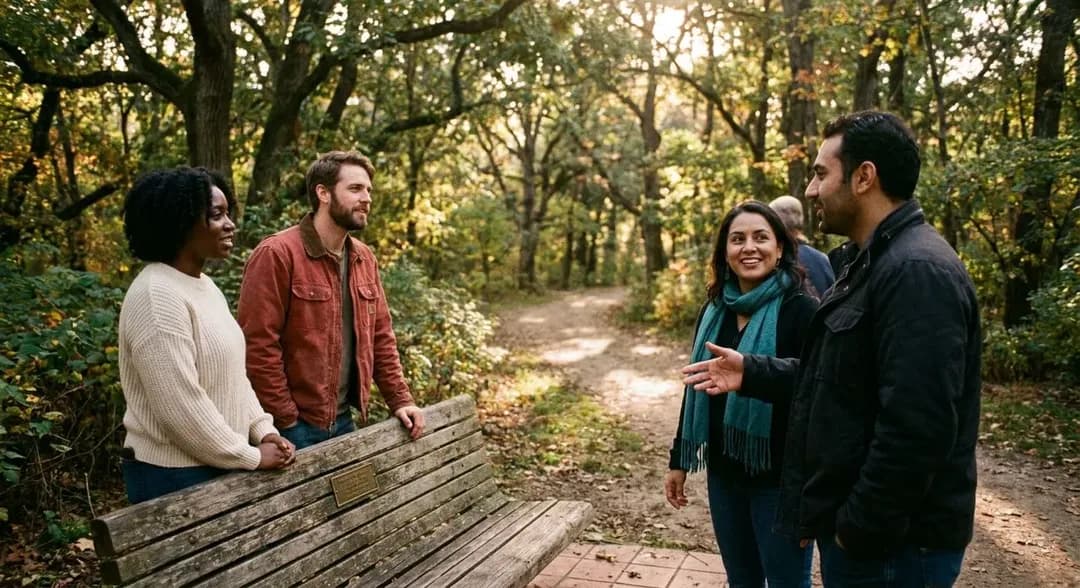
At roughly the halfway point—just past a concrete water fountain that hasn't worked since 2003—the bridle path splits. The right fork descends toward the Victory Field baseball diamonds. Ignore it. Bear left, where the trail narrows and the footing turns to exposed roots and packed earth. This section gets muddy after rain; locals know to walk the grassy margin on the uphill side. You'll pass a bench with a brass plaque dedicating it to "Irene, who loved Tuesdays." No last name, no dates. Someone leaves daffodils there every March. The oaks here are older, their trunks scarred with initials from the 1970s. One tree near the trail's high point has "CBGB 4EVER" carved at eye level, the letters now stretched and illegible as the bark has grown.
Parallel to the J train
For a quarter-mile stretch, the trail runs directly above the underground J train tunnels. You can't hear the trains, but you can feel them if you stop and stand still—a faint vibration every seven minutes during off-peak hours. The city installed ventilation grates here in 1988, hidden under metal grates painted to look like rocks. On cold mornings, warm air rises from them in visible plumes. Runners use these spots as markers: "I'll meet you at the second steam grate." The trail here is wider, almost road-like, because it was briefly used by Parks Department vehicles in the 1960s. You can still see the ruts. In October, the leaf fall is so thick you lose the trail edges entirely and navigate by the gap in the canopy above.
The Richmond Hill descent
The final third of the trail tips downward, switchbacking twice before straightening out. This is where you start seeing dog walkers from the Richmond Hill side, identifiable by their reusable coffee cups from the Linden Boulevard bodegas. The forest composition shifts slightly—more maples, fewer oaks—and the undergrowth thickens with invasive porcelain berry vines that Parks has been fighting since 2011. You'll pass a clearing on your right where teenagers have built a fire ring from loose bricks. It's been there for at least five years; someone maintains it. The trail ends abruptly at Park Lane South, spitting you out beside a bus stop shelter and a bodega called Park View Deli that sells the best chopped cheese south of Fordham Road. Order it with extra pickles. The counterman's name is Luis; he's been there since 1997.
What you notice afterward
The walk takes thirty-five minutes at a steady pace, forty-five if you stop to read the trail markers or examine the WPA-era stone gutters that line some sections. You emerge on the Richmond Hill side feeling like you've traveled farther than 1.5 miles—some trick of the woods and the elevation and the fact that you've crossed an invisible boundary between neighborhoods. Ridgewood is Polish bakeries and Starbucks encroachment. Richmond Hill is Guyanese roti shops and houses with above-ground pools. The forest between them belongs to neither, a commons that pre-dates both. On the return trip—and you should make the return trip, because the light hits differently going west—you'll notice things you missed: a stone mile marker from 1910, a red-tailed hawk nest in a dead oak, the exact spot where the traffic noise finally dies.
Practical notes
Enter at Seuffert Bandshell, Myrtle Avenue and 83rd Street, Glendale (J train to 85th Street–Forest Parkway, then a four-block walk west). Exit at Park Lane South and Myrtle Avenue, Richmond Hill. The bridle path is open dawn to dusk; technically it closes at 9 p.m. but the gates are ceremonial. Free entry. Wear real shoes—trail runners or boots—especially after rain. The path floods in two spots during heavy storms. No facilities on the trail itself, but public restrooms exist at the Forest Park Visitor Center (closed Mondays). Best times: Tuesday and Thursday mornings before 10 a.m., or late Sunday afternoons. Avoid Saturday afternoons in summer when the sports fields attract crowds. No bikes allowed on the bridle path, though this rule is ignored by exactly three teenagers on BMX bikes every weekend. Bring water; the fountains don't work.
Tags: #ForestParkNYC #QueensWalking #RidgewoodQueens #RichmondHill #NYCHiking #TheLongWayHome #HiddenQueens #GlacialMoraine #BridlePath #UrbanForest #JTrain #QueensNeighborhoods #NYCTrails #ForestParkQueens #WalkingNYC
Sources consulted: MTA · NYC Parks · Time Out New York
All trademarks are the property of their respective owners.
Ask Karpo for more information.
Keep reading
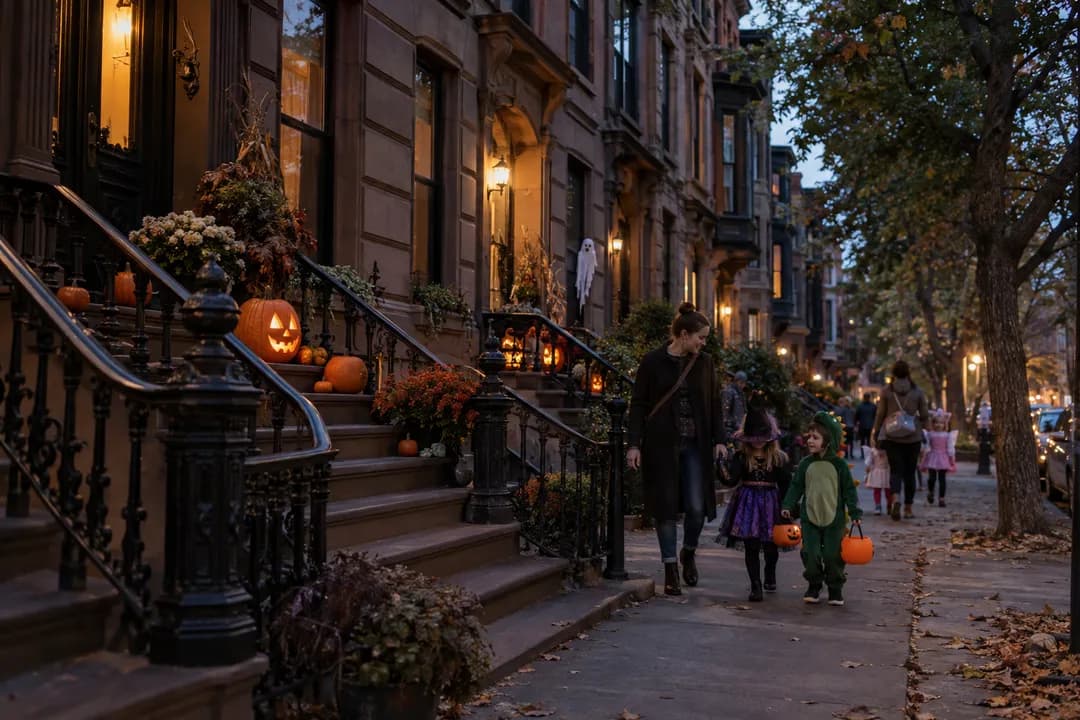
- Best Trick or Treating Neighborhoods Near Me: Park Slope
 Best Trick or Treating Neighborhoods Near Me: Carroll Gardens
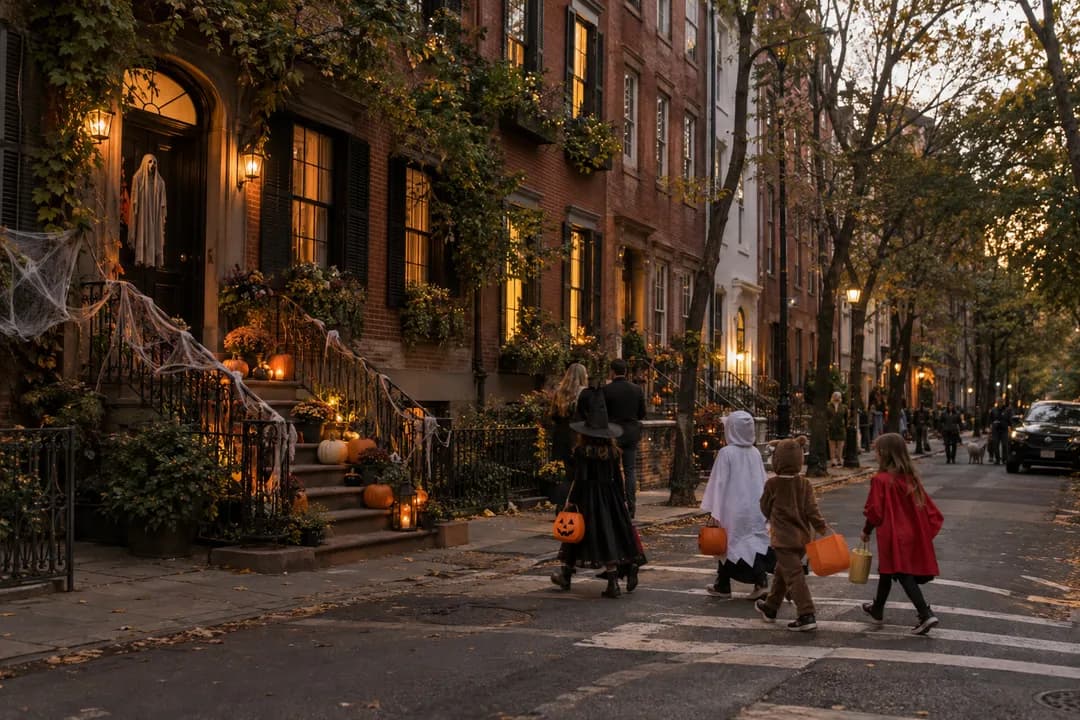 Best Trick or Treating Neighborhoods Near Me: West Village