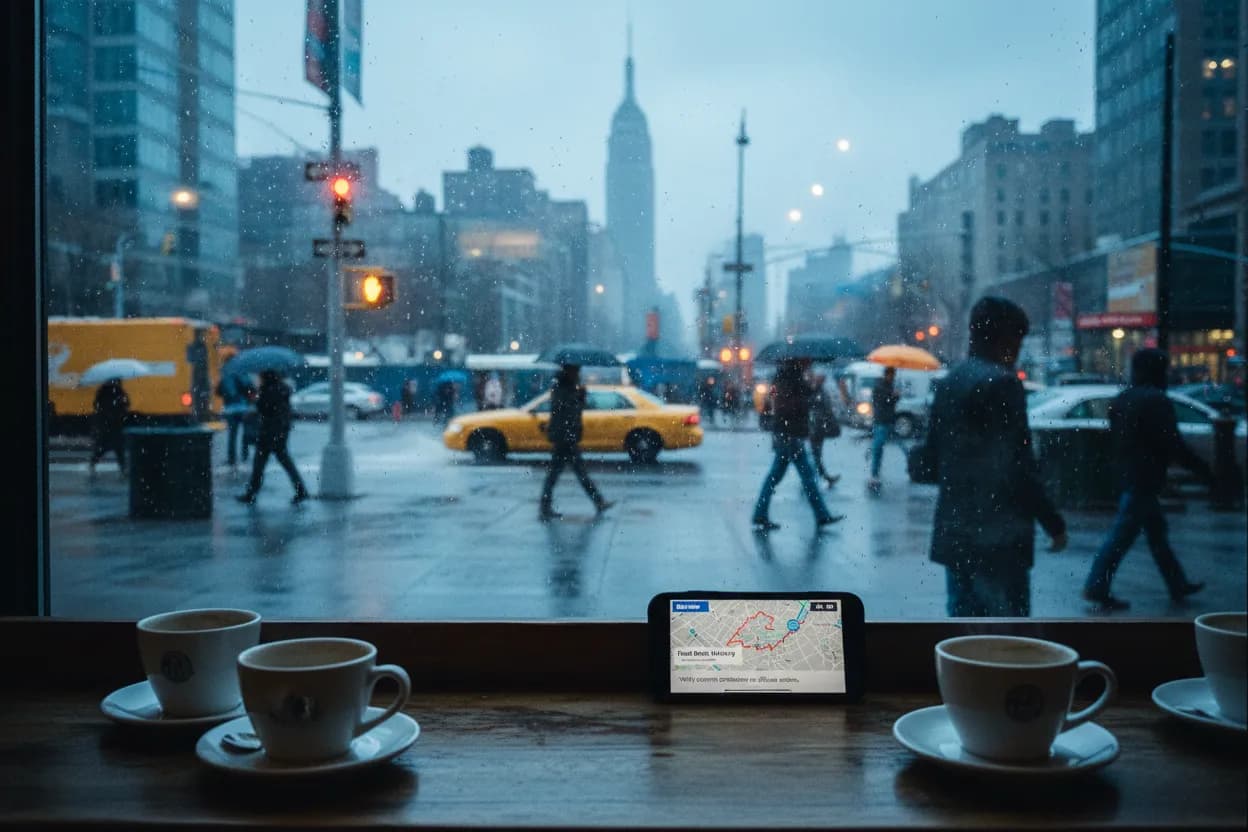
A nyc flood watch search usually starts with one anxious question: can I still do the thing I planned this weekend? The honest answer is not a blanket yes or no. The National Weather Service says a Flood Watch means conditions are favorable for flooding; it does not mean flooding will occur, but it is possible. A Flood Warning or Flash Flood Warning is different because it means flooding is imminent or already happening, and the NWS says people in flood-prone areas should move immediately to high ground during a Flash Flood Warning. Use this guide as a planning filter, then verify current conditions on official sources before you go.
Want a quick second read before you pick a borough, restaurant, museum, or route? Text Karpo with your plan, neighborhood, and timing so you can pressure-test the trip before leaving.

Translate The Search Into A Neighborhood Question
Do not treat “flood watch” as one citywide mood. Translate it into a practical neighborhood question: where are you starting, where are you going, and what would you do if the plan needs to shrink? NYC Tourism frames New York City as five boroughs: Manhattan, Brooklyn, Queens, the Bronx, and Staten Island. That matters because a plan that sounds simple online may still require a long cross-city move, multiple transfers, or a ferry ride.
Start by writing the plan in plain language: “brunch in Manhattan, museum after, drinks in Brooklyn,” or “Queens dinner, then a show.” Then remove anything that depends on perfect timing. The National Weather Service definition of a Flood Watch is “Be Prepared,” not “panic” and not “ignore it.” Before committing, verify current weather details through the official National Weather Service flood safety and forecast pages, and verify any event, restaurant, or attraction details on the official venue page.
Choose The Area By The Actual Task
Pick the neighborhood by what you really need to accomplish, not by what looks best on a saved list. If the goal is dinner, choose a cluster with several indoor options near each other. If the goal is culture, NYC Tourism lists museums and galleries, Broadway and performing arts, tours and attractions, events and festivals, and shopping among city things to do, but you still need to verify current hours, tickets, schedules, and weather-related changes on each official page before leaving.
This is especially useful for weekend plans because NYC can tempt you into stacking too much: an observation deck, a neighborhood walk, a restaurant, and a late-night stop. During a watch, trim the itinerary to one anchor and one flexible add-on. If you were considering NYC Restaurant Week Summer 2026, NYC Tourism’s extract lists July 20 through August 16 and meals starting at $30, but you must verify participating restaurants, availability, menus, and reservation details on the official page before booking or traveling.
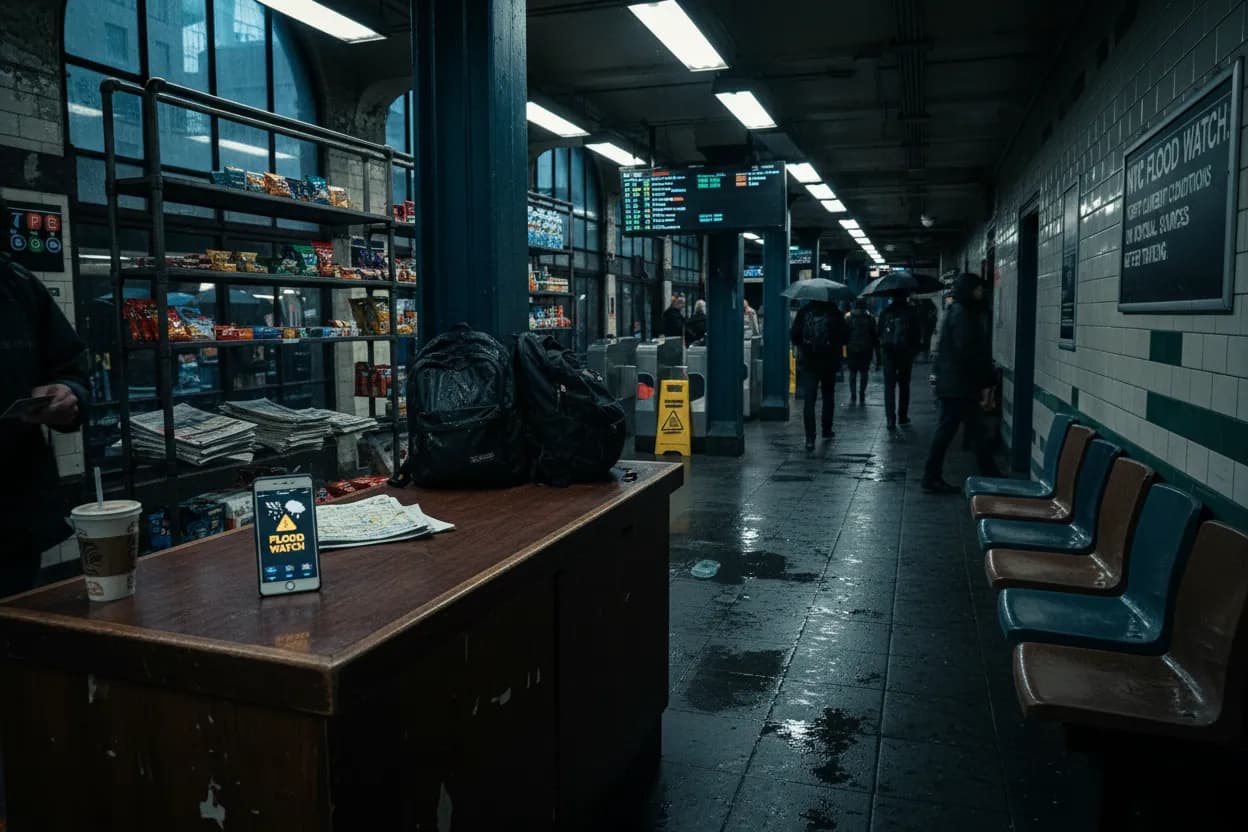
Use Transit Exits As Planning Anchors
A practical flood-watch plan starts and ends near decision points. Instead of saying “we’ll meet in Brooklyn,” pick a public meeting spot near the exact transit exit, lobby, or corner you can all identify without wandering. Keep the plan simple enough that one person arriving late does not force everyone else to stand outside. Before you leave, verify current transit status, station access, service changes, and any weather-related disruptions through the relevant official transit source.
Transit planning is not only about the first ride. Decide what would make you turn around: a warning replacing a watch, a route disruption, a closed venue, or a forecast update that changes the risk. The NWS says a Flood Advisory means a forecast event may become a nuisance and could cause significant inconvenience; if caution is not exercised, it could lead to situations that threaten life or property. That is your cue to avoid heroic commuting.
Add One Indoor And One Outdoor Backup
The best backup is not a fantasy version of the same plan. Build one indoor backup and one outdoor backup, then let the official updates decide which survives. Indoor might mean a museum, gallery, performance, restaurant, shop, or lobby-based meet-up; outdoor might mean a short neighborhood walk if conditions are verified as safe. NYC Tourism points visitors toward attractions, events, shopping, dining, and borough guides, but listings are not live safety confirmations.
For an outdoor backup, keep it short, nearby, and optional. For an indoor backup, confirm it is actually open, bookable, reachable, and appropriate for your group before you go. Do not assume a ticket, table, event, or exhibit is available because it appeared in a guide or on social media. If the weather situation escalates from a Flood Watch to a Flood Warning or Flash Flood Warning, follow the National Weather Service safety language and prioritize action over the itinerary.
Avoid Treating Online Attention As A Promise
A popular post about “rainy day NYC” can be useful for ideas, but it is not a promise that a place is open, safe, uncrowded, affordable, or easy to reach. NYC Tourism describes the city as full of constant energy, sights, attractions, and activities, and that is true as a planning frame. It is not a substitute for checking official weather, official venue information, and official transit information on the day you are moving.
Be especially skeptical of screenshots. Weather language changes, event pages update, restaurants sell out, and transit plans can shift. If a page claims a deal, schedule, ticket, menu, or route, click through to the official source and confirm the exact date, time, location, conditions, and any weather-related notice. If an NYC Severe Weather page is inaccessible from your device, as the provided extract showed, do not rely on rumor; use accessible official sources such as the National Weather Service for flood terminology and current weather verification.
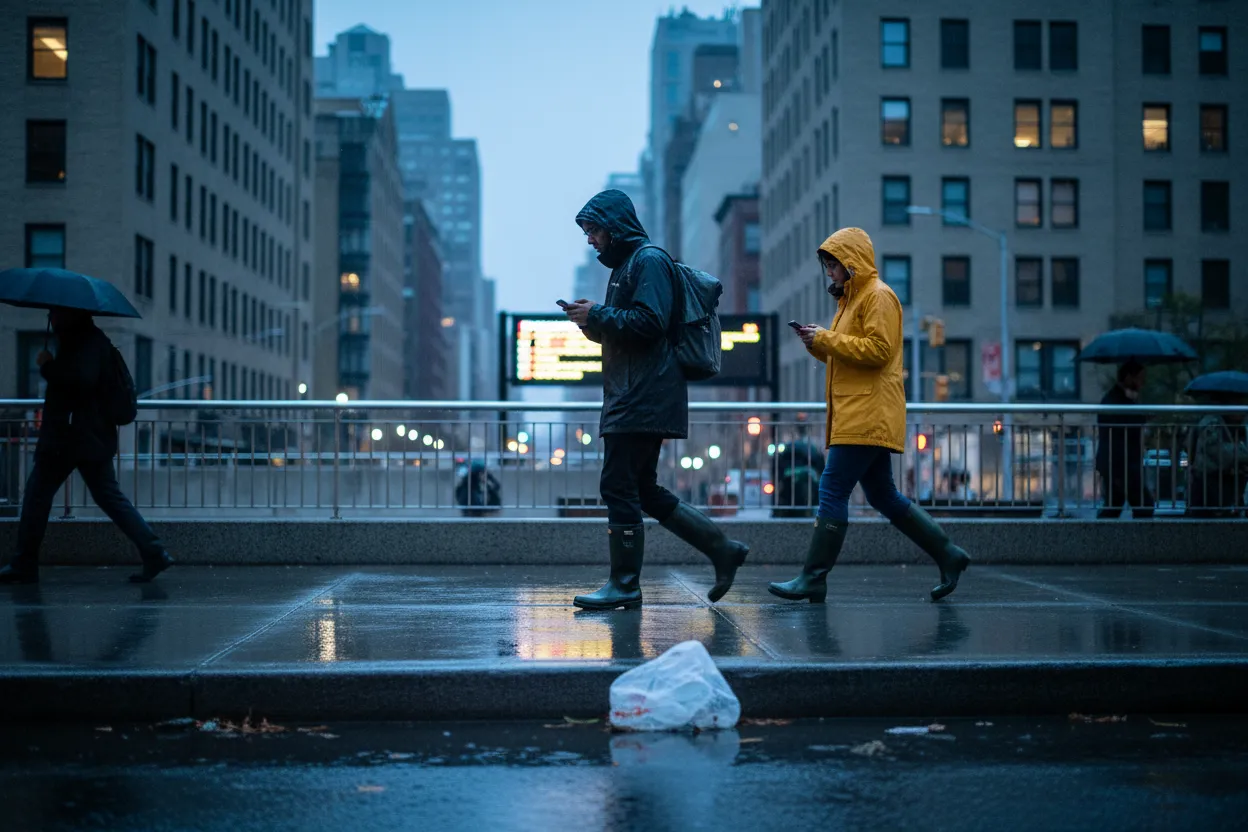
Verify Conditions Before Crossing The City
Right before leaving, run a final three-part check: weather, route, and destination. For weather, confirm whether the situation is still a watch, has become an advisory, or has escalated to a warning. The National Weather Service says a Flood Watch means flooding is possible, while a Flood Warning means flooding is imminent or occurring. A Flash Flood Warning means take action, and people in flood-prone areas should move immediately to high ground.
For the route, verify official transit status and station access rather than assuming your usual weekend pattern will hold. For the destination, verify official hours, tickets, reservations, event status, restaurant participation, and any weather notice before crossing boroughs. NYC is big enough that a bad assumption can waste the whole day. A good nyc flood watch plan is boring on purpose: fewer moving parts, closer backups, public meet-up points, and no attachment to a plan that official conditions no longer support.
Tags: #AskKarpo #BeforeYouGo #NYCFloodWatch #NYCWeather #FloodSafety #NYCWeekend #NeighborhoodGuides #NYCTransit #Manhattan #Brooklyn #Queens #Bronx #StatenIsland #RainyDayNYC
Sources consulted: NYC Severe Weather · National Weather Service Flood Safety · NYC Tourism
All trademarks are the property of their respective owners.
Ask Karpo first
Ask Karpo first before you drag a group across the city during a watch. Share the borough, neighborhood, time window, transit idea, and must-do stop, and Karpo can help you turn it into a tighter plan with official-source checks before you go.


