
A NYC Flash Flood Warning Guide for Commuters and Visitors has to start with one hard rule: do not treat a search result, social post, group chat, or old itinerary as proof that it is safe to move. The National Weather Service says a Flash Flood Warning means take action because a flash flood is imminent or occurring, and that people in flood-prone areas should move immediately to high ground. It also says flash flooding can develop within minutes to hours and can happen even where rain is not falling. In New York City, that means your plan should be local, flexible, and checked against official sources before you enter the subway, hail a ride, walk under an overpass, or cross boroughs.
Want a quick second read on whether your NYC route, neighborhood stop, or visitor plan makes sense during flood risk? Text Karpo before you leave and compare your options against official-source checks.

Translate The Search Into A Neighborhood Question
When someone searches for “nyc flash flood warning,” the useful question is not simply whether the city is having bad weather. The better question is: what neighborhood am I in, what neighborhood am I trying to reach, and what official source confirms the current risk before I move? A Flash Flood Warning, according to the National Weather Service, is a take-action message issued when flash flooding is imminent or occurring. A Flood Watch is different: it means conditions are favorable for flooding, but flooding is not guaranteed.
That distinction matters for everyday NYC decisions. A visitor near Times Square, a commuter headed to Queens, and a Brooklyn resident deciding whether to meet friends all need different plans. Before acting, verify the current warning, watch, advisory, forecast, and any public-safety guidance on the National Weather Service flood safety page at weather.gov/safety/flood-watch-warning and any accessible official NYC severe weather source. If a page is unavailable or blocked for you, do not fill the gap with guesses; use another official channel you can access.
Choose The Area By The Actual Task
NYC Tourism frames New York City as five boroughs: Manhattan, Brooklyn, Queens, The Bronx, and Staten Island. That is helpful, but flood planning usually needs to be smaller than borough level. Ask what the trip is for. Are you trying to get home, reach a hotel, make a medical appointment, meet someone for dinner, attend an event, or kill time safely until conditions change? The task decides how much risk is reasonable and how much delay you can accept.
If the trip is optional, make the plan boring on purpose: stay near your current neighborhood, pick an indoor stop only after verifying it is open and reachable, and avoid long transfers. If the trip is necessary, identify the shortest practical route and the safest point to pause. Do not assume restaurants, attractions, museums, stores, transit service, ferries, ride-hail availability, or event admissions are operating normally. Before going, verify current conditions, operating status, transit service, and any cancellation or closure notice on the official page for the agency, venue, or operator.
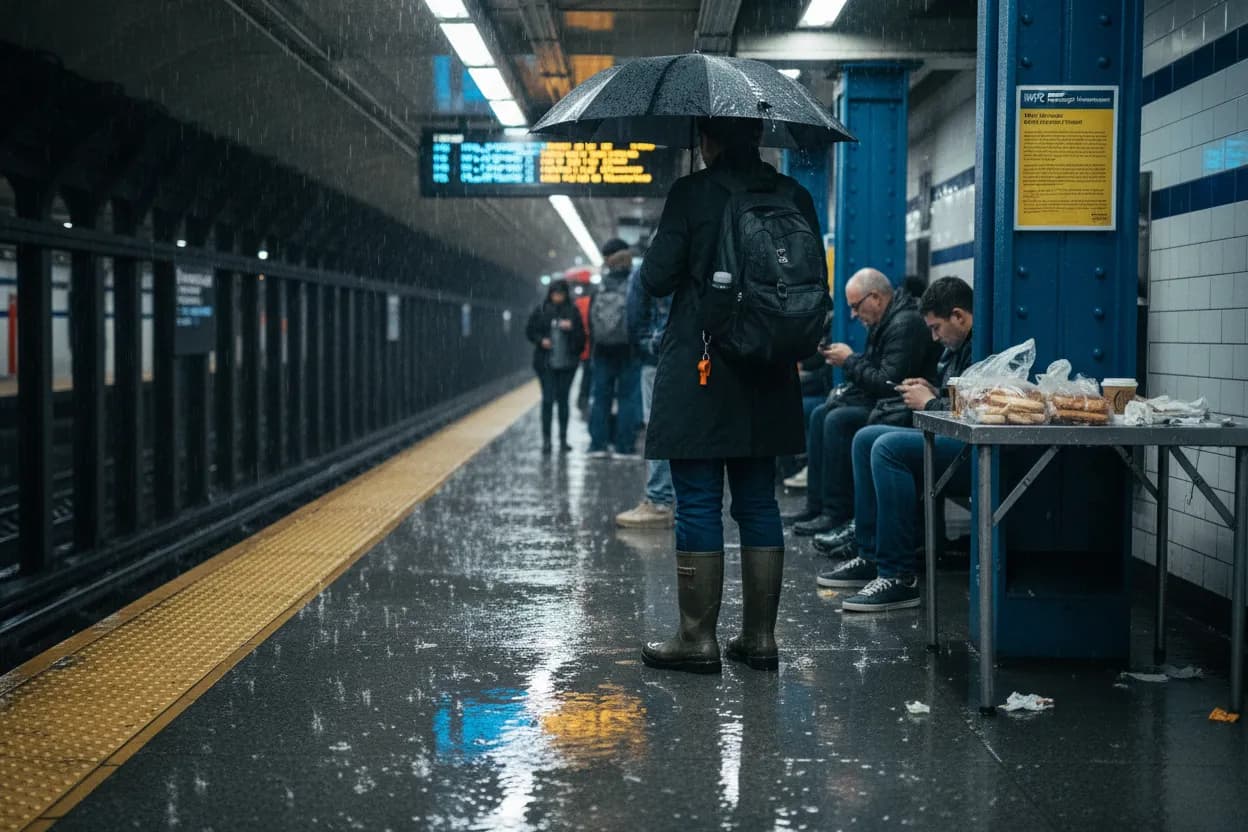
Use Transit Exits As Planning Anchors
In normal weather, New Yorkers plan by stations. During a flash flood concern, plan by exits, transfer points, and where you would go if the next leg stops making sense. The National Weather Service’s wording is deliberately direct: a Flash Flood Warning means take action. So your map should not be a wish list of everything you hope to do; it should show where you can stop, wait, turn around, or reach higher ground if you are in a flood-prone area.
Do not invent certainty from an app snapshot. Before entering the system or committing to a transfer, verify current transit service, station access, elevator or escalator needs if relevant, and any official travel advisories from the transit operator. If you are visiting, also confirm the exact address and entrance of your hotel, venue, restaurant, or attraction. NYC Tourism highlights subway-accessible stories and citywide attractions, but accessibility on a pleasant day is not the same as a safe route during flooding risk.
Add One Indoor And One Outdoor Backup
A practical NYC plan needs two backups: one indoor place you can verify before entering, and one outdoor alternative that does not require crossing low-lying, crowded, or confusing terrain. The indoor option might be a hotel lobby you are entitled to use, a confirmed open public attraction, a workplace, or another legitimate destination. The outdoor option should be a simple direction of retreat, not a scenic detour. The goal is to reduce decisions under pressure.
NYC Tourism lists categories such as museums and galleries, tours and attractions, events and festivals, shopping, Broadway and performing arts, and food-focused experiences across the city. Treat those as planning ideas, not live promises. Before you go, verify hours, ticketing, reservation status, cancellations, accessibility, bag rules, and whether the location is still welcoming visitors under current conditions. For outdoor backups, verify the weather warning status first and avoid assuming parks, waterfronts, beaches, plazas, or observation areas are appropriate during active flood risk.
Avoid Treating Online Attention As A Promise
NYC is especially vulnerable to bad decision-making by trend. A restaurant clip, Broadway mention, rooftop photo, ferry view, or neighborhood guide can make a plan feel urgent when the safer move is to wait. NYC Tourism’s homepage captures the city’s constant energy, attractions, activities, boroughs, cuisine, culture, and events. That energy is real, but it does not override a National Weather Service warning, transit disruption, venue closure, or public-safety instruction.
Be skeptical of any post that says an area is “fine” without a timestamp, exact location, and official-source context. Conditions can vary sharply across the five boroughs, and the National Weather Service notes that flash flooding can occur even in places not immediately receiving rain. Before crossing town for a booking, show, dinner, tour, game, shopping stop, or nightlife plan, verify the current official weather status, the venue’s own updates, and the transportation you will actually use.
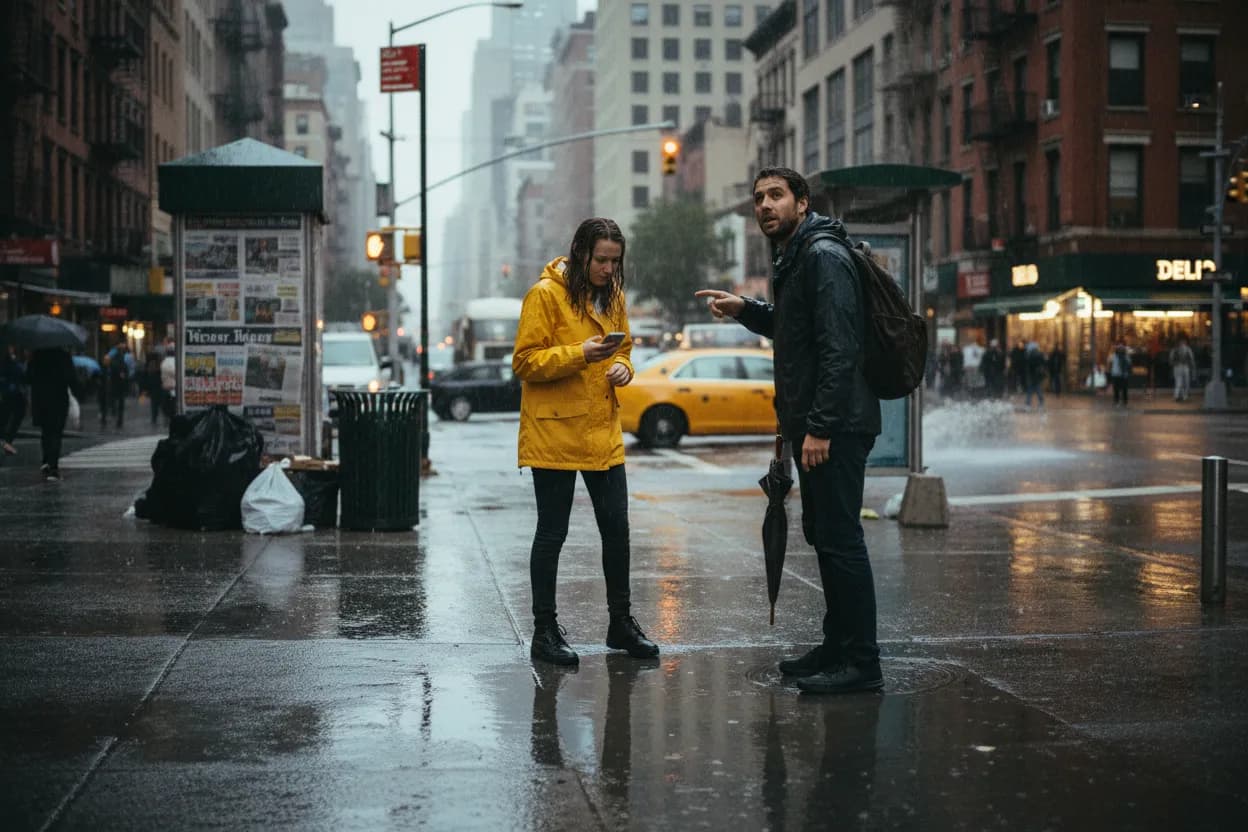
Verify Conditions Before Crossing The City
Use a short checklist before you move: What is the current National Weather Service status for the area? Is it a Flash Flood Warning, Flood Warning, Flood Advisory, or Flood Watch? The NWS defines a Flood Advisory as a be-aware message for a weather event that may cause significant inconvenience and could threaten life or property if caution is not used. It defines a Flood Warning as a take-action message for flooding that is imminent or occurring. Those labels are not interchangeable.
Then verify the rest of the chain: transit status, road or station conditions from official transportation sources, venue or hotel updates, event status, and your return plan. If any link is uncertain, shrink the trip. Stay closer, delay, or choose a verified indoor option. The safest NYC move is often not the most dramatic one; it is the plan that keeps you out of avoidable transfers, avoids flood-prone spots, and respects official warnings before your group chat talks you into motion.
Tags: #AskKarpo #BeforeYouGo #NYC #NYCWeather #FlashFloodWarning #FloodSafety #NYCTransit #NYCVisitors #NYCCommuters #NeighborhoodGuides #Manhattan #Brooklyn #Queens #StatenIsland
Sources consulted: NYC Severe Weather · National Weather Service Flood Safety · NYC Tourism
All trademarks are the property of their respective owners.
Ask Karpo first
Ask Karpo first when your NYC plan depends on weather, transit, or a cross-borough trip. Share your starting neighborhood, destination, timing, and must-do task, then verify every current alert, route, closure, and venue update on the linked official source before acting.


