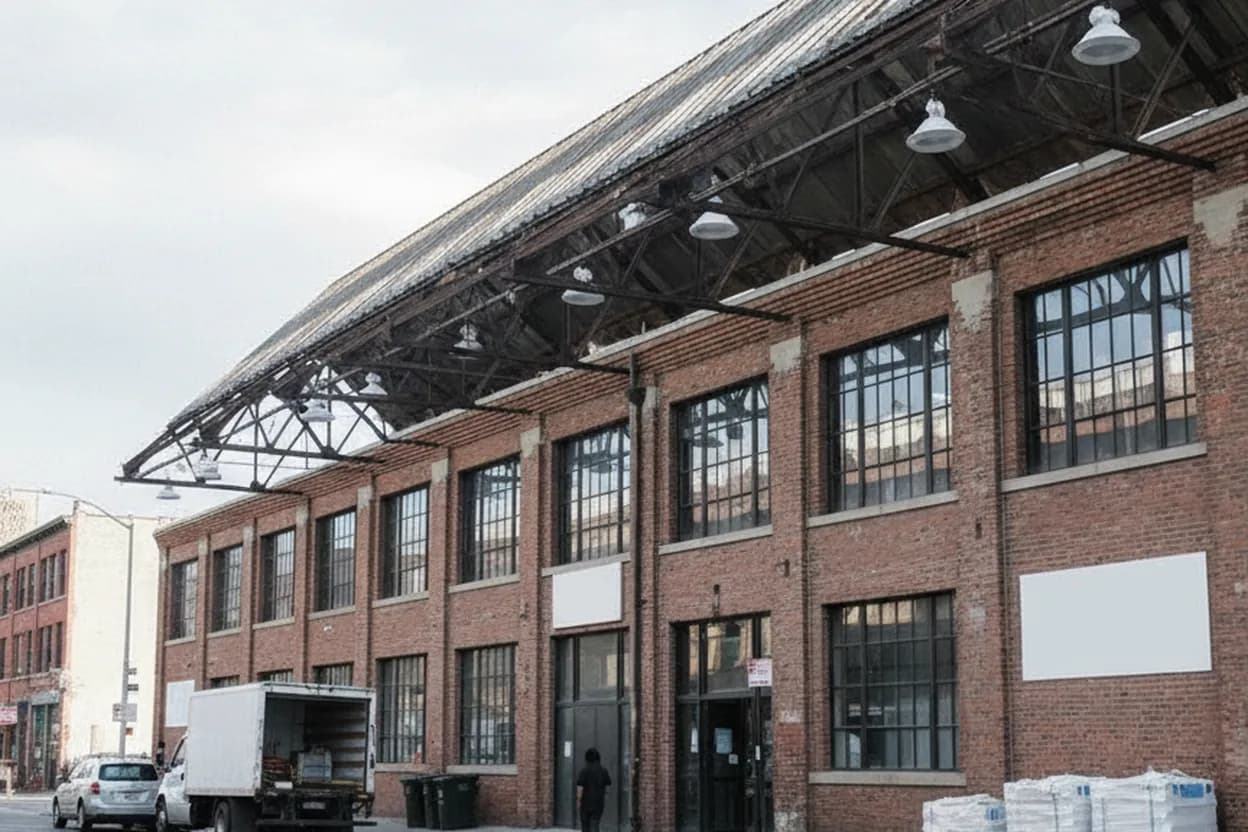
New York City is unusually good for a fixer upper hunt because useful salvage sits close to subway lines, dense apartment layouts, and older building stock. The catch is that the best piece is rarely the easiest piece: a door may need trimming, a mantel may need professional installation, and a vintage light can turn into a wiring question before dinner. For a crisp Saturday with a partner, treat architectural salvage like a measured errand, not a loose browse. Start with one project, bring dimensions, and build a route that lets you walk away when condition, access, or transport does not line up.
Want the current NYC salvage route before you head out? Text Karpo for verified shop links, subway checks, and a tighter shortlist for your renovation size.
Big Reuse Gowanus at 1 12th Street
Big Reuse is the logical first stop because its Gowanus center is built around practical reuse, not just decorative antiques. Its own shop page lists furniture, building materials, appliances, home goods, books, clothing, kitchenware, dishware, toys, and gently used tech at the Gowanus location. For renovators, that means you can compare project pieces and small finishing details in one pass, instead of committing the day to a single high-end salvage showroom.
There is one important failure mode: Big Reuse pages currently show conflicting shopping hours for Gowanus, with one center page listing daily 10 AM to 7 PM and a shopping FAQ listing daily 10 AM to 6 PM. Do not plan a last-hour visit around either number without checking the live site or calling. The same page verifies the location between Harbor Freight Tools and Lowe's, which helps with navigation and heavy-item pickup planning.
Smith-9th Street F/G or 4 Av-9 St R Train
For most NYC shoppers, subway plus a short walk is the cleanest way to scout before buying. Big Reuse lists the Gowanus store as accessible from the Smith-9th Street F/G stop or the 4 Av-9 St R stop. That matters because the first visit should be about measuring, photographing tags, checking condition, and deciding whether a contractor, rideshare, van rental, or return trip is justified.
Before leaving, check MTA service status for the F, G, and R, because weekend work can change the actual route more than the map suggests. If elevators or step-free access matter, verify the specific station accessibility on MTA before committing; salvage shopping often involves carrying awkward objects, and a station that works for a notebook-and-tape-measure trip may not work after buying a mirror, cabinet door, or box of tile.
Doors, Windows, Hardware, and Lead Paint Checks
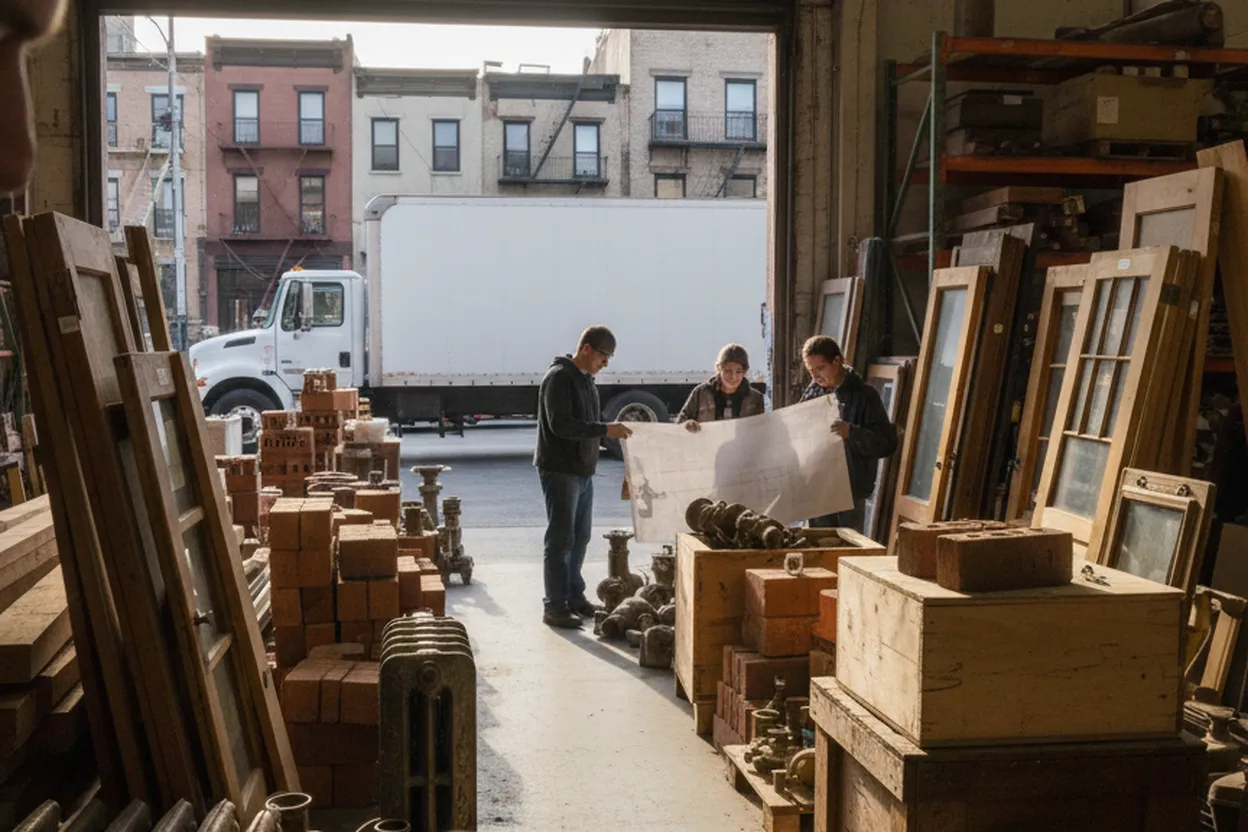
The highest-value NYC salvage buys are often small enough to carry but specific enough to solve a design problem: knobs, hinges, switch plates, cabinet handles, lock sets, stained glass sashes, and old wood doors. Big Reuse donation guidelines confirm that it handles doors, windows, window coverings, and hardware, while warning that pre-1978 painted items may contain lead. Treat that warning as a buying screen, not a footnote.
Bring opening dimensions, hinge placement, swing direction, wall thickness, and photos of the existing frame. If a door has rot, cracks, missing keys, stripped hardware, or suspicious paint, the cheap find can become the expensive part of the project. For apartments, also consider building rules: co-op, condo, rental, and landmark constraints can make a beautiful salvaged object unsuitable even when it physically fits.
Olde Good Things on West 52nd Street
Olde Good Things gives the Manhattan version of the salvage run: more curated, more historic, and easier to combine with Midtown errands. Its 52nd Street page lists the store at 333 West 52nd Street, with Monday through Saturday hours from 10 AM to 5:30 PM and Sunday closed. The inventory described there includes marble, moldings, cabinets, tiles, mirrors, tin creations, doors, lighting, religious objects, statuary, and other architectural pieces.
Use this stop when the object needs to be a visible design feature rather than hidden construction material. The same store page cites salvage connected to major regional landmarks and categories like vintage lighting, mantels, chicken-wire glass, and facade elements. The tradeoff is expectation: a curated Midtown shop may be better for a statement sconce or mantel conversation, while Gowanus is better for broader project rummaging and backup options.
Tape Measure, Photos, and a Two-Person Pace
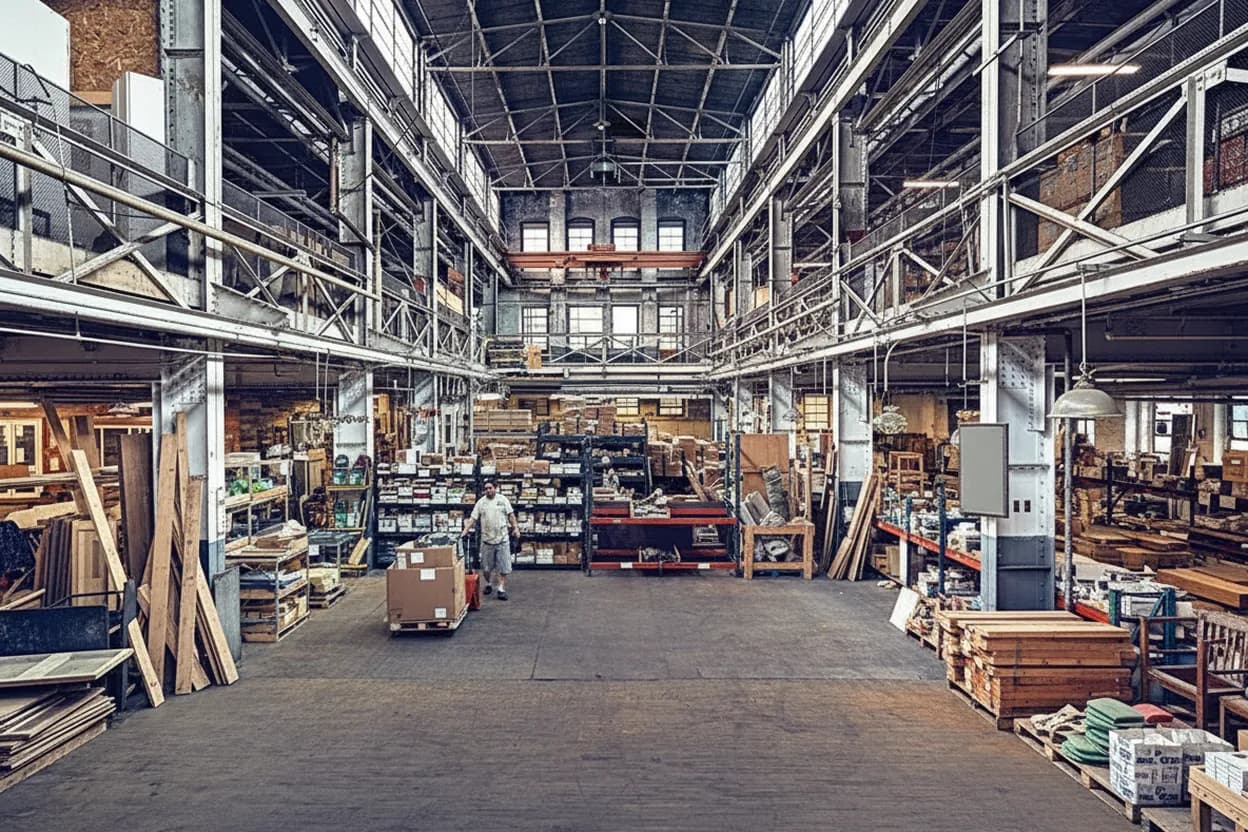
A partner helps most when you divide the job: one person checks measurements and photos, the other tracks condition, price tags, pickup requirements, and whether the piece solves the actual room problem. Salvage stores reward patience, but they punish vague goals. Set a simple target before entering, such as one 30-inch door, two matching pulls, a bathroom mirror, or a narrow shelf bracket with enough projection.
Keep the pace medium: plan one anchor venue, one comparison venue, and one stop for coffee or notes before buying. Decision fatigue is real when every aisle suggests a different project. If you find a strong candidate, photograph the front, back, damage, tag, measurements, and any maker marks. Then step outside and check whether the piece still makes sense after transit, installation, and apartment storage are considered.
As-Is Sales, Pickup Windows, and Delivery Gaps
Big Reuse's shopping FAQ is useful because it states the operational limits that can break a good find. It says items are generally sold as-is, with a separate appliance warranty only for qualifying appliances over a stated threshold, and purchased Gowanus items must be picked up within five days. It also says Big Reuse is currently unable to offer shipping or delivery for online or in-store purchases.
That means the backup plan should be arranged before payment. If you cannot carry it, reserve a van, confirm building loading rules, or ask whether a contractor can collect within the pickup window. Do not assume a store will hold an oversized item indefinitely, wrap fragile glass, or solve curbside timing. For smaller hardware, bring a tote; for anything with weight or sharp edges, bring gloves and a realistic exit plan.
Call, Check MTA, Then Buy the Piece
The final verification action is simple: on the morning of the trip, open the store page, call if the hours or address look inconsistent, and check MTA service for every train you plan to use. Big Reuse has conflicting current page details for Gowanus hours and even inconsistent Bushwick address text across pages, so verification is not extra caution; it is part of the route.
Once the live details check out, buy only what passes four tests: it fits your measured space, it can be transported legally and safely, its condition matches your skill level, and any old paint, wiring, plumbing, or structural use can be handled by the right professional. If one test fails, save the photo and walk away. In NYC, another salvage option will surface before the project disappears.
Tags: #NYC #NewYorkCity #Brooklyn #Gowanus #BigReuse #ArchitecturalSalvage #FixerUpper #HomeRenovation #ReclaimedMaterials #WeekendPlans #OldeGoodThings #MTA #AskKarpo #BeforeYouGo
Sources consulted: Source 1: bigreuse.org · Source 2: bigreuse.org · Source 3: bigreuse.org · Source 4: ogtstore.com · Source 5: dec.ny.gov · Source 6: mta.info
All trademarks are the property of their respective owners.
Ask Karpo first
Tell Karpo your date, group size, budget, and starting point. We’ll check current access, timing, transit, and the cleanest New York City plan for Big Reuse before you head out.


