 Chelsea Consignment Shop Crawl Planner for Your First Studio
Hidden Gems & Odd Finds
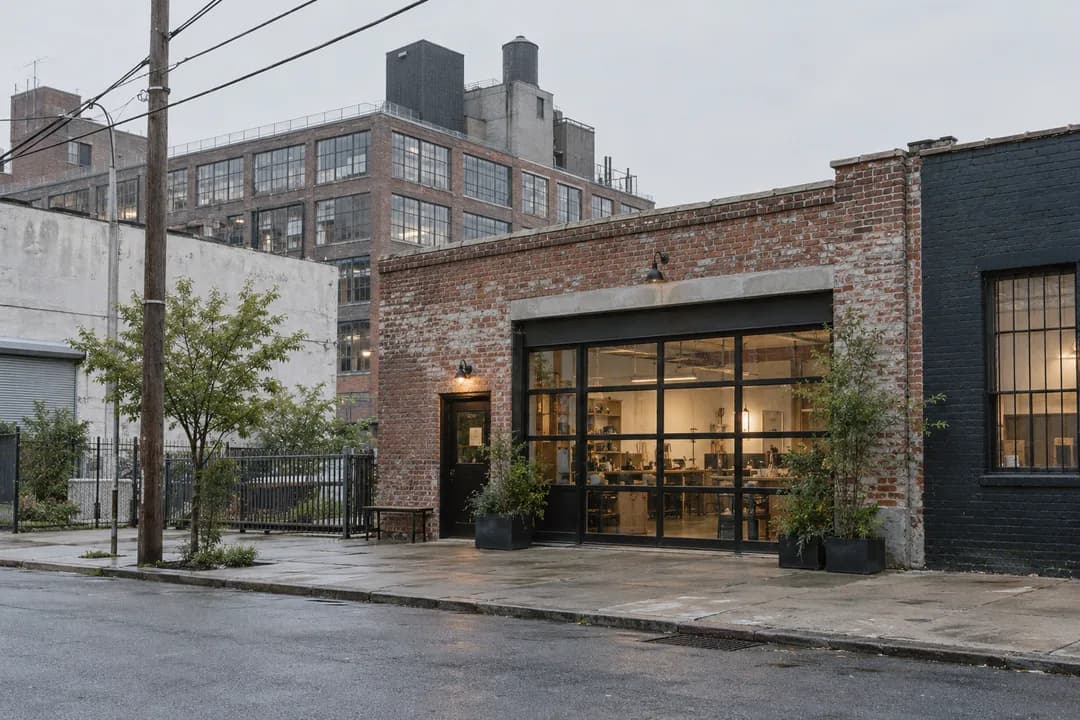
Exposure Therapy Film Lab: Gowanus Darkroom Entry Notes
Exposure Therapy at 114 Third Street is a Gowanus film lab for photographers who want darkroom-minded guidance, careful scans, and a deliberate first visit.
Exposure Therapy is the film lab near me answer for a photographer who wants the errand to feel connected to a darkroom community. The listed address is 114 3rd St, Brooklyn, NY 11231, in Gowanus, and the official reference is exposuretherapynyc.com. The first visit is easier when you arrive with a small brief: what film you shot, what you want back, and what you are trying to learn. That combination invites useful guidance without making the staff guess at the project.
Begin at the Gowanus Address
Gowanus is an industrial neighborhood, so plan for a practical carry rather than a delicate browsing bag. Keep exposed rolls in a rigid pouch, mark the roll number, and separate it from unopened stock. If you are carrying a camera, lenses, or a notebook, give each item a place before you leave home. The handoff should happen in one clean motion. Film is more comfortable when it does not have to compete with every other object in your backpack.
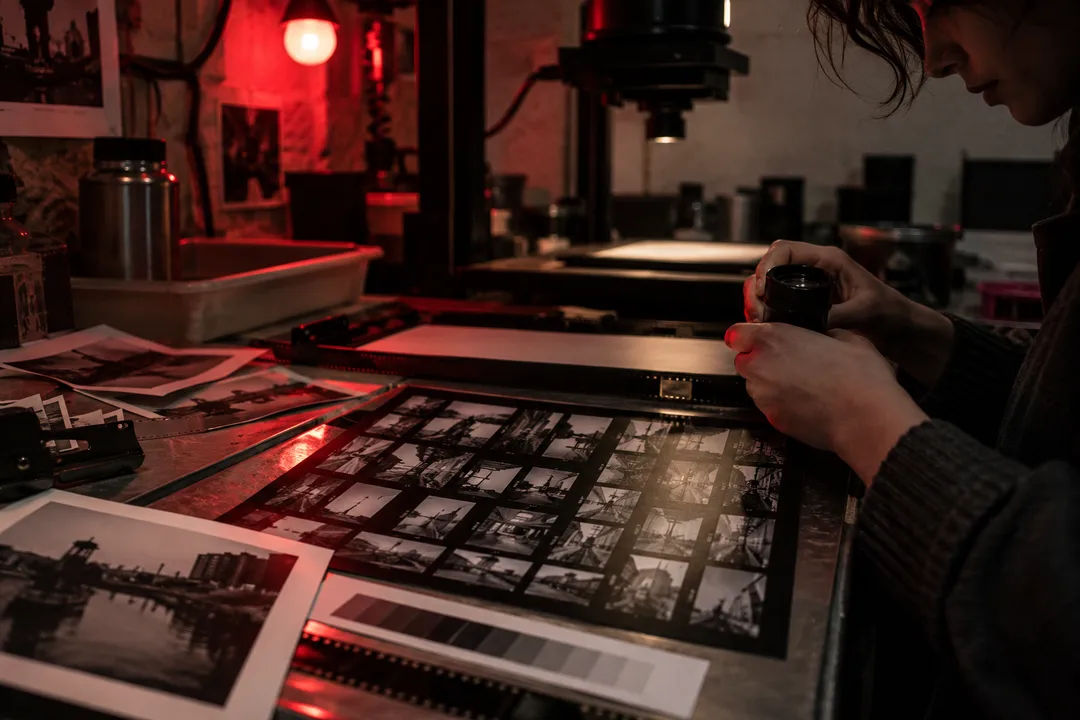
A darkroom-minded lab conversation starts with the negative, not the social-media result. Explain whether the roll is a color negative, a black-and-white experiment, or a project where the grain and contrast are part of the point. Say if the scan is for an edit, a portfolio, or a private archive. You can ask for a practical first pass and then return with frame numbers. That two-step approach lets the initial result teach you what to ask next.
Treat the Roll as Evidence
Read the finished sequence as a record of choices. Check a frame with a bright sky, one with a face in shadow, and one from the middle of the roll. If all three behave differently, note the pattern rather than blaming a single photograph. The purpose is not to grade the lab from one dramatic image. It is to understand the relationship between exposure, processing, and scanning so your next roll begins with a better question.
Darkroom etiquette is simple and visible. Do not handle another customer's materials, do not open a cartridge at the counter, and keep your drink outside the work area. If you want to talk about enlargers, chemistry, or printing, let the order be recorded first. Ask whether there is a preferred way to label a follow-up request, then use that format. A community-oriented lab stays welcoming when every visitor respects the work already in progress.
Ask for the Kind of Scan You Need
The Gowanus setting gives you room to turn the visit into a visual walk without making the walk the point. Drop off at 114 3rd Street, then choose a short route along the canal, a bridge, or the industrial blocks that frame the neighborhood. Carry the camera only if it is comfortable; the exposed roll is already the day's subject. Leave enough time to return or take notes about the images you want to revisit later.
Photographers who are new to a darkroom service often ask for a 'moody' scan and then feel disappointed when the shadows close up. Replace the mood word with a measurable preference: hold detail in the dark coat, keep the sky from turning white, or preserve a neutral skin tone. For black-and-white work, mention whether grain or smooth transitions matter more. Concrete language gives the lab a useful target and gives you a standard for judging the result.
Darkroom Manners Matter
The community side of Exposure Therapy is strongest when you arrive prepared to listen. Bring one frame you admire from the roll and one frame that confuses you. Explain why each matters. That pair creates a practical conversation about technique without requiring a lecture. If the first answer suggests a different way to store, label, or scan your film, write it down. Small workflow changes compound across a year of shooting more reliably than one expensive impulse purchase.
Skip a complicated order if your own project is still undefined. A stack of prints cannot compensate for a roll you have not reviewed, and a large scan package can bury the few images that need attention. Start with the output that lets you see the sequence clearly. Add a print or a second format only when the photograph has a real destination. Gowanus offers many distractions; the lab visit is better when the order stays small enough to understand.
Pair the Lab With an Industrial Walk
Karpo APP can plan the rest of the afternoon around the Gowanus lab if you give it the actual constraint: a one-hour drop-off, a quiet place to annotate contact sheets, or a short route that avoids carrying gear uphill. Ask for the lab first, then a walk that can be shortened without losing the point. The right recommendation will preserve the film and the learning goal before it adds another stop to the map. Keep a small buffer for the walk back, a dry place for the order note, and a quiet moment to write what the first result taught you.
Record the practical anchor as 114 3rd St, Brooklyn, NY 11231 and exposuretherapynyc.com. That is enough to make a film lab near me search actionable without inventing service prices or turnaround promises. Arrive with labeled rolls, describe the image's intended use, follow the work-area rules, and read the finished sequence carefully. Exposure Therapy becomes most useful when the first visit changes the way you expose, store, and talk about the next roll.Give yourself a quiet place to make that observation after the drop-off. A notebook with three columns—frame number, visible issue, next question—turns a vague reaction into a useful follow-up. If the lab teaches you a new term, write the term exactly and attach it to the roll. When the scans return, revisit those notes before ordering anything else. Exposure Therapy is most rewarding when the visit leaves you with a repeatable practice, not just a finished folder of files. Keep the notes with the order record so the next roll starts from evidence, not a guess.
Keep exposuretherapynyc.com and 114 3rd St with the notebook that records your frame questions. The Gowanus address is the anchor; the repeatable practice is the reason to return.
Ask Karpo for more information.
Keep reading
- Chelsea Consignment Shop Crawl Planner for Your First Studio
 East Village Consignment Shop Crawl Planner: Leather Jackets
 Harlem Consignment Shop Crawl Planner for a Jazz Night Look