 SoHo Stationery Shop Gift Picker for a New Job Desk
Hidden Gems & Odd Finds
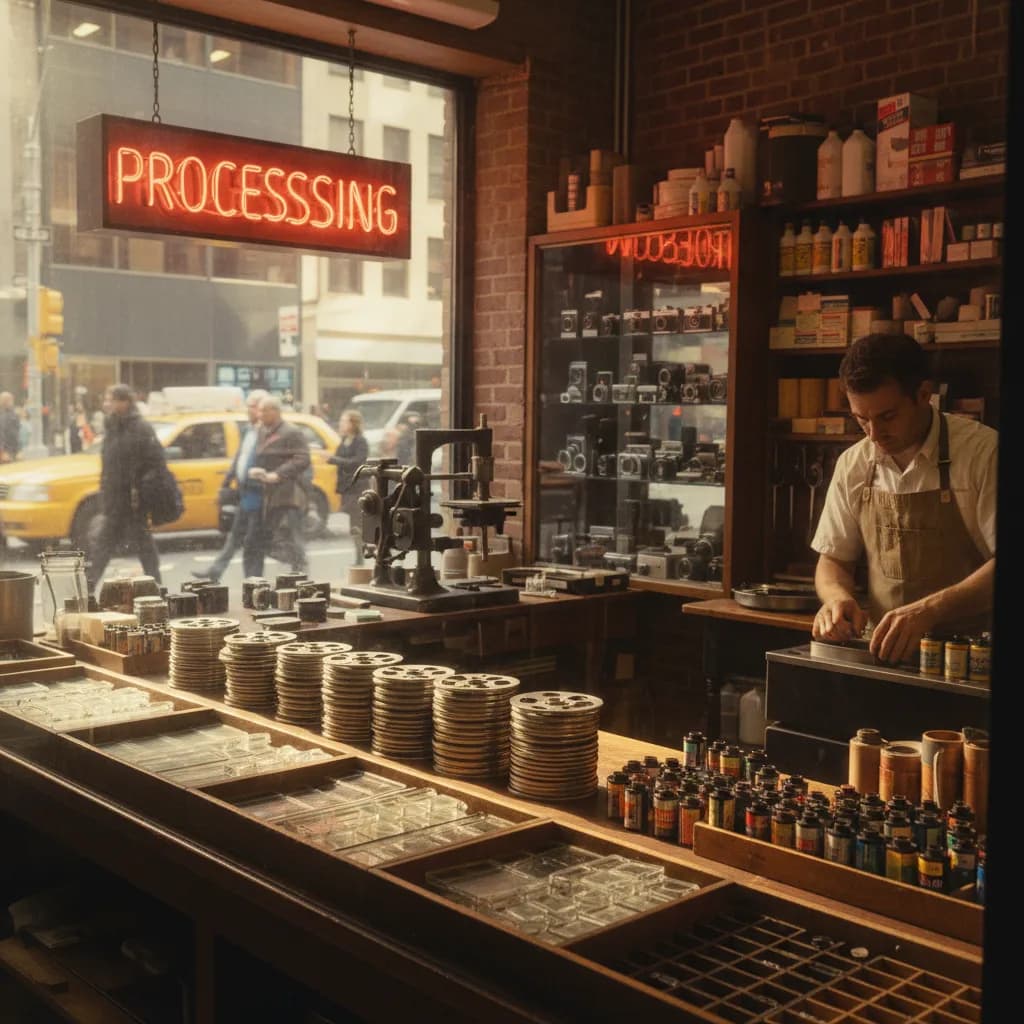
Midtown Manhattan Film Lab Route: NYC Analog Photo Guide
Navigate Midtown Manhattan film lab destinations for professional 35mm developing, high-resolution scans, and architectural photo walks through New York City.
Midtown Manhattan stands as one of the world's most dynamic urban stages for street photographers and analog enthusiasts who appreciate the tactile discipline of traditional film craft. Navigating between towering limestone office facades and crowded commuter plazas reveals dramatic corridors of light and shadow that reward patient visual observation. Taking your exposed film to an established Midtown film lab ensures that your precious negatives receive professional chemical handling and meticulous quality control. Karpo APP organizes your midtown journey into a seamless walking route, connecting laboratory drop-offs with iconic architectural landmarks, peaceful transit concourses, and shaded public spaces. Embracing analog photography in the heart of New York City transforms routine urban travel into a rich, rewarding artistic exploration.
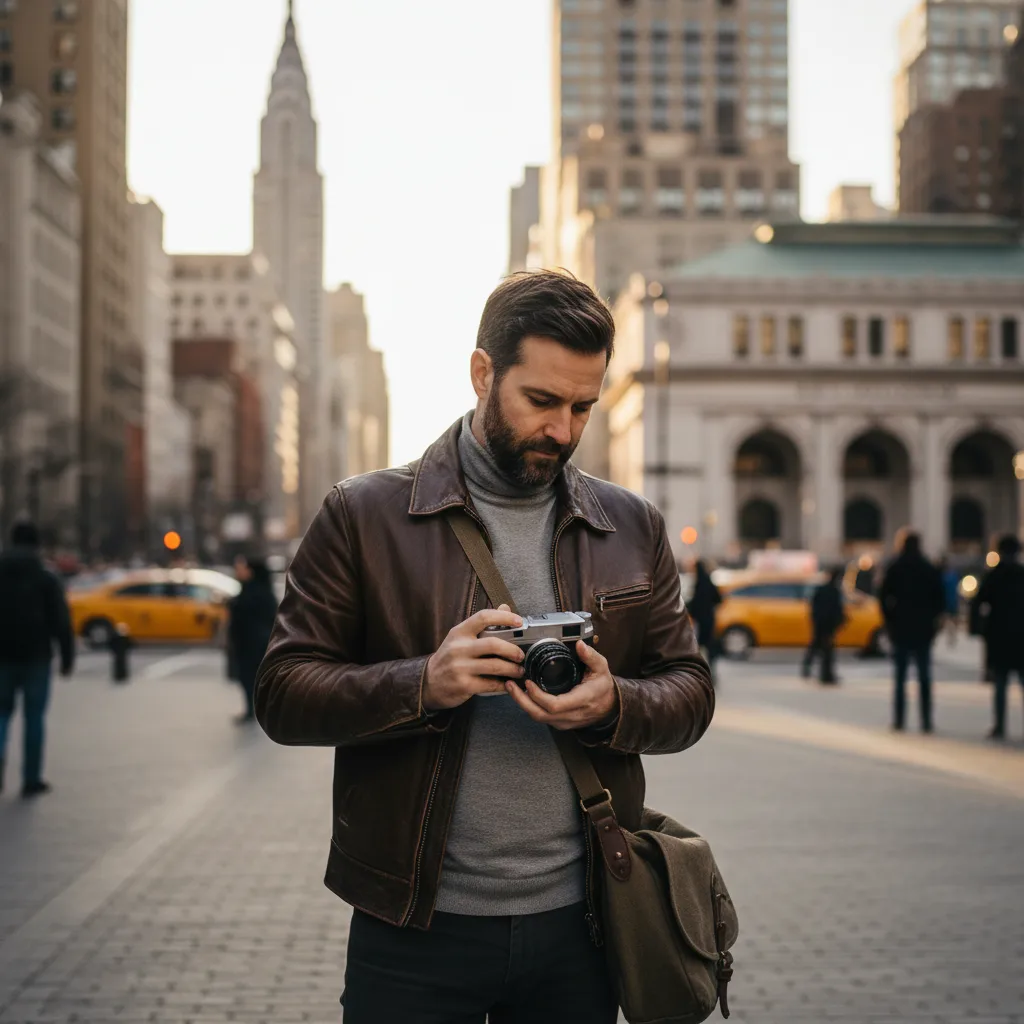
Navigating Mid-Town Analog Photography and Commuter Corridors
Midtown Manhattan serves as a dynamic crossroad for urban street photographers who appreciate the deliberate rhythm of shooting mechanical analog cameras. Stepping off the subway near Grand Central Terminal or heraldic Herald Square immerses you in a rich tapestry of towering skyscrapers, classic transit halls, and vibrant street corners where natural light cuts dramatics paths across crowded pedestrian avenues. Finding an established film lab in Midtown allows photographers to hand over their exposed rolls directly to skilled technicians who understand the delicate chemistry of photochemical development. Photographers navigating this bustling central district can easily blend their laboratory visits with leisurely explorations of iconic public plazas and quiet library reading corridors. Embracing traditional film craft amidst modern commuter traffic creates a meditative creative balance that transforms routine urban transit into an inspiring photographic expedition.
Choosing a dependable processing destination in the center of Manhattan provides essential peace of mind when documenting fleeting city moments. Expert laboratory technicians handle every cassette with meticulous caution, ensuring delicate film surfaces remain free from stray dust or mechanical abrasions during manual extraction. Whether you are returning from early morning street shooting along Park Avenue or preparing for an afternoon architectural study of classic limestone facades, having a trustworthy neighborhood hub simplifies the entire analog process. Photographers regularly gather near counter display cases to trade technical insights, compare focal length preferences, and discuss how different seasonal temperatures influence film development times. This enduring sense of photographic community thrives beneath the shadow of Midtown's tallest towers, proving that handcrafted analog imagery remains as vital and compelling as ever.
Selecting Film Stocks and Color Negative Chemistry
Every photographic walk through Midtown begins with an intentional decision regarding emulsion sensitivity, grain structure, and color palette. Crisp autumn afternoons with deep canyon shadows often call for versatile four-hundred-speed daylight emulsions that comfortably handle high-contrast transitions between sunny avenues and shaded cross streets. Fine-grain color negative stocks capture the subtle patinas of historic brickwork and weathered copper cornices with warm fidelity and generous exposure latitude. When softer overcast lighting settles over the city, slower one-hundred-speed portrait films reward the observant photographer with creamy highlight roll-offs and virtually invisible grain. Discussing intended lighting conditions with laboratory technicians helps you identify the most complementary processing methods, including specialized developer selections tailored to specific aesthetic intentions.
Professional laboratory technicians in Midtown utilize standardized temperature-controlled immersion baths to maintain exact chemical activity across every roll. Maintaining consistent agitation intervals and precise replenishment schedules guarantees that delicate color dye couplers form cleanly without unexpected color casts or uneven density shifts. Photographers pursuing maximum shadow information in dim subway stations or evening theater corridors frequently request pushed processing, extending development times to build usable density in underexposed frames. Conversely, pulled development tames excessive midday contrast, preserving delicate highlight details across sunlit glass curtain walls. Understanding how custom chemical adjustments interact with particular emulsion formulas allows artists to master their craft with predictable, repeatable artistic excellence.
Exploring Architectural Lines from Grand Central to Bryant Park
Pairing your film drop-off with a planned walking circuit invites creative exploration through some of the city's most architecturally renowned public spaces. Grand Central Terminal offers breathtaking opportunities to observe shafts of natural light pouring through soaring cathedral windows onto historic marble concourses. Using a wide-angle prime lens allows street photographers to frame majestic arched ceilings alongside moving crowds, capturing the perpetual kinetic energy of Manhattan transit. Moving westward along Forty-Second Street reveals handsome Beaux-Arts facades, ornate clock faces, and intricate decorative stonework that reward thoughtful compositional patience. The measured mechanical cadence of winding a manual advance lever encourages you to slow down and observe subtle architectural nuances often overlooked in rapid digital shooting.
Bryant Park provides a tranquil green sanctuary amidst the surrounding stone and steel towers, presenting wonderful settings for outdoor candid photography. Shaded gravel allées beneath london plane trees cast dappled shadows across classic green bistro chairs, inviting relaxed observations of urban leisure. The monumental rear terrace of the New York Public Library features grand Corinthian columns and broad marble staircases that serve as stately backdrops for ambient portraits. Pausing in the park allows photographers to evaluate changing shadow patterns, switch lens attachments, and safely reload exposed rolls into light-tight canisters. The gentle murmur of park visitors and rustling tree canopies offers a restorative pause before continuing your afternoon walking route.
Archival Handling and Professional Scanning Workflows
The care given to exposed film immediately after development determines the longevity and preservation of your visual records. Reputable Midtown laboratories employ dust-controlled drying cabinets that gently circulate filtered warm air to dry freshly processed negatives without water spots or curling. Once dried, strips are cut into standardized lengths and carefully inserted into archival polyethylene or acid-free paper preservers that safeguard emulsions from fingerprints and atmospheric moisture. Handling processed film strictly by the perforated edge margins protects delicate image areas from accidental oil transfer and surface scratching. Inspecting your returned negatives on an illuminated light table with a ten-power optical loupe remains one of the greatest pleasures of traditional photography, revealing sharp focus and rich density in authentic physical form.
Modern analog workflows seamlessly bridge classic physical negatives with contemporary digital archiving through advanced scanning equipment. High-resolution linear sensors capture broad dynamic ranges and subtle highlight tones, producing flexible uncompressed digital files that preserve the distinct organic character of traditional grain. Laboratory technicians calibrate color profiles to honor original emulsion signatures rather than applying harsh automated corrections that flatten natural tonal subtleties. Selecting appropriate scan resolution settings ensures sufficient detail for large-format fine art exhibition prints or high-fidelity digital publishing. Collecting both pristine archival negative sleeves and color-balanced digital files gives photographers the ultimate combination of physical permanence and creative flexibility.
Afternoon Light and Urban Shadow Play along Fifth Avenue
As the afternoon sun lowers toward the Hudson River, Fifth Avenue transforms into a dramatic corridor of luminous highlights and long architectural shadows. Deep east-west cross streets channel golden beams between towering office buildings, illuminating swirling pedestrian silhouettes against dark background facades. Framing walking figures as they pass through narrow light shafts creates striking graphical compositions filled with mystery and visual depth. Fast shutter speeds allow handheld shooters to freeze street motion while maintaining sharp focus across dynamic geometric compositions. The rich tonal separation inherent in quality color negative film handles these extreme contrast ratios with remarkable grace, maintaining detail in both dazzling street glares and shaded shopfronts.
Strolling southward toward Madison Square Park reveals changing architectural textures, from elegant cast-iron storefronts to historic clock towers glowing in late daylight. Street vendors, yellow taxicabs, and reflective storefront displays offer an endless variety of dynamic street compositions for thoughtful observers. Taking time to notice how afternoon light bounces off polished granite walls reveals unexpected secondary illumination in deep sidewalk recesses. Each exposed frame represents a deliberate commitment to capturing a fleeting slice of Manhattan life on tangible silver halide crystals. Ending your walking route with a pocket full of exposed canisters brings a satisfying sense of artistic accomplishment and renewed appreciation for New York City's timeless visual poetry.
Organize Your Midtown Route with Karpo APP
Karpo APP streamlines your Midtown Manhattan photographic journey by connecting laboratory drop-off points with public transit hubs, scenic walking paths, and peaceful park spaces. Instead of toggling between transit schedules and scattered notes, you can easily map efficient walking circuits between Grand Central, Bryant Park, and nearby processing facilities. The app helps you time your neighborhood walks to coincide with optimal natural lighting conditions across specific avenues and plazas. You can effortlessly locate sheltered pedestrian arcades during unexpected weather changes, ensuring your precious photographic equipment remains dry and protected. Using Karpo APP makes navigating Midtown Manhattan's busy avenues effortless, organized, and deeply enjoyable.
The platform also enables photographers to record personal field notes, track roll numbers against specific shooting locations, and bookmark quiet cafes ideal for reloading film and reviewing contact sheets. Sharing curated neighborhood routes with fellow analog enthusiasts fosters creative community connections and inspires fresh perspectives on familiar city streets. Whether you are an experienced darkroom practitioner or a curious newcomer discovering the joys of thirty-five-millimeter street photography, Karpo APP keeps your creative outings well-structured and rewarding. Let Karpo APP serve as your reliable neighborhood companion as you explore Midtown Manhattan's exceptional analog photography culture.
Ask Karpo for more information.
Keep reading
- SoHo Stationery Shop Gift Picker for a New Job Desk
 SoHo Consignment Shop Crawl Planner: Designer Handbag Checks
 Williamsburg Stationery Shop Gift Picker for Office Swaps