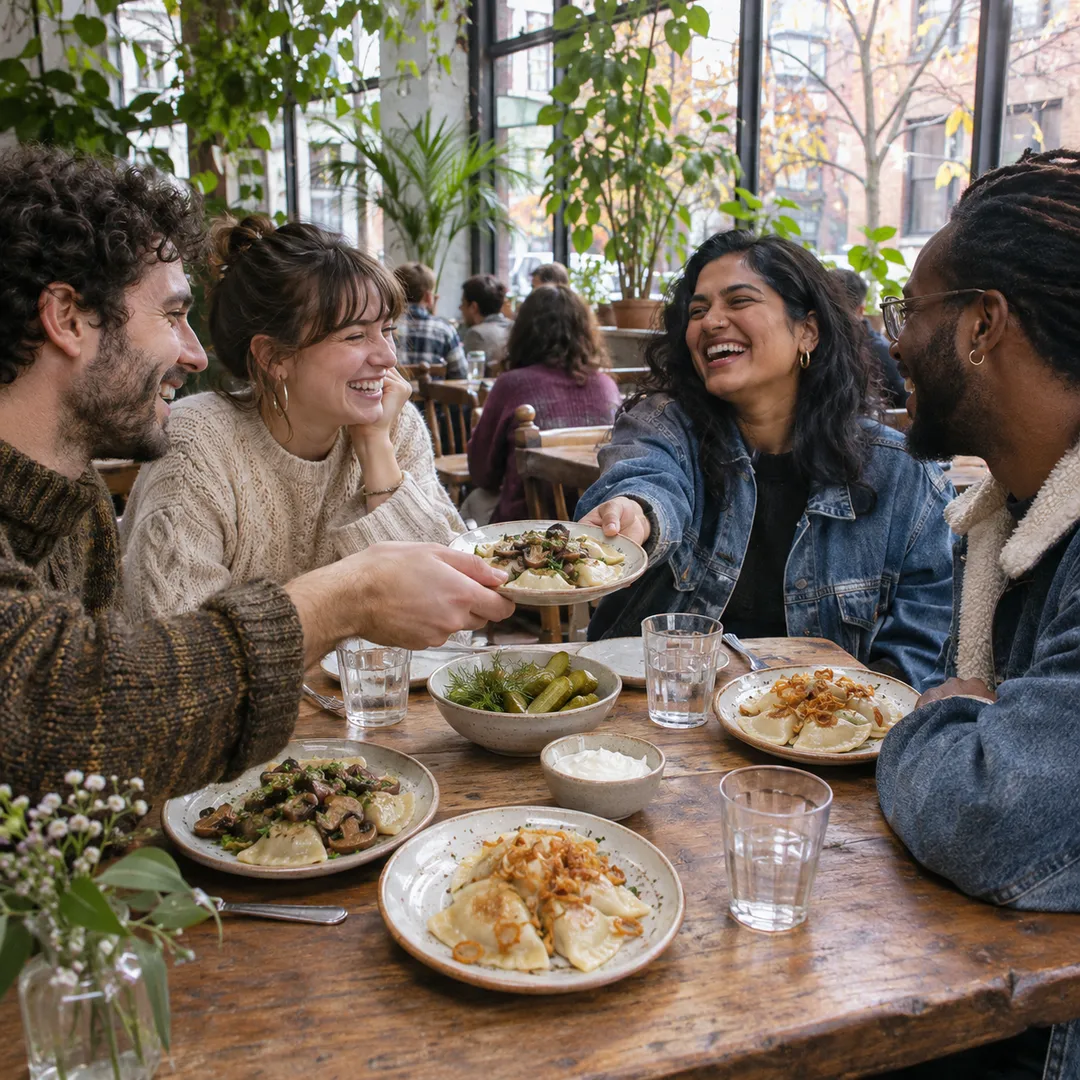
 Williamsburg Pierogi Lunch Spot Picker for Mixed Diets
Restaurants
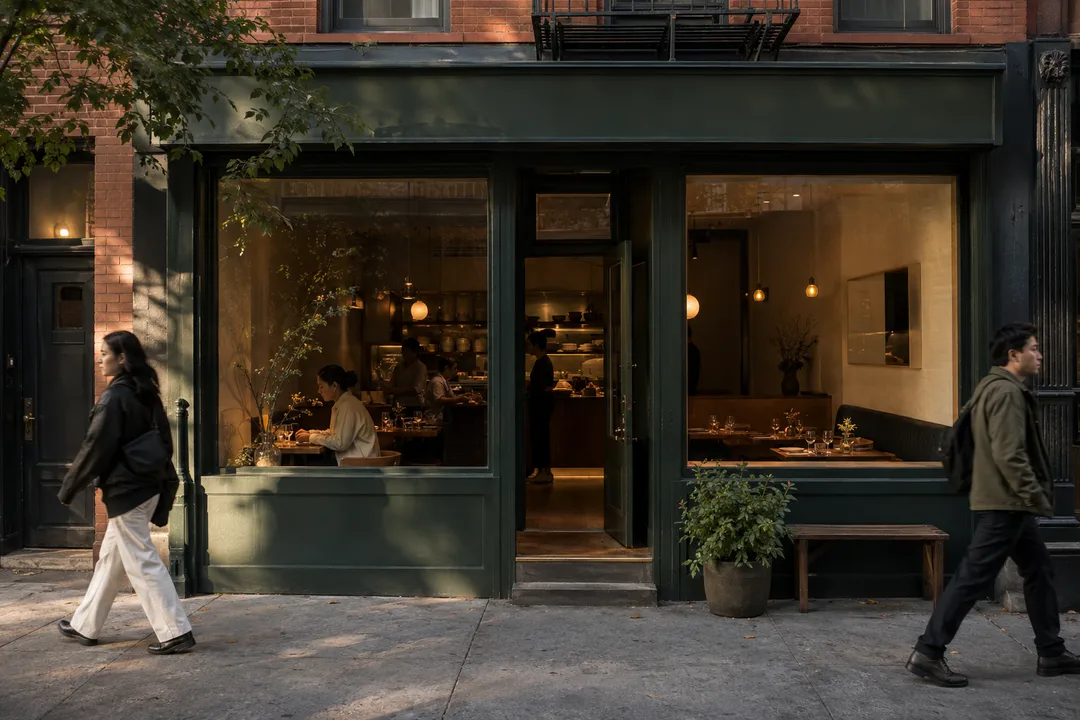
Filipino Restaurant Near Me in NoHo: Naks Turns Dinner Into a Tasting Menu
A NoHo guide to Naks, the intimate Filipino tasting-menu restaurant where a reservation turns familiar flavors into a chef-led evening.
If you search for a Filipino restaurant near me and want something more composed than a quick plate of rice and barbecue, Naks is the New York answer with a very different rhythm. The restaurant presents Filipino cooking as a tasting-menu experience in a small NoHo room, so dinner feels less like picking a few entrees and more like letting the kitchen tell a story one course at a time. It is a destination for a planned evening, not a last-minute counter stop.
Start with the practical detail that matters most: Naks is at 4 West 4th Street, close to Washington Square Park and the West Village edge of Greenwich Village. The nearest subway choices include the A, C, E, B, D, F, and M trains around West 4th Street, with a short walk through a part of downtown that is easy to extend into a full night. Give yourself a few extra minutes because the entrance is intentionally understated.
What separates Naks from the typical Filipino restaurant near me result is the format. The dining room is small, the menu is chef-led, and the meal is built around a sequence rather than a long list of interchangeable choices. That structure lets the kitchen move between bright seafood, grilled proteins, sour fruit, fermented notes, and Filipino pantry flavors without asking the guest to manage the order. The best approach is to arrive curious and let the progression do its work.
The tasting menu is generally priced around $195 per person before drinks, service, and tax, although the restaurant can change the menu and price as the season shifts. That is a serious dinner budget, but the number also explains why Naks should not be treated like an impulse meal between errands. Plan for a long sitting, expect several courses, and think of the cost as covering pacing, preparation, and the chance to taste a wide range of Filipino ideas in one visit.
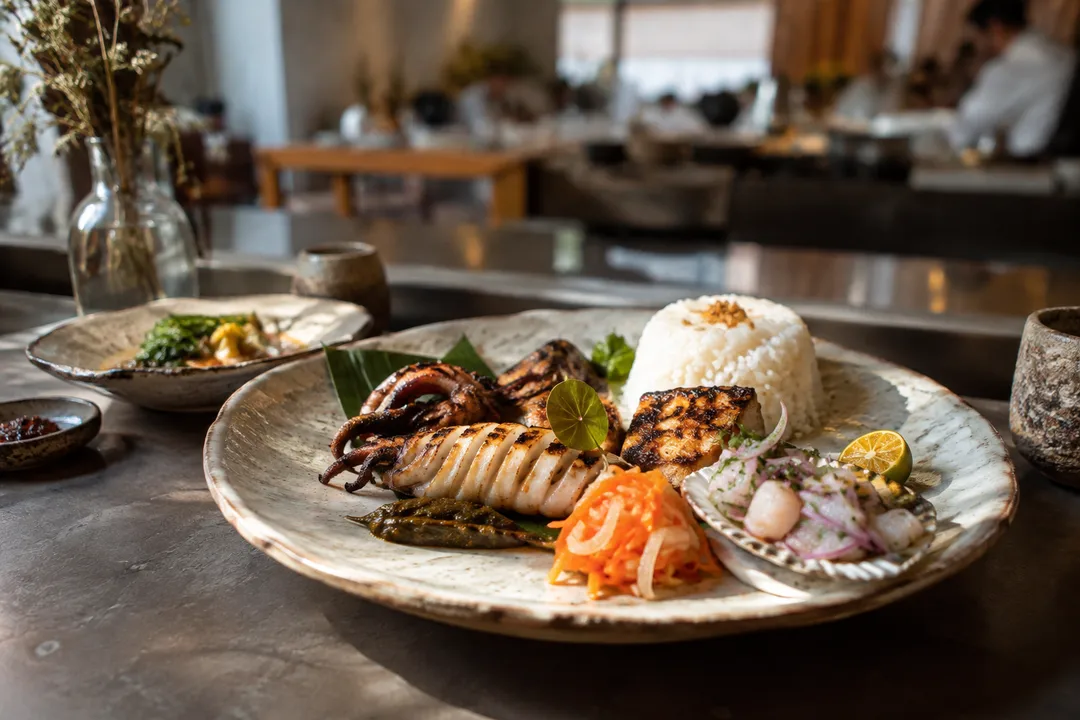
Early courses often lean into the clean, sharp side of Filipino cooking. A kinilaw-style preparation can bring raw seafood together with vinegar, citrus, ginger, onion, and a gentle heat, while pickled vegetables keep the first part of the meal lively. Eat these bites slowly rather than treating them as a single appetizer. The acid is doing important work, setting up the richer grilled and braised courses that usually follow.
As the menu moves toward the center, look for the restaurant's treatment of grilled seafood, pork, or chicken. Naks is at its most convincing when a familiar Filipino flavor is given room to become more precise without losing its appetite appeal. Smoke, char, coconut, garlic, and a salty-sweet glaze can all appear in the same sequence. The point is not to make the food unfamiliar; it is to show how much range the ingredients already have.
A richer course such as crisp pork belly or a slow-cooked meat preparation needs contrast, and the kitchen usually supplies it with sour broth, fruit, greens, or a sharp dipping sauce. If a course arrives with a small spoonful of something bright, use it. Filipino food is rarely about richness alone. The pleasure comes from putting fat beside acid, grilled flavor beside freshness, and a concentrated sauce beside plain rice.
Dessert is another reason to save room. Ube, coconut, caramel, banana, and calamansi are natural companions for a tasting menu because they can be turned into a soft cream, a frozen course, a crisp bite, or a warm pastry. A dessert around $18 to $25 is a reasonable expectation if it is offered separately, and the final course is often more restrained than a large slice of cake. Let the savory meal finish before deciding you are full.
Drinks deserve a little thought too. A pairing can make the meal feel more complete, but a glass of sparkling wine, a light white, or a nonalcoholic tea can also work with the menu's range. Ask the team what they would pour with the seafood and vinegar-heavy courses before choosing a heavy red. The restaurant's small scale makes questions easy, and staff can usually steer you toward a glass that will not flatten the subtler dishes.
There is no useful walk-in strategy for a place this small. Reserve as far ahead as your schedule allows, arrive about ten minutes before the start time, and tell the restaurant about allergies or dietary limits when you book. Late arrival can affect the whole sequence, especially if the kitchen is serving a timed menu to the room. If you are hoping for a particular date, a weekday is usually more forgiving than Friday or Saturday.
The room rewards the same behavior as the food: pay attention, share the table's pace, and do not rush to photograph every course before eating it. Seats may be close together, and the experience depends on a calm exchange between kitchen and dining room. There is no dress code that requires formalwear, but clean, comfortable evening clothes fit better than gym gear. This is a restaurant for conversation and concentration rather than a loud pregame.
Naks also works as a snapshot of how Filipino food in New York keeps expanding. The menu does not need to choose between home cooking and fine dining. It can carry the memory of vinegar, grilled meat, rice, and tropical fruit while using the precision of a tasting-menu kitchen. That tension gives the meal its personality. You are not being asked to forget where the flavors come from; you are being invited to notice more of them.
Build a downtown walk around the reservation. Start with Washington Square Park, wander the small streets around MacDougal Street, and leave time for a bookshop or a quiet drink in the West Village after dinner. If the meal ends early, continue toward the Strand or Union Square. The route is useful because it lets Naks be the anchor of an evening rather than the only stop, and the neighborhood supplies plenty of room to digest a long sequence.
Practical notes: the tasting menu lasts roughly two to three hours, the price is per person, and the menu can change without warning as ingredients change. Tell the restaurant about shellfish, fish sauce, soy, dairy, or other concerns before the visit rather than at the first course. Subways are more dependable than driving, and street parking is scarce. Naks is best for a special dinner, a curious visitor, or anyone who wants Filipino cooking presented with patience and a little theater.
Ask Karpo for more information.
Keep reading
- Williamsburg Pierogi Lunch Spot Picker for Mixed Diets
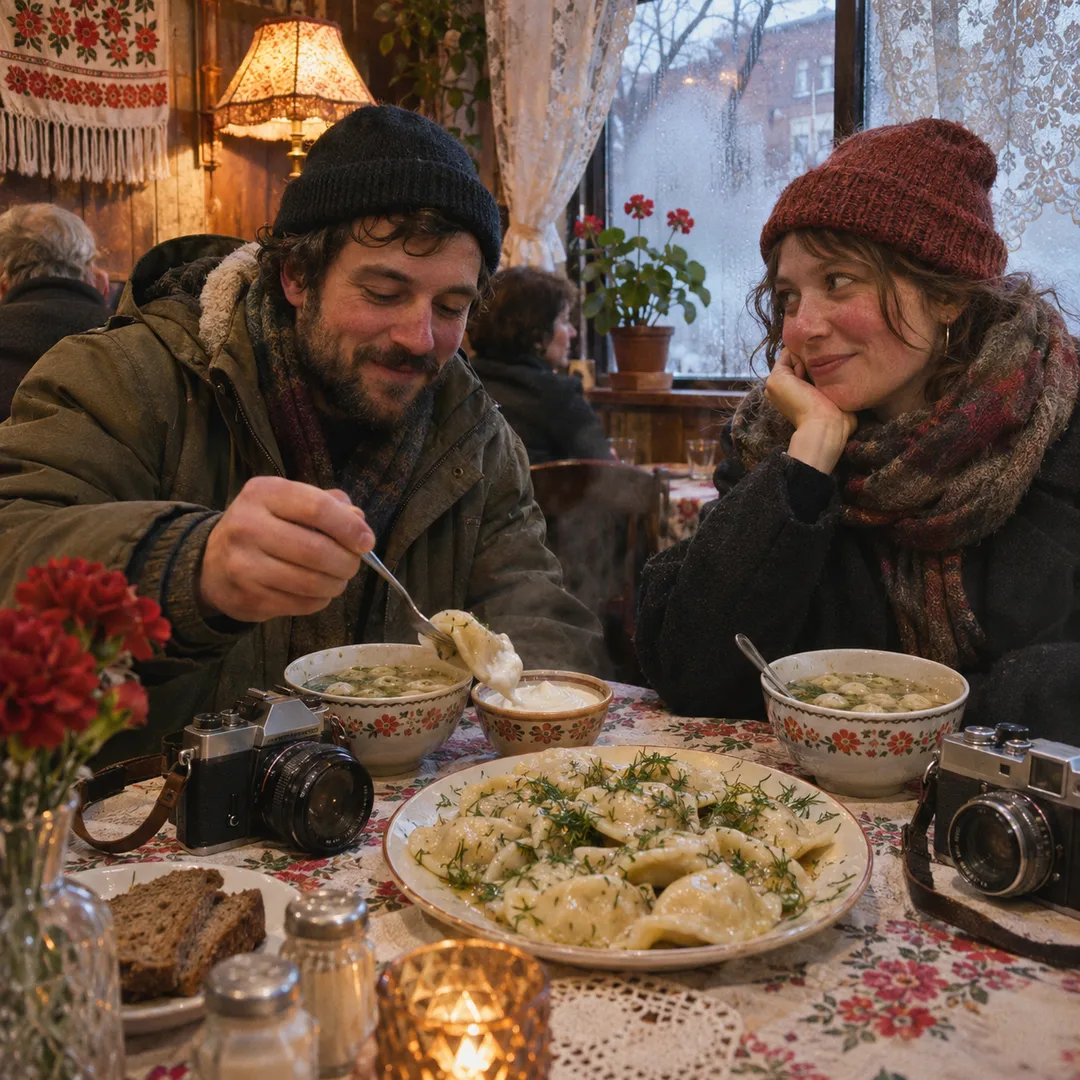 Brighton Beach Pierogi Lunch Spot Picker for Photographers
 Ridgewood Pierogi Lunch Spot Picker for Apartment Hunters