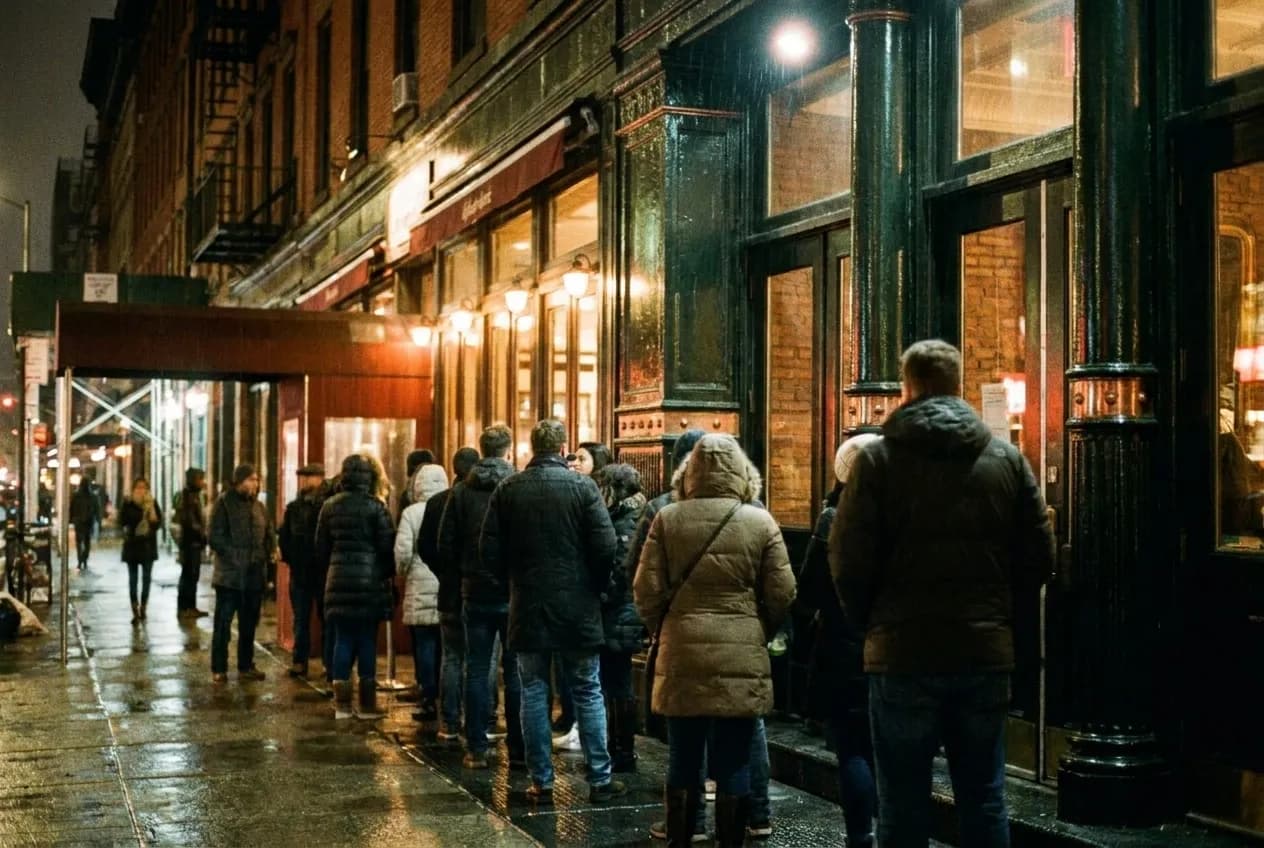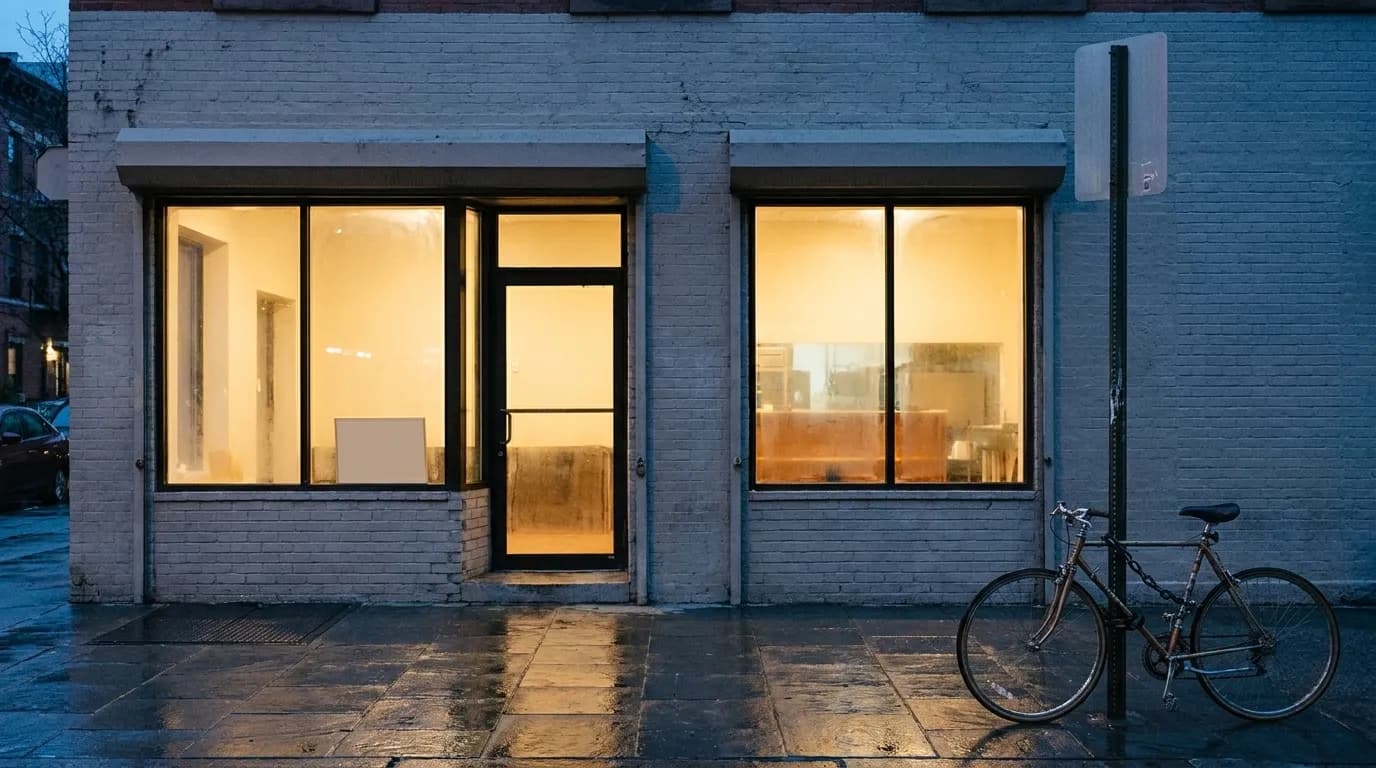
Bushwick in late May has shed its grey winter coat for something lighter—windows propped open, sidewalk seating multiplying, the neighborhood's industrial bones softened by humidity and greenery climbing chain-link. And inside a handful of unassuming storefronts, a specific kind of alchemy is underway. Not the usual craft-beer ferment or natural-wine funk, but something older, stranger, more deliberately microbial. Kvass. Kombucha. Vinegar shrubs aged in ceramic crocks. The neighborhood that gave New York its warehouse-party grit now offers a surprisingly deep bench of fermentation bars, each pouring living drinks with the seriousness other spots reserve for single-origin espresso.
The kvass revival, one glass at a time
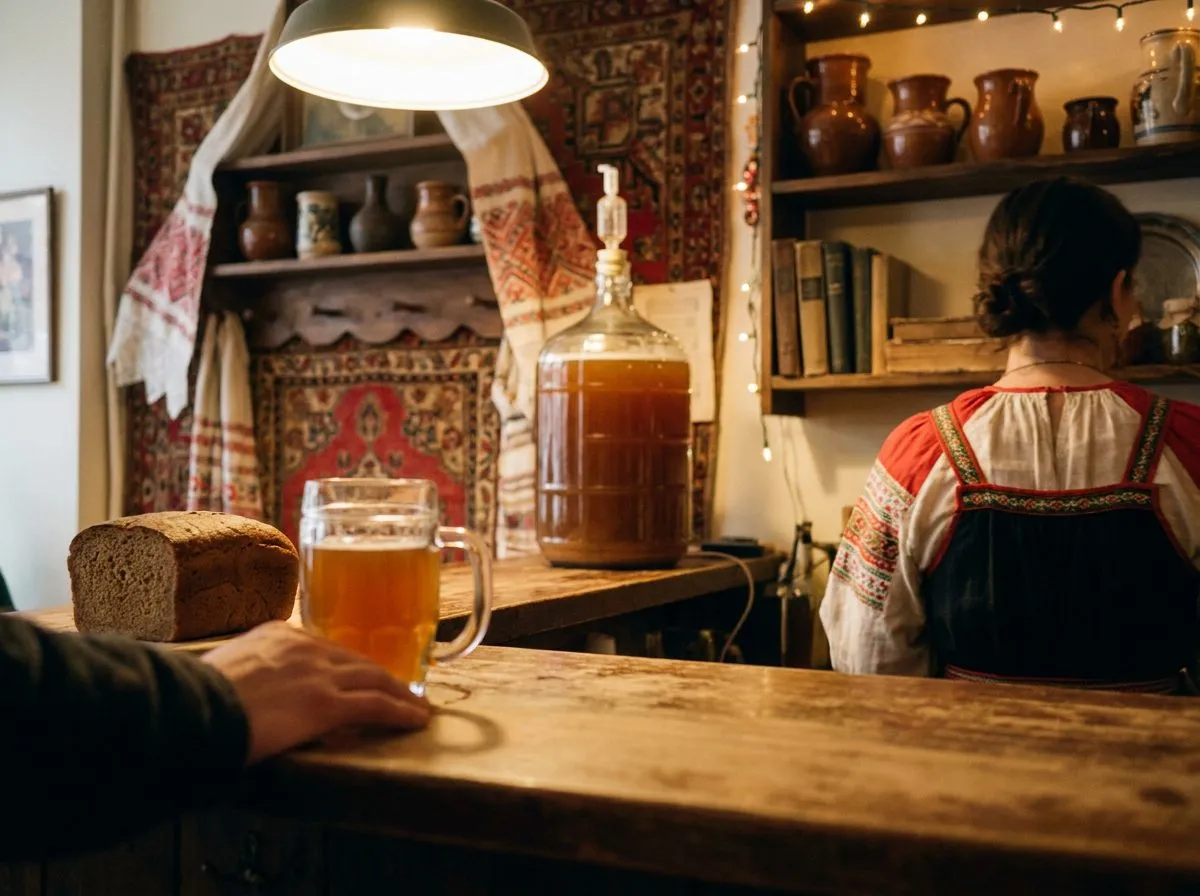
Kvass—that lightly soured, bread-based drink with roots in medieval Slavic kitchens—has found an unlikely second life in Bushwick, where remove this claim or identify the specific venues and verify them first. The flavor sits somewhere between sourdough starter and very mild beer, earthy and faintly sweet, with a gentle effervescence that never tips into aggressive carbonation. It's the kind of drink that rewards patience; the first sip puzzles, the second intrigues, the third hooks.
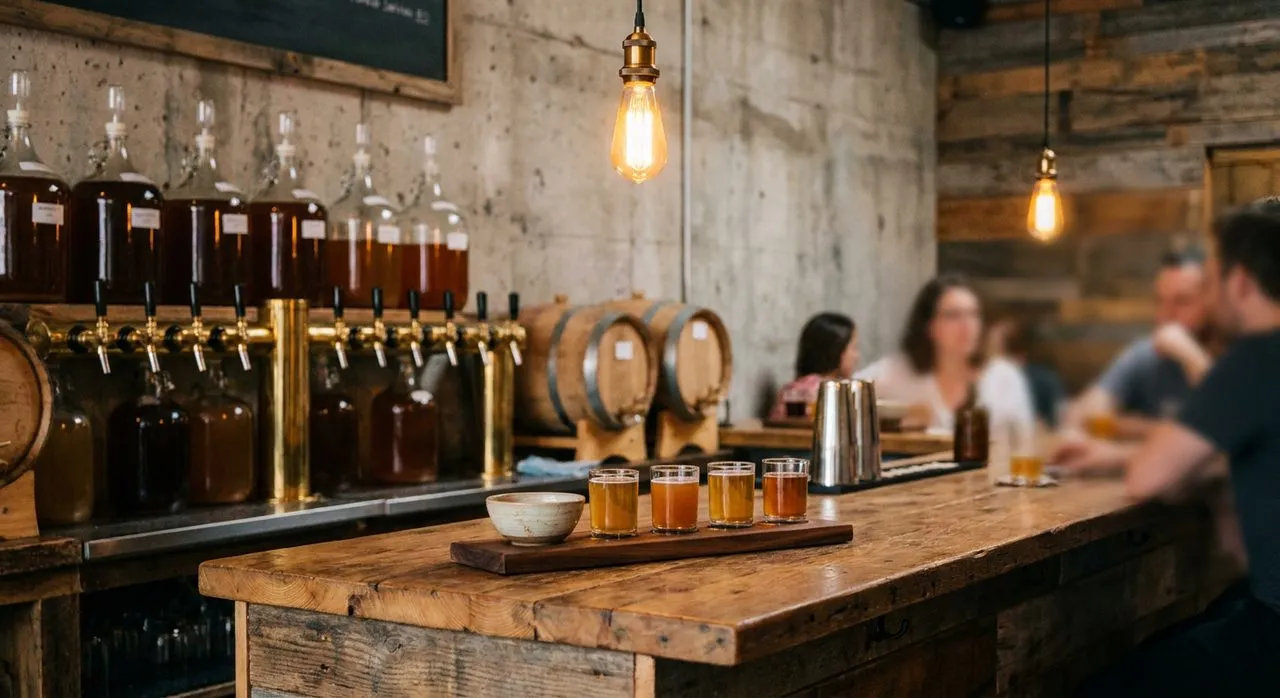
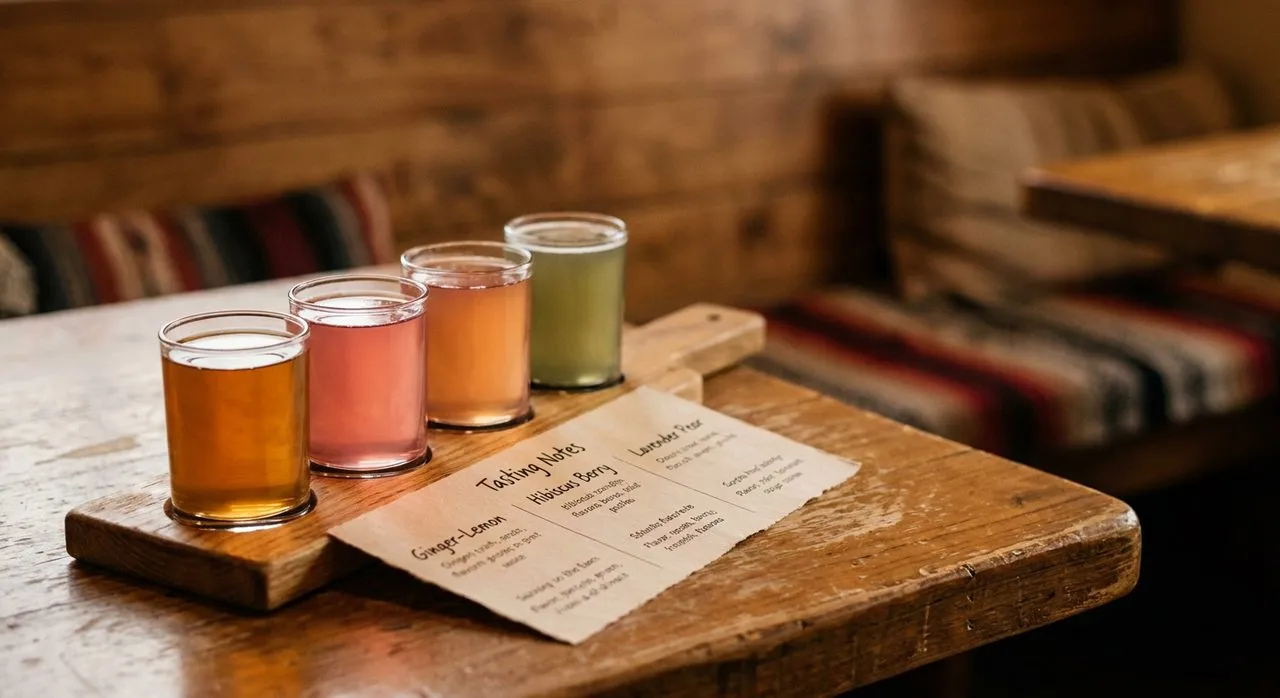
The kvass bars along the Myrtle Avenue corridor lean into minimalism: reclaimed wood counters, open shelving stocked with fermentation crocks, chalkboards listing the week's batches by grain and fermentation days. One spot offers a beet kvass so deeply magenta it stains the glass rim; another specializes in rye versions spiked with caraway or dill. The rhythm is slow here. People linger over small pours, often paired with pickled vegetables or dark bread with salted butter. On a warm Thursday evening, the light slants through east-facing windows, catching dust motes and the amber pour in a tasting flight.
Kombucha taprooms and the twelve-tap phenomenon
If kvass bars feel like quiet study halls, the kombucha taprooms hum with different energy—brighter, louder, more overtly social. remove this claim or name the venue and verify its tap count, each labeled with tasting notes that wouldn't feel out of place at a craft brewery: "hibiscus-forward, dry finish," "ginger heat, lemongrass undertow." The SCOBY—that rubbery symbiotic culture responsible for the fermentation—sits in glass jars along the back bar like trophies, pale and gelatinous and faintly unsettling.
The crowd skews younger and demonstrably wellness-adjacent: yoga mats propped against benches, conversations about gut biomes and adaptogens, the occasional laptop open to a spreadsheet. But the drinks themselves transcend the Instagram-wellness cliché. A turmeric-black-pepper kombucha pours cloudy gold, its heat creeping up slowly; a strawberry-basil version tastes like summer distilled, bright acid cutting through fruit sweetness. The taproom model works because kombucha, like beer, benefits from freshness and variety—flavors shift week to week as batches evolve, rewarding repeat visits.
By late May, the outdoor seating fills early. String lights overhead, the scrape of metal chairs on concrete, glasses sweating in the humidity. It's a scene, but an oddly wholesome one—no one here is getting drunk, yet the conviviality holds.
Vinegar cocktails and the shrub renaissance
One Bushwick cocktail bar has staked its reputation on vinegar. Not as an afterthought or a trendy garnish, but as the structural spine of nearly every drink on the menu. The back bar holds rows of bottled shrubs—fruit-and-vinegar syrups aged for weeks or months—alongside house-made drinking vinegars flavored with everything from rose petal to smoked pineapple. The resulting cocktails possess a brightness and complexity that straight citrus can't quite match, a tangy backbone that lifts spirits without weighing them down.
The space itself feels like a Victorian apothecary crossed with a Prohibition speakeasy: dark wood, amber lighting, shelves crowded with fermentation vessels and vintage glassware. Bartenders work with the deliberate precision of chemists, measuring pours to the milliliter, explaining fermentation timelines to curious customers. A rye cocktail built around apple cider vinegar and honey arrives cloudy in a coupe, tasting both ancient and completely modern. A mezcal drink with pineapple shrub and black pepper carries heat in three directions at once.
The ceremonial tea approach
Not every ferment bar in Bushwick chases novelty. remove this claim or identify the specific storefront and verify its concept, applying that reverence to fermented jun tea—kombucha's less-known cousin, made with green tea and honey rather than black tea and sugar. The result is lighter, more delicate, with floral notes that hover rather than announce themselves.
Service unfolds in tasting flights presented on wooden trays, each pour accompanied by a card explaining the tea's origin, fermentation length, and flavor evolution. The room stays quiet; phones disappear. It's self-consciously meditative, perhaps a touch precious, but the sincerity wins out. The jun tea itself justifies the ceremony—pale gold, gently effervescent, tasting of honeysuckle and something faintly grassy. Outside, Bushwick rattles and hums. Inside, time stretches.
The water kefir wild cards
Water kefir occupies an odd middle ground—lighter than kombucha, less esoteric than kvass, endlessly adaptable to whatever fruit or herb lands in the fermentation vessel. A pair of Bushwick spots have embraced this flexibility, rotating flavors weekly based on what's seasonal and available. Late May brings rhubarb-cardamom, strawberry-black-pepper, a surprisingly successful cucumber-mint that drinks like spa water with a backbone.
The vibe skews casual: order-at-the-counter setups, mason jars instead of glassware, mismatched seating that encourages lingering. Water kefir lacks the funk that can make kombucha divisive; it's the gateway ferment, approachable enough for skeptics yet complex enough to hold the interest of serious fermentation heads. By mid-afternoon on weekends, both spots draw lines—people waiting patiently for their pour, chatting with strangers about SCOBY maintenance and second fermentation techniques. It's the kind of nerdy, obsessive community that makes a neighborhood feel lived-in.
Why Bushwick, why now
The convergence isn't accidental. Bushwick has long attracted makers—artists, brewers, bakers—drawn by relatively affordable space and a tolerance for experimentation. Fermentation fits that ethos perfectly: low-tech, high-reward, infinitely tweakable. The neighborhood's immigrant communities, particularly from Eastern Europe and Latin America, bring fermentation traditions that predate the current wellness moment by centuries. And the audience exists: health-conscious urbanites seeking alcohol alternatives, plus the genuinely curious willing to try something that sounds slightly strange.
By late spring 2026, the scene feels established but not static. New spots continue opening, existing venues refine their offerings, and the conversations between bartenders and tea-ceremonialists and kvass purists cross-pollinate in useful ways. It's Bushwick doing what Bushwick does—taking something marginal and making it central, at least for a moment.
Practical notes
Most of Bushwick's ferment bars cluster along the Myrtle Avenue and Jefferson Street corridors, accessible via the L train (Jefferson, DeKalb, or Myrtle-Wyckoff stops) or the M train (Myrtle-Wyckoff or Central Ave). Street parking exists but fills quickly on weekends; the bike lane along Wyckoff Avenue offers a reliable alternative. Hours vary widely—some spots open as early as 9 a.m. for the morning crowd, others not until late afternoon—so verify directly before visiting. Most venues are small, with limited seating; arrive off-peak or embrace the wait. Accessibility varies by location; many occupy ground-floor storefronts but older buildings may lack ramps or accessible restrooms. Cash is useful at a few counter-service spots, though most accept cards. Bring curiosity and a willingness to ask questions; fermentation bartenders tend toward the enthusiastically educational.
Tags: #BushwickEats #FermentationBar #Kvass #KombuchaTaproom #NYCDrinks #TheOddEdit #BushwickNYC #GutHealth #NonAlcoholicDrinks #CocktailCulture #Spring2026 #AlternativeBeverage #FoodCulture #NYCNeighborhoods #SustainableDrinking
Please drink responsibly. Must be of legal drinking age.
Sources consulted: Kvass · Kombucha · Time Out New York Bars · New York Times NYC · Fermentation
All trademarks are the property of their respective owners.