 Fort Greene Holiday Market Browsing Guide for Young Shoppers
Weekend Plans
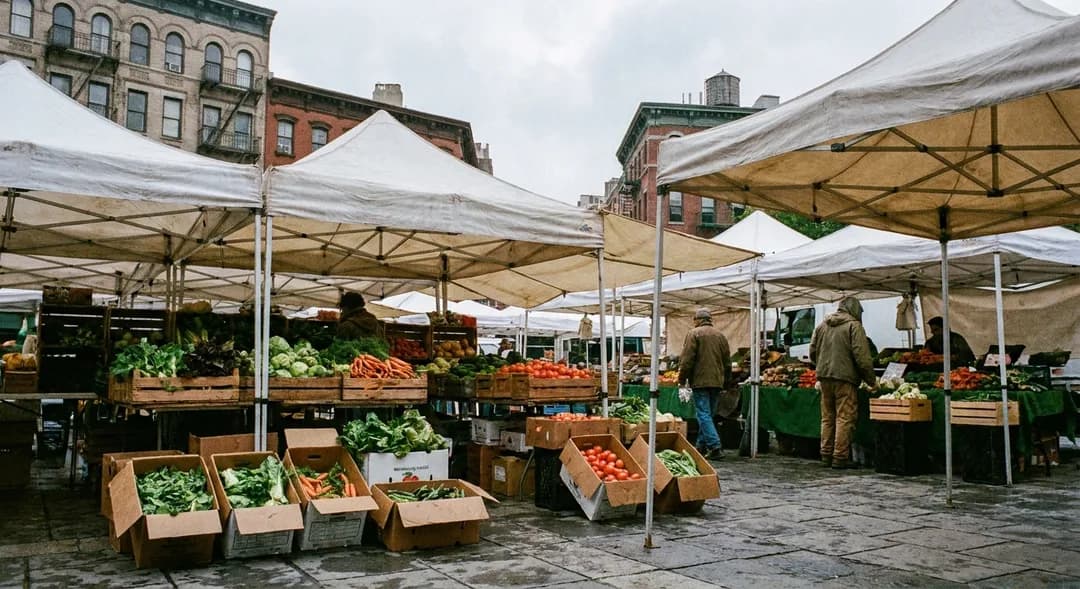
Union Square Farmers Market Route: 4 Free Market Hours
Walk this Union Square farmers market route through four plaza zones, finding upstate orchard cider, artisan cheeses, and morning bakeries without entry fees.
Union Square Park anchors the flagship hub of New York City's regional food shed, where the world-renowned Union Square Greenmarket spreads across the north and west plazas at Broadway and East 17th Street. Planning an autumn farmers market route here immerses you in a rich corridor of upstate orchards, Hudson Valley creamery tables, and Long Island vegetable growers without requiring any entry tickets or gate reservations. Operating on Mondays, Wednesdays, Fridays, and Saturdays from 8:00 am to 6:00 pm year-round, the open-air market brings more than one hundred and forty regional farmers and specialty food producers directly to the pedestrian walkways of Manhattan. Navigating the stalls on a crisp Saturday morning allows you to trace farm-fresh produce from its rural source to historic neighborhood brownstone blocks in less than two relaxed walking hours.
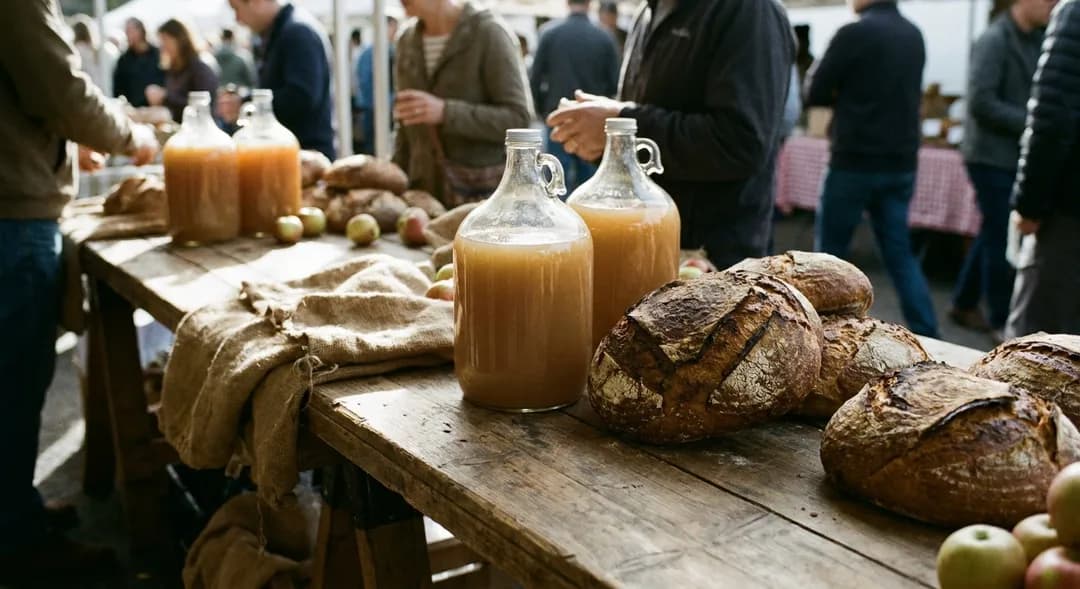
Navigating North and West Plaza Producer Stalls
Begin your walking circuit along the North Plaza where Hudson Valley fruit growers arrange tiered displays of heirloom apples, fresh jugs of unpasteurized sweet cider, and dark Concord grapes harvested along the river ridge. Orchards like Breezy Hill Orchard and Migliorelli Farm set up early wooden bins filled with crisp Honeycrisp, russeted Roxbury Russet, and tart Esopus Spitzenburg apples that trace New York agricultural history back across two centuries. Nearby, small farm bakeries roll out warm cider doughnuts tossed in cinnamon sugar alongside fruit-filled galettes made with local grain flour. Moving westward toward Broadway, vegetable growers from Orange County's black dirt region display bundles of Tuscan kale, Japanese sweet potatoes, rainbow Swiss chard, and freshly pulled leeks streaked with damp river silt.
Turning down the West Plaza introduces artisanal creameries and heritage grain purveyors who showcase regional dairy crafts. Tables staffed by Hawkers Farm and Ronnybrook Farm Dairy present bottles of whole creamline milk, tubs of small-batch salted butter, and wedges of raw cow's milk cheddar aged in stone cellars. Beside them, upstate apiaries offer jars of amber wildflower honey, raw comb chunks, and infused buckwheat spreads alongside beeswax candles poured by hand. Interspersed among the farm stalls, heritage millers like Valley Malt and Farmer Ground provide stone-ground flours, polenta meal, and rolled oats cultivated on upstate family acreage. Taking time to speak with producers provides firsthand insight into sustainable soil stewardship and seasonal crop rotations across the state.
Market Pacing, Queues, and Morning Timing
The market operates on a distinct daily rhythm dictated by delivery trucks arriving before dawn and peak neighborhood crowds assembling before midday. Arriving between 8:00 am and 9:30 am guarantees open walkways, unobstructed views of farm crates, and first pick of limited seasonal harvests such as delicate pawpaws, wild ramps, and fresh goat curds. By 11:30 am, local chefs, neighborhood families, and culinary students fill the central aisles, creating energetic lines at popular egg producers and artisanal bread stands. Most growers gladly accept debit cards, credit cards, and municipal food assistance tokens, though keeping small cash bills speeds up micro-purchases at single-produce tables.
To make the most of your stroll, bring two sturdy canvas tote bags and pack lightweight cloth sacks for loose greens and delicate berries. Many longtime shoppers follow an unhurried single-loop pattern: walk the entire perimeter once to survey seasonal prices and produce varieties before doubling back to make purchases. Vendor attendants are knowledgeable farmhands who readily explain crop varieties, culinary pairings, and optimal kitchen storage techniques. While fresh apple slices and farm cheeses are offered for tasting at select stands, taking a single sample per visit keeps queues moving courteously for fellow shoppers. Visiting on Wednesday or Friday morning provides a quieter, contemplative alternative to the bustling Saturday harvest rush.
Historic Gramercy Detours and Neighborhood Bakeries
When your shopping bags are packed with fresh market finds, transition from the lively plaza into the quiet, historic side streets lying just east of Union Square. Exit the park toward East 16th Street and stroll one short block east to Breads Bakery at East 16th Street. Founded by Uri Scheft, this acclaimed neighborhood bakery is renowned for its flaky chocolate babka, seeded challah loaves, and slow-fermented rye sourdough baked fresh throughout the morning. Paired with a hot flat white, a warm croissant enjoyed on their outdoor sidewalk bench provides a rewarding pause after touring the bustling farm stalls.
From 16th Street, continue two blocks north along Irving Place to explore the peaceful architectural enclaves of historic Gramercy. Pass the historic Washington Irving House at the corner of East 17th Street before pausing beside Gramercy Park, Manhattan's only remaining private gated park, established in 1831 by Samuel B. Ruggles. Strolling along the ornate wrought-iron perimeter fence under mature willow oaks allows you to admire Federal, Greek Revival, and nineteenth-century brownstone facades. The tranquil, shaded sidewalks of Gramercy contrast beautifully with the market bustle, providing a memorable conclusion to your morning food itinerary before heading back to the transit hub.
Transit Access and Weather Contingencies
Reaching Union Square is exceptionally convenient due to the extensive subway junction directly beneath the park. The 14th Street–Union Square subway station serves the 4, 5, 6, L, N, Q, R, and W trains, with accessible street elevators opening onto the south and east plazas. If you travel by Citi Bike, large docking stations line East 17th Street and Union Square East, allowing you to secure your two-wheeler within steps of the farm stands. For visitors arriving on foot from Chelsea or Greenwich Village, leafy pedestrian corridors along Fifth Avenue and University Place offer direct, scenic approaches to the western market threshold.
The Greenmarket remains open in rain, shine, or snow, with dedicated regional growers setting up heavy weather canvas and vinyl side tarps during inclement days. Rainy weekday mornings often prove the most atmospheric times to visit, as smaller crowds allow prolonged conversations with farmers beneath sheltering canopies. Wide pedestrian pavement across the north plaza accommodates wheeled grocery carts and strollers effortlessly. Public restrooms and water refill stations are situated in the Union Square Park pavilion at the north end, making an extended morning shopping trip comfortable, refreshing, and seamless for visitors of all ages.
Ask Karpo for more information.
Keep reading
- Fort Greene Holiday Market Browsing Guide for Young Shoppers
 DUMBO Holiday Market Browsing Guide for Gifts to Mail Home
 Midtown East Holiday Market Browsing Guide for Commuters