 Fort Greene Holiday Market Browsing Guide for Young Shoppers
Weekend Plans
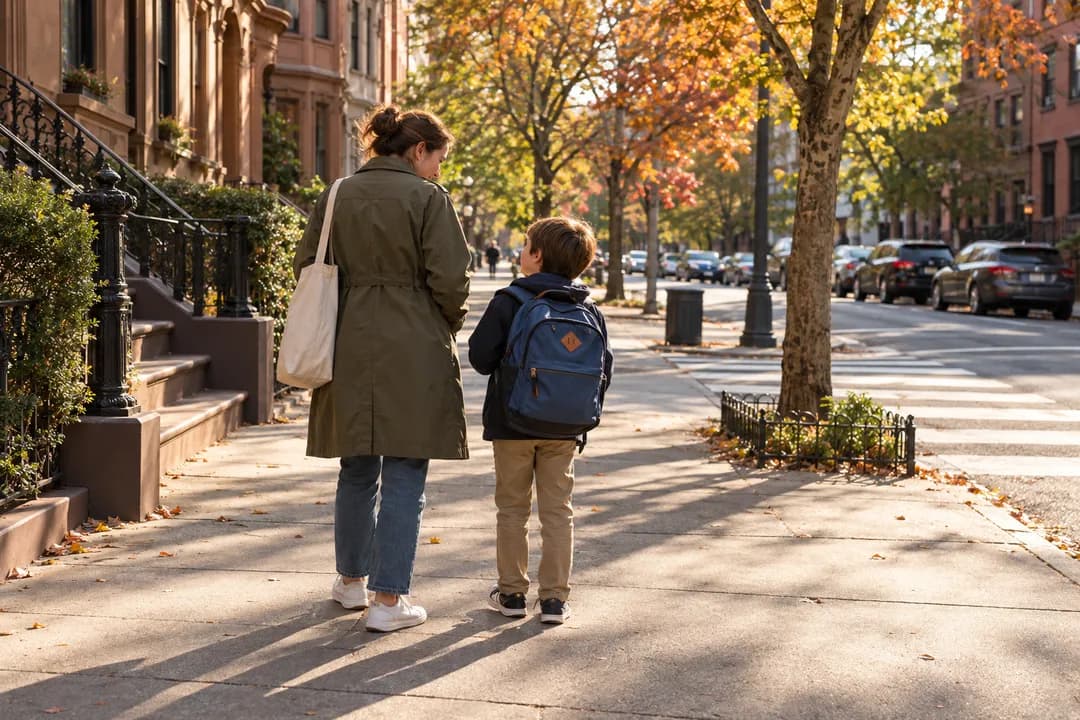
NYC Family Outing Planner: After School Without the Rush
Build an NYC after-school outing around pickup, a snack and a firm return, then ask Karpo for one nearby idea that leaves homework and dinner intact.
An after-school outing begins at pickup and ends when the family is home, not when the activity finishes. For an NYC family outing planner, that makes the return time the most useful starting point. Work backward from dinner, homework or an evening commitment, then decide whether an activity fits at all. Use the Karpo APP to describe the small window you actually have and ask for one manageable idea, rather than turning a weekday into a compressed weekend itinerary.
Find the usable window between two real commitments
Write down when the child is released and when you need to be back. Subtract the journey home before considering entertainment. The remaining time still includes getting organised, reaching the activity and leaving it. A plan that uses every minute depends on a day going unusually smoothly. Keep some space for ordinary delays, even if that means choosing something smaller. The aim is a pleasant change of scene that fits into family life.
Use your own schedule for these calculations. For example, a family might have ninety minutes between pickup and needing to leave an area, but that does not mean ninety minutes of activity. Another family may have a longer window but a child who is already tired. These are illustrative planning cases. No school schedule, transit running time or local venue hours are implied. Your actual commitments are the inputs that make a recommendation relevant.
Let the child arrive before the outing begins
The first decision after school may be whether the child wants company, quiet or movement. Ask a simple question and give them time to answer. A child who was eager in the morning can feel different at pickup. You do not need to cancel automatically, but you can adjust the scale. A short shared walk or a snack outside can be enough of an outing when the alternative would involve pushing through fatigue to justify an ambitious plan.
Food, water and carrying a school bag affect the practical shape of the afternoon. Decide where the bag will be and whether the child can comfortably carry it through the proposed activity. Pack what your household normally needs rather than assuming that a destination will provide it. If the outing includes a place with bag or food rules, use those rules when making the choice. A spare plan should be simpler than the original, not another complicated destination.
Ask for an idea tied to pickup, not a citywide list
Choose an approximate starting neighbourhood when you message Karpo. A home address and the name of a child's school are unnecessary for an initial request. You could write: “We are starting near our pickup point in Brooklyn with a school-age child and a backpack. We want a brief activity before going straight home. Please suggest one idea that suits a low-energy afternoon.” Add the time boundary and the kind of activity the child enjoys.
If you already have a broad format in mind, say so. Looking at something interesting, moving outdoors and making something involve different levels of commitment. A request for ideas can help you narrow the format before choosing a specific place. Keep the scope local enough that the afternoon remains about doing something together. A recommendation across the city may be appealing on another day, but you can reject it simply because it does not fit this particular window.

Choose an activity you can leave gracefully
Some experiences have a natural short version, while others only make sense if you can stay for a full session. Ask yourself what would happen if you needed to leave earlier than intended. Would the child have had a complete experience, or would leaving interrupt the central activity? Favour the first kind for a weekday with a firm end. A brief plan should have a satisfying shape, rather than feeling like the beginning of something you cannot finish.
Avoid a timed class or ticketed session if its stated duration consumes the whole available window. The issue is the fit with your day, not whether that activity is good in general. Keep it as a possibility for another occasion. An outing you can shorten without losing its purpose gives you room to respond to the child. It also reduces the temptation to rush the journey or turn the return into a negotiation over a commitment everyone already knew about.
Make the homeward cue visible
Tell the child what will happen immediately before leaving. A last drawing, a final turn or finishing the snack can make the endpoint understandable. If you use a clock, explain the time in a way the child can follow. Do not promise another round after announcing the final one. A dependable ending can matter more than squeezing in a few extra minutes, especially when the next part of the evening is already waiting.
Separate the end of the outing from a judgement about behaviour. Going home because the planned window has ended is ordinary. It does not have to mean someone was difficult or the experience failed. If the child wants to return, write that down as useful information for a future plan. You have learned which activity held their attention. That is a better reason to plan another visit than making an immediate promise that creates a new scheduling problem.
Keep homework and dinner out of the tradeoff
Decide in advance what remains fixed after the outing. If homework needs a quiet period, protect it in the schedule instead of assuming the work will become faster because the afternoon was enjoyable. If the family eats together, include the preparation or travel that requires. Adults can choose to change those arrangements, but the change should be deliberate. A weekday outing works when the whole evening remains manageable for the people involved.
It is reasonable to skip the activity if the usable window disappears. You can still take a different route home, talk about the child's day or save the request for another afternoon. None of those choices needs to become a consolation prize. A good planner helps you see when the right amount is small. Asking for a shorter version is a practical revision, not a requirement to rescue every plan with another purchase or a new destination.
Practical Notes: leave with one clear instruction
Prepare the planning message before pickup if that makes the day easier, but let the child's condition influence the final decision. State your starting area, the point when you need to head home and whether you want an indoor or outdoor format. Request an option that stands on its own. In the app conversation, you can explain what did not fit in a suggestion and ask for an alternative with a shorter commitment.
Once you choose, keep the final note brief: what you are doing, how you will reach it, the departure cue and the journey home. Provider information should establish any admission condition the plan depends on. Your own schedule establishes the deadline. With those decisions made, the outing can feel like a welcome part of an ordinary school day. There is no need to fill every gap between pickup and bedtime to make the afternoon worthwhile.
Ask Karpo for more information.
Keep reading
- Fort Greene Holiday Market Browsing Guide for Young Shoppers
 DUMBO Holiday Market Browsing Guide for Gifts to Mail Home
 Midtown East Holiday Market Browsing Guide for Commuters