Brooklyn's tea culture has quietly evolved past the coffee-shop matcha latte. By late May 2026, a handful of deliberate, reservation-required spaces have emerged—venues where tea is neither accessory nor Instagram prop but the choreographed center of a two- or three-hour experience. These aren't cafés. They're ceremony rooms, fermentation labs, and one rooftop garden where Camellia sinensis grows improbably well in Zone 7b. The scene skews formal, occasionally precious, but the practitioners are serious, the rituals legible, and the silence—when it arrives—worth the subway ride.
Japanese tea ceremony rooms with kaiseki pairings
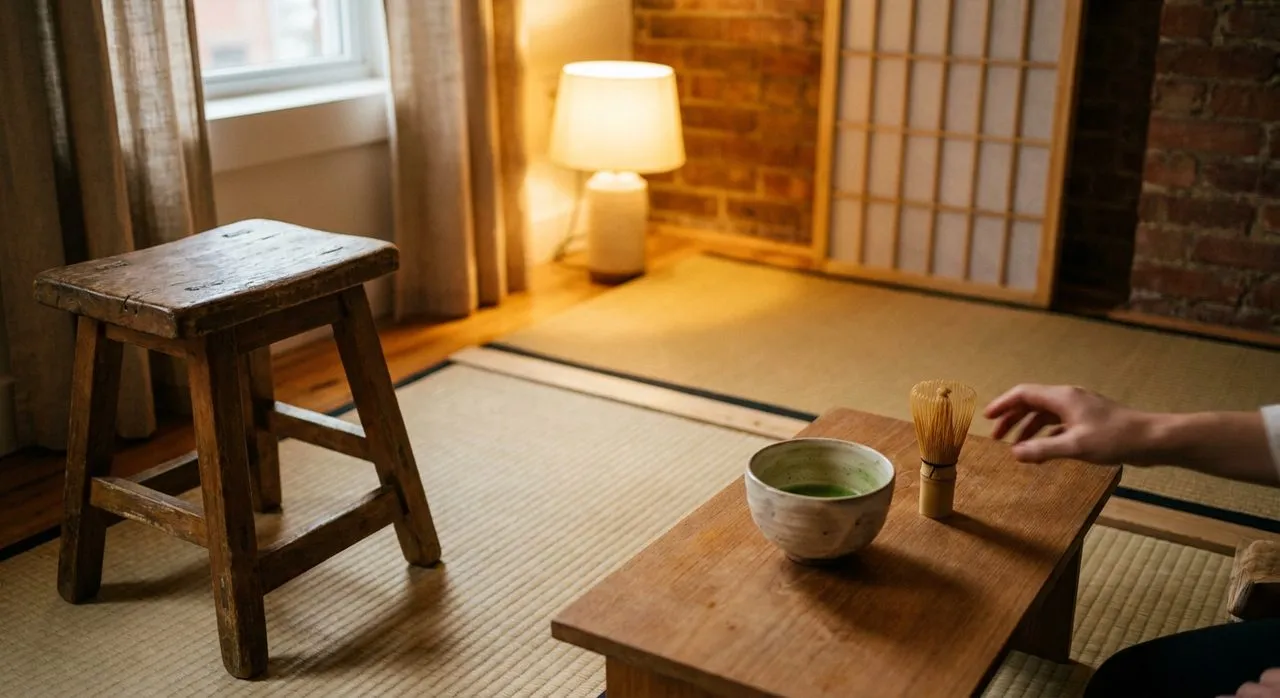
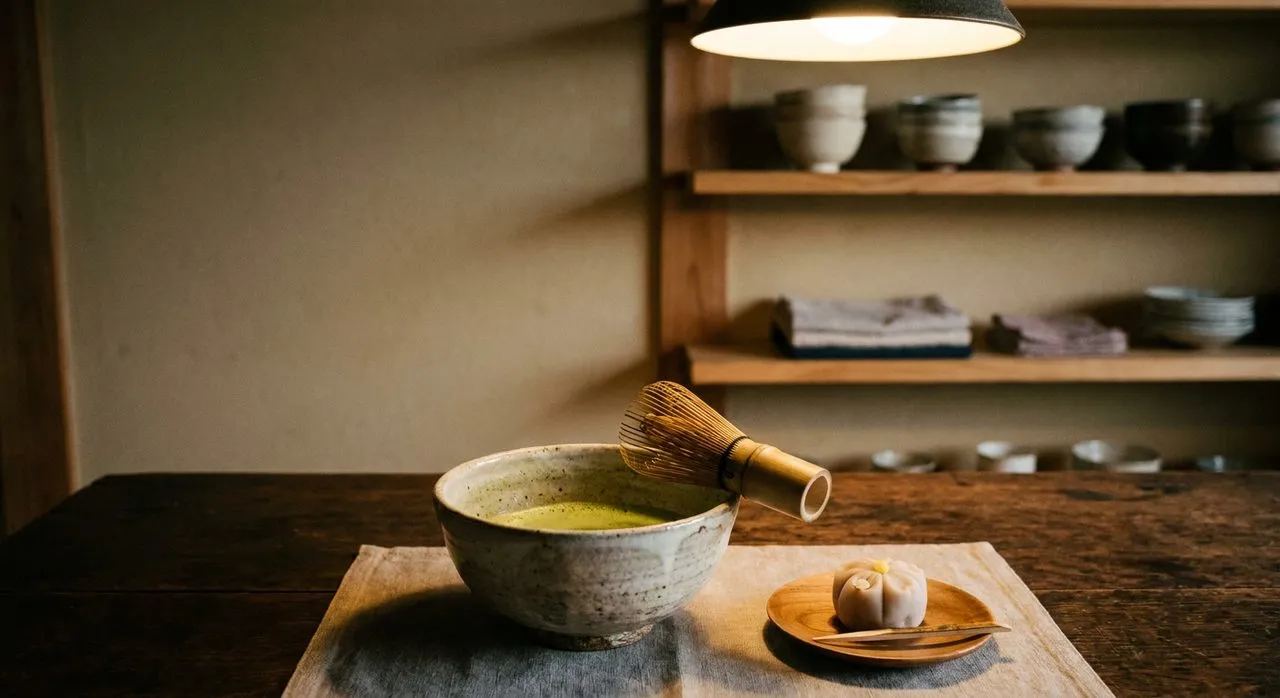
Two ceremony spaces in Greenpoint and Williamsburg now offer seasonal chanoyu sessions led by certified tea practitioners trained in the Urasenke tradition. Both require advance booking—often two weeks out in late spring—and seat no more than six guests per ceremony. The rooms themselves are study in restraint: tatami mats, low cedar tables, shoji screens admitting diffuse north light. The ceremonies run ninety minutes to two hours, beginning with a thin usucha and progressing to thick koicha, each whisked in silence punctuated only by the hiss of the cast-iron kettle.
The kaiseki element is minimal but considered—three to five courses timed to the tea's astringency. Expect seasonal vegetables, a small grilled fish or tofu preparation, and rice with pickles. One Greenpoint room sources its matcha from a single Uji farm and rotates cultivars monthly; the other, near the Williamsburg waterfront, imports its ceramics directly from Kyoto and lets guests handle Raku tea bowls that cost more than most dinner bills. Both spaces ask that you arrive barefoot-ready and keep phones silent.
Chinese gongfu tea sessions and aged pu-erh tastings
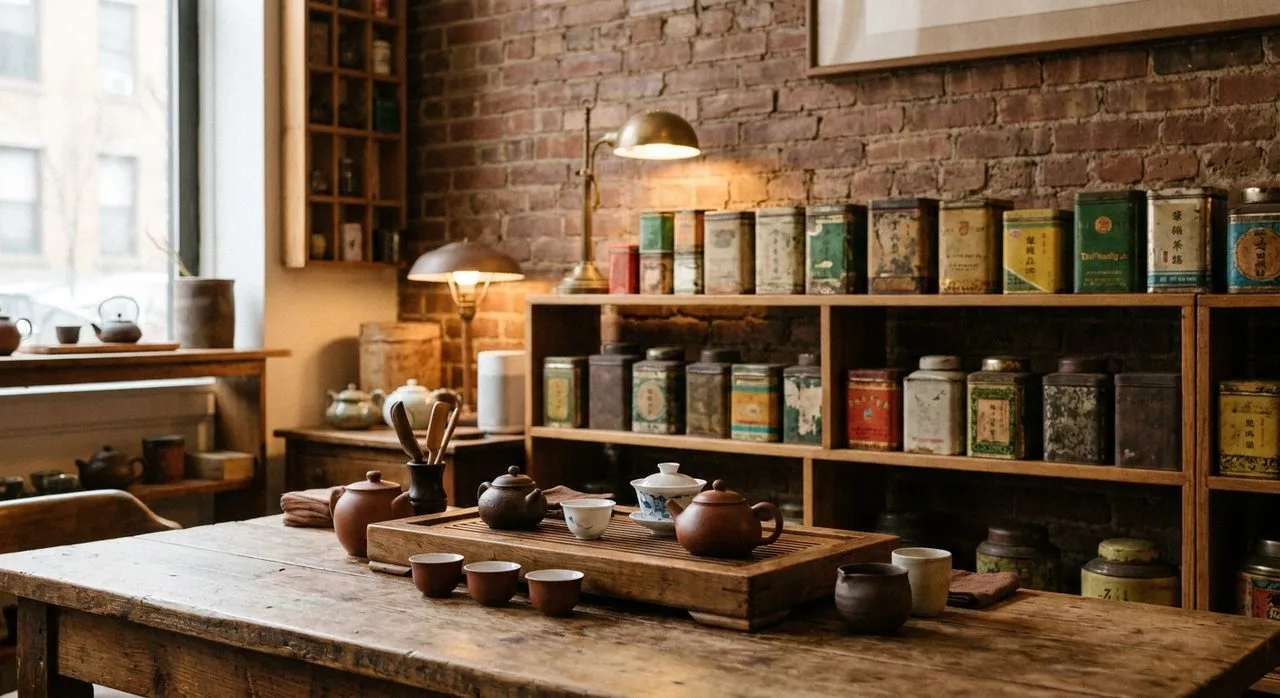
A small wave of gongfu tea practitioners has set up reservation-only studios in Sunset Park and Bushwick, focusing on oolong, aged pu-erh, and the occasional white tea from Fujian. These sessions are less ritualized than Japanese tea ceremony but no less exacting: short, repeated infusions using gaiwans or Yixing clay pots, each steep timed to the second. The tea evolves over eight to twelve infusions, moving from floral brightness to woody depth, and the host narrates provenance, fermentation, and storage conditions with the precision of a sommelier.
The Sunset Park studio—tucked above a dumpling supplier on Eighth Avenue—specializes in aged sheng pu-erh, some cakes dating to the early 2000s, their compressed leaves unfurling into a broth that tastes of wet stone and camphor. The Bushwick room leans into high-mountain oolongs and offers vertical tastings: same cultivar, same farm, three consecutive harvest years. Sessions run two hours, cost between seventy and one hundred twenty dollars, and include small snacks—candied lotus root, roasted seeds—to reset the palate. The learning curve is steep, but hosts are patient with first-timers.
The rooftop matcha studio with a working tea garden
On a Red Hook rooftop, a matcha studio operates with an audacious premise: grow tea plants in Brooklyn and use the leaves for demonstration harvests. The garden—maybe two hundred square feet—hosts thirty Camellia sinensis var. sinensis shrubs that somehow tolerate winter with heavy mulching and row covers. By late May, the spring flush is over, but the plants are lush, their leaves glossy under the marine light that bounces off the harbor. The studio's founder, a former landscape architect, admits the yield is symbolic—most matcha still comes from Japan—but the pedagogy is real.
Sessions here are less ceremonial, more workshop: guests learn to whisk matcha properly, taste three grades side by side, and, weather permitting, walk the garden rows while discussing shade cultivation and harvest timing. The studio also runs an all-day beverage program—matcha espresso, cold-whisk matcha, and a hojicha soft-serve that sells out by two p.m. on weekends. Reservations are required for the two-hour workshops; the café counter is walk-in only. The wind up here can be fierce, even in May, so bring a light jacket.
Fermented tea bars and kombucha hybrids
Brooklyn's fermentation obsession has naturally extended to tea. A small bar in Crown Heights now focuses exclusively on fermented and post-fermented teas—pu-erh, liu bao, and a few experimental batches involving local honey and wild yeast. The space is dim, wood-heavy, and smells faintly of earth and vinegar. The proprietor, who previously ran a natural-wine bar in Bed-Stuy, treats tea with the same low-intervention philosophy: minimal processing, wild fermentation, and a willingness to let some batches turn funky.
The menu lists teas by fermentation time and microbial culture. Some are clean and bright; others taste like a barn floor in the best possible way. There's also a hybrid program: kombucha made from high-grade oolong or white tea, force-carbonated and served in wine glasses. It's an acquired taste, but the regulars are devoted. Walk-ins are welcome, but weekend evenings book up fast. Expect to spend forty to sixty dollars for a tasting flight and small plates—pickled vegetables, aged cheeses—that complement the acidity.
What these spaces are not
None of these venues are casual. You will not find oat-milk matcha lattes, coworking tables, or Wi-Fi passwords scrawled on chalkboards. The ceremonies and sessions demand presence—phones away, conversation minimal until the host signals otherwise. Some practitioners are more dogmatic than others, but the through-line is a shared impatience with tea as backdrop. These are spaces built for people who want to sit still for ninety minutes and pay attention to the way heat and time transform a leaf.
That said, the scene is not hostile to beginners. Most hosts offer primer sessions or "introduction to gongfu" bookings at a lower price point. The matcha studio in Red Hook is the most forgiving entry point—less ritual, more tactile learning, and the rooftop garden offers an easy conversation starter. If you're uncertain where to begin, start there, then work your way toward the deeper formality of chanoyu or aged pu-erh. The investment—both financial and attentional—is real, but so is the payoff.
Practical notes
The Japanese tea ceremony rooms in Greenpoint and Williamsburg are near the G train (Greenpoint Avenue, Nassau Avenue stops); street parking is difficult on weekends. The Sunset Park gongfu studio is located in Sunset Park; verify the exact address and transit access directly with the venue. the Bushwick location is closest to the L at Jefferson Street. The Red Hook matcha studio is in Red Hook; verify the exact address and transit access directly with the venue. The Crown Heights fermented tea bar is in Crown Heights; verify the exact address and transit access directly with the venue. All spaces require advance reservations—book at least one week ahead for May weekends, two weeks for the Japanese ceremony rooms. Most venues are up steep stairs; call ahead for accessibility details. Wear comfortable, modest clothing; some spaces request that you remove shoes. Verify hours directly before visiting, as several operate limited schedules.
Tags: #ExperimentalTea #BrooklynTea #TeaCeremony #GongfuTea #MatchaStudio #FermentedTea #JapaneseTeaCeremony #ChineseTea #RedHookBrooklyn #GreenpointEats #TheOddEdit #NYCFoodScene #May2026 #TeaCulture #KaiserAndMatcha
Please drink responsibly. Must be of legal drinking age.
Sources consulted: Japanese Tea Ceremony · Gongfu Tea Ceremony · Time Out New York Restaurants · New York Times Food · Brooklyn Neighborhoods
All trademarks are the property of their respective owners.