 Williamsburg Pierogi Lunch Spot Picker for Mixed Diets
Restaurants
Ethiopian Restaurant Near Me in Morningside Heights: Massawa Dining Guide
A Morningside Heights guide to Massawa, NYC's oldest operating Eritrean and Ethiopian restaurant on Amsterdam Avenue, serving authentic stews and injera since 1988.
If your search for an authentic Ethiopian restaurant near me leads you uptown toward Morningside Heights, Massawa stands as New York City's historic gold standard. Operating continuously on Amsterdam Avenue since 1988, this beloved family establishment is celebrated as the oldest operating Eritrean and Ethiopian culinary landmark in the five boroughs. Stepping inside reveals a dining institution where four decades of neighborhood history, academic gatherings, and East African cultural traditions intertwine seamlessly over steaming platters of injera and slowly simmered stews.
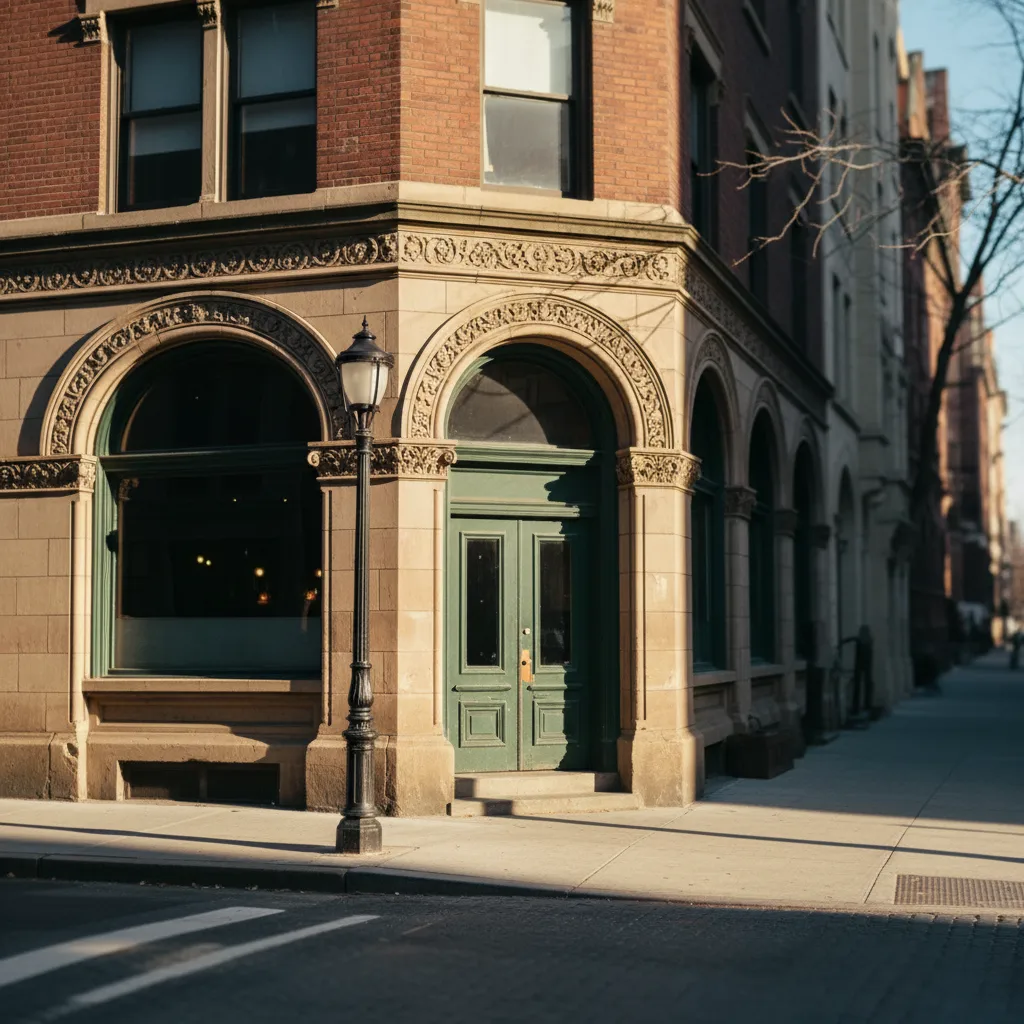
Getting to Massawa is very straightforward for diners traveling from Midtown or the Upper West Side. Located at 1239 Amsterdam Avenue on the corner of West 121st Street, the restaurant is only three short blocks from the 116th Street–Columbia University station on the 1 subway line. Guests traveling via the A, B, C, or D subway lines can disembark at 125th Street and take a pleasant eight-block walk south past historic brownstones and leafy university residential squares.
What elevates Massawa above newer dining spots is its four decades of culinary consistency and authentic dual heritage. The kitchen honors both Eritrean coastal and Ethiopian highland traditions, utilizing time-honored slow-cooking methods that allow earthy cloves, cardamom pods, and roasted chili peppers to meld gently into luscious, silky gravies. Every dish is seasoned with bespoke spice mixtures ground on site according to founding recipes, producing deeply comforting layers of flavor that avoid overpowering heat while celebrating rich savory aromatics.
The kitchen's undisputed pride is the savory Zigni Berbere, priced at twenty-three dollars. This traditional beef stew features tender chuck steak cubes simmered for hours in rich berbere sauce with shallots, garlic, and spiced clarified butter until the meat falls apart effortlessly at the touch of warm injera. The resulting mahogany sauce coats the palate with complex warmth, carrying subtle notes of korarima and fenugreek that reflect patient hours of slow reduction over gentle kitchen flames.
Poultry enthusiasts should sample their renowned Tebsi Derho for twenty-two dollars, made with boneless chicken breast morsels sautéed rapidly with sliced tomatoes, green bell peppers, jalapeños, and fresh rosemary sprigs. The quick sear locks in juiciness while the pan juices create a fragrant dipping sauce for bread. The herbal punch of mountain rosemary combined with the gentle fire of fresh green peppers creates an invigorating balance that contrasts beautifully with slow-simmered stews.
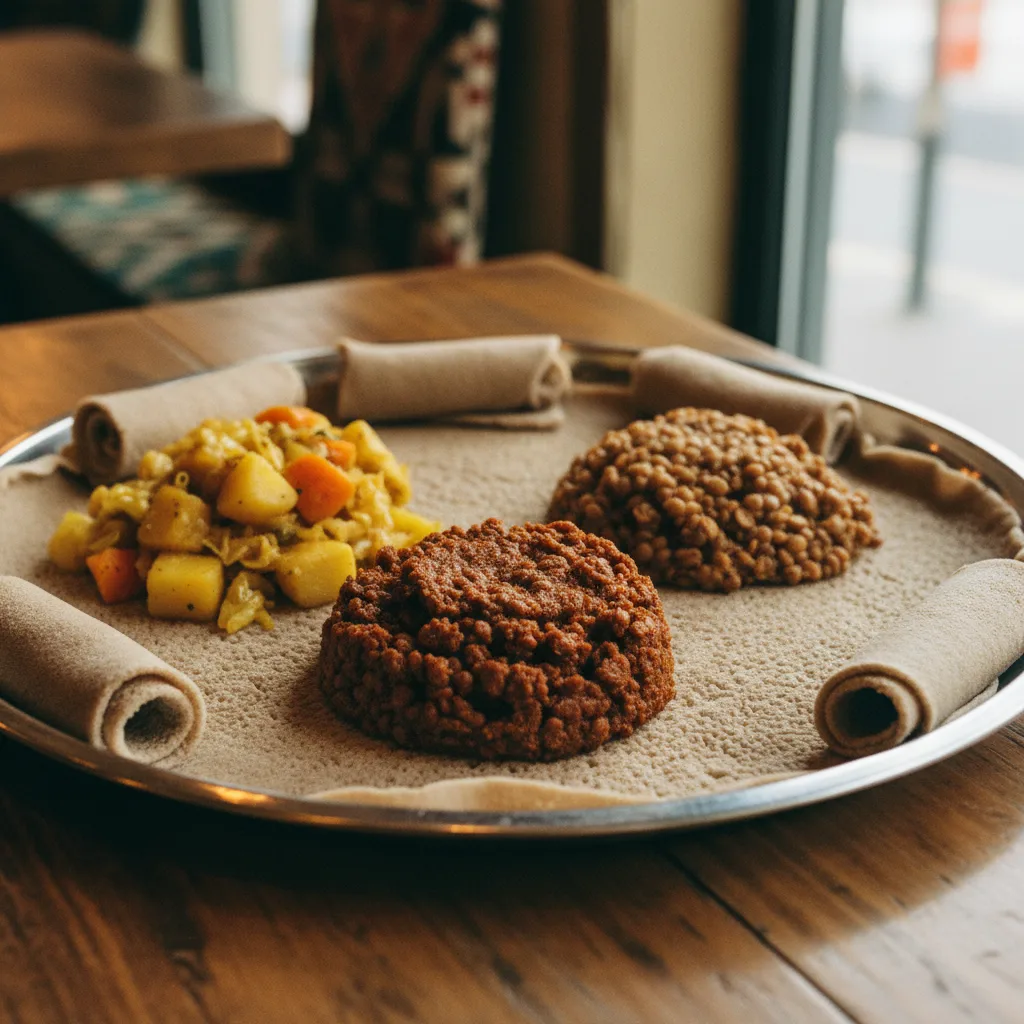
Vegetarian and vegan diners are exceptionally well served by the Nay Tsom Vegetarian Platter for twenty dollars. It showcases Alicha with tender curried potatoes and carrots, Timtimo red lentils spiced with ginger, Tsebhi Hamli stewed spinach, and a crisp, chilled cucumber salad dressed with lemon and olive oil. Every component provides a different textural experience, from the silky creaminess of the lentils to the tender bite of the stewed root vegetables, creating a nourishing plant-based feast.
To complement the robust spice profiles of your meal, order a pot of spiced Ethiopian tea for five dollars or imported St. George lager beer for eight dollars. The warm tea blends whole cinnamon bark and crushed cardamom seeds, offering a deeply soothing finish that aids digestion after a feast. For those who enjoy wine, the house pours traditional sweet honey wine tej alongside a curated selection of light-bodied European reds that pair well with berbere-spiced braised meats.
At Massawa, communal eating remains central to the experience, with courses served together on large circular platters lined with fresh teff injera. Guests tear generous portions of injera with their fingers to scoop up stews, practicing the respectful art of gursha where companions feed one another special bites. The ritual encourages guests to slow down, disconnect from daily distractions, and enjoy conversation across the table in an unhurried, genuinely restorative dining environment.
Because of its proximity to Columbia University and Manhattan School of Music, Massawa fills rapidly on weekday evenings after six-thirty with faculty, students, and neighborhood families. Arriving during the weekday lunch hour between eleven and one ensures quiet service and sunny window tables overlooking Amsterdam Avenue. Early weekend dinners around five in the afternoon are also wonderfully tranquil, offering peaceful dining before the lively evening rush packs the tables.
The restaurant accepts reservations by phone for parties of four or more, while smaller parties are accommodated quickly on a walk-in basis. The dining room offers spacious wooden tables and booths that comfortably seat academic reading groups, family celebrations, or intimate solo diners immersed in a good book. The seasoned front-of-house staff manages peak hours smoothly, ensuring that guests waiting briefly for tables are welcomed warmly and seated without undue delay.
The interior of Massawa exudes cozy vintage uptown charm, characterized by polished dark hardwood floors, exposed brick accents, and handcrafted Eritrean artwork. Soft jazz melodies float through the air, creating a contemplative and welcoming sanctuary away from the rapid pace of northern Manhattan streets. Framed historic maps and vintage photographs from the Red Sea coast adorn the walls, giving the dining room a sense of timeless cultural connection and historic dignity.
Founded by Almaz Tesfamariam in 1988, Massawa took its name from the ancient Red Sea port city of Eritrea. Over the past thirty-eight years, multiple generations of the family have tended the kitchen, preserving ancestral recipes while maintaining deep philanthropic bonds with the surrounding Morningside Heights neighborhood. The restaurant has witnessed generations of university scholars complete degrees, return as professors, and bring their own children to experience the same authentic flavors.
Pairing a meal at Massawa with a walking tour of the neighborhood makes for an enriching cultural afternoon. You are within a few blocks of the majestic Cathedral of St. John the Divine, the neoclassical Columbia University campus, and the peaceful scenic bluffs of Morningside Park. Exploring the grand architecture along Riverside Drive or sitting beneath the canopy of Sakura Park adds a serene, historic dimension to your dining outing.
From a practical perspective, Massawa accepts credit cards, debit cards, and cash. Street parking can be difficult along Amsterdam Avenue due to university traffic, making subway travel preferable, and the restaurant features a step-free entrance that provides easy access for strollers and mobility aids. The staff gladly accommodates gluten-sensitive diners with 100% teff injera upon request and packages takeout orders with careful insulation to keep stews hot and fresh.
Ask Karpo for more information.
Keep reading
- Williamsburg Pierogi Lunch Spot Picker for Mixed Diets
 Brighton Beach Pierogi Lunch Spot Picker for Photographers
 Ridgewood Pierogi Lunch Spot Picker for Apartment Hunters