 Rolex Watch Repair Shop on Fifth Avenue: Rolex USA New York
Hidden Gems & Odd Finds
Erewhon NYC: What We Know About the East Coast Debut
The California grocer hasn't announced a New York location yet, but speculation and real-estate rumors are piling up.
A friend texts you a screenshot: someone claims Erewhon NYC is opening in SoHo next month. You search, find nothing official, then see three more posts swearing it's Williamsburg, then Tribeca. This cycle has been running for two years. Erewhon—the Los Angeles-based luxury grocer famous for twenty-dollar smoothies, immaculate organic produce, and a cultish following among wellness influencers—has never confirmed a New York City location, yet the speculation refuses to die.
When Erewhon NYC finally opens—or if you're tracking down similar health-focused grocers in the meantime—text Karpo for a live subway route, current hours, and a backup if your first choice is mobbed.
Why the rumor mill keeps spinning without confirmation
The mistake most people make is treating real-estate gossip as an opening timeline. A commercial lease filing or a LinkedIn job post does not mean shelves will be stocked in sixty days. Erewhon operates nine California stores and recently entered the Florida market, but every rumored erewhon nyc east coast debut has evaporated under scrutiny. The company has not issued a press release, tagged a New York address on social media, or applied for a visible liquor license in Manhattan or Brooklyn. What we actually know is narrow: Erewhon's parent company has acknowledged interest in East Coast expansion, and New York real estate is expensive enough that any serious grocer scouts for years before signing.
The hype itself is worth understanding. Erewhon is not Whole Foods at a higher price point; it is a deliberate theater of aspiration. The stores carry hard-to-source supplements, sell prepared food that photographs like magazine styling, and function as social spaces where running into someone matters. That model thrives in Los Angeles neighborhoods where parking is easy and rent can support thin margins on perishable inventory. Replicating it in New York City—where ground-floor retail commands stratospheric per-square-foot costs, delivery trucks fight for curb space, and customers expect to grab dinner on foot between subway and apartment—is a different engineering problem. The fact that Erewhon has been quiet suggests they are either moving very carefully or not moving at all.
Which neighborhoods could actually support the format
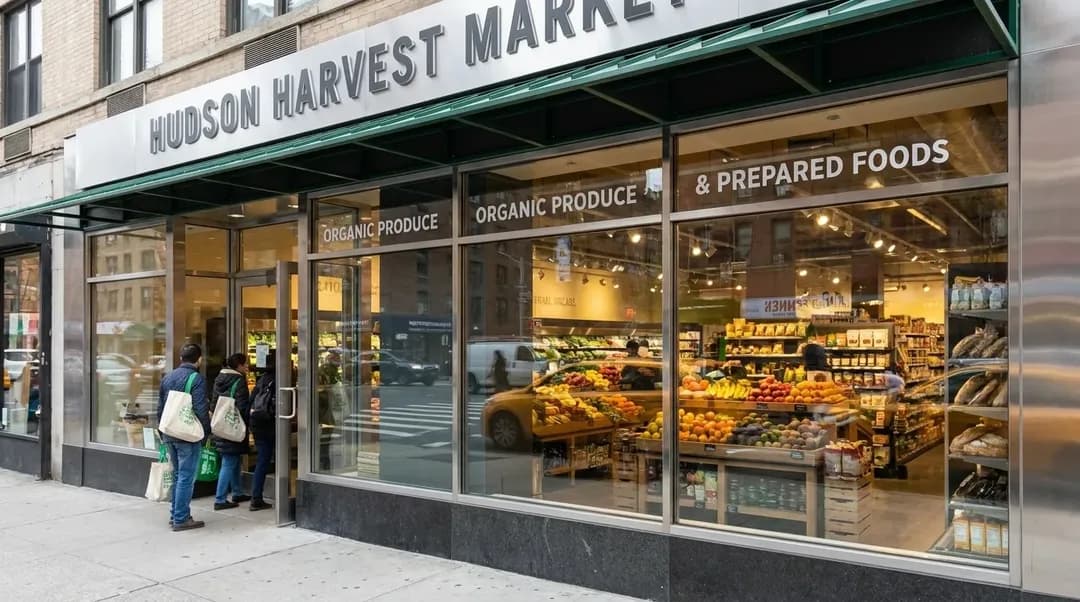
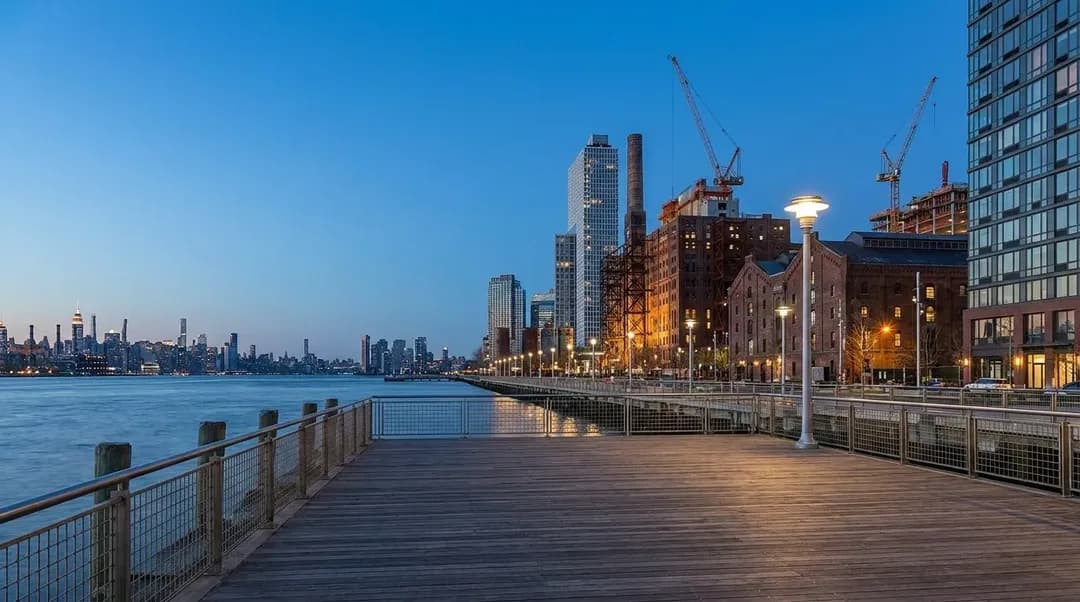
If Erewhon does arrive, the location will telegraph everything about whether the model can survive New York density. SoHo and Tribeca have the daytime foot traffic and the disposable income, but ground-floor spaces large enough for a full grocery format are rare and require gut renovations that add months to any timeline. Williamsburg near the waterfront has the right demographic and the aesthetics to match Erewhon's brand, but the L train is the single point of failure for half your customer base; any service change sends people to different shopping corridors entirely.
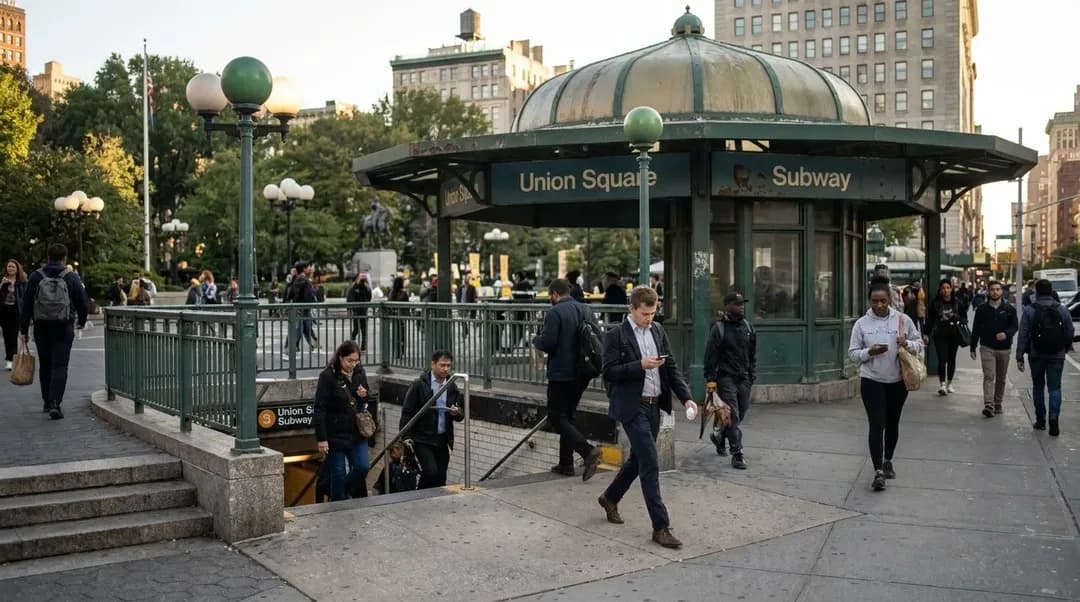
The Union Square area is the most plausible anchor. It already supports Whole Foods, Trader Joe's, and a dozen specialty grocers within a ten-block radius, and it sits at the intersection of the 4/5/6, L, N/Q/R/W, and the 14th Street crosstown bus. A customer coming from Bushwick on the L can transfer to the 6 at Union Square and still feel like the trip was a straight shot. The mistake is assuming that density equals easy logistics: the same crowding that delivers customers also clogs sidewalks, and any Erewhon NYC would need a loading dock that doesn't block a bike lane or a bus stop. The city's commercial waste rules and narrow delivery windows make California-style just-in-time perishable inventory harder to execute.
A less-discussed option is the Upper East Side, where several European grocers have quietly succeeded with high-price, small-footprint formats. The neighborhood has rent cushion, less turnover, and customers who already pay premium prices at Citarella and Grace's Marketplace. It would be a slower build than a Williamsburg splash, but it would avoid the transfer risk and the hype cycle that turns every new opening into an hour-long line.
Who should skip the pilgrimage if it opens
Erewhon is not a grocery store for people who need to buy groceries. If you are comparison-shopping for oat milk or stretching a weekly budget, the prices will feel punitive, not aspirational. A prepared grain bowl that costs twenty-two dollars is a choice, not a meal plan. The audience is people who want the edit—the curation, the brand alignment, the in-store experience—and are willing to pay for the time saved not thinking about whether the supplements are sourced correctly.
It is also not for anyone who values speed. Erewhon stores in Los Angeles are beautiful, but they are not built for a New Yorker's pace. The aisles invite browsing; the checkout lines move at the speed of someone reading every label. If you are trying to grab dinner ingredients on the way home from work and you need to catch the 7 train back to Queens before the evening crush, you will spend more time inside than the train ride itself. The format works when shopping is the destination, not a task layered into a commute.
If you are chasing the smoothie specifically—the eighteen-dollar blend that shows up in every influencer's hand—understand that you are paying for theater, not nutrition that a twenty-five-dollar Vitamix at home cannot replicate. The Erewhon smoothie menu is a social object. It signals you were there, you participated, you have the disposable income to treat a blended drink as content. That is fine, but it is not a reason to cross two boroughs unless you already planned to be in the neighborhood.
What to verify before you plan a trip
As of now, there is no Erewhon NYC location to visit. If one is announced, the company will post it on their own website and social channels first—not through a leaked screenshot or a friend-of-a-friend tip. Treat any claim without an official address and opening date as speculative. Real-estate filings and job posts are early signals, but they are not opening confirmations; plenty of retail deals collapse after the first lease draft.
If you want the general experience Erewhon represents—high-end organic groceries, prepared foods that double as lifestyle signaling, a store that feels like a concept space—New York already has options that execute parts of the model. Foragers Market in Dumbo and Chelsea emphasizes local and organic sourcing in a smaller footprint. Westerly Natural Market on the Upper West Side has been serving the wellness-focused customer for years without the influencer crowds. Eataly, while Italian-focused rather than California wellness-coded, offers the theatrical grocery experience and the aspirational price point, and it has multiple locations with actual subway access.
The smartest move is to track what Erewhon does next in Miami, where they are currently expanding. If the Florida stores succeed outside the Los Angeles home market, the erewhon nyc rollout becomes more plausible. If they struggle with logistics, real estate, or customer behavior that does not match the California model, the New York debut may stay theoretical. In the meantime, confirm any opening announcement through the company's own channels, check the nearest subway line for weekend service changes, and have a backup plan if the first week turns into a ticketed-entry situation or a line that wraps the block. New York retail openings are rarely smooth, and a store that depends on perceived exclusivity will not rush to fix crowding if crowding is part of the brand.
Practical notes
- No confirmed Erewhon NYC location exists as of publication; verify any announcement through official company channels before planning a visit.
- If a store opens in Manhattan, expect subway service changes on weekends; check MTA alerts the morning of your trip.
- Opening week for hyped retail usually means long waits; visit mid-morning on a weekday if you want to browse without crowding.
- Prices run significantly higher than standard grocery chains—budget accordingly or visit as an experience rather than a shopping trip.
- Union Square and Upper East Side have the transit infrastructure to support a visit; Williamsburg depends entirely on L train reliability.
- Have a backup grocer mapped if the line or the prices do not match your expectations; Foragers, Westerly, or Whole Foods are all within a few stops.
Tags: #karpo #erewhonnyc #nycgrocery #wellnessnyc #theoddedit #luxurygrocery #nycfood #unionsquare #williamsburg #uppereastside #organicnyc #nycretail #eastcoastdebut #mtanyc #nyceats
Sources consulted: Erewhon official site · MTA service updates
All trademarks are the property of their respective owners.
Ask Karpo first
Before you trek across town for a rumored opening or a wellness grocer that might be worth the premium, text Karpo. It will confirm what is actually open today, pull current hours, and build you a live subway route that accounts for service changes. If your first choice is a zoo, it will surface a backup in the same category without the wait.
Ask Karpo for more information.
Keep reading
- Rolex Watch Repair Shop on Fifth Avenue: Rolex USA New York
 Watch Repair Shop Off Fifth Avenue: Bucherer TimeMachine
 Grand Central Watch: Watch Repair Shop Beside Track 38