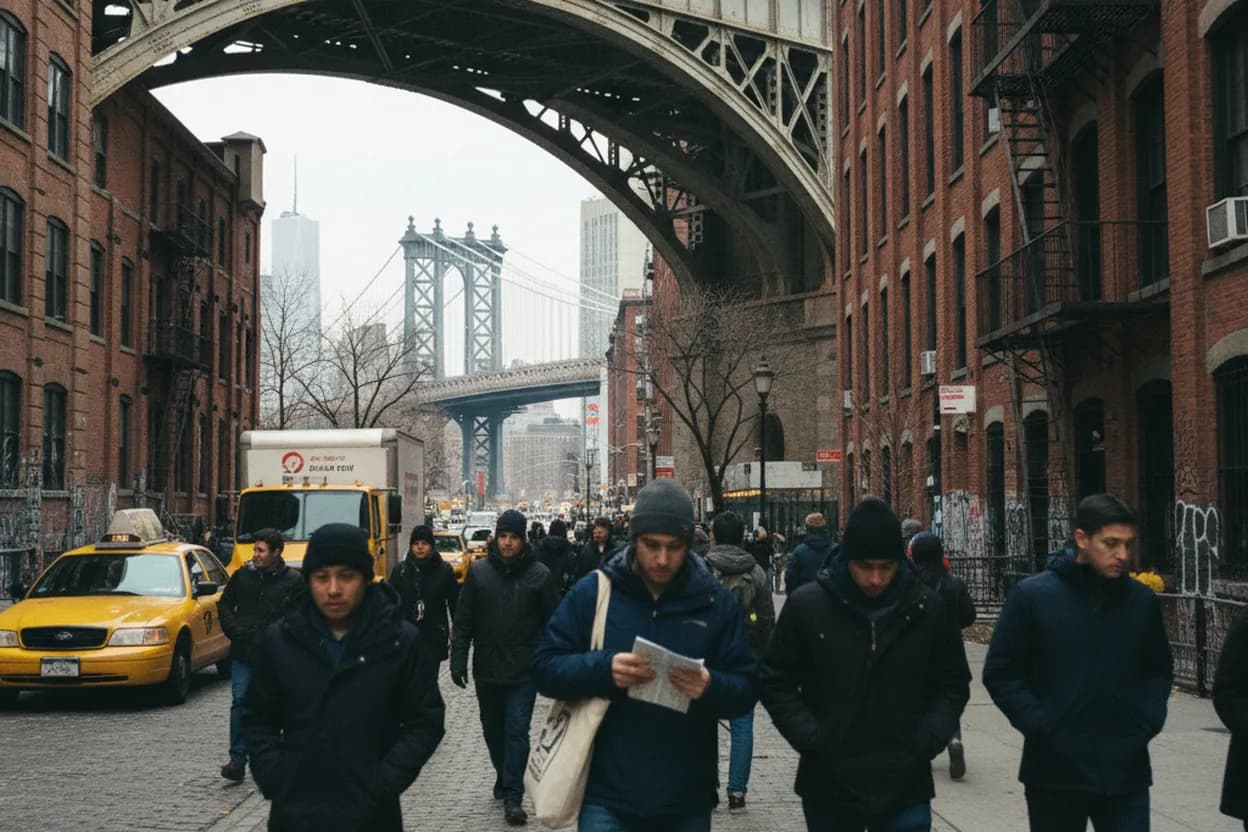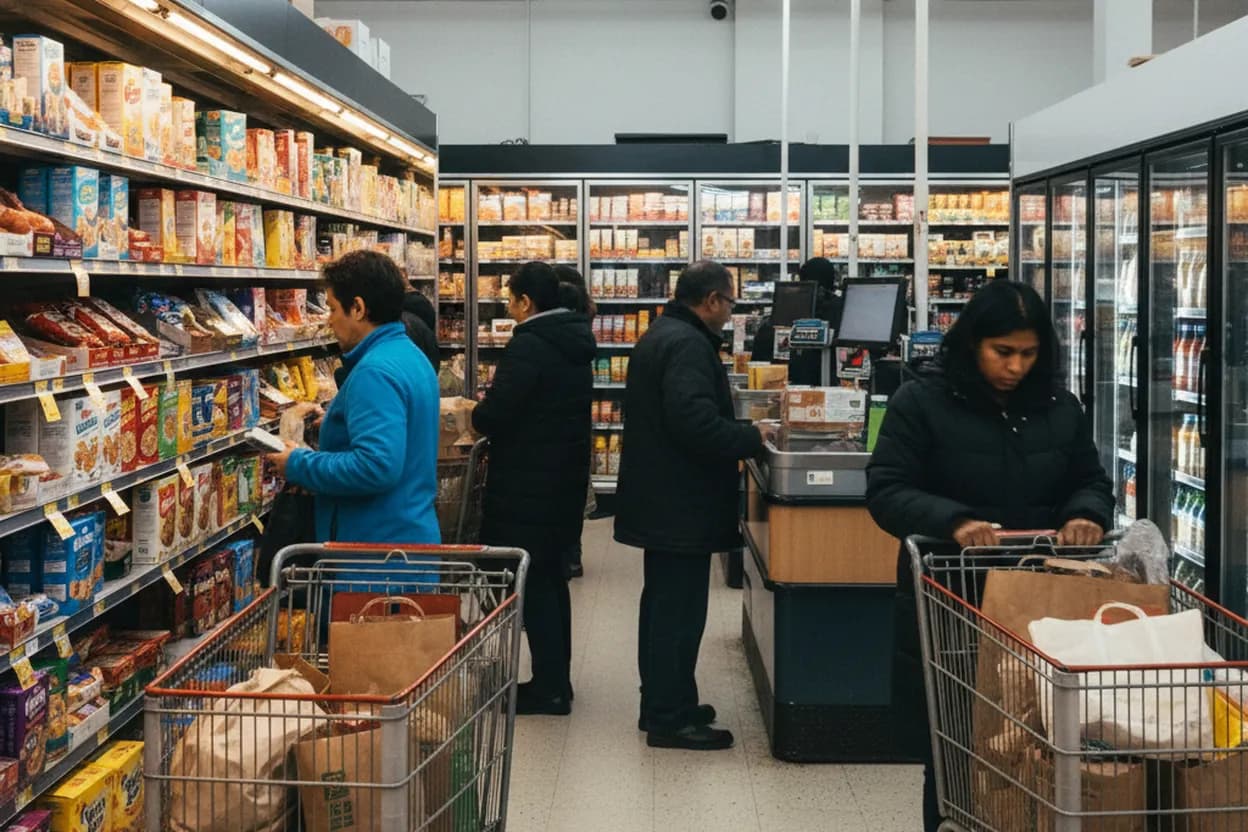
New Yorkers checking an egg recall need a slower, more exact workflow than a quick glance at the brand name. The FDA-posted recall from Midwest Poultry Services, dated July 22, 2026, covers specific white shell and brown cage-free shell eggs produced in Texas, with identifying codes P-1950 or 0840962 and Julian dates 157 through 184. The notice lists shipments to retail and foodservice customers in Texas, Oklahoma, Louisiana, and named grocery chains outside New York. That means NYC shoppers should not assume every carton is affected, but they also should not guess. Verify the carton, receipt, store source, and household risk before cooking.
Want a faster safety read before breakfast? Text Karpo with your carton code, store, borough, and purchase date for a practical NYC egg recall check.

Start With the FDA Recall, Then Match the NYC Carton
Use the FDA recall page as the baseline, not a reposted screenshot or a short social caption. The current notice identifies Midwest Poultry Services, L.P., possible Salmonella Enteritidis contamination, and the affected product types: white shell eggs and brown cage-free shell eggs. The deciding details are narrow. Recalled cartons have P-1950 or 0840962, plus Julian dates from 157 to 184. If your carton does not show either code, it does not match the FDA facts currently available.
The tradeoff is that NYC grocery buying is often indirect. Eggs may come from delivery substitutions, corner stores, roommates, office kitchens, or a family member’s shopping trip. If the carton is missing, the label is unreadable, or eggs were moved into a refrigerator bin, treat the check as unresolved. For households with young children, older adults, pregnant people, immunocompromised people, or anyone already sick, uncertainty should push the decision toward retailer verification or disposal.
Inspect the Carton Code at the Kitchen Counter
Place the carton under bright light and check the short sides, top edge, and date-code area for ink-stamped information. The FDA says only codes P-1950 or 0840962 with Julian dates 157 through 184 are included in this recall. The stamp can be faint, smudged, curved, or partly hidden by condensation, so take a phone photo and zoom in before deciding. Do not use shell color, egg size, cage-free language, or price as substitutes for the code.
If the code cannot be read, keep the eggs cold while you verify. Do not leave them out during a long customer-service call or while searching old orders. NYC kitchens are cramped, and shared fridges make accidental use more likely, so mark the carton clearly or move it to a separate bag. The backup is simple: if the code is unreadable and the purchase source cannot confirm the lot, do not cook from that carton.
Use Receipts, Grocery Apps, and Delivery Substitutions Together
Pull the paper receipt, loyalty account, delivery app invoice, or email confirmation and match the purchase date, brand, size, UPC, and store location against the FDA recall table. The FDA notice names Kroger, Simple Truth, Brookshire’s, Country Morning, Sunups, and bulk product descriptions, but it does not list New York retail distribution in the posted notice. That makes the source trail especially important for NYC shoppers buying through national platforms or third-party delivery.
The main pacing issue is waiting for lot-specific information. If breakfast, lunch prep, or baking is already underway, choose a backup food and leave the eggs isolated until you know. For families, one adult can check receipts while another prevents accidental cooking. If a delivery service substituted a different egg brand or size, verify the substituted carton, not the item originally ordered.
Call the Grocery Store With Lot Details Ready
When contacting a NYC grocery, lead with facts: purchase date, store branch or delivery platform, carton size, brand, UPC if visible, plant code, and Julian date. Ask whether that store received any recalled Midwest Poultry Services lots and whether returns are available without the original receipt. A vague question such as whether the eggs are safe may not get a useful answer. A lot-code question is easier for a manager or supplier desk to escalate.
Accessibility matters during this step. If phone menus are hard to navigate, use chat, email, or an in-store customer-service desk during a lower-traffic daytime window. Bring a carton photo rather than carrying eggs across town if mobility, childcare, or transit makes a return difficult. If the store cannot confirm and the carton overlaps the FDA recall details, the practical decision is not to eat the eggs.
Choose Return, Disposal, or Normal Cooking Based on Evidence
The FDA notice says consumers with recalled products should not consume them and should return them to the place of purchase for a refund. That is the cleanest route when your carton matches the affected codes and dates. If returning requires a long subway ride, mobility strain, childcare juggling, or carrying leaking food, discarding the carton may be the better safety choice. Bag it securely so nobody retrieves it by mistake.
If the carton does not match the recall, normal egg safety still applies. USDA guidance says to buy eggs from refrigerated cases, avoid cracked shells, refrigerate promptly at 40 degrees F or below, and keep eggs in the carton in the coldest part of the refrigerator, not the door. USDA also advises cooking eggs until whites and yolks are firm, and cooking casseroles or egg dishes to 160 degrees F.
Clean the Fridge Shelf Where Questionable Eggs Sat
A useful recall check includes the surfaces the carton touched. CDC guidance notes that contaminated food can spread germs through hands, utensils, cutting boards, and kitchen surfaces, and that contaminated food may look, taste, and smell normal. If a suspect carton sat on a shelf, clean that contact area with hot, soapy water and follow with an appropriate kitchen-safe sanitizer for the surface. Wash hands after handling the carton, bag, receipt, or trash.
Do not turn this into an apartment-wide deep clean unless there was a spill. Focus on the refrigerator shelf, counter spot, reusable egg holder, bowls, and utensils that touched raw egg. If raw egg leaked onto produce packaging or a drawer liner, separate those items while cleaning. In a shared household, label the carton “do not use” while verification is pending so another person does not cook from it.
Escalate Symptoms and Recheck Official Pages Before Buying Again
Watch symptoms, not just headlines. FDA describes fever, diarrhea, nausea, vomiting, and abdominal pain as possible Salmonella symptoms, with more serious risk for young children, frail or elderly people, and people with weakened immune systems. NYC Health says residents who think they became sick after consuming contaminated food can call 311 or submit a complaint, and should call a doctor for high fever, blood in stool, prolonged vomiting, dehydration, or diarrhea lasting more than three days.
Before buying replacement eggs, make one final verification step: reopen the FDA recall page and FDA food recalls page on July 28, 2026 or later, because recall scope can change. Check any shelf notice at the store, scan the carton code before checkout, and keep the receipt until the eggs are used. If official pages still do not list New York distribution, that is helpful context, but the carton code remains the deciding evidence.
Tags: #NYCEggRecall #EggRecall #FoodSafety #NYCGroceries #GroceryCheck #Salmonella #FDARecall #KitchenSafety #FamilySafety #NYCParents #RestaurantSafety #AskKarpo #BeforeYouGo #KarpoNYC
Sources consulted: Source 1: fda.gov · Source 2: fda.gov · Source 3: fsis.usda.gov · Source 4: cdc.gov · Source 5: health.ny.gov · Source 6: nyc.gov
All trademarks are the property of their respective owners.
Ask Karpo first
Tell Karpo your date, group size, budget, and starting neighborhood. We’ll check current access, timing, transit, and the cleanest plan for Various NYC grocery stores before you head out.