 Best Trick or Treating Neighborhoods Near Me: Park Slope
Neighborhood Guides
The East River Ferry Full Loop: A $4 Tour Locals Use as a Cruise
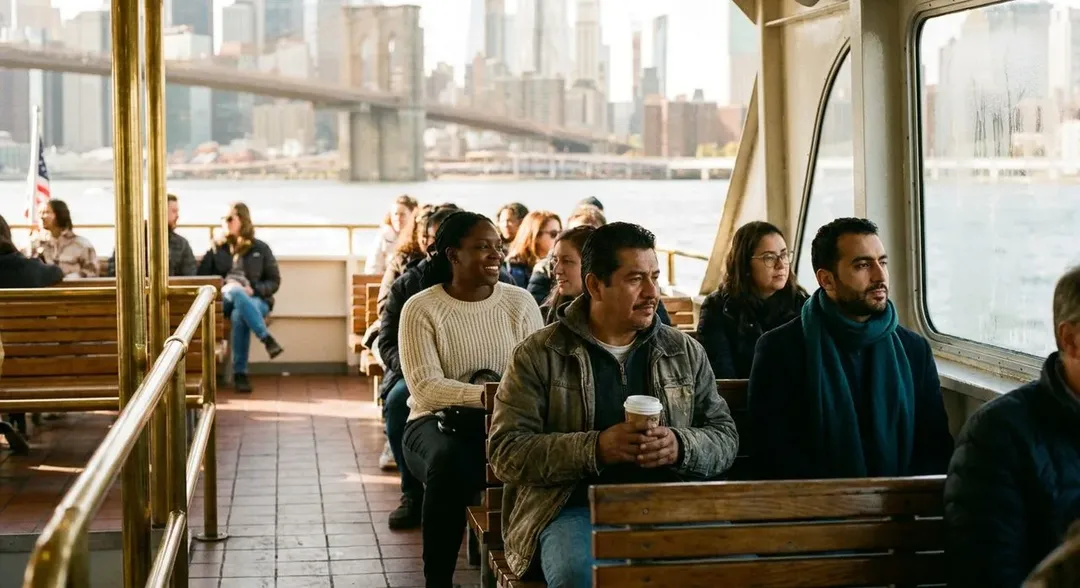
The NYC Ferry's East River route isn't commuter transport for those who know better—it's the city's cheapest sightseeing cruise. Ride it end to end on a Tuesday at 2 p.m., top deck port side, and you'll have the entire span of bridges to yourself.
The route nobody rides completely
Most passengers treat the East River Ferry as intended: a commuter shortcut between Williamsburg and Wall Street, or a quick hop from Dumbo to Midtown. They board at one neighborhood, scroll through their phones for twelve minutes, and disembark without looking up. You're going to do the opposite. Board at Pier 11/Wall Street around 2 p.m. on a weekday—after the lunch crowd, before school pickup—and stay on through the entire northbound run to Astoria, then back down to Long Island City. The full loop takes roughly ninety minutes. For $2.75 each way, you've just bought what tourists pay $40 for on those red-and-white Circle Line boats, except you'll share the top deck with maybe four other people who've figured out the same trick.
Why port side, northern routes
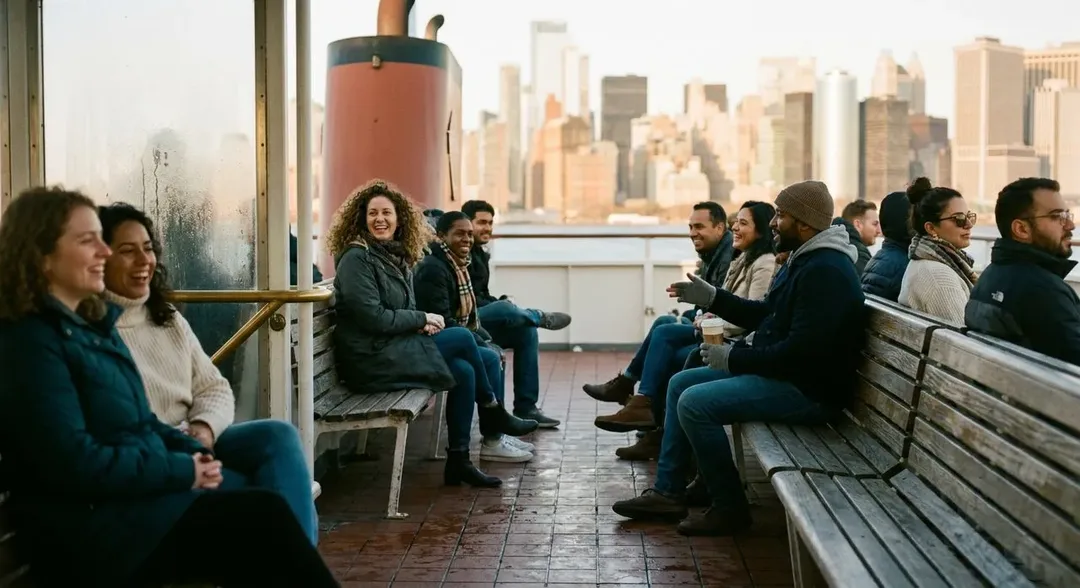
The veterans know: port side northbound gives you the Manhattan skyline in full theatrical sweep, with the bridges as your scene changes. Starboard shows you Brooklyn and Queens—fine neighborhoods, but static compared to the shifting architecture of Manhattan's eastern edge. Claim a spot on the left side bench (facing forward) before the boat leaves Wall Street. The crew doesn't assign seats; first aboard gets the prime real estate. On the return southbound trip, switch to starboard to catch the late afternoon light hitting the Williamsburg and Manhattan Bridge cables. The top deck stays open year-round except in heavy rain. In winter, the enclosed cabin downstairs has USB charging ports under every fourth seat, but you didn't come here for warmth.
The bridge parade begins
Brooklyn Bridge appears first, three minutes after departure, its Gothic arches framing the gap between boroughs like a stone cathedral. The ferry passes directly beneath the span—close enough to see the pedestrian traffic overhead, the cyclists weaving between tourists stopped for photos. Manhattan Bridge comes next, its Beaux-Arts towers less celebrated but more elegant up close, especially the colonnade details invisible from land. Then Williamsburg Bridge, the workhorse of the three, its industrial steel lattice painted that specific shade of light blue that only shows its true color from the water. Each bridge gets roughly four minutes of approach, passage, and recession. Time it right and you'll catch the Manhattan-bound J train crossing Williamsburg as your ferry slides underneath. The M train on Manhattan Bridge is easier—those orange cars appear every eight minutes during midday.
Midday means empty
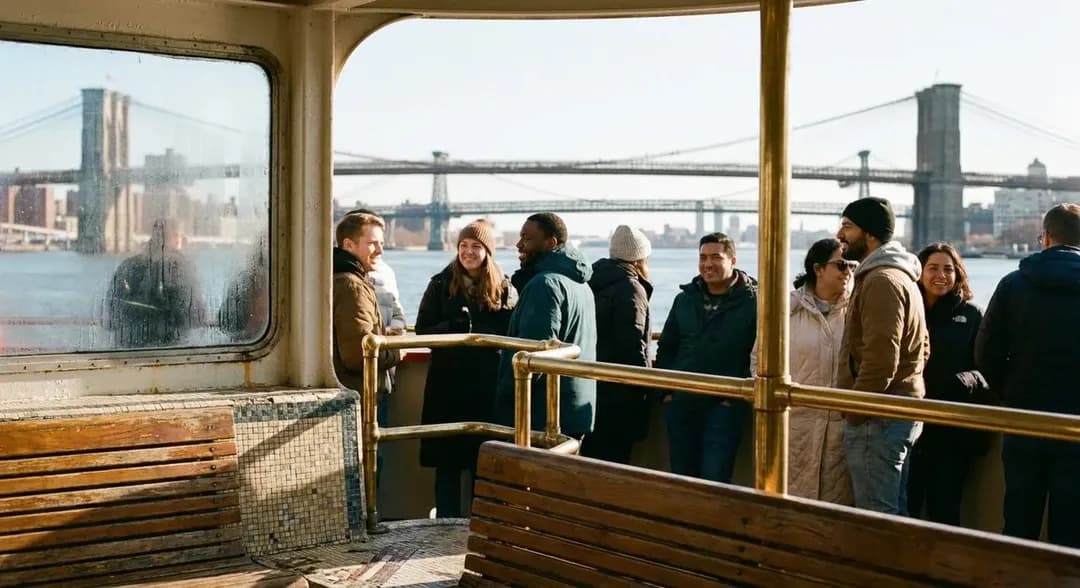
The 2 p.m. departure is deliberate. Morning rush (7-9 a.m.) packs the boats with commuters who colonize every seat and stand in the aisles. Evening rush (5-7 p.m.) is worse—you'll wait for the second or third boat just to board. But midday, especially Tuesday through Thursday, the ferry runs half-empty. The route requires the boat to stop at each pier regardless of passenger count, so you get the full service without the crowds. Bring a proper camera; your phone's zoom won't capture the Queensboro Bridge's cantilever details from mid-river. The crew runs the same loop all day—ask the deckhand with the red beanie (usually working the 1-4 p.m. shift) about the best angle for Roosevelt Island's lighthouse. He'll tell you to wait until the return trip, southern approach, starboard side.
The forgotten stops
Corlears Hook and Stuyvesant Cove are the route's ghost stations—passengers rarely board or disembark. The ferry pauses for sixty seconds, horn blares twice, then continues. These stops exist mainly for the future residential developments promised in those neighborhoods, but for now they're just empty floating docks with million-dollar views and nobody watching. Roosevelt Island's stop is different: the aerial tramway cables cross directly overhead, and if you time it right (roughly :15 and :45 past each hour), you'll see the red tram car gliding above as your ferry pulls in below. The synchronicity is accidental but photogenic. Long Island City, the northern terminus, gives you seven minutes while the boat turns around. Enough time to walk onto the pier, see the Pepsi-Cola sign across the water, and reboard before departure.
What the tourists miss
The Circle Line boats narrate their tours, pointing out landmarks with scripted enthusiasm. The ferry offers no narration, no guide, no context—just the city unfolding at its own pace. This is the advantage. You notice smaller details: the Domino Sugar refinery's remnant signage in Williamsburg, the way light refracts differently through the steel cables of each bridge, the helicopter traffic patterns around the East 34th Street Heliport. The ferry's route also ventures further north than most tour boats, reaching Astoria's industrial waterfront where concrete plants and waste transfer stations provide an unglamorous but honest view of the city's infrastructure. On the return trip, as you pass back under the bridges heading south, the late afternoon sun hits the western faces of Manhattan's towers, turning the glass into vertical rivers of gold.
Practical notes
The East River Ferry runs every 25-40 minutes depending on time of day, with reduced frequency on weekends. Board at Pier 11/Wall Street (just south of the Staten Island Ferry terminal, look for the blue and yellow NYC Ferry signs). The full northbound route to Astoria takes roughly 50 minutes; the return to Long Island City takes 40. Pay with OMNY or MetroCard—same fare as the subway, $2.75 per ride. Transfers to other ferry routes cost an additional fare. The top deck has no food service, but there's a small concession stand on the main level selling beer ($6), wine ($8), and basic snacks. Bathrooms are one level down, forward section. The ferry runs in most weather; check @NYCferry on Twitter for service alerts. Best months are May and October when temperatures hover around 65°F and the top deck is comfortable without heavy layers. The route operates 6:30 a.m. to 10 p.m. weekdays, 9 a.m. to 10 p.m. weekends.
Tags: #NYCFerry #EastRiver #NYCSecrets #TheLongWayHome #BudgetTravel #LocalsOnly #BridgeViews #ManhattanSkyline #FerryRide #HiddenNYC #CheapThrills #UrbanExploration #NYCWaterways #OffPeakNYC #SecretCruise
Sources consulted: MTA · NYC Parks · Time Out New York
All trademarks are the property of their respective owners.
Ask Karpo for more information.
Keep reading
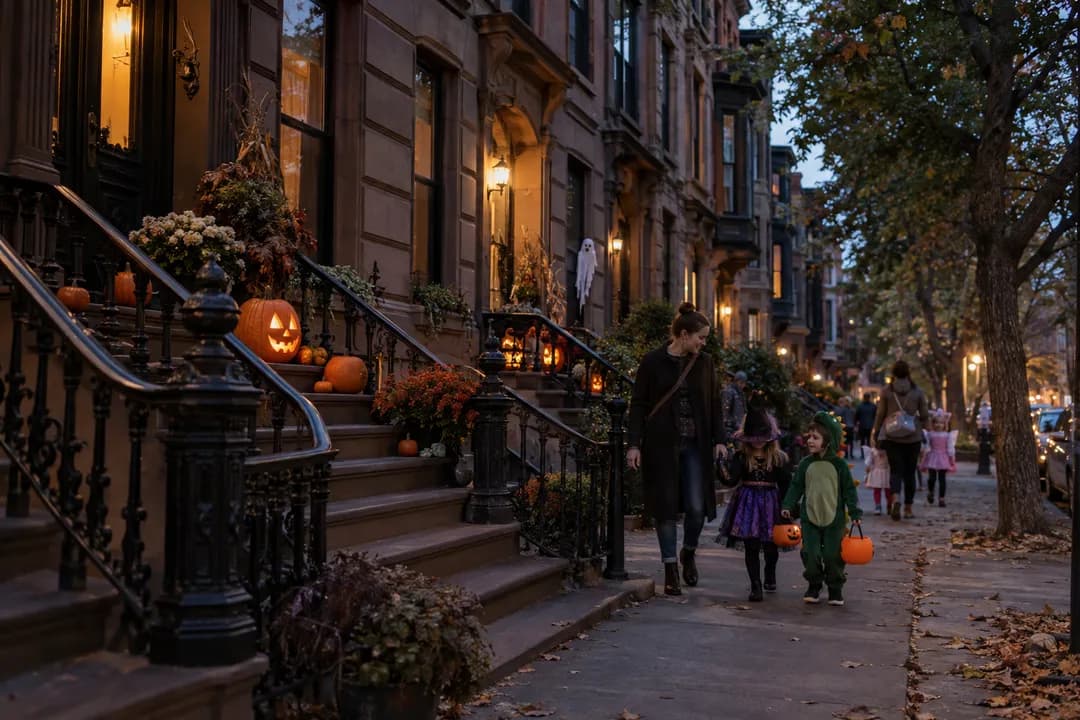
- Best Trick or Treating Neighborhoods Near Me: Park Slope
 Best Trick or Treating Neighborhoods Near Me: Carroll Gardens
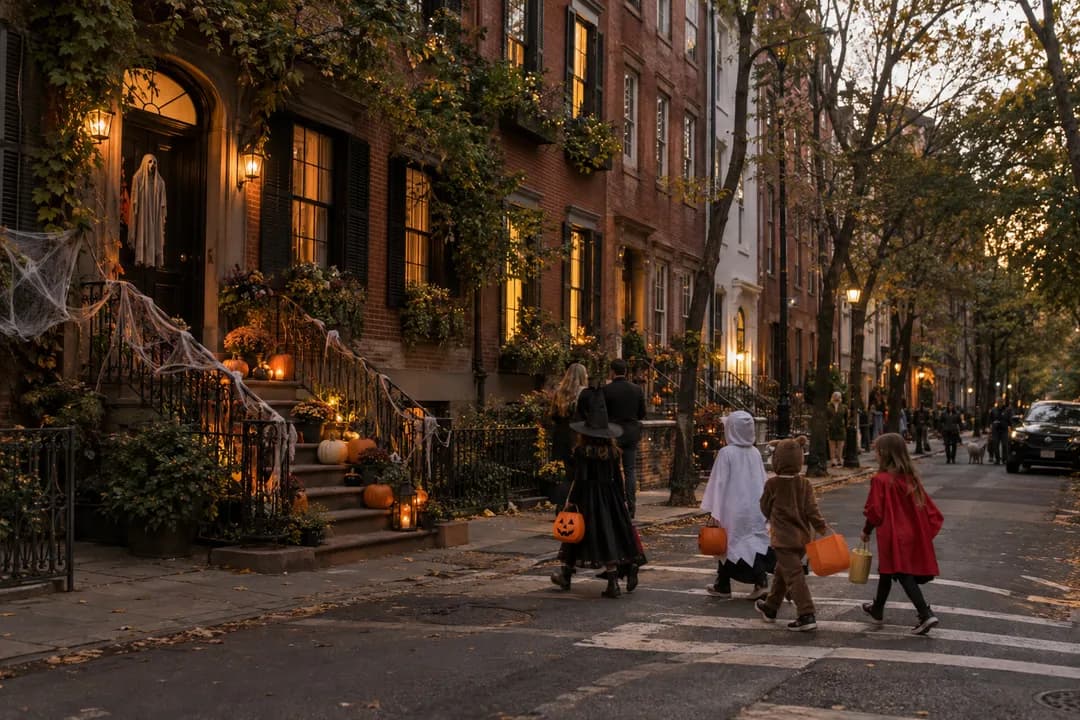 Best Trick or Treating Neighborhoods Near Me: West Village