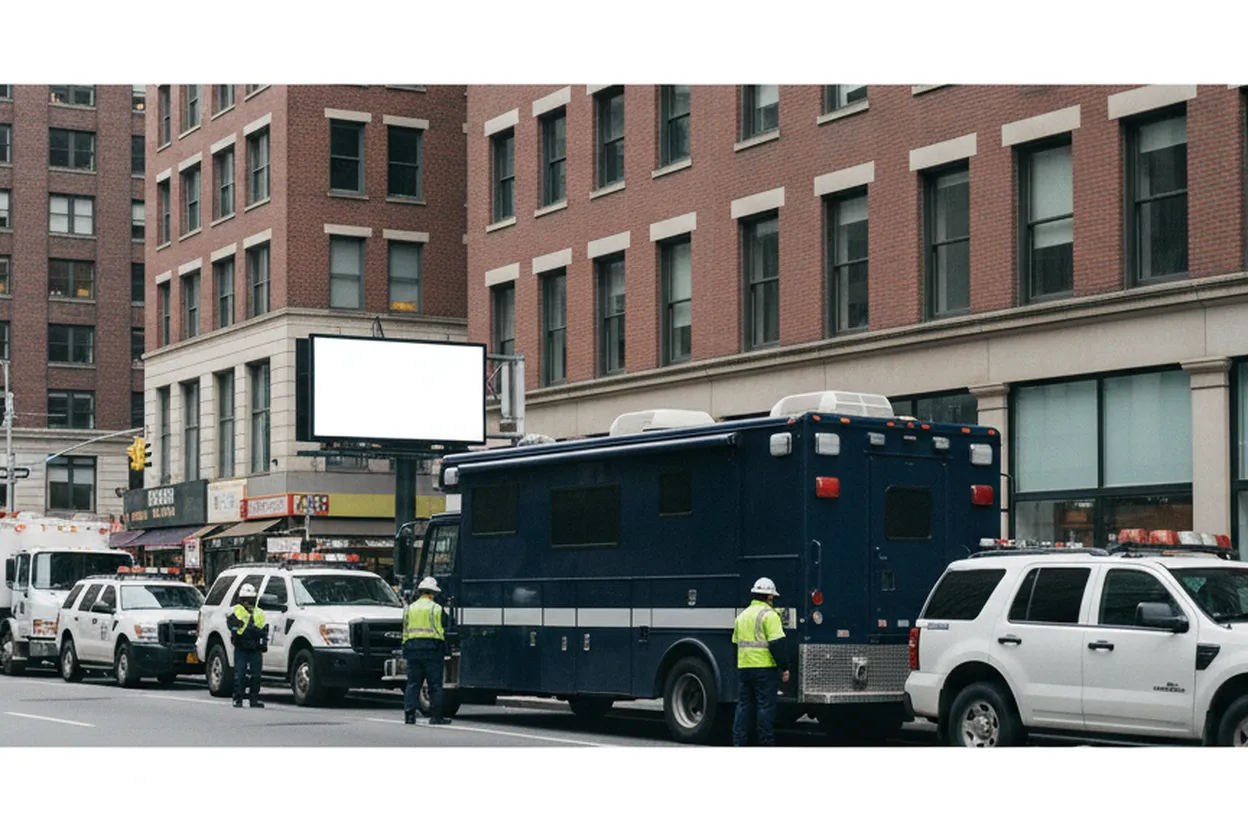
New Yorkers searching “earthquake near me” on Wednesday, July 29, 2026, usually need two things at once: confirmation that shaking really happened and a simple plan for the next few minutes. NYC Emergency Management says earthquakes can affect the city even though New York City is not on a major fault line. The practical response is not to rush outside, crowd stairwells, or rely on rumor. Use official alerts, check USGS earthquake information, and make the safest choice for where you are: apartment, office tower, subway, sidewalk, car, or bed. This guide is written for anxious households trying to protect family without overreacting.
Want a borough-specific earthquake check path? Text Karpo for NYC alert links, family-safe next steps, and the fastest official pages to tap before you move.
NYC Emergency Management Website for First Confirmation
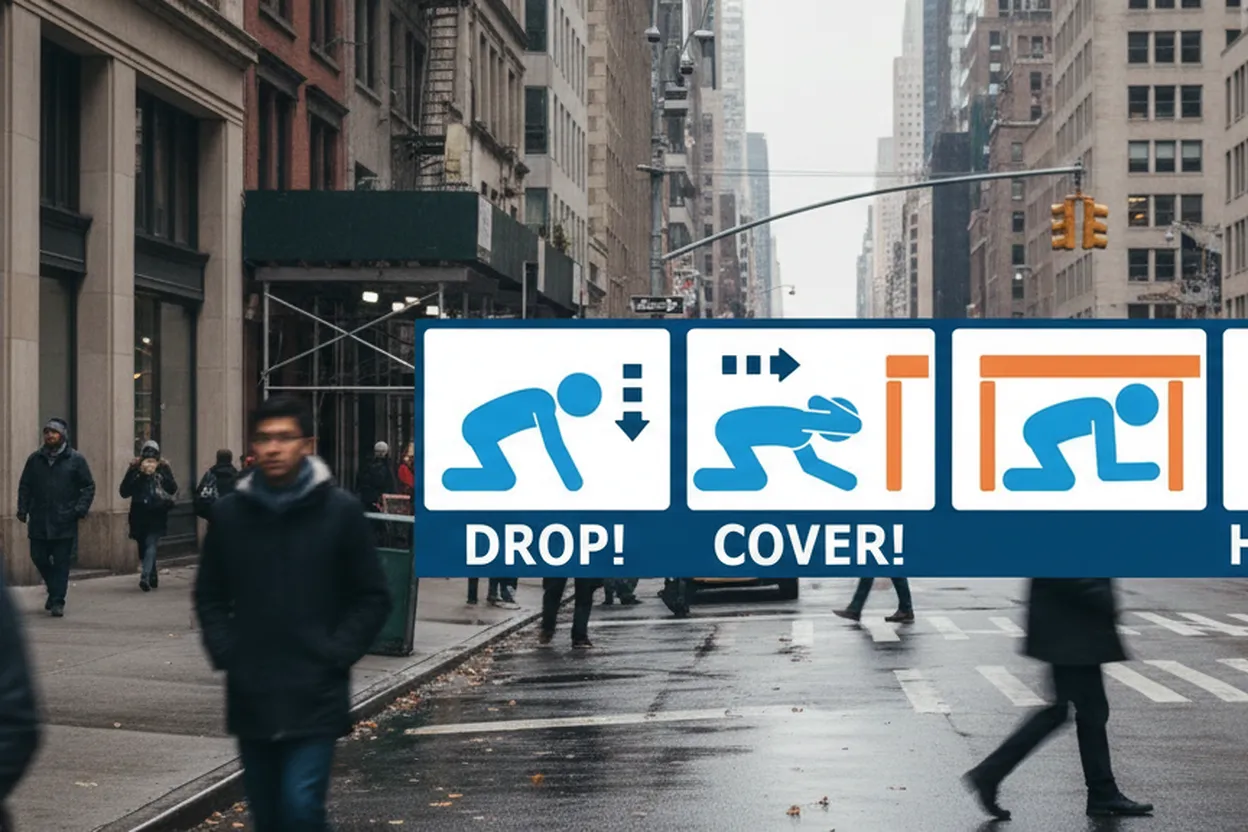
Start with the NYC Emergency Management earthquake page when you need local context, not social-media escalation. The city’s guidance is direct: identify safer places in each room, secure top-heavy furniture before any event, and use Drop, Cover, and Hold On during shaking. It also explains that city agencies would assess damage, debris, power outages, and shelter needs after a significant earthquake, so early official updates may focus on safety before giving neighborhood-level detail.
The tradeoff is speed versus certainty. A post, group chat, or building lobby rumor may arrive first, but it can confuse aftershocks, construction vibration, train movement, or distant shaking. Use the city page for what to do, then use official alerts for what has changed. If the page is slow to load, do not wait in a risky spot; complete the protective action first, then verify from a stable location.
Kitchen Table Drop, Cover, and Hold On
Inside a New York apartment, the safest first move is usually small and immediate: drop to hands and knees, cover your head and neck, and hold on under sturdy furniture if it is close. NYC guidance says to stay inside during shaking and avoid doorways. A kitchen can be hazardous because cabinets, glassware, appliances, and hot surfaces can shift, so move only a short distance if that reduces falling-object risk.
For families, assign roles after the shaking stops, not during it. One adult checks injuries, another listens for alerts, and children stay away from windows, mirrors, bookcases, and loose shelving. If someone is in bed, covering the head with a pillow is safer than crossing broken glass in the dark. The failure mode is turning a brief quake into an injury by sprinting through a hallway or stairwell while objects are still falling.
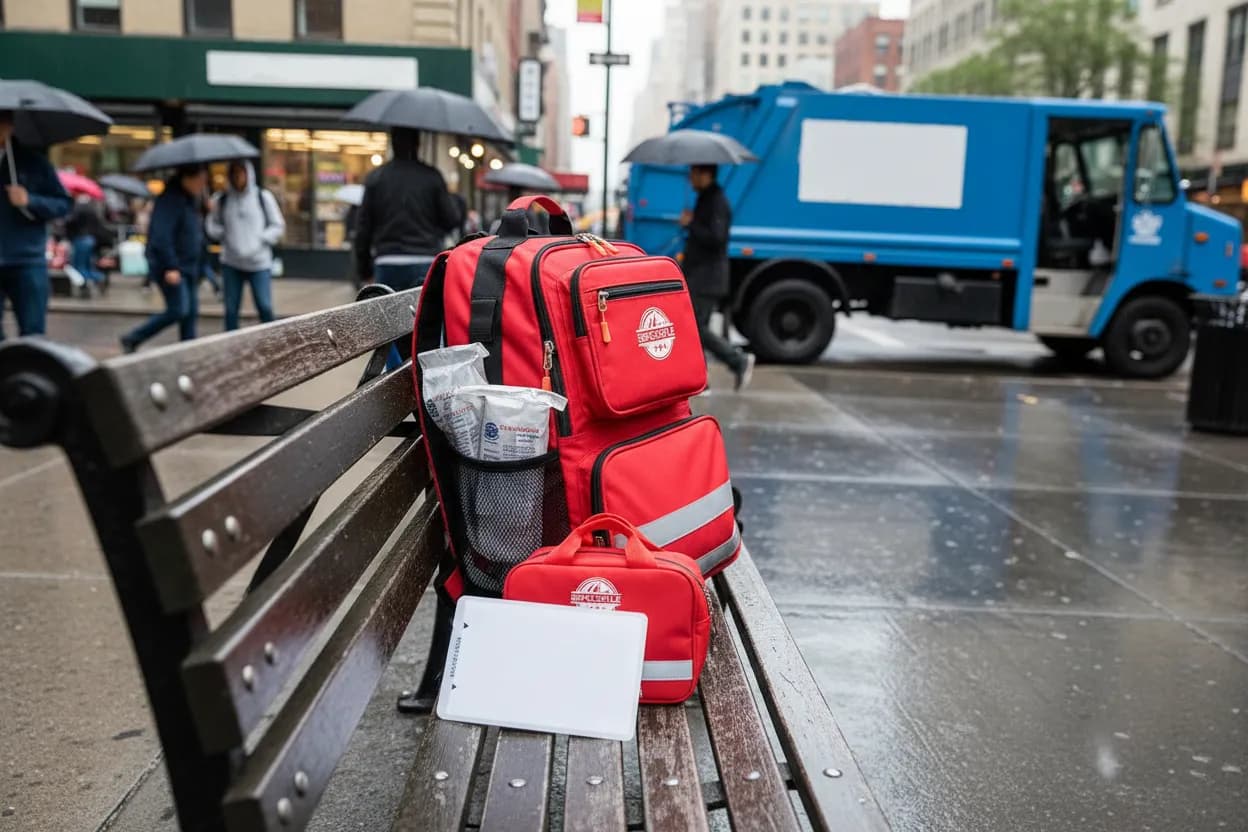
Subway Car or MTA Platform Decision
If shaking starts on the subway or a train, NYC Emergency Management’s public guidance is to stay inside, hold on, listen to staff, and never walk onto tracks unless transit staff or emergency personnel instruct you. That matters because tunnels, platforms, power systems, and stopped trains can create hazards passengers cannot evaluate from a phone. Staying put may feel passive, but it preserves a controlled evacuation path if one is needed.
On a platform, get away from the platform edge if you can do so without running, brace yourself, and protect your head and neck. If service pauses afterward, check official MTA and Notify NYC updates before changing routes. Do not assume a bridge, tunnel, elevator, or station exit is safe simply because other riders are moving. For accessible travel, wait for staff instructions on elevators, paratransit updates, and station exits rather than improvising stairs.
Notify NYC Text Alerts at 692-692
Notify NYC is the city’s official free emergency communications program, available through email, text, phone, app, website, RSS, social channels, and American Sign Language videos. NYC311 says New Yorkers can text NOTIFYNYC to 692-692 for citywide SMS alerts and add zip codes when prompted for neighborhood-based English alerts. Regular carrier charges may apply, so treat it as one alert channel, not your only source.
The backup logic is simple: use more than one path. Wireless data networks can congest after a widely felt event, text delivery is not guaranteed by carriers, and websites may be affected by provider outages. Add a family member outside your building as a contact, write key numbers on paper, and keep a battery radio or charged power bank available. If phones fail and there is life-threatening danger, NYC says to go to the nearest firehouse or police station if safe.
USGS Latest Earthquakes Map and DYFI Report
USGS is the official U.S. source for earthquake information, and its Latest Earthquakes tools can confirm location, magnitude, time, and reported shaking once an event is processed. For New Yorkers, the useful habit is to search the map or earthquake list before drawing conclusions from trend spikes. If USGS has no matching event yet, that does not prove nothing happened; it means confirmation may still be pending or the sensation may have another cause.
If you felt shaking, use the USGS Did You Feel It tool after you are safe. Those reports help map what people experienced and where effects were noticed. Keep the report factual: where you were, what floor, what you felt, and whether anything was damaged. Do not use DYFI instead of 911 for danger. Gas odor, injuries, sparking wires, trapped people, or damaged structures require emergency action first.
Apartment Utilities, Stairs, and Building Lobby
After shaking stops, move carefully and put on sturdy shoes before checking rooms. NYC Emergency Management says to watch for fallen items, broken glass, shifted cabinets, and aftershocks. Use flashlights instead of candles if power is out. If you smell gas, leave immediately and call 911 from outside. Do not flip switches, light flames, or linger in a lobby to debate whether the odor is serious.
In a high-rise, avoid elevators after shaking until officials or building staff say they are safe. Do not use stairs during shaking; after it stops, take stairs only if told to leave or if remaining inside is clearly unsafe. The practical tradeoff is between sheltering and evacuation. Cracks, falling facade material, fire, gas odor, or official evacuation orders change the decision. A quiet hallway and anxious neighbors do not, by themselves, make rushing outside safer.
Family Check-In from Queens, Brooklyn, Manhattan, Bronx, or Staten Island
Make the family check-in borough-specific because travel across New York City can slow quickly after even a minor emergency. Pick one meeting place near home and one outside the neighborhood, then decide who contacts school, elder-care, building management, and out-of-borough relatives. Keep medication lists, accessibility needs, pet supplies, chargers, and copies of key documents in a go bag. NYC’s preparedness framing is straightforward: have a plan, gather supplies, stay informed.
Your final verification action should be calm and repeatable: check Notify NYC, the NYC Emergency Management earthquake page, USGS Latest Earthquakes, and any building or transit notice that directly affects your location. If those sources do not confirm neighborhood damage, continue normal caution rather than spreading unverified warnings. If they do confirm damage or service disruption, follow the official instruction for your exact place before deciding whether to leave, wait, reroute, or call for help.
Tags: #AskKarpo #BeforeYouGo #NYC #NewYorkCity #EarthquakeSafety #NotifyNYC #USGS #ReadyNYC #EmergencyPreparedness #DropCoverHoldOn #NYCSubway #FamilySafety #PublicSafety #CityGuide
Sources consulted: Source 1: nyc.gov · Source 2: nyc.gov · Source 3: portal.311.nyc.gov · Source 4: nyc.gov · Source 5: usgs.gov · Source 6: alert.ny.gov
All trademarks are the property of their respective owners.
Ask Karpo first
Tell Karpo your date, group size, budget, and starting point. We’ll check current access, timing, transit, and the cleanest New York City plan for NYC Emergency Management Department website before you head out.


