 Jackson Heights Thrift Store Crawl Planner: Kids' Coats
Hidden Gems & Odd Finds
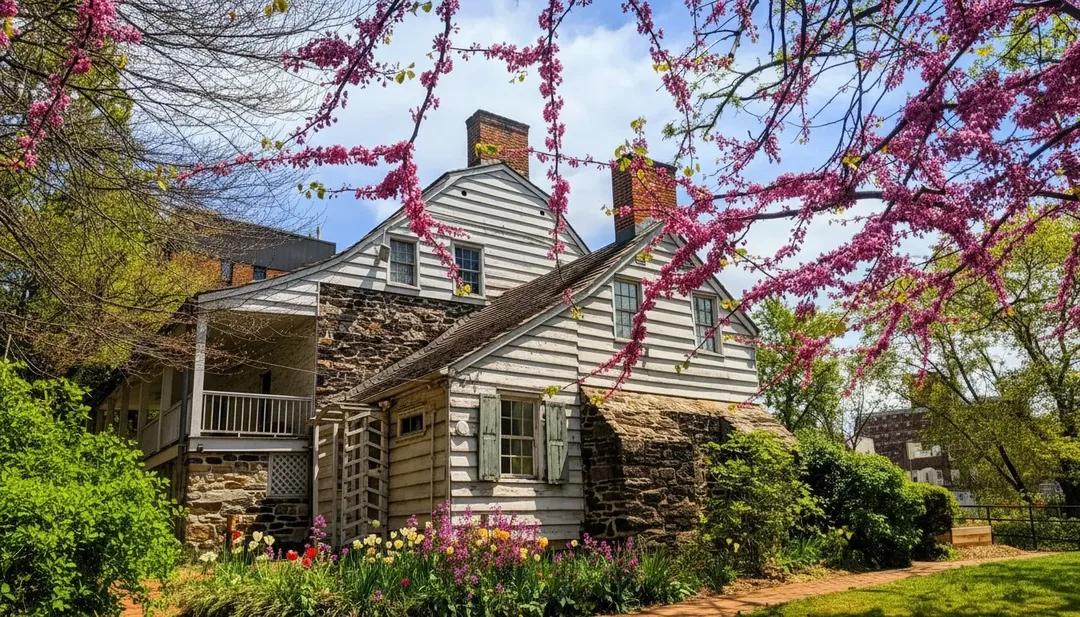
Dyckman Farmhouse Museum: Manhattan’s Last Standing Farmhouse Above the Grid
Discover Manhattan’s last farmhouse, the Dyckman Farmhouse Museum, a rare surviving relic of the island’s rural era tucked in Inwood’s urban landscape.
In a city defined by towering skyscrapers and relentless urban expansion, the Dyckman Farmhouse Museum stands as a remarkable anomaly. Located at the very northern edge of Manhattan, this farmhouse is the last remaining example of the island’s agricultural past, offering visitors a tangible connection to a time before the city’s iconic grid transformed the landscape.
Built around 1784, the Dyckman Farmhouse is not just a historic building but a living narrative of Manhattan’s evolution—from rural farmland to a bustling metropolis. Its preservation and continued operation as a museum provide a unique window into early American life and Dutch colonial heritage, right in the heart of modern New York City.
A Rare Survivor Amid Manhattan’s Urban Fabric
The Dyckman Farmhouse Museum is extraordinary simply because it exists at all. Manhattan’s relentless development has erased nearly all traces of its rural origins, making this farmhouse a rare survivor. Situated in Inwood, the northernmost neighborhood of Manhattan, the house defies expectations by preserving a complete farm-era residence in a borough better known for its dense urban grid and high-rise buildings.
Constructed primarily of fieldstone, clapboard, and brick, the farmhouse showcases classic Dutch Colonial architectural features such as sloping spring eaves and wide porches. This style reflects the heritage of early Dutch settlers who farmed the land in the 17th and 18th centuries. The Dyckman Farmhouse is the oldest remaining farmhouse in Manhattan and was designated a New York City landmark in 1967.
Historical Roots and Family Legacy
The farmhouse’s story begins with Jan Dyckman, who established a farm near Manhattan’s northern tip in the 1660s. After the original farm was destroyed during the Revolutionary War, Jan’s grandson William Dyckman rebuilt the farmhouse around 1784. The house remained in the Dyckman family for 84 years, serving as a home for three generations before the area transitioned from rural farmland to urban neighborhood.
In 1915, descendants Mary Alice Dyckman Dean and Fannie Fredericka Dyckman Welch purchased and restored the house, working with architect Alexander McMillan Welch and curator Bashford Dean. Their restoration aimed not only to preserve a family relic but to capture and exhibit the broader Dutch colonial way of life. They donated the house to New York City as a museum in 1916, ensuring its preservation for future generations.
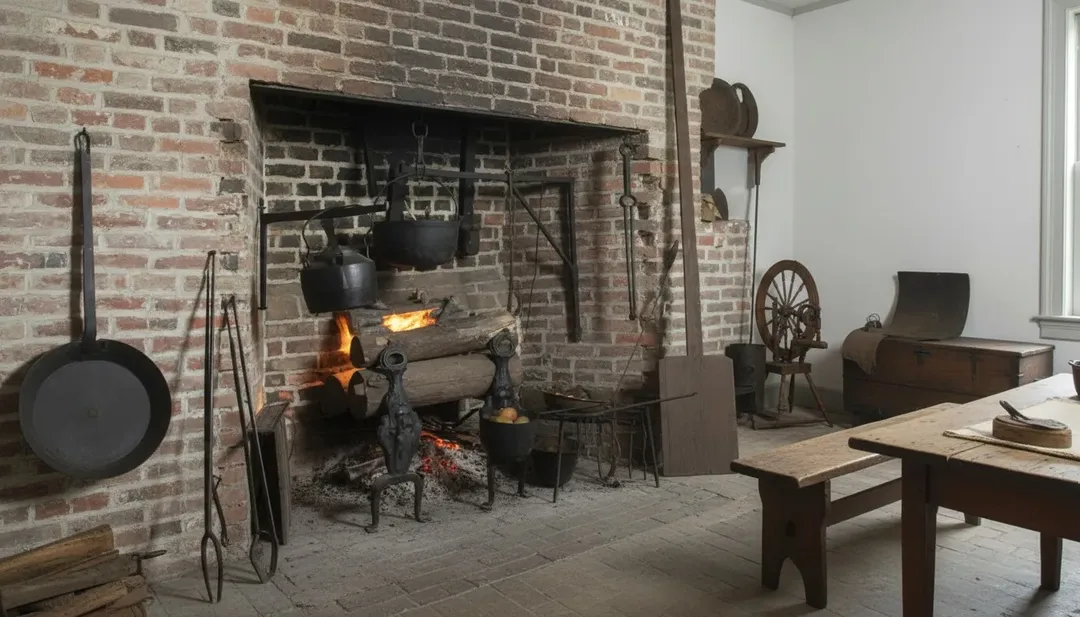
A Living Museum in the Heart of Inwood
Today, the Dyckman Farmhouse Museum operates as a vibrant cultural and educational resource. Visitors can explore period rooms furnished with objects reflecting Dutch-American heritage and early American rural life. The grounds include a reconstructed half-timbered hut originally built by Hessian mercenaries during the Revolutionary War and a fieldstone smokehouse, enhancing the immersive historical experience.
The museum hosts a lively schedule of events including craft workshops, exhibitions, music performances, and family programs that connect the past with the present-day diverse community of Inwood. This ongoing programming continues the Dyckman sisters’ vision of preserving and sharing the history of Northern Manhattan.
Access and Visitor Experience
The Dyckman Farmhouse Museum is located at 4881 Broadway, at the corner of West 204th Street, easily accessible by public transportation. There is no parking on site, so visitors are encouraged to use the subway or bus services that serve the Inwood neighborhood.
The museum is open Wednesday through Friday from noon to 4 PM and Saturdays from 10 AM to 4 PM. It is closed Sundays, Mondays, and Tuesdays, as well as on major holidays such as Veteran’s Day, Thanksgiving, Christmas Day, and New Year’s Eve. Admission is $3 for general visitors, free for children under 3 and Inwood residents. Advanced ticket purchase is recommended to ensure entry.
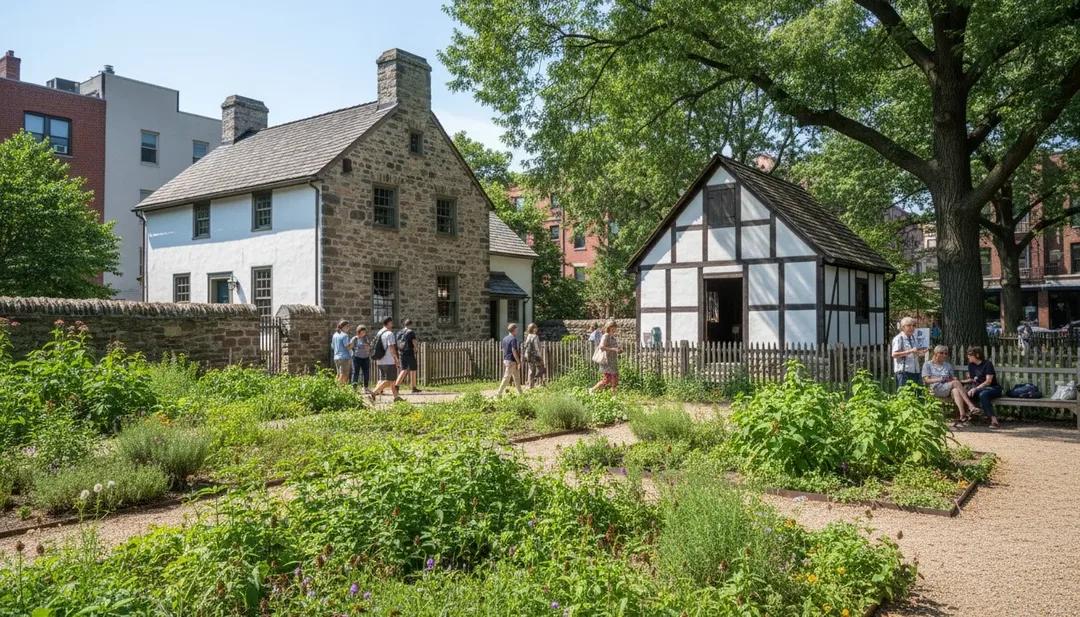
Why the Dyckman Farmhouse Matters Today
In a city where history is often overshadowed by modernity, the Dyckman Farmhouse Museum stands as a vital reminder of Manhattan’s layered past. It challenges the common perception that Manhattan has always been a dense urban environment by preserving a tangible piece of its rural origins.
For residents and visitors alike, the farmhouse offers a quiet, contemplative space to explore the stories of early settlers, the impact of the Revolutionary War, and the evolution of New York City’s northernmost neighborhood. It is a rare cultural gem that enriches the understanding of the city’s diverse heritage.
Practical notes
- Hours: Wednesday to Friday 12 PM–4 PM; Saturday 10 AM–4 PM; closed Sunday, Monday, Tuesday, and major holidays.
- Admission: General $3; children under 3 and Inwood residents free; advanced ticket purchase recommended.
- Location: 4881 Broadway at West 204th Street, Inwood, Manhattan, NY 10034; no onsite parking.
- Access: Easily reachable by public transit; no parking available.
- Check official website before visiting for holiday closures and special events: https://dyckmanfarmhouse.org
Tags: #historic_houses #NYC #secret_NYC #local_knowledge #Dyckman_Farmhouse_Museum #hidden_gems #things_to_do_in_NYC #New_York_City #Manhattan_historic_houses #Dutch_Colonial_architecture_NYC #Inwood_neighborhood_history #oldest_farmhouse_Manhattan #historic_museums_New_York_City #rural_Manhattan_history #historic_house_tours_NYC
All trademarks are the property of their respective owners.
Ask Karpo first
Want to know whether Dyckman Farmhouse Museum fits your day, route, and timing? Ask Karpo first for a current NYC plan built around you.
Ask Karpo for more information.
Keep reading
- Jackson Heights Thrift Store Crawl Planner: Kids' Coats
 Crown Heights Thrift Store Crawl Planner: Holiday Table Haul
 Tribeca Plant Shop Crawl Planner for Office Desks and Gifts