 Williamsburg Pierogi Lunch Spot Picker for Mixed Diets
Restaurants
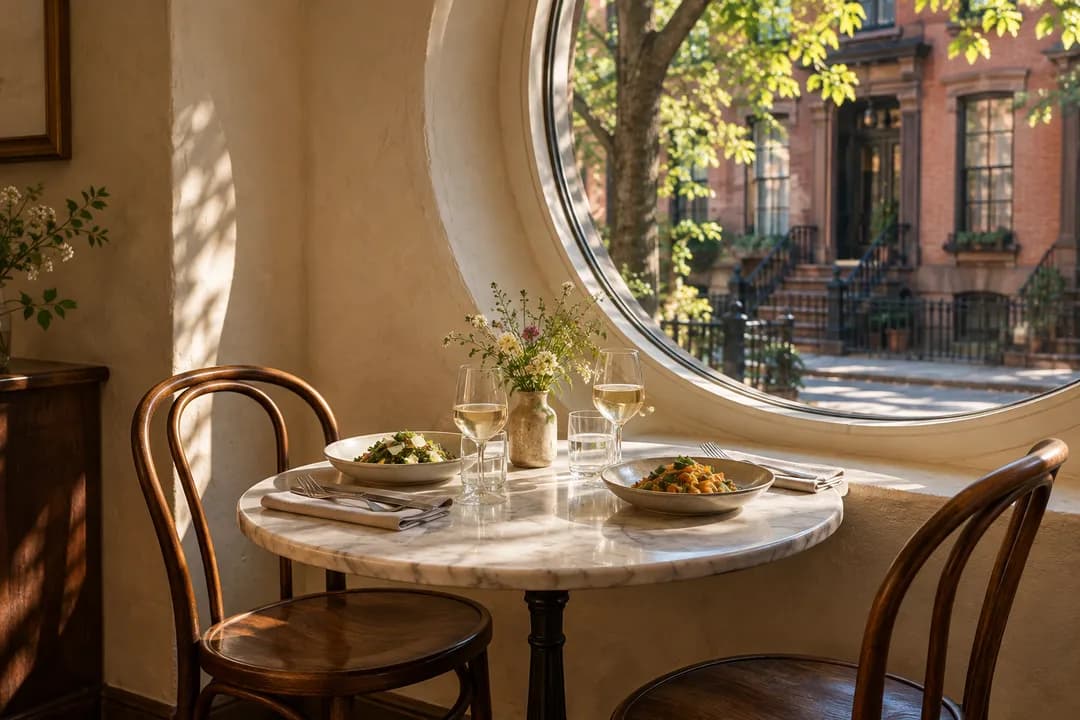
NYC Dinner Shortlist Builder: Plan a Date You'll Enjoy
A NYC date-night dinner shortlist works better with a shared mood and a few clear limits. Turn vague romance into choices you can both look forward to.
“Somewhere nice for dinner” sounds like a plan until you try to choose the restaurant. Nice could mean a quiet conversation, adventurous food, a familiar neighborhood or a little ceremony. A NYC dinner shortlist builder becomes more useful when you describe the date you want to have. Open Karpo APP with a few details about the two of you, the area and the evening's shape. Ask for dinner ideas that reflect those choices, then decide together which possibility makes you curious rather than which photograph looks most impressive.
What kind of date are we actually planning?
Start with the occasion without letting it dictate the answer. A first meeting might call for a simple dinner with a clear ending. A regular date night could be a chance to try unfamiliar food. An anniversary might mean dressing up or returning to a meaningful neighborhood. None of those occasions automatically requires a particular price or level of formality. Describe the experience in your own words so the search follows your relationship rather than a generic image of what romance is supposed to look like.
Imagine telling a friend that you want somewhere warm and comfortable where you can catch up after a difficult week. That description already contains more useful direction than “romantic restaurant.” Another couple might want a lively room and food that starts a conversation. Write one sentence about how you want the evening to feel, then one about what would get in the way. The second sentence might mention an elaborate dress expectation, a lengthy journey or a meal that takes over the entire night.
How do we make atmosphere a usable criterion?
Translate mood words into details you can discuss. If “intimate” means being able to hear one another, say that conversation matters. If “special” means ordering something unfamiliar, emphasize the menu rather than the lighting. If “relaxed” means freedom to leave after a main course, describe the preferred meal format. These translations make the shortlist easier to judge. They also reveal when you and your date are using the same word for different wishes, which is useful to discover before selecting a venue.
Photographs can suggest an atmosphere without establishing how a room will feel during your visit. A picture of an empty dining room says little about the noise around a particular table. Treat visual impressions as impressions, and use actual venue information where it addresses an important need. Ask the restaurant directly about practical seating arrangements when those determine whether the plan works. You can seek a setting suitable for conversation without claiming that any candidate will provide a perfectly quiet evening.
Which details should be decided together?
Agree on a comfortable spending expectation, food requirements and the general meeting area. These are easier to settle in advance than at the table. If one person is hosting, explain the invitation clearly enough that the other person understands what is being proposed. If you are splitting the evening's costs, use the same definition of the budget. You can keep a restaurant choice as a small surprise while still agreeing on boundaries that affect comfort and enjoyment.
Include the amount of time you both want to give the date. A dinner after work may need a different rhythm from an evening with no other plans. Ask whether you want dinner to be the whole occasion or the beginning of a longer outing. Avoid adding a second stop solely because a date is supposed to include one. Leaving room to decide afterward can be part of the appeal. The useful question is whether the evening's structure suits both people, not whether it fills every available hour.
What should I ask Karpo?
Try a request such as: “Help me choose dinner for a date in NYC. We want an easy conversation and a meal that feels a little different from our usual routine. Here are our preferred meeting area, food needs, spending expectation and available time. Suggest three candidates with different strengths, and explain why each matches the evening.” Add a detail that belongs to you, perhaps a cuisine you both want to explore. The request invites discovery without assuming a particular app interface or an automatic booking outcome.
If you already have a few names, bring those into the conversation instead of starting again. Ask for help comparing them against your stated criteria, and distinguish what is known from what remains unclear. One candidate might align with the desired food while another fits the location more comfortably. That comparison can be useful even when it does not produce a definitive ranking. You are looking for reasons to choose, with enough room for your own taste and the other person's reaction.
How many choices should we keep?
A compact shortlist makes it easier to talk about the date itself. Three candidates are a reasonable starting suggestion, not a fixed rule or a product limit. Keep them meaningfully different: familiar food in a convenient area, a more adventurous menu, or a setting that better matches the occasion. Explain what you would enjoy about each one when sharing the choices. Your date then has something more personal to respond to than a request to rank restaurant links.
Ask which option they feel drawn to and why. A brief reaction can reveal a preference you did not know: perhaps they like the idea of a leisurely meal but do not want a highly formal setting. Bring that distinction back into the search if it changes the fit. When both of you are enthusiastic about one candidate, you can stop comparing. The goal is a dinner you want to attend together, rather than an argument for why the other restaurants deserve to lose.
What if I want it to be a surprise?
Choose which part of the evening is the surprise. The restaurant's name can be unexpected while the meeting time, likely dress, food compatibility and spending arrangement remain clear. Give your date enough information to feel comfortable arriving. A surprise that requires an unmentioned long journey or an unfamiliar meal format can put pressure on the person you wanted to delight. Thoughtfulness is often in the details you make easy, including the simple matter of getting home afterward.
Use what the other person has actually told you. An interest in trying a new cuisine is different from enjoying every unfamiliar ingredient, and an attractive venue is different from somewhere they want to spend a whole evening. When you lack an essential preference, ask a small question instead of constructing an elaborate assumption. You can still keep the final choice private. The planning should leave space for the person who will share the table, not just express the organizer's taste.
When does the shortlist become a dinner arrangement?
After choosing, use the venue's own reservation or contact process to arrange the visit. Keep any actual booking details with the meeting information, and distinguish a plan to go from an arrangement that has been accepted. A dinner suggestion does not secure a particular table, service pace or atmosphere. If the preferred candidate is unavailable, choose another option that retains the qualities you agreed mattered. There is no need to rebuild the entire evening around a name that happened to appear first.
Make any walk or drink afterward an invitation rather than a hidden requirement. You might enjoy extending the date, or you might prefer to end after a satisfying dinner. Talk about the broad possibility without committing to a second venue you have not assessed. A little space around the meal can make the plan more comfortable for both people. If you have a firm departure, put it into the original brief so choosing dinner does not quietly create a conflict later.
Practical Notes: what should we bring to the decision?
Bring a shared mood, the food boundaries, a comfortable budget definition and an area you both want to reach. Add one personal detail that makes this your date: a favorite kind of meal, an appetite for something new or a wish to talk without rushing. These inputs are enough to start a useful conversation in Karpo APP. The shortlist then becomes a way of expressing a possible evening, with the final choice and actual arrangements in your hands.
Ask Karpo for more information.
Keep reading
- Williamsburg Pierogi Lunch Spot Picker for Mixed Diets
 Brighton Beach Pierogi Lunch Spot Picker for Photographers
 Ridgewood Pierogi Lunch Spot Picker for Apartment Hunters