 Williamsburg Pierogi Lunch Spot Picker for Mixed Diets
Restaurants
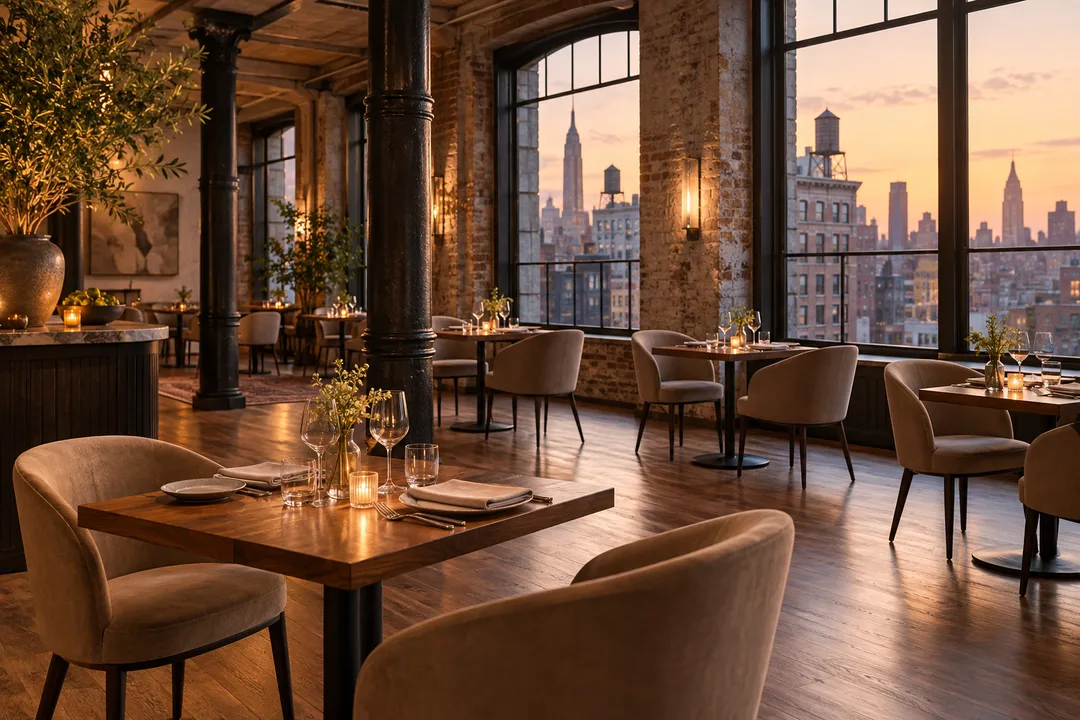
SoHo Dinner Reservation Finder: A First Date for Two
A SoHo dinner reservation finder starts with two seats, a shared budget and room to talk, then narrows the choices for a first date in the Karpo APP.
For a first date in SoHo, a dinner reservation finder is most useful when it starts with the kind of evening you want together. Two seats are only the beginning. You may want a room where conversation feels easy, a menu that accommodates both people, and enough flexibility to end after dinner or continue with a walk. Open the Karpo APP with those preferences and ask for a small shortlist. Treat each suggestion as a candidate to compare, with the restaurant's booking channel providing the actual reservation terms and any available times.
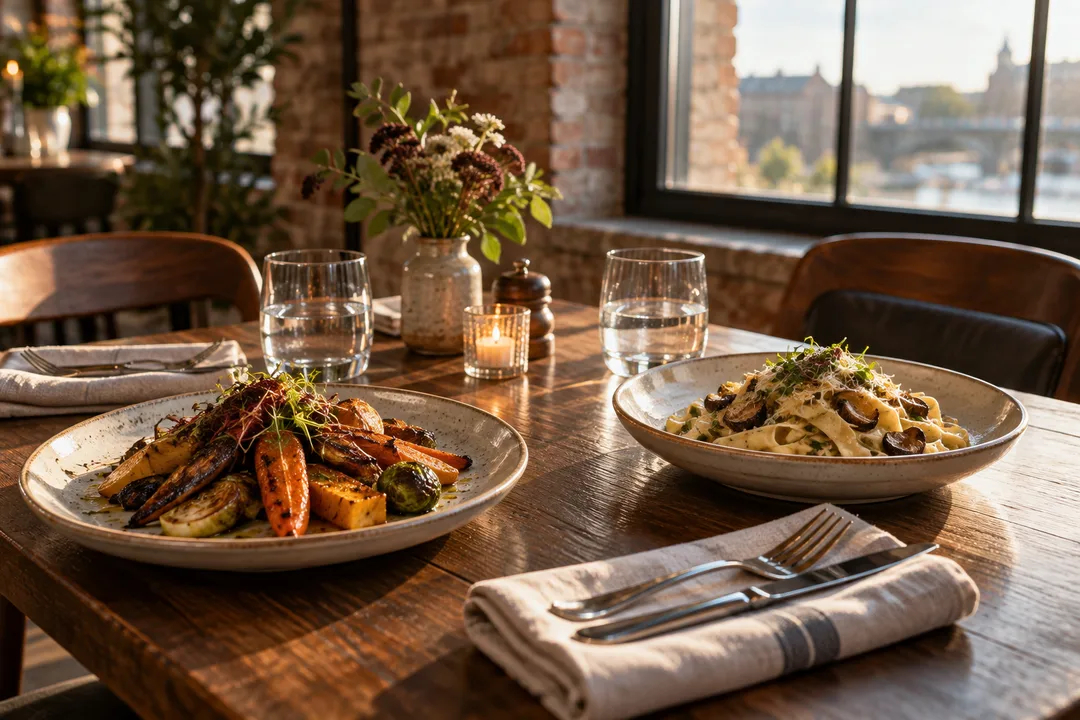
Give the evening a shape before choosing a cuisine
Start with the date, party size and meeting area, then describe your preferred pace. A first meeting after work might call for one main course and an easy departure. A weekend dinner could leave space for a starter and dessert. These are different requests, even if both begin with Italian food in SoHo. Tell Karpo whether the meal is the whole plan or the starting point, and whether either person needs to leave by a particular time. A clear ending makes the dinner easier to choose.
Use a prompt with a few meaningful details: suggest three SoHo dinner options for two this Thursday, with moderate background noise, regular dining chairs and a menu that includes vegetarian mains. Say that you prefer an unhurried meal but want to avoid a long tasting menu. Add your budget in your own terms, including whether drinks belong inside it. This gives the conversation something concrete to refine without pretending that an appealing dining room automatically has a suitable table on your chosen evening.
Translate intimate into things you can assess
Intimate can describe a tiny room, dim lighting, closely packed tables or simply a feeling of privacy. Those qualities do not always come together. Decide which matters to you. If hearing your date is the priority, ask for recommendations where published descriptions or recent, relevant accounts support a conversational atmosphere. A photograph can show upholstered seating and table spacing, but it cannot measure the soundtrack during dinner. Keep an unsupported noise claim separate from a useful visual clue about how the room is arranged.
Seating deserves its own line in the request. A counter places you side by side, which can make a first conversation feel less formal, but it also directs attention toward service and preparation. A small table puts you face to face. A banquette can feel comfortable while making it harder for one person to get up. Ask Karpo to compare these arrangements when information is available, and leave the seat type marked as unresolved when a listing only says table for two. A seating preference is a request until the venue accepts it.
Agree on spending without making dinner feel transactional
A useful budget describes what each person expects to order. One main and a soft drink is different from sharing starters and ordering several glasses of wine. Give Karpo your intended ordering pattern alongside your spending ceiling. Ask it to use any menu information it can actually cite when comparing candidates, rather than assign an invented cost to a restaurant. You can then decide whether one option feels comfortable before entering a booking flow, instead of discovering at the table that you imagined very different evenings.
Dietary preferences also work better as specifics. Vegetarian mains, a dislike of very spicy food and a serious food allergy require different kinds of attention. For a preference, describe what you enjoy eating. For an allergy, communicate directly with the restaurant about ingredients and preparation before committing to the meal. A broad cuisine label or a dish name does not establish safe handling. The discovery conversation can narrow your options, while the venue remains the party able to answer questions about its kitchen and the dishes it will serve.
Compare three candidates with one decision rule
Keep the shortlist small enough to discuss. Ask for a brief reason each option suits the date and the main compromise attached to it. One candidate might have the dining style you want but a less convenient location. Another could be easier to reach while offering a more formal meal than you intended. Avoid ranking by a single photograph. Compare the qualities that will affect the two of you throughout dinner: conversation, menu fit, seating, spending and the effort involved in meeting there after separate workdays.
Choose a tie-breaker before you send the shortlist to your date. For example, let conversation comfort outrank a fashionable interior, or let a manageable journey outrank a particular cuisine. Ask the other person to pick between two distinct experiences rather than approve an unexplained list of links. You could describe one as a relaxed shared-plates dinner and another as a more structured sit-down meal, provided the available information supports those descriptions. This gives your date room to express a preference without handing over the entire planning task.
Carry the chosen plan into the booking step
When you have a preferred restaurant, use its stated reservation channel and read the terms attached to the specific time you select. Party size, date, seating category, deposits and cancellation conditions belong to that booking. A recommendation in the Karpo APP does not itself create a reservation or demonstrate that a table remains available. Keep a record of the final confirmation from the venue or booking provider. If the offered seating differs from your preferred arrangement, decide whether that changes the evening before you accept it.
Build a fallback by changing one flexible preference. You might accept an earlier dinner, a nearby meeting point or a different cuisine while protecting the ability to talk comfortably. Expanding everything at once makes the original shortlist less useful. Return to the conversation with the exact obstacle and ask for a revised comparison. If you choose to try a walk-in, describe it honestly to your date as a spontaneous plan. A suggested alternative is helpful only when both people understand whether dinner is booked or still being worked out.
Leave the next hour open enough to enjoy it
For the final message, share the agreed venue, meeting time, booking name and any arrival instruction supplied with the reservation. Keep the rest light. A possible walk after dinner can remain optional, especially when you are meeting for the first time. Avoid planning a tightly timed second stop that pressures either person to continue. If you want Karpo to suggest an extension, ask for something close to the chosen restaurant and compatible with the energy of the date, rather than a long route built around an assumed dinner finish.
The result you want is a dinner that gives two people room to get to know each other. Use the Karpo APP to turn broad wishes into a manageable comparison, then make the reservation through the appropriate channel with the actual terms in front of you. A practical first-date brief has a clear meeting area, a comfortable spending plan, a conversational setting and one sensible fallback. Once those decisions are made, you can stop researching interiors and concentrate on the person joining you at the table.
Ask Karpo for more information.
Keep reading
- Williamsburg Pierogi Lunch Spot Picker for Mixed Diets
 Brighton Beach Pierogi Lunch Spot Picker for Photographers
 Ridgewood Pierogi Lunch Spot Picker for Apartment Hunters