 Williamsburg Pierogi Lunch Spot Picker for Mixed Diets
Restaurants
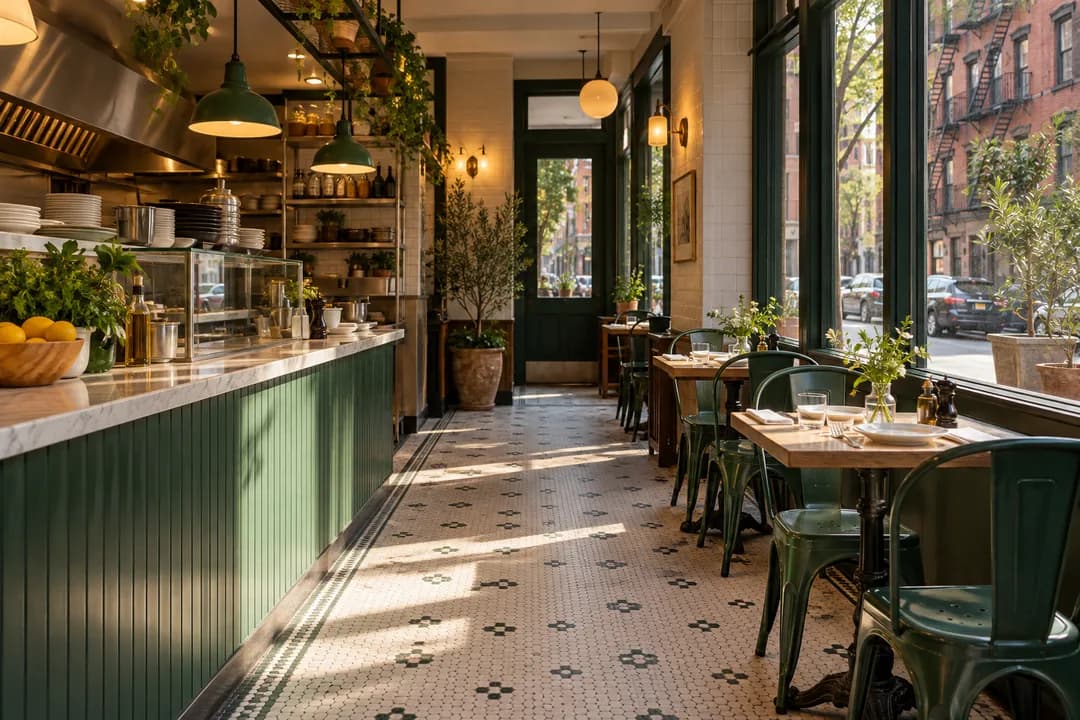
Flatiron Dinner Reservation Finder: Two Ways to Eat Tonight
A Flatiron dinner reservation finder can organize a spontaneous meal around your time limit, seating preference and a realistic backup in the Karpo APP.
When dinner becomes a plan at the last minute, the first question is how much uncertainty you can comfortably accept. A dinner reservation finder for Flatiron can help organize the choices around your arrival time, preferred meal and willingness to wait. It does not turn a recommendation into a table offer. Tell the Karpo APP where you are meeting, how many people need seats and when you need to finish. From there, compare a meal with an actual reservation opportunity against a walk-in approach, keeping the status of each option clear.
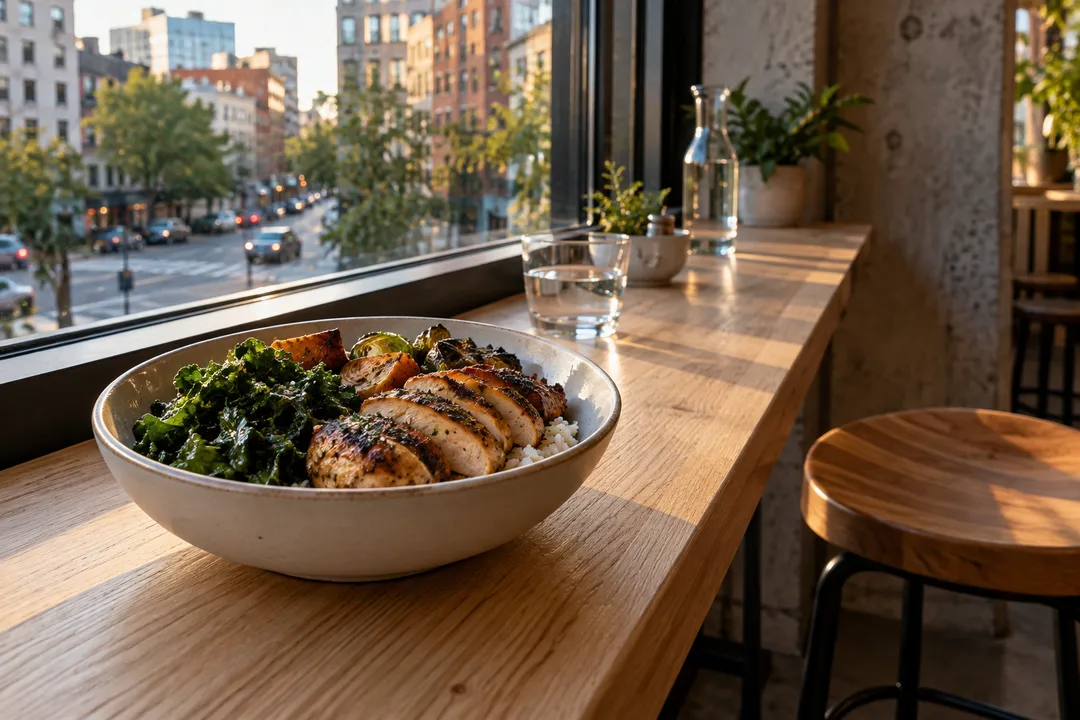
Name the constraint that makes tonight different
Spontaneous dinner can mean several things. You might have an unexpected free evening with no deadline, or just enough time to eat between leaving work and catching a train. One group may enjoy waiting over a drink, while another includes someone who needs to sit down promptly. Put the limiting detail first in your request. If finishing on time matters most, a complicated meal is a poor fit even when the room looks appealing. If uncertainty is acceptable, you can give the comparison more room to explore.
Describe a time window rather than a hopeful arrival minute. Include the time required to leave your current location and meet the rest of the party. Do not use walking estimates as promises when people are coming from different starting points. Ask Karpo to narrow suggestions around the part of Flatiron you can reach comfortably, and say whether nearby areas are acceptable. A modest geographic boundary can keep the evening manageable, especially when a second attempt would consume the time you hoped to spend eating.
Choose between a booking search and a walk-in attempt
A reservation route gives you something specific to evaluate once the venue or its provider offers a date, time and party size. Read the seating category as well as the clock. A counter seat, outdoor table or bar reservation might not suit the meal you had in mind. A discovery result that links to a booking page is still just a route to that page. It should not be described as available until the booking channel supplies that information for the details you entered.
A walk-in plan carries a different kind of uncertainty. Published walk-in policies can explain how a restaurant handles arrivals, but they do not tell you the queue at the moment you set off. Ask for candidates whose documented service style fits an unplanned visit, if that information is accessible. Leave out claims about fast table turnover unless a reliable source actually supports them. A busy room might serve some guests quickly while other tables stay longer, and a photograph of empty seats is not a live view.
Make the meal simpler in the way that matters
If you have limited time, focus on service format and menu decisions you can reasonably assess. A counter-service meal, a short a la carte order and a lengthy multi-course dinner ask different things of your evening. They also provide different experiences. Ask Karpo to compare those formats for your group rather than label every casual place fast. Speed depends on the actual service and workload. You can choose a less elaborate meal without claiming that a particular kitchen will meet an invented turnaround time.
Food preferences should narrow the search without making it brittle. Keep a necessary dietary requirement fixed, but consider whether cuisine or atmosphere can move. If one person needs a substantial vegetarian meal, preserve that requirement while allowing several cuisines. If someone wants a full dinner rather than snacks, make that distinction explicit. A small-plates bar may look like an easy compromise while leaving the group ordering more rounds than intended. The aim is a meal everyone recognizes as dinner within the time and spending plan you have.
Limit the search before it consumes the evening
Ask for two approaches instead of a long restaurant catalogue: one candidate for a conventional seated dinner and one simpler alternative. For each, request the reason it fits, the relevant published information and the unresolved point that affects your decision. A clear prompt could describe two people near Flatiron after work, an hour and a half for dinner and a preference for regular seats over stools. Use the conversational reply to tighten the fit. Avoid treating an attractive suggestion as an instruction to travel immediately.
Set a personal decision point. You might agree that if the preferred option cannot be arranged by the time you leave the office, you will choose the simpler meal. This is your planning rule, not a forecast of a restaurant's queue. It prevents the familiar pattern of checking one more place until everyone is tired and hungry. The group should know which preferences are flexible, too. Someone may accept a different cuisine much more readily than standing outside or splitting the party between separate seating areas.
Build a fallback that does not repeat the same risk
A useful backup changes the feature most likely to obstruct dinner. If an unspecified wait is the issue, another popular walk-in dining room may reproduce the problem. If a long meal is the issue, changing neighbourhoods without changing format does little. Ask Karpo for an alternative based on that particular obstacle. You might prioritize a simpler ordering arrangement, a broader menu or a different time window. The fallback needs its own reason to work, rather than merely occupy second place in a ranking.
Keep the backup within the group's travel tolerance. Moving a small distance can be reasonable, but crossing the city for a speculative table can undo the benefit of planning locally. If the original dinner was supposed to fill a gap before another commitment, the second attempt must fit the remaining time. Tell the app what has changed when you return to the conversation. An earlier request for a leisurely meal should not continue to shape the recommendations after you have spent much of your available window trying to arrange it.
Tell everyone whether dinner is settled
The final coordination message should be precise about the plan's status. A completed reservation means you can share the restaurant, time, booking name and accepted seating category. A walk-in attempt means you are meeting to try for a table, with a fallback already discussed. Avoid saying dinner is sorted when all you have is a shortlist. People make different choices about travel and timing depending on whether they are joining a confirmed meal or an open-ended search, and clear wording helps them arrive with the right expectations.
Use the Karpo APP again if the situation changes, giving it the new time, party size or unresolved constraint. The useful outcome is a smaller decision that matches the evening you actually have. Sometimes that is an ordinary reservation through a restaurant's provider. Sometimes it is a flexible meal with less ceremony. For a last-minute Flatiron dinner, success comes from protecting the essentials and being honest about uncertainty, so the group can spend more of the evening eating together and less of it comparing places on the pavement.
Ask Karpo for more information.
Keep reading
- Williamsburg Pierogi Lunch Spot Picker for Mixed Diets
 Brighton Beach Pierogi Lunch Spot Picker for Photographers
 Ridgewood Pierogi Lunch Spot Picker for Apartment Hunters