 Chelsea Pizza Slice Crawl Planner Between Galleries
Restaurants
Astoria Dinner Reservation Finder: A Family Meal for Eight
An Astoria dinner reservation finder can shape a Mediterranean family meal around eight seats, mixed ages and food preferences before you arrange a table.
An Astoria family dinner becomes easier to arrange when the search starts with the people coming. A dinner reservation finder can help you compare Mediterranean dining options for a mixed-age group, but spacious needs a practical definition. Eight guests might include grandparents who prefer supportive chairs, children who eat earlier and relatives with different food preferences. Describe that group in the Karpo APP, along with the date and the size of the meal you imagine. Ask for a shortlist that explains the fit, then arrange the actual table through the restaurant's stated booking process.
Count people and seats as two separate questions
Write down the complete party before looking at dining rooms. Include children and anyone who needs a high chair, space for mobility equipment or a seat with an easier route out. A child still affects the table arrangement even when they will share food. Tell the restaurant the total number of guests through its booking channel. If you give Karpo a smaller number because some relatives might come, the recommendations may be based on a party that no longer represents the family you eventually invite.
Choose one organizer to gather responses and communicate the final count. That person does not have to make every decision, but they should know which details are settled. An uncle saying he will probably join and a confirmed eight-person booking are different states. Decide when the family needs to commit, using the restaurant's actual amendment terms once you have them. This keeps the dining plan from expanding informally in a way the venue has never accepted and prevents different relatives from receiving contradictory versions of the evening.
Describe comfort more clearly than roomy
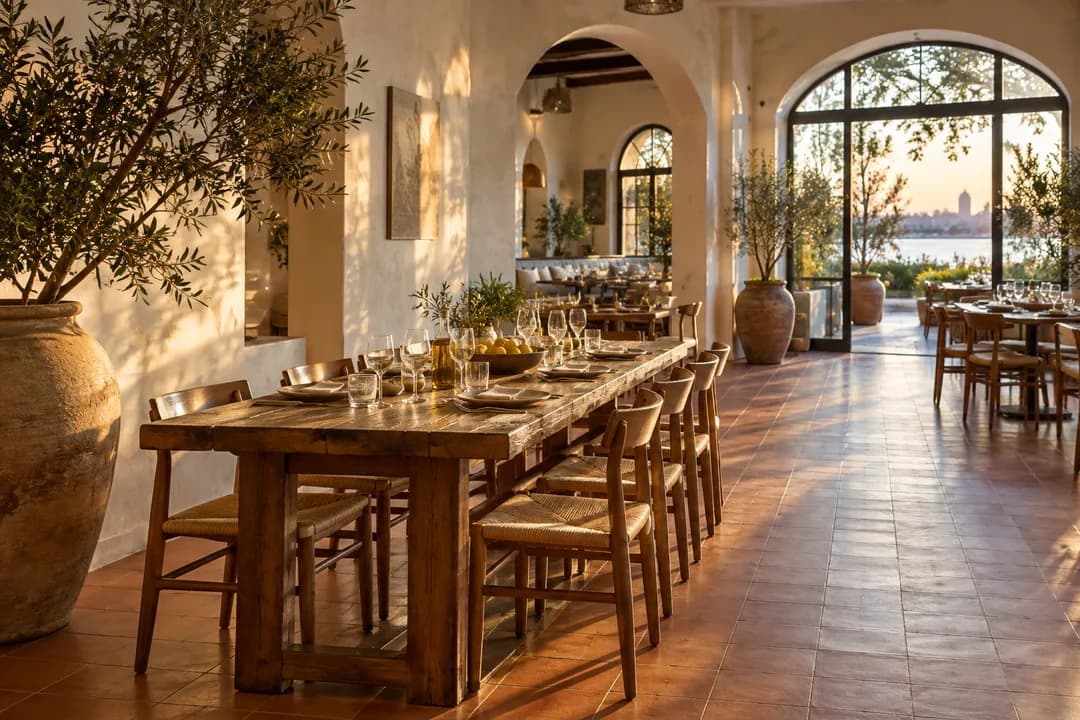
A large-looking room can contain tightly arranged tables, narrow passages or chairs that some guests find difficult to use. Turn comfort into a few concrete requirements. You may need standard-height dining chairs rather than stools, an accessible entrance, a table on the main dining level or room to reach a seat without moving several people. Ask Karpo to compare candidates using available descriptions and photographs, while keeping unanswered access questions visible. Images can illustrate a layout, but they do not establish the complete route or the table assigned to your family.
Table shape also changes the meal. A long table can be convenient for serving shared dishes but may split conversation into two groups. A round arrangement can make it easier to address everyone, depending on its size. Joining several small tables can introduce awkward gaps and edges. Describe how you want the family to interact, and ask the venue about the specific arrangement it can offer. Do not assume that a reservation for eight means everyone will have the same kind of seat or an equally easy place to reach the food.
Pick the way you want to share Mediterranean food
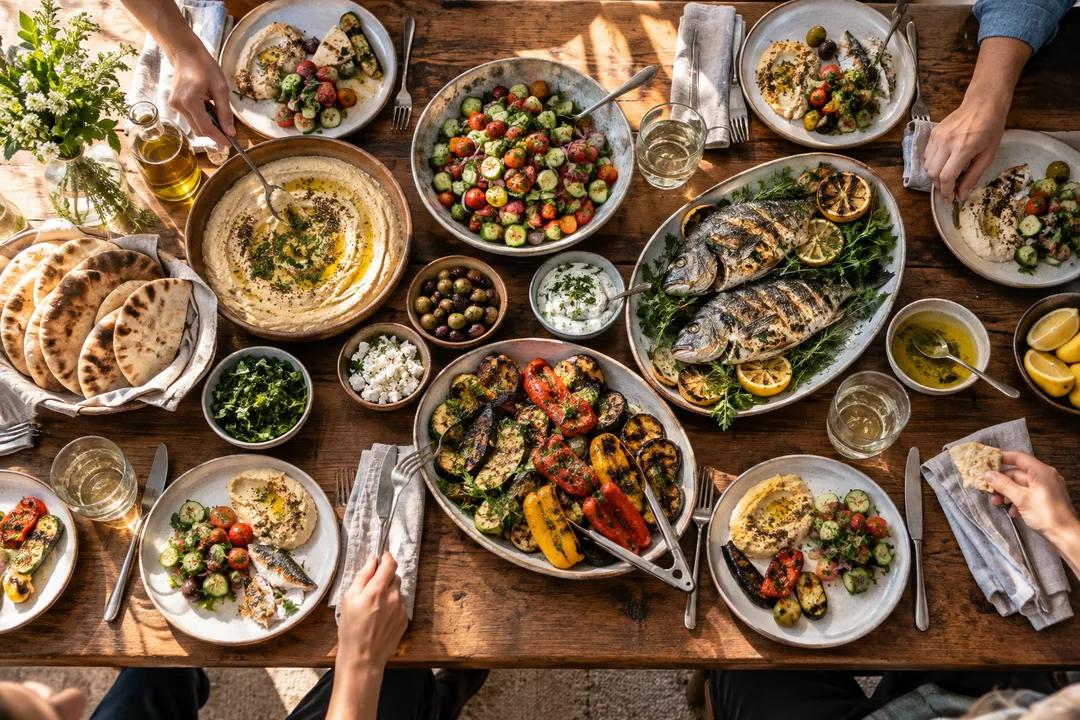
Mediterranean is a starting point for exploring menus, rather than a complete description of what everyone will eat. Different restaurants emphasize different traditions, dishes and ordering formats. Explain whether you imagine passing plates around, ordering individual mains or combining the two. A family-style spread can encourage sharing, but someone with a strict dietary need may prefer a separate plate. Ask for menu comparisons that identify usable choices for your actual group. Avoid assuming that every place in a broad culinary category offers the same dips, grills or vegetarian dishes.
Think about the serving task as well as the dishes. Platters placed only in the middle may be difficult for children or guests at the ends to reach. Separate portions can make the meal easier for someone who needs assistance or wants to avoid a shared utensil. A sensible plan could combine a few shared starters with individually selected mains, if the restaurant's service supports that. Bring that preference to the venue inquiry. The aim is to help everyone enjoy the food without making one relative spend the evening organizing every plate.
Keep allergies distinct from ordinary preferences
Collect food requirements privately, then summarize only the practical needs for the search. Someone avoiding meat by preference and someone managing an allergy need different decisions. A dish described as vegetable-based may still contain ingredients that matter to a particular guest. For an allergy, speak with the restaurant about preparation and cross-contact before committing to the meal. Do not use the presence of familiar dishes as a guarantee. Karpo can help you narrow a broad set of restaurants, while the kitchen answers questions about its own ingredients and handling.
Give less adventurous eaters an ordinary place in the plan, too. A child who wants a simple portion or a grandparent who prefers familiar flavours need not determine the whole menu, but they should have a workable meal. Ask for candidates with several suitable choices rather than one token alternative. If you are considering a fixed group menu, find out how substitutions and individual needs are handled through the venue. A shared menu can simplify ordering only when it actually accommodates the people who will sit down together.
Choose a dinner time around the group's energy
Start with the earliest arrival everyone can realistically manage and the latest finish that feels comfortable. Families often have competing rhythms: a parent may be working, children may need to eat sooner and an older relative may prefer to travel home before a late evening. Give Karpo the usable window instead of requesting an ideal time that most guests cannot reach. If the window is narrow, prioritize an appropriate service format over adding courses. An enjoyable family dinner does not require the longest meal the restaurant can provide.
Allow for arrival and settling in when making the plan. Guests may need help with coats, seating or equipment before they begin choosing food. Ask the restaurant about any dining-duration policy attached to the specific booking, and decide whether it suits your group. A formal course sequence and a casual shared dinner create different pacing. Neither should be described as automatically child-friendly or suitable for every age. Use the information you have to choose deliberately, and avoid promising relatives an unhurried stay beyond the terms the venue has accepted.
Agree on costs and send one useful family message
Decide how the family will handle the bill before the evening. One household hosting, several relatives splitting equally and guests paying for their own orders can all work, but they create different expectations. Set a spending plan that includes the intended food and drinks, then compare supported menu information on that basis. Keep the payment details out of the app conversation. If a group menu, deposit or minimum spend applies, use the restaurant's actual terms rather than a rough estimate that becomes an accidental promise to the rest of the family.
After arranging the table, send one message with the restaurant, start time, confirmed party size and the name attached to the booking. Include any relevant arrival instruction and tell relatives who to contact about a change. Keep the explanation short enough that everyone will read it. The Karpo APP can support the earlier search and help refine a shortlist, while the final confirmation supplies the details of the meal. A good Astoria family plan gives eight people a clear place to gather, food they can enjoy and enough comfort to spend their attention on each other.
Ask Karpo for more information.
Keep reading
- Chelsea Pizza Slice Crawl Planner Between Galleries
 East Village Pizza Slice Crawl Planner for Vegan and Classic
 Park Slope Pizza Slice Crawl Planner for Stroller Saturdays