 Fort Greene Holiday Market Browsing Guide for Young Shoppers
Weekend Plans
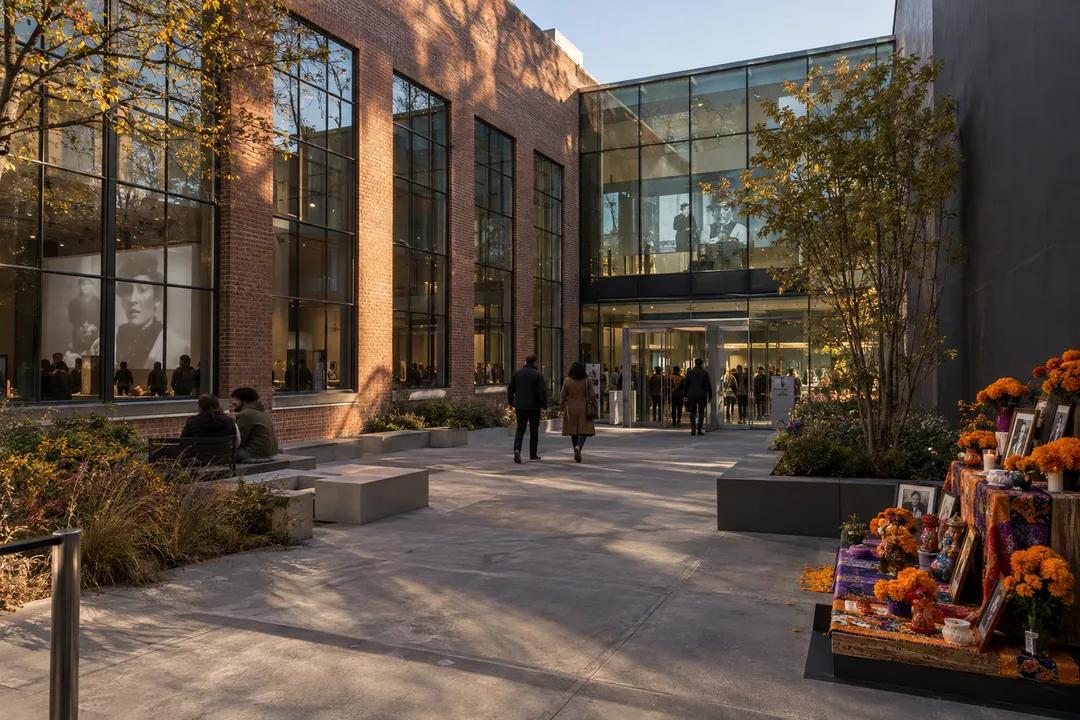
Day of the Dead Events Near Me: Museum of the Moving Image
A practical Queens guide to using the Museum of the Moving Image as a thoughtful Day of the Dead outing, with 2026 listing checks, family logistics, transit, and nearby Astoria stops.
If you are searching for day of the dead events near me and want a Queens plan with more substance than a crowded bar night, the Museum of the Moving Image is a useful place to watch. Its Astoria building connects film, television, animation, and public culture, so a holiday visit can hold an altar conversation, a family screening, or a self-guided afternoon even when the 2026 Día de Muertos program has not yet been posted.
The museum is at 36-01 35th Avenue in Astoria, in the former campus of the historic Kaufman Astoria Studios. That address matters because the outing feels different from a Manhattan gallery crawl: you arrive in a working neighborhood, pass old studio architecture, and enter a building designed around media history. The closest subway is the M or R at Steinway Street, with the N and W at Broadway a longer walk away.
As of October 10, 2026, the museum's public calendar should be checked before you travel for any Día de Muertos screening, altar program, or family workshop. I am not treating an unposted event as confirmed. The reliable plan is to reserve the museum as your cultural anchor, then add a nearby Mexican meal or a second Queens stop. That keeps the itinerary useful even if a seasonal listing changes.
What makes this venue a good holiday match is its attention to how images carry memory. Día de Muertos is built around photographs, objects, food, flowers, and stories that keep someone present, and the museum gives families language for discussing why an image can be both evidence and emotion. A visit works especially well when you let the galleries lead into a conversation about who gets remembered and how.
Start with the museum's core exhibitions rather than rushing toward a seasonal photo moment. Moving-image artifacts, animation tests, costumes, and interactive displays make the visit active for children, while adults can linger over production design and the history of screen culture. If a 2026 ofrenda appears in the program, approach it as a place of remembrance first. Do not turn the altar into a decorative backdrop for loud group photos.
The museum's family appeal is practical. Children can move between tactile displays and visually rich galleries without needing to stand quietly through an entire ceremony, while older relatives can take breaks in the building's seating areas. Ask at the desk whether a holiday workshop has an age range, registration cap, or materials fee. Those details are more useful than assuming every seasonal activity is drop-in.
General admission has historically been priced in the range of a major New York museum, with discounts for children, seniors, students, and members; verify the live 2026 rate before paying. Special screenings and workshops can carry separate tickets. A family should budget for admission plus one paid program rather than assuming the entire calendar is included, especially during school-break weekends when popular events can fill.
Hours and gallery access can vary by weekday, exhibition, and private screening. Check the official calendar on the morning of your visit, then leave enough time for security, ticket collection, and the first gallery. The museum is not a quick subway-platform pop-in. Two hours is a sensible minimum, while families who add a screening or workshop should plan on half a day.
The queue strategy is simple: buy timed admission online when the calendar offers it, arrive shortly before the opening window, and ask staff where a registered workshop checks in. If a Día de Muertos event is free but ticketed, treat the reservation as the scarce resource. A stroller, coat, or large bag may be inconvenient in crowded galleries, so travel light and keep children close around interactive exhibits.
The building itself is part of the story. The museum occupies the former Astoria studio complex, a place associated with New York production history, and its architecture gives the visit a distinctly local texture. You are not entering a generic black-box event hall. Brick, studio traces, projection rooms, and hands-on displays make the setting feel connected to the city's long relationship with filmmaking.
For a deeper holiday conversation, look for the parts of the collection that show family photographs, recorded voices, puppetry, or animation. These are natural prompts for talking about ofrendas without reducing Día de Muertos to sugar skulls and face paint. If the museum hosts a film tied to Mexican or Mexican American memory, read the program note and stay for the discussion rather than treating the screening as background noise.
Astoria gives you an easy second act. Walk toward Steinway Street for Greek and Middle Eastern food, or take a short ride toward the waterfront for a calmer view of the East River. A small bakery stop, a coffee counter, or a visit to a neighborhood grocery can make the afternoon feel rooted in Queens rather than like a single-ticket excursion. Keep the route flexible for children and elders.
Practical notes: wear shoes suited to standing, bring headphones for a child who needs a quieter break, and confirm elevator access for the specific gallery route. Photography rules can differ between permanent displays, special exhibitions, and an altar. Do not bring food into gallery spaces. If the 2026 event requires a separate check-in, save the confirmation on your phone before entering the subway.
This is the right pick for visitors who want Day of the Dead events near me to mean a cultural afternoon rather than a costume-heavy party. Film lovers, families, teachers, and curious travelers will find a clear reason to come even if the holiday listing is still pending. The museum gives the tradition room for questions, context, and memory, then leaves you close to an Astoria evening that can continue at your own pace.
Before leaving, make one final check that the outing still fits the holiday rather than only the venue. If the 2026 calendar adds a film screening, put the screening first and treat the galleries as context. If no seasonal program appears, make the afternoon about memory in moving images, then choose dinner nearby with the same care. That small adjustment keeps the article honest and gives a real visitor a plan that still works on the ground.
Ask Karpo for more information.
Keep reading
- Fort Greene Holiday Market Browsing Guide for Young Shoppers
 DUMBO Holiday Market Browsing Guide for Gifts to Mail Home
 Midtown East Holiday Market Browsing Guide for Commuters