 Fort Greene Holiday Market Browsing Guide for Young Shoppers
Weekend Plans
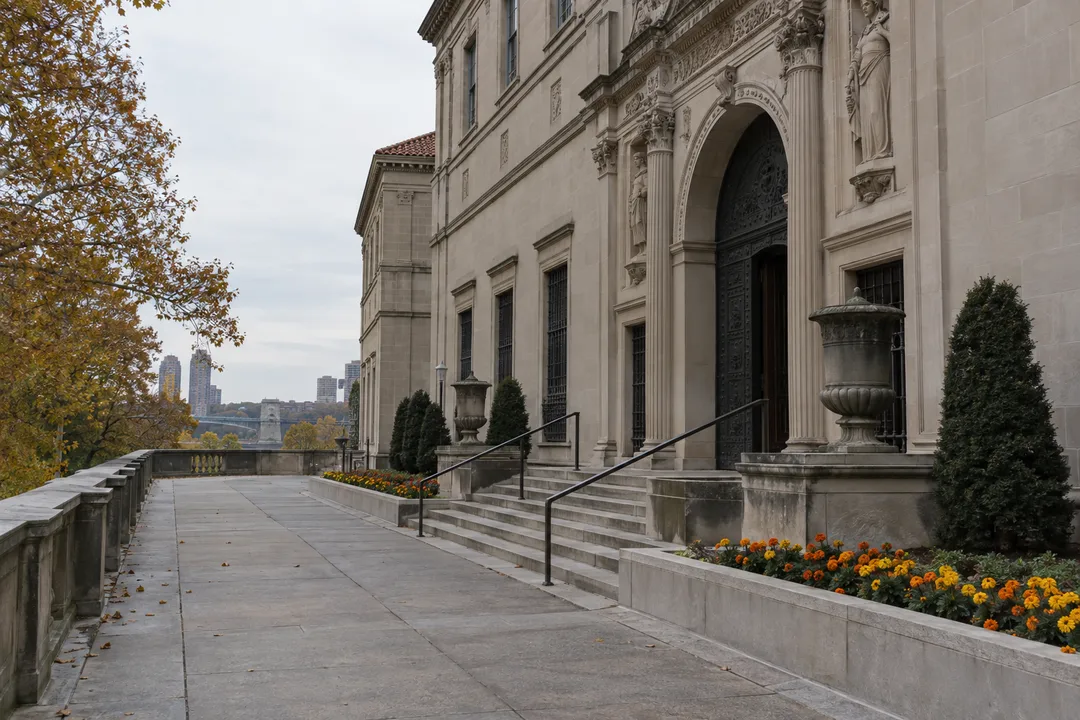
Day of the Dead Events Near Me: Hispanic Society in Washington Heights
A Washington Heights guide to pairing a Día de Muertos search with the Hispanic Society Museum & Library, including its art context, 2026 calendar caveat, transit, and neighborhood route.
For a search like day of the dead events near me, the Hispanic Society Museum & Library offers a quieter Upper Manhattan route built around Spanish, Latin American, and Lusophone art. It is not useful to claim a 2026 Día de Muertos ceremony before the institution posts one, but the museum is a serious place to learn how portraiture, devotional objects, family history, and public memory can sit together in a seasonal itinerary.
The museum is at 613 West 155th Street in Washington Heights, near Broadway and the Audubon Terrace cultural complex. The A, C, and 1 trains serve the area, although the exact walk depends on which line you take and which entrance is open. Give yourself extra time on the approach: the terrace and surrounding buildings are part of the experience, and a rushed arrival makes the museum feel more remote than it is.
The first fact to verify is the institution's current visitor schedule. Museums change opening days during installations, and a holiday program may use registration even when general galleries are free. On October 10, 2026, any specific Día de Muertos date, ticket price, workshop rule, or altar location should be read from the live calendar. This guide treats the museum as a dependable cultural venue, not as proof of an unannounced event.
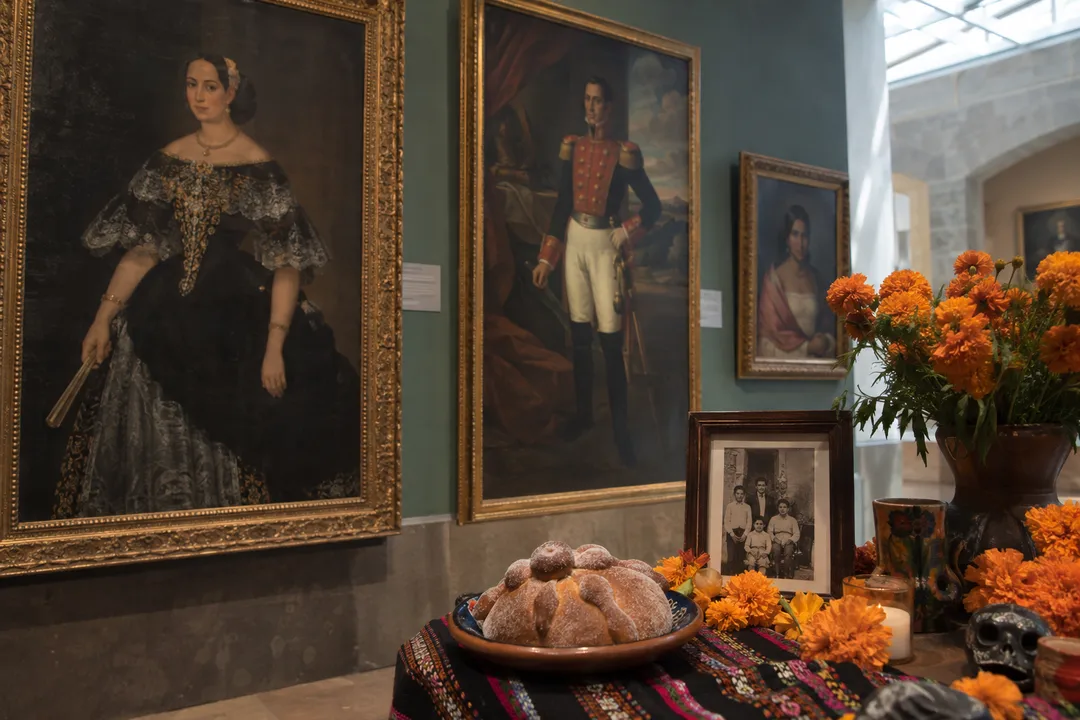
The connection to Día de Muertos begins with looking closely at images of people. In a portrait, a face becomes an encounter across time; in an ofrenda, a photograph helps welcome a loved one home. That parallel gives parents and teachers an accessible way to explain the holiday without flattening it into Halloween. Ask children what details make a portrait feel like a real person rather than a formal object.
A museum visit here rewards patience. Paintings, devotional works, decorative arts, and library context ask you to slow down, which is exactly what a remembrance-centered day needs. If a temporary installation or community altar is on view, read its labels before photographing it. If nothing seasonal is installed, the permanent collection still gives the outing a strong reason to exist and avoids the disappointment of chasing a rumor.
The venue works best for adults, older children, and teens who can handle a more contemplative gallery. Younger visitors can come, but plan a shorter route and pair it with open-air time on Audubon Terrace. Ask staff whether sketching, family tours, or school-style activities are available on your date. A simple pencil and notebook can turn the visit into a memory exercise without adding a formal workshop.
Admission has often been free or donation-supported, but the current policy belongs to the museum's visitor information rather than an old listing. Special lectures, concerts, or ticketed programs may be separate. Bring a payment method for a donation, then check whether registration is required for the event you actually want. Do not promise children a free workshop until the calendar confirms the capacity and age rules.
Opening hours are not something to guess for this institution. Galleries may close for conservation, seasonal changes, or private programming, and the library has different access expectations from the public museum. Check the official schedule, reserve if requested, and arrive early enough to pass through the terrace without missing a timed entry. Ninety minutes covers a focused visit; two hours allows a slower reading pace.
Queues are usually less dramatic than at a major Midtown blockbuster, but small programs can still fill. For a Día de Muertos talk or family activity, register as soon as the 2026 listing appears and keep the confirmation separate from your general museum plan. On arrival, ask where coats, strollers, and photography are handled. Quiet behavior matters more than speed because the galleries are designed for close attention.
Audubon Terrace gives the outing a strong sense of place. The museum is part of a cluster of cultural institutions and historic architecture rather than an isolated storefront, and the stone setting changes the rhythm of a Washington Heights walk. Take a few minutes to look at the exterior before entering, then return outside after the galleries. That pause helps connect the art to the neighborhood's layered civic history.
If an altar is present, notice the difference between a museum display and a family ofrenda. Institutional presentation can explain materials and history, but it cannot replace the personal relationship that gives an offering its meaning. Use the museum as a place to learn vocabulary and context, then let a neighborhood conversation or family memory carry the emotional part. That distinction keeps the holiday from becoming a staged seasonal prop.
The surrounding route can continue along Broadway for Dominican food, bakeries, and small shops, or turn toward the Hudson for a longer neighborhood walk. If you have energy, combine the museum with a visit to the nearby Hispanic cultural institutions rather than crossing town between every stop. Build in a snack break because the best Washington Heights plans are paced like a neighborhood day, not a checklist of five rushed attractions.
Practical notes: confirm elevator access and gallery photography rules, bring a light layer for the terrace, and avoid carrying a large backpack if you plan to spend time in close galleries. Public transit is more reliable than parking near Audubon Terrace. Save the address, calendar confirmation, and return route before you enter the museum because cell service and reception can vary inside older cultural buildings.
Choose this venue if you want day of the dead events near me to lead into art, history, and a slower Washington Heights afternoon. It is especially strong for a couple, a teacher planning a thoughtful outing, or a family with older children who ask why photographs and offerings matter. The 2026 seasonal details must be confirmed separately, but the museum's cultural foundation makes the trip worthwhile even without a headline event.
Before you leave Washington Heights, pause again on the terrace and let the neighborhood reset the tone. The value of this plan is not that the museum pretends to be a Mexican community altar. It is that the collection gives visitors a disciplined way to look at faces, objects, and inherited stories before they enter any public Día de Muertos gathering elsewhere in the city. That slower habit of attention is useful long after the seasonal search is over.
Ask Karpo for more information.
Keep reading
- Fort Greene Holiday Market Browsing Guide for Young Shoppers
 DUMBO Holiday Market Browsing Guide for Gifts to Mail Home
 Midtown East Holiday Market Browsing Guide for Commuters