 Lower East Side Hidden Speakeasy Bar Picker for a Solo Night
Bars & Nights Out
NYC Date Night Plan Builder: Quiet or Lively Tonight
A NYC date night starts with choosing conversation or energy. Compare two evening briefs in Karpo APP using your budget, travel limit and preferred pace.
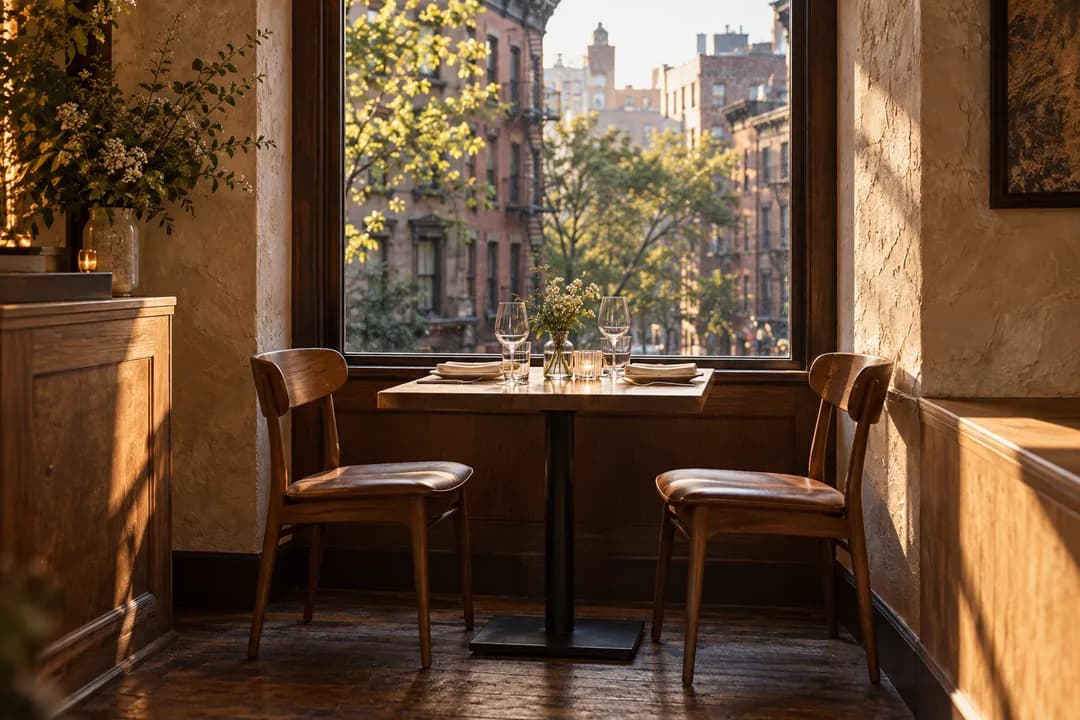
A quiet table and an energetic room can both sound like a good date until you try to fit them into the same evening. Start your NYC date night plan builder with a choice about attention: do you want to hear each other's stories, or share something happening around you? You do not need a restaurant name yet. Decide what would make tonight feel satisfying, then open Karpo APP and ask for local suggestions that match that answer.
Describe the conversation you want to have
Quiet is an incomplete instruction. It might mean a seated meal without amplified music, a casual setting where you can linger over dessert, or a short outdoor stretch before dinner. Write the useful version: two seats, easy conversation, no performance during the main part of the date, and enough flexibility to finish when you choose. Those details describe what you need from the room. They are more helpful than calling every attractive place romantic and hoping the atmosphere works.
Separate privacy from silence. Some people relax in a room with background conversation because pauses feel less noticeable. Others find that even a modest crowd makes listening difficult. Ask your date which matters more: hearing clearly, having space around the table, avoiding formal service, or being able to leave after one course. If hearing access is a requirement, state it directly in your request. A general mood description cannot establish a particular venue's accessibility or sound conditions.
Give the lively option a main event
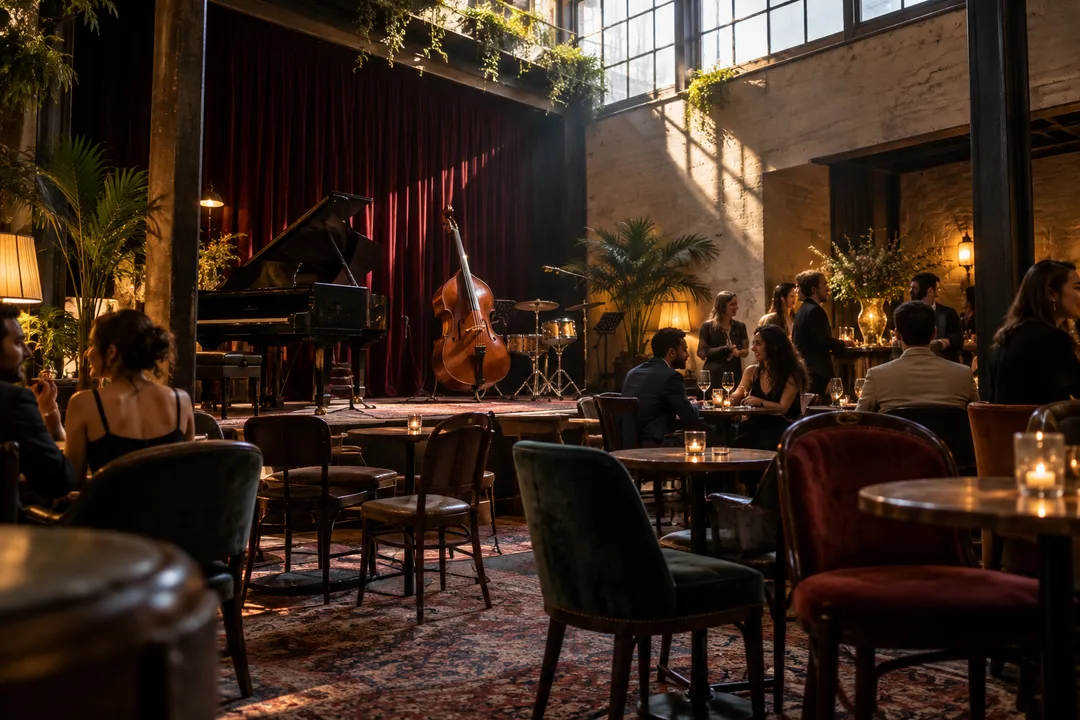
An energetic plan needs a reason to be energetic. Perhaps you want dancing, a performance, a participatory game, or dinner with a sense of occasion. Choose one of these as the center of the evening. Treating all activity as interchangeable can produce a shortlist that looks varied but offers no clear decision. Someone who enjoys watching musicians may dislike a competitive game, while someone who wants to move around may feel confined by a seated show.
Write down the amount of conversation you still want. A lively evening can include a quieter beginning, but that beginning deserves its own time allowance. If you arrive directly from work and want to catch up, request a meal or meeting point before the activity. If the shared event is the attraction, keep the preceding stop simple. Avoid turning a single evening into a sequence of meals, entertainment and late drinks merely because each sounds appealing in isolation.
Compare equal budgets and equal travel effort
Give both versions the same spending ceiling. Count the categories you expect to pay for: food, drinks if wanted, admission where applicable, and transportation. State whether the ceiling is for one person or the pair. A quiet dinner with several courses and a lively activity followed by a snack are different packages. Comparing only their headline prices would hide what you are actually buying. Your budget is a planning instruction here, not a quoted price for any business.
Use the same departure point and finishing requirement as well. For example, you could ask to begin near your workplace and finish within a comfortable journey of each person's route home. Specify your maximum walking time in minutes as a preference. Do not assume that two places described as downtown are a convenient pair. Once you have specific candidates, inspect their locations on a map and decide whether the connection fits your walking pace and mobility needs.
Ask for two small shortlists
Try a request such as: We are planning a date in NYC this evening. We want to compare a conversation-focused meal with a more energetic activity. Suggest two candidates for each mood within our chosen neighborhood. Our total spending ceiling is the amount we will provide, and we want a short connection between stops. Explain why each candidate fits the mood and distinguish published details from assumptions. This keeps the request focused while leaving space for a useful recommendation.
Karpo's public website invites users to open the app and ask where to have dinner or what is worth seeing over the weekend. Use that conversational discovery approach to describe this evening in your own words. Ask follow-up questions about any suggestion that seems mismatched. The task is to obtain ideas you can evaluate together. A recommendation alone does not establish a reservation, a ticket purchase, or the sound level of a room at the moment you arrive.
Make the choice together before adding stops
Share the two options as complete experiences. For the quiet version, explain where conversation happens and whether the meal is the whole date. For the lively version, identify the activity and how much time surrounds it. Ask your date which feels more appealing after the day they have had. Presenting these descriptions is easier to answer than forwarding a collection of unrelated links and asking them to create an itinerary from scratch.
You can also agree on a mixed evening with a clear priority. If conversation comes first, make the louder activity optional and avoid a prepaid commitment that forces you to hurry through dinner. If the event matters most, work backward from its published entry requirements and leave the meal enough room. The important choice is which part gets protected when time becomes tight. Without that priority, a combined plan can disappoint both people by giving neither experience enough attention.
Use a meaningful fallback
A fallback should preserve the chosen mood. If your quiet candidate is unsuitable, another conversation-friendly setting is a more coherent substitute than a crowded entertainment room. If the activity is unavailable, discuss whether a different shared experience would still feel worthwhile. A substitute nearby might solve the travel problem while changing the entire point of the date. Decide which feature you are trying to keep before accepting an alternative simply because it is convenient.
Keep the fallback compact enough to remember. You need the alternative's role and the condition that would make you switch, not a second elaborate schedule. For example, agree to remain in the same area and choose a seated conversation stop if the original activity cannot happen. That instruction can guide a fresh request in the app. It also gives both people permission to simplify the evening without treating the change as a failed romantic gesture.
Practical Notes for tonight's decision
Before leaving, share the selected meeting place, who will arrange any required purchase, and the intended finishing point. Read the actual venue or ticket seller's terms when you make a commitment, especially where entry time, cancellation or seating affects your plan. Leave unconfirmed commercial details out of the invitation. You can still make an appealing proposal by describing the mood, the neighborhood you have chosen together, and the part of the evening you are most excited to share.
Your final message can be short: I would like a conversation-first evening, with one optional activity afterward if we both feel like it. Or choose the opposite: Let us make the shared activity the main event and keep food simple. Bring that decision, your travel boundaries and your spending preference into Karpo APP when asking for local ideas. A useful plan ends with one agreed direction and a next action that someone has actually taken responsibility for.
Ask Karpo for more information.
Keep reading
- Lower East Side Hidden Speakeasy Bar Picker for a Solo Night
 West Village Hidden Speakeasy Bar Picker for Out-of-Towners
 Carroll Gardens Hidden Speakeasy Bar Picker for a Nightcap