 Lower East Side Axe Throwing Group Night Picker: Bride Crew
Sports Social
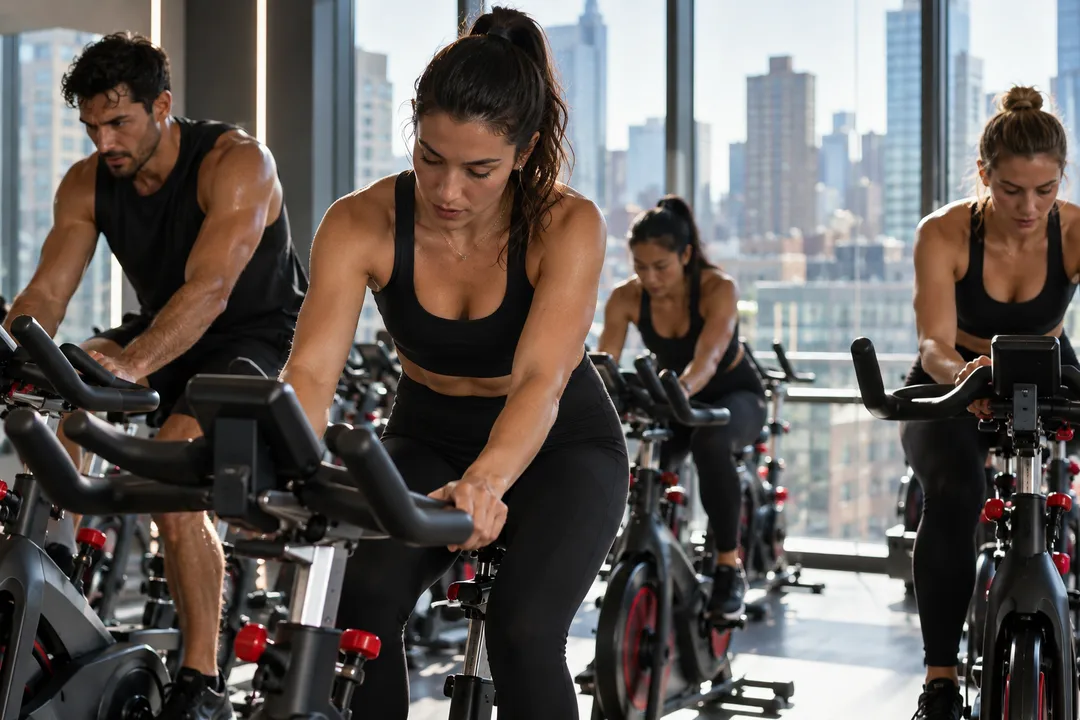
CycleBar NoMad Cycling Studio in NoMad: $20 First Ride
CycleBar NoMad at 420 Park Avenue South offers a $20 first ride and weekday-to-weekend classes; the performance screen helps pace your first visit.
Before you reserve, CycleBar NoMad is built around measurable effort. At 420 Park Avenue South, New York, NY 10016, the $20 first ride introduces a 45-minute session where cadence, resistance, and output become part of the conversation. The room feels more like a Midtown training lab than a candlelit escape, which is useful if you want a clear sense of how hard you are working.
Start With The Practical Details
CycleBar is not the place to compare outdoor-bike handling or road feel. It is the place to make indoor effort legible. If your training plan needs hills, handling, or long endurance, add those outdoors. If your main problem is finding a reliable hour that produces a measurable workout, NoMad's format is easier to repeat than a vague gym visit.
First-timers should begin below their imagined limit. Keep the first climb controlled, watch how the display reacts when resistance changes, and use the recovery block to settle your breathing. An experienced rider can chase a stronger number later. The introductory visit should teach you the room's scale and the difference between discomfort and poor form.
Repeat visitors get the most from choosing a consistent class time. Early rides feel efficient, lunch-hour rides can be compact, and evening sessions carry more social energy. Try one of each before deciding. The best time is the slot you can attend without a frantic commute, because performance metrics cannot compensate for a schedule you abandon.
What The Room Feels Like
Do not buy a large package because the first class feels exciting. Wait until you know whether the instructor's style matches your goal and whether the commute survives a normal workweek. Also avoid arriving at the last minute. The most polished experience comes from treating setup, water, and exit as part of the class rather than as problems to solve afterward.
I would skip the busiest after-work slot for your first visit, especially if you dislike crowded locker areas. A morning or weekend class gives you more space to ask about the display and pedal system. Return to peak hours once the routine is familiar; then the louder room becomes energy instead of friction.
Practical notes: bring water, wear close-fitting clothes, ask about shoe rentals, and arrive early enough to see the bike screen before the lights dim. Ask the desk which class has open bikes if your preferred time is full. The $20 intro price is enough to test the experience; no long commitment is needed on day one.
How To Ride Without Wasting The Visit
CycleBar NoMad is a strong fit for someone who wants a performance-oriented cycling studio in a central neighborhood, a $20 first ride, and a post-class walk through the Flatiron district. It is not a quiet meditation workout. It is a clear, coached effort with numbers, music, and a schedule built for repetition.
One last practical test for CycleBar NoMad is simple: can you imagine returning next week, at 420 Park Avenue South, New York, NY 10016, without rearranging your whole day? If yes, the studio has done its job.
The final choice belongs to your calendar. At CycleBar NoMad, a repeatable booking, a clear entry price, and a route through Madison Square Park, the Flatiron Building viewpoint, and the coffee counters on East 27th Street are stronger reasons to return than novelty alone.
Build A Neighborhood Loop
That is also why the address matters. CycleBar NoMad is not an abstract workout recommendation: it is a specific room, a specific neighborhood, and a specific way to spend the hour before or after class. For a NoMad comparison, weigh the class timing against the rest of your workday before buying a package.
The published schedule runs Monday-Friday 5:30 am-9:00 pm; Saturday-Sunday 7:30 am-6:00 pm. That range makes the studio unusually practical for office workers, early commuters, and weekend visitors staying near Madison Square Park. Book the class that leaves enough time for arrival and bike setup; the short walk from a train is not a substitute for the fifteen minutes a new rider needs at the desk.
The $20 first ride is the clean entry point. Use it to learn how the performance display works, whether you like the music level, and how often the coach asks riders to stand. The data is helpful only after the bike fits. A poorly adjusted saddle can turn a neat screen into a distraction, so ask staff to check the position before class.
Practical Notes And Final Call
NoMad brings a mixed crowd: people heading to work, visitors staying near hotels, and regulars who compare numbers without needing to announce them. The room's etiquette is more practical than theatrical. Keep your towel and bottle where they belong, stay aware of the rider next to you, and let the coach's instruction—not another person's score—set your pace.
Pick a bike with a clean sightline to the instructor and display. The front row gives you the clearest visual cue, while the side or rear can be less exposed for beginners. CycleBar's measured format is forgiving when you pay attention. You can ride hard without pretending that every class is a race against the person on the leaderboard.
The workout's signature is the sequence of numbers: cadence rises, resistance comes up, then the coach gives you a reason to recover. That structure is useful for cyclists who like feedback and for newcomers who want something more concrete than 'push harder.' The goal is not to memorize your output; it is to learn which effort you can repeat.
A Repeatable Ride, Not A One-Off Challenge
Peak classes often create a lobby bottleneck even when the bike line is moving. Finish the waiver before arriving, bring a small bag, and allow time to find the locker or restroom. The late-arrival rule is easier to respect when you understand the reason: once the room starts, a door opening or bright screen can break the visual rhythm for everyone.
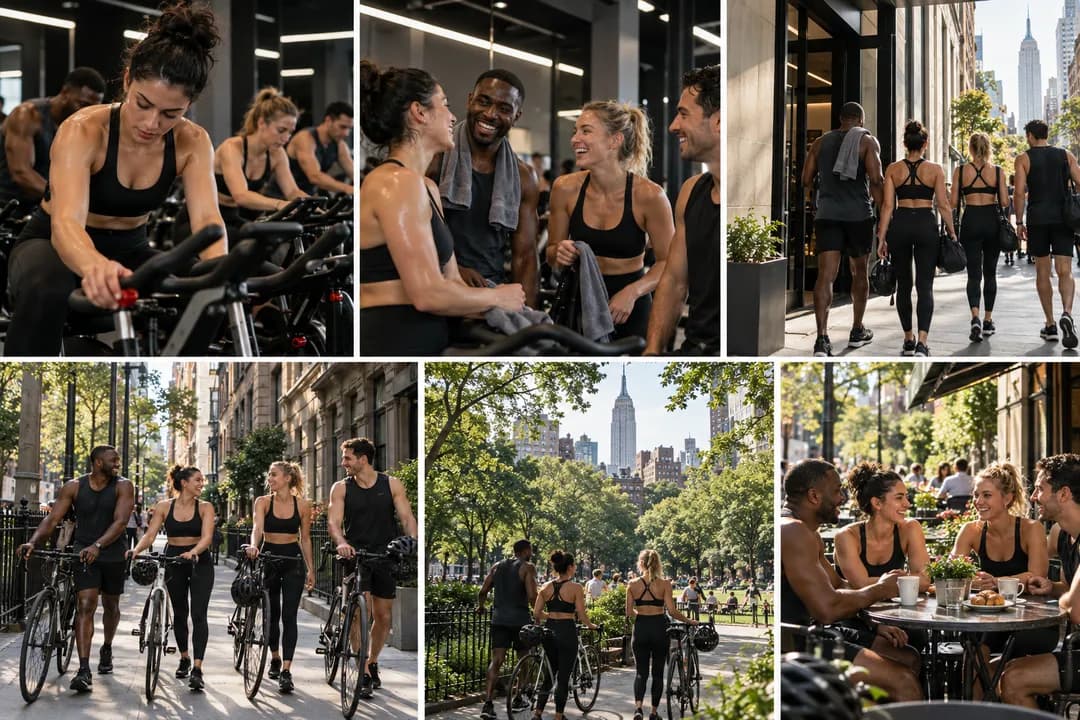
After the ride, make a short loop through Madison Square Park, the Flatiron Building viewpoint, and the coffee counters on East 27th Street. Madison Square Park is close enough for a cooldown walk, and the Flatiron streets give you something to look at while your heart rate drops. This is a good studio for a workday routine because the neighborhood supplies coffee, lunch, and transit without requiring a second trip across town. A useful NoMad habit is to protect the transition into and out of class. Put the reservation beside the subway plan, bring a layer for the walk, and keep the first meal afterward simple. Those small choices make a crowded schedule feel more forgiving and give the ride a better chance of becoming a weekly anchor. NoMad makes convenience tempting, but convenience is not the same as rushing. Put a spare layer in your bag for the walk to the station, keep a small snack available if the class falls across lunch, and check the late-arrival rule before you leave work. If the booking page shows several instructors, choose one whose coaching style matches your current goal: technique for a reset, rhythm for motivation, or a steadier class when the calendar is crowded. After the ride, let the city become part of the cooldown. A short loop through nearby streets can bring your breathing down before you return to a desk. The studio earns its place in a workweek when it reduces planning friction while still giving the body a meaningful reason to move.
Ask Karpo for more information.
Keep reading
- Lower East Side Axe Throwing Group Night Picker: Bride Crew
 West Village Axe Throwing Group Night Picker: Quiz Rivals
 Carroll Gardens Axe Throwing Group Night Picker: Parents Off