 Chelsea Consignment Shop Crawl Planner for Your First Studio
Hidden Gems & Odd Finds
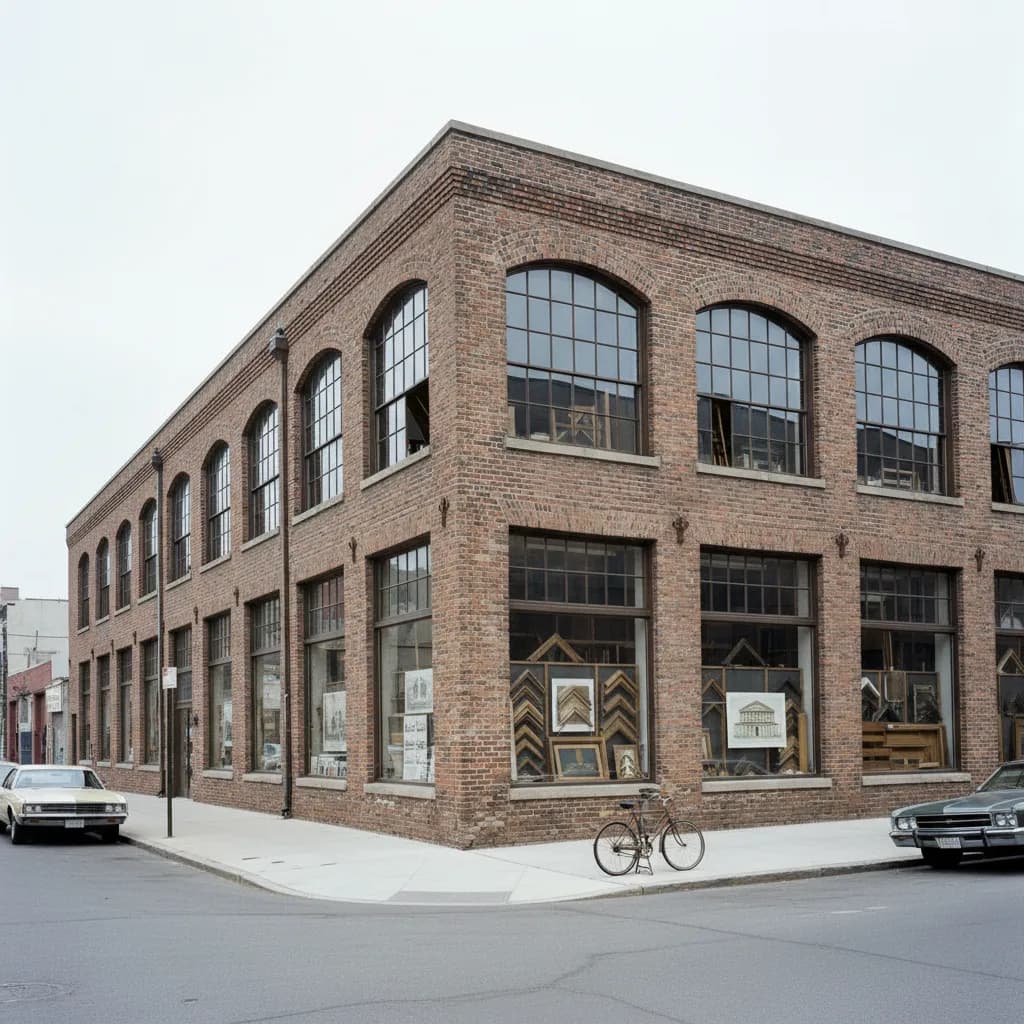
Long Island City Custom Framing Studio: Bark Frameworks
Explore Bark Frameworks in Long Island City, the premier museum-grade custom framing studio crafting preservation frames for galleries since 1969.
Bark Frameworks stands in an industrial enclave of Long Island City as one of the most respected custom framing studios in the international art world. Located at 42-45 12th Street near 44th Drive, the expansive Queens facility combines fine woodworking, conservation science, and bespoke design under one roof. Established in 1969 by Jed Bark, the company pioneered modern preservation framing techniques that transformed how major museums, blue-chip galleries, and serious private collectors protect their art. Before Bark Frameworks established its standards, picture framing often relied on destructive cardboard backings, non-reversible chemical glues, and unsealed frames that accelerated paper deterioration. Jed Bark and his team introduced museum-standard practices such as sealed microclimate packages, passive humidity buffers, and uncompromised archival joinery. Today, a visit to their Long Island City showroom reveals an atelier operating at the pinnacle of international conservation standards, where every frame is conceived as a durable architectural shelter for works of profound cultural value.
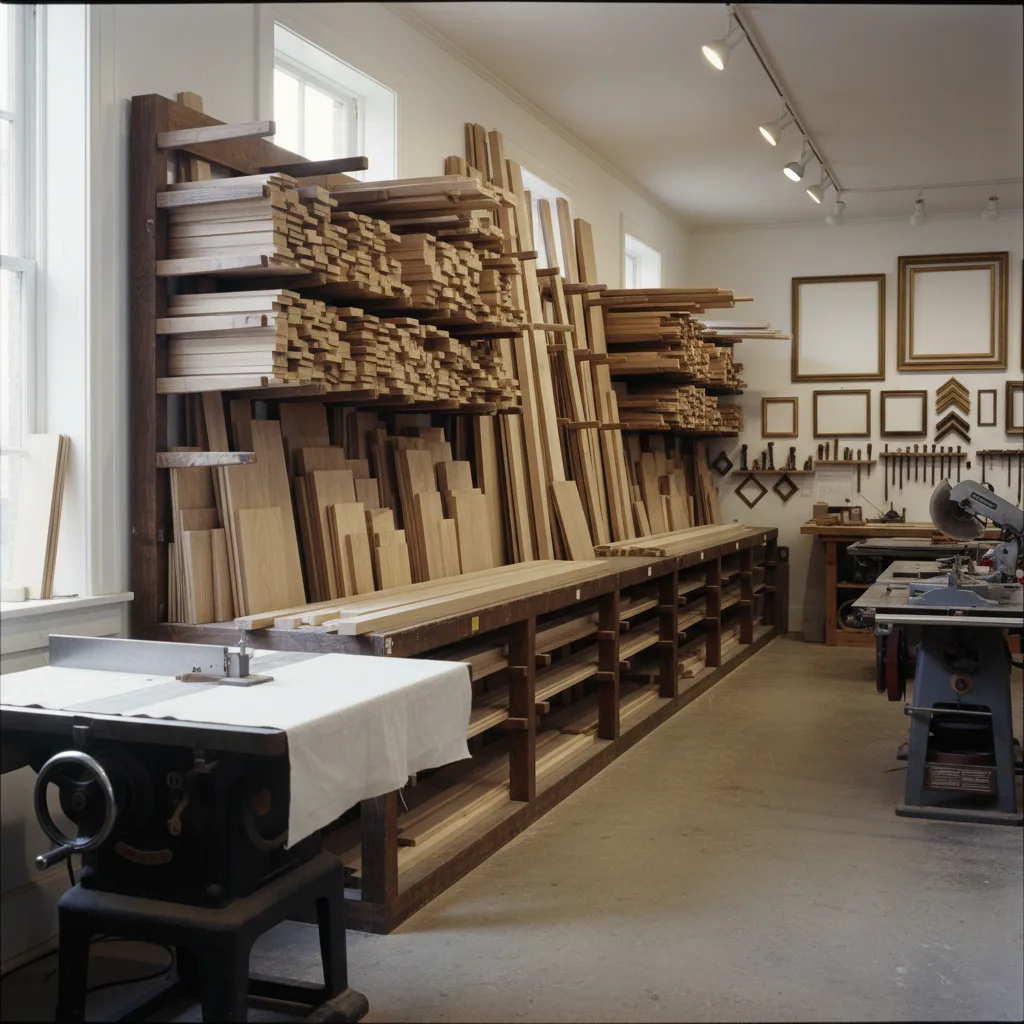
Pioneering Conservation Science Since 1969
The core philosophy at Bark Frameworks is that framing should never compromise the longevity of artwork. In historical collections, improper mats and acidic adhesives have ruined countless prints, watercolors, and photographs. The studio avoids these failures through rigorous material testing and strict scientific protocols. Every matboard used in the workshop consists of pure cotton rag that contains zero lignin and zero sulfurous residues. The boards are buffered with calcium carbonate to neutralize ambient acidic gases that penetrate urban galleries and private residences over decades of display.
Mounting techniques at Bark Frameworks follow strict reversibility standards developed in collaboration with leading institutional paper conservators. Fragile Japanese kozo hinges and refined wheat starch paste secure artwork to archival backing supports with minimal surface contact. In the event that a print must undergo future scientific examination or conservation treatment, the adhesive releases cleanly in the presence of controlled moisture without stripping paper fibers. For contemporary works on panel or heavy canvas, custom welded aluminum sub-frames provide structural rigidity while preventing warping caused by seasonal changes in indoor humidity.
Handcrafted Hardwood Profiles and Finishes
What distinguishes a Bark frame from ordinary commercial mouldings is the complete integration of timber selection and hand finishing. The studio mills its own frame profiles from sustainably sourced domestic hardwoods, including Pennsylvania walnut, Appalachian white oak, Northern hard maple, and American cherry. Each board is hand-selected for straight grain, structural density, and natural color consistency. Instead of applying synthetic plastic stains or pre-fabricated veneers, the artisans finish frames with proprietary hand-rubbed oil blends, organic waxes, and shellac.
These hand finishes allow the natural tactile beauty of the wood grain to breathe and develop a subtle patina over time. The studio is especially celebrated for its joinery. Rather than relying on simple glued miter joints reinforced with metal staples, Bark Frameworks incorporates traditional splines and internal hardwood biscuits that lock corner miters permanently in place. For minimalist contemporary installations, the shop designs ultra-slim face profiles that appear delicately understated from the front while providing substantial wall depth to house deep archival spacer packages.
Metal finishes are also crafted in-house for collectors seeking sleek architectural borders. The metalworking department fabricates precision welded corner frames from solid brass, bronze, and aluminum. The welds are hand-filed, sanded seamless, and patinated to achieve soft blackened, antique statuary, or brushed satin surfaces that resist oxidation and fingerprints.
Custom Microclimates and Museum Glazing
Bark Frameworks is internationally renowned for designing sealed microclimate vitrines and museum-grade enclosures. In fluctuating environments where artwork travels between climate-controlled galleries and private historic apartments, shifts in relative humidity cause paper to cockle and parchment to buckle. To prevent environmental stress, the workshop constructs hermetically sealed frame packages utilizing impermeable barrier films, marvelseal membranes, and pre-conditioned silica gel tiles that stabilize relative humidity inside the housing.
Glazing selection is strictly tailored to preservation demands. The studio primarily installs Tru Vue Optium Museum Acrylic, which provides ninety-nine percent protection against ultraviolet light radiation while virtually eliminating surface reflections. Unlike traditional picture glass, Optium acrylic is shatterproof and anti-static, ensuring that friable pastel particles and loose charcoal dust are not pulled toward the glazing surface by static electrical charges during transit or daily display.
Visiting the Queens Showroom and Consultations
Bark Frameworks welcomes private collectors, artists, and institutional clients Monday through Friday from 9:00 am to 6:00 pm, while remaining closed on Saturday and Sunday. Because of the technical depth involved in bespoke conservation projects, the studio operates primarily by appointment. Scheduling a consultation in advance ensures that a senior framing designer can review your artwork, assess condition notes, and prepare a customized material proposal tailored to your space.
The production cycle for a bespoke Bark frame typically takes between four and six weeks, reflecting the extensive milling, joining, hand-finishing, and archival assembly required for each unique order. The team also coordinates professional crating, art transportation, and on-site art installation across the tri-state area.
Exploring Long Island City After Your Meeting
Visiting Bark Frameworks in Long Island City places you at the center of one of New York City's most dynamic visual arts hubs. After concluding your consultation on 12th Street, take a short stroll east along 44th Drive toward MoMA PS1 nearby, where experimental contemporary exhibitions and site-specific installations occupy a historic Romanesque Revival public school building. The surrounding blocks feature working artist lofts, sculpture foundries, and craft coffee roasters tucked inside restored industrial factories.
Head west toward the East River waterfront to visit Gantry Plaza State Park, where restored historic gantry cranes stand framed against panoramic views of the midtown Manhattan skyline, including the United Nations Headquarters and the Chrysler Building across the water. Spending a morning discussing museum-grade preservation at Bark Frameworks followed by an afternoon exploring Queens art spaces provides an enriching glimpse into the technical mastery and creative energy that sustain the New York cultural landscape.
Ask Karpo for more information.
Keep reading
- Chelsea Consignment Shop Crawl Planner for Your First Studio
 East Village Consignment Shop Crawl Planner: Leather Jackets
 Harlem Consignment Shop Crawl Planner for a Jazz Night Look