 Chelsea Consignment Shop Crawl Planner for Your First Studio
Hidden Gems & Odd Finds
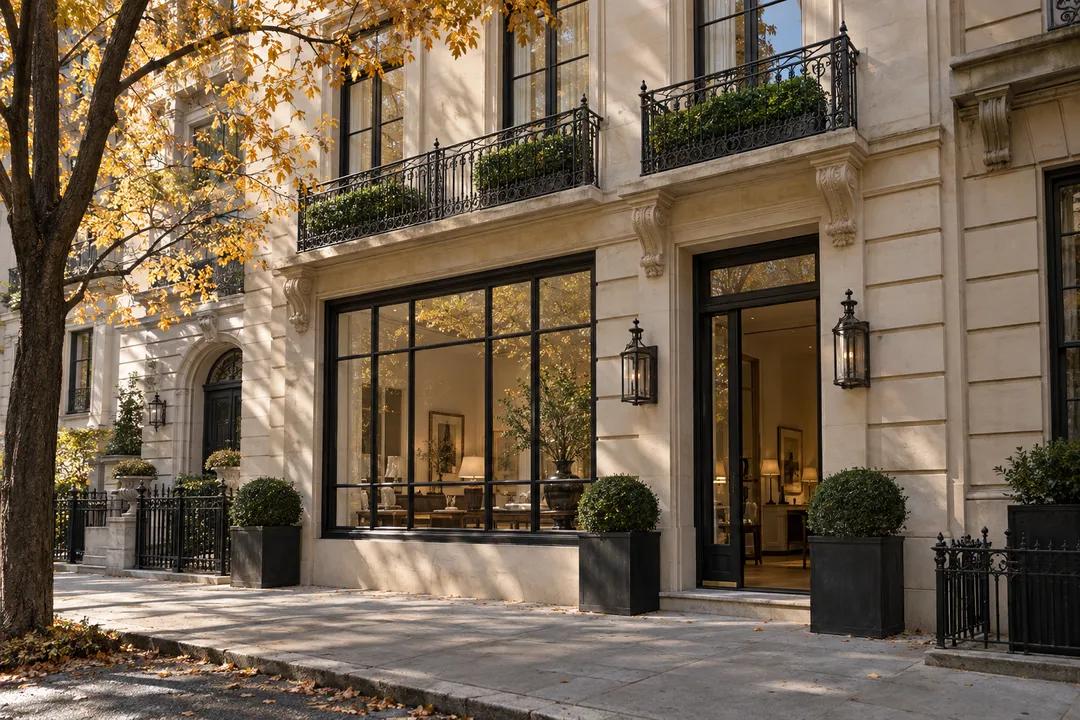
Curiosities Shop Near Me in the Upper East Side: Creel and Gow
Creel and Gow occupies an intimate former Grosvenor Atterbury stable at 131 East 70th Street on the Upper East Side, operating as a luxury cabinet of curiosities since 2012 with silvered sea shells, mounted minerals, and antique taxidermy.
Creel and Gow does not feel like a typical retail boutique. The storefront occupies the ground floor of an authentic 1900s brick and limestone carriage stable at 131 East 70th Street, right at the corner of Lexington Avenue on the Upper East Side. Stepping inside reveals a genuine European wunderkammer that Jamie Creel and Marco Scarani established in 2012 to house rare natural specimens, exotic taxidermy, and silver-mounted ocean shells. Anyone searching for a curiosities shop near me in uptown Manhattan discovers that this space preserves the aristocratic tradition of private natural history collecting.
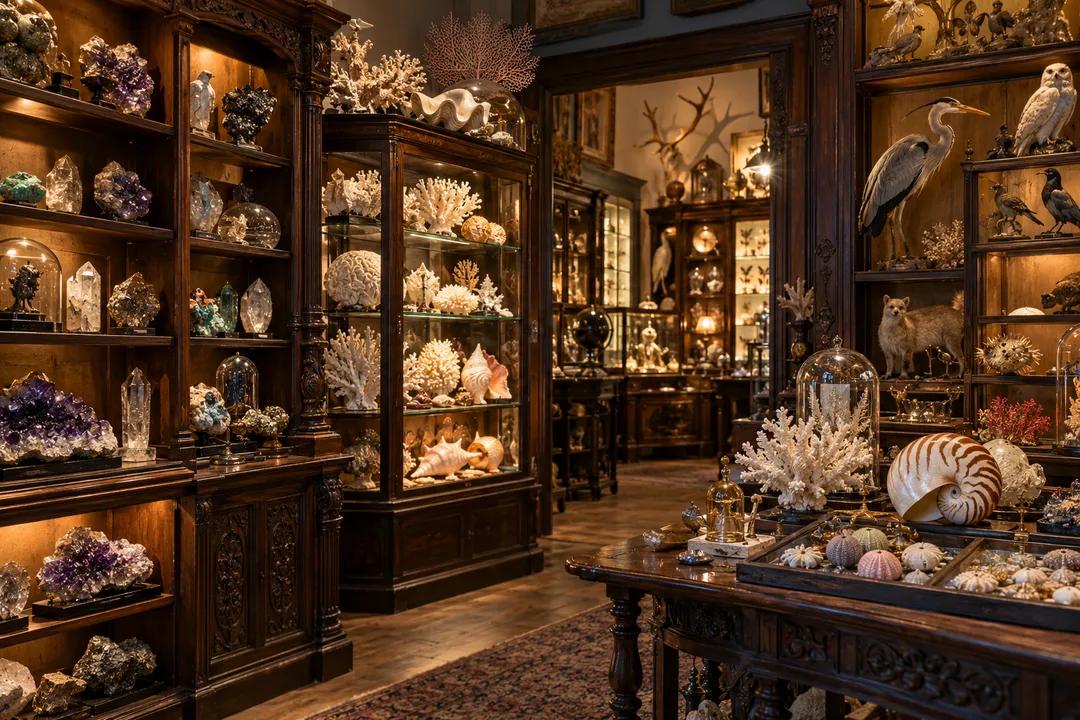
The Grosvenor Atterbury Stables and Interior Atmosphere
The building itself carries notable architectural heritage. Renowned architect Grosvenor Atterbury designed the carriage stable in the early twentieth century, outfitting the facade with arched masonry and decorative iron fixtures. Inside, the proprietors preserved the original stable bones while lining the walls with custom dark-stained display cases, antique vitrines, and understated spotlighting. The layout forces visitors to slow down and inspect every corner, where coral branches sit beside antique horn bowls and deep-blue lapis lazuli globes. Ambient sound remains quiet, punctuated only by the occasional chime of the front door. Polished bronze handles, velvet-lined display trays, and hand-carved mahogany molding create an environment where natural artifacts are treated with the same reverence as classical European masterworks. The proprietors personally oversee the placement of every single mineral specimen, ensuring that light catches crystal facets from multiple sightlines.
Natural Wonders, Silvered Shells, and Mineral Pricing
The inventory centers on authentic natural history treasures gathered across continents. Among the most approachable pieces are the signature silvered shells crafted by master artisans who electroplate real marine specimens with pure silver. A silvered cockle shell place card holder costs $50, offering a tactile entry point for young collectors. Medium silver strombus pugilis shells cost $90, while a substantial silvered scotch bonnet shell is priced at $130. These ocean relics gleam like precious metal sculpture while retaining every natural ridge and whorl of the original mollusk.
Exotic Taxidermy and Geological Mineral Formations
Further into the gallery, museum-quality geological formations command dedicated pedestals. A mounted celestite mineral specimen sparkling with powder-blue crystal prisms costs $600. A heavy natural rock crystal quartz cluster mounted on a blackened metal gallery stand sells for $650. The shop also features legally sourced antique taxidermy, ranging from vibrant green jungle fowl mounts to historic African antelope horns and preserved peacock feathers. Each piece arrives with explicit provenance, appealing to seasoned interior decorators as well as naturalists. Every specimen reflects rigorous museum preservation standards, featuring hand-carved hardwood mounts and archival catalog tags that document discovery locations from Madagascar to the Atlas Mountains.
Bespoke Mounting and Custom Collector Displays
In addition to finished floor inventory, Creel and Gow maintains an active workshop dedicated to custom mineral mountings. Longtime patrons often bring in unusual geological curiosities, fossilized shark teeth, or rare ocean coral acquired during international expeditions to have them fitted onto custom-turned bronze pedestals or clear museum-grade acrylic bases. This service reflects the old-world Parisian tradition of mount makers, where organic artifacts were transformed into royal decorative treasures. Seeing raw malachite or fossil ammonites elevated on slender blackened steel stalks reminds visitors that nature itself produces the ultimate fine sculpture.
Curated Antiquities and Natural History Specimens
Cabinet drawers throughout the store reveal smaller organic relics arranged like archaeological discoveries. Polished cross-sections of petrified wood from Madagascar reveal vibrant amber and mahogany grain patterns formed over two hundred million years. Beside them, cut and polished ammonite fossils display shimmering internal chambers lined with calcite crystals. Carved horn shoehorns, mother-of-pearl caviar spoons, and brass-mounted magnifying glasses offer functional everyday contact with raw natural materials, bridging the gap between decorative museum showpieces and functional desk curios.
Visiting Etiquette, Children, and Handling Delicate Artifacts
Navigating Creel and Gow requires careful physical awareness. The aisles between glass cabinets are relatively narrow, and dozens of fragile mineral spires rest on open tabletops without velvet ropes. Staff members prefer that guests ask before lifting heavy fossils or delicate silver shells. Backpacks should be slung over one shoulder or held down by your side to avoid brushing against display pedestals. Parents visiting with lively toddlers should note that this gallery is not suited for unsupervised exploration, as a single stumble could shatter irreplaceable quartz or dried sea fans.
When to Arrive and What to Skip
Weekday afternoons between 1:00 pm and 4:00 pm offer the most relaxed browsing atmosphere, when daylight pours through the northern windows and you can speak unhurriedly with the attendants about the geographic origin of specific fossils. Saturdays tend to draw casual neighborhood walkers and interior design clients holding fabric swatches. Here is an honest recommendation: skip the large oversized horn dishes unless you have a dedicated formal dining room table, as smaller mineral crystal clusters deliver far more visual intrigue on a bookshelf for half the cost.
A Backup Plan for Uptown Antiquing
If you arrive on an autumn afternoon and find a private interior design consultation occupying the floor, do not abandon your uptown outing. Walk three blocks west toward Madison Avenue, where high-end decorative galleries line the side streets between 68th and 74th Streets. Alternatively, head into the nearby Park Avenue Armory when it hosts seasonal antique fairs, or wander into Crawford Doyle Booksellers on Madison Avenue to hunt through rare illustrated volumes while waiting for the gallery floor to clear.
Strolling East 70th Street and Surrounding Blocks
East 70th Street remains one of the quietest and most architecturally preserved residential corridors in New York City. Exiting the shop places you amidst leafy townhouse facades, ivy-covered brownstones, and pre-war limestone apartment buildings. Walking two blocks west brings you to Fifth Avenue and the quiet eastern perimeter of Central Park near the Conservatory Water model boat pond. For an afternoon refreshment, stroll north to 76th Street and slip into Bemelmans Bar at The Carlyle hotel for a classic cocktail surrounded by Ludwig Bemelmans whimsical murals.
Essential Logistics, Subway Access, and Opening Hours
Creel and Gow operates Monday through Friday from 10:00 am to 6:00 pm, and on Saturday from 11:00 am to 5:00 pm, remaining closed on Sunday. The shop is located at 131 East 70th Street, New York, NY 10021. Subway transportation is straightforward: take the 6 train to the 68th Street Hunter College subway station and walk two blocks north, or take the Q train to 72nd Street and walk two blocks west along 70th Street.
Ask Karpo for more information.
Keep reading
- Chelsea Consignment Shop Crawl Planner for Your First Studio
 East Village Consignment Shop Crawl Planner: Leather Jackets
 Harlem Consignment Shop Crawl Planner for a Jazz Night Look