 Fort Greene Holiday Market Browsing Guide for Young Shoppers
Weekend Plans
Lower East Side Curated Flea Market Route in New York
Explore a curated flea market weekend route through the Lower East Side featuring Hester Street Fair traditions, vintage fashion, and Essex Market stops.
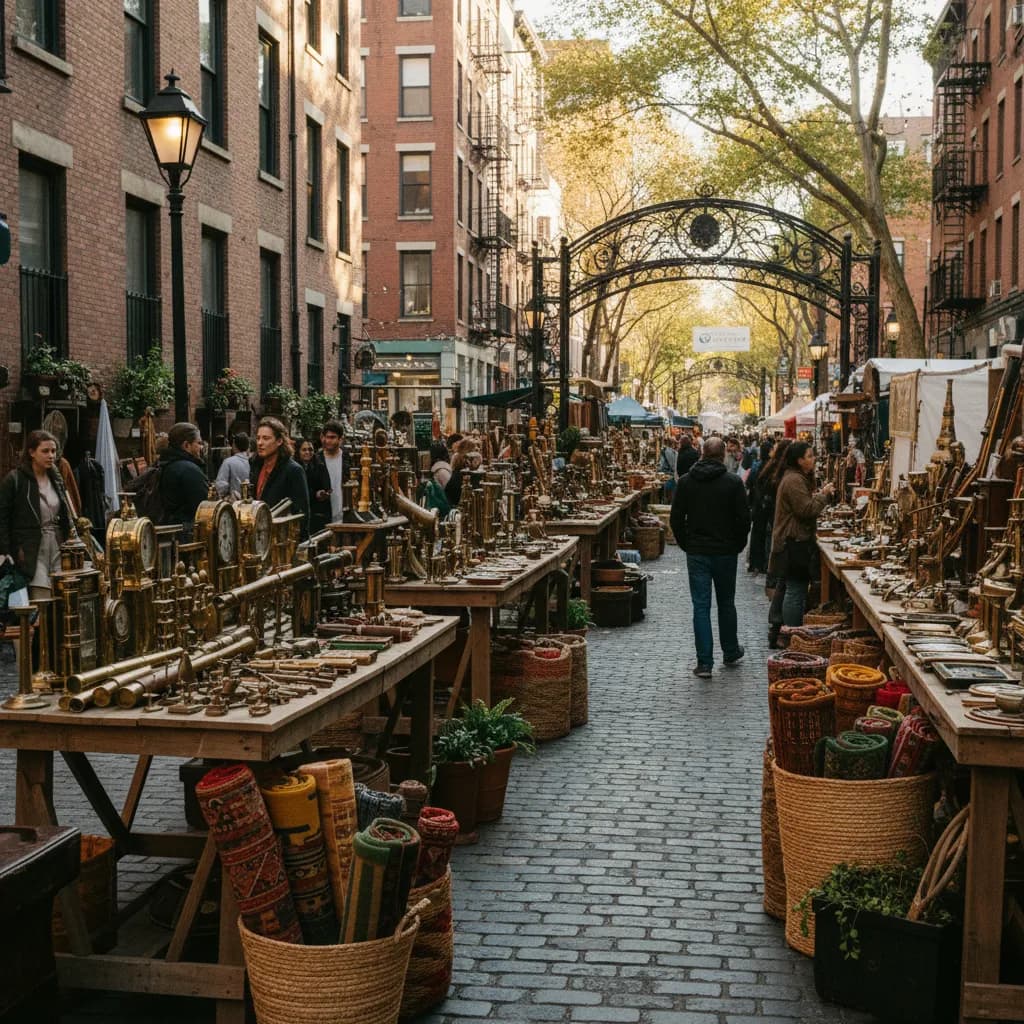
Navigating a curated flea market outing across the Lower East Side offers an unforgettable immersion into New York's historic trading heritage and contemporary independent design culture. Grounded in the enduring legacy of the historic Hester Street Fair, which first blossomed at the intersection of Hester and Essex Streets, this downtown neighborhood remains a magnet for discriminating collectors of mid-century jewelry, archival textiles, and hand-poured apothecary goods. Rather than wandering aimlessly through crowded avenues, an intentional route connects historic open-air market gatherings with the specialized storefronts lining Orchard and Ludlow Streets. Morning sunlight washes over low-rise nineteenth-century brick tenements, illuminating outdoor racks of distressed workwear and glass display cases filled with Victorian signet rings. Here, passionate dealers who spend decades researching garment provenance converse freely with curious visitors, providing authentic historical context alongside thoughtfully curated discoveries. Preparing for a successful excursion requires understanding the distinct layout of these narrow Manhattan corridors and budgeting unhurried time to inspect maker stamps, textile weaves, and handcrafted ceramics.
Tracing the Legacy of Hester Street Fair
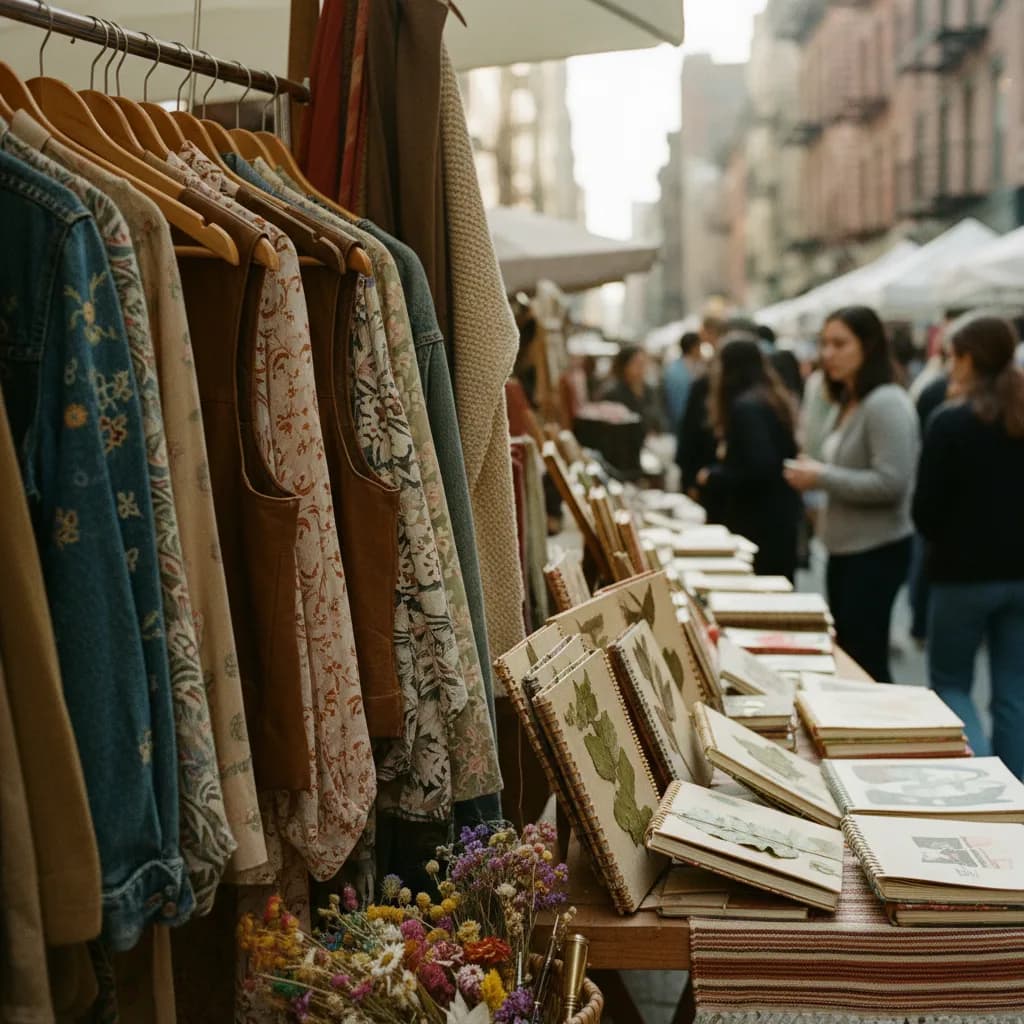
The cultural epicenter of weekend outdoor commerce in this neighborhood is anchored by the historic Hester Street Fair, an influential open-air market founded to celebrate local makers, vintage preservationists, and artisanal food purveyors. Originally established in Seward Park at the corner of Essex Street, this vibrant gathering revitalized the centuries-old tradition of pushcart commerce that defined the immigrant working class in Lower Manhattan throughout the late nineteenth and early twentieth centuries. Modern visitors browse curated wooden tables beneath market awnings, discovering everything from restored vintage turntables and rare soul 45s to hand-thrown stoneware cups and reclaimed brass home hardware. Unlike massive commercial flea operations, the curation at this market leans heavily toward local independent artisans who craft small-batch lifestyle products or source deadstock garments directly from historic American textile mills. Engaging directly with the organizers and vendors provides immediate insight into upcoming seasonal pop-ups and collaborative showcases, turning a casual morning browse into an authentic encounter with New York's vibrant creative economy.
When approaching outdoor market tables, practical timing makes a noticeable difference in the quality of your browsing experience. Arriving shortly after morning opening ensures access to newly unpacked estate collections, freshly dry-cleaned French chore jackets, and delicate antique lace collars before the heavy midday pedestrian stream builds along Essex Street. Savvy shoppers carry durable canvas tote bags and protective linen pouches to stow fragile glassware, while bringing small magnifiers to inspect hallmarks on sterling silver spoons and jewelry clasps. Although most vendors readily accept modern contactless tap-to-pay options, maintaining a modest amount of physical currency facilitates seamless transactions for smaller ephemera like vintage postcards, matchbooks, or handmade letterpress bookmarks. The overall atmosphere remains relaxed and welcoming, allowing curious browsers to linger over handcrafted leather watchbands, fragrant botanical oils, and mid-century art prints without feeling pressured to make hasty buying decisions.
Navigating Orchard and Ludlow Vintage Corridors
Extending your shopping route westward from the primary outdoor market brings you onto Orchard Street and Ludlow Street, two legendary downtown thoroughfares where independent vintage boutiques and artisan studios have flourished for generations. These narrow street blocks preserve an authentic urban texture, where ornate fire escapes cast geometric shadows over cast-iron storefronts and pavement display racks. As you walk south from Houston Street toward Grand Street, traditional haberdashery shops and historic dry-goods merchants sit alongside contemporary concept stores specializing in upcycled military outerwear and archival Japanese denim. Several independent shops host weekend courtyard sales and collaborative sidewalk racks, creating an organic outdoor shopping corridor that perfectly complements the formal market schedule. Observing the creative window displays and listening to the eclectic jazz records spinning from open doorways reinforces the unmistakable neighborhood spirit that distinguishes the Lower East Side from sterile suburban retail malls.
Taking an intentional pause between market browsing and boutique exploration allows you to recharge while remaining immersed in local neighborhood character. Stepping into the bustling food concourse of Essex Market at the junction of Delancey and Essex Streets provides immediate access to artisanal bakeries, specialty espresso counters, and historic Jewish deli provisions. Finding a quiet sunlit seat along the public benches near Seward Park offers an ideal vantage point to examine morning acquisitions, whether adjusting the strap on a vintage leather satchel or admiring the glazed patina on a studio ceramic vessel. The surrounding streetscapes hum with diverse neighborhood residents walking dogs, carrying fresh bagels from long-established bakeries, and greeting local merchants by name. This seamless integration of commercial curiosity and authentic community life forms the true magic of spending a leisurely weekend on the Lower East Side.
Evaluating Archival Apparel and Independent Crafts
Careful inspection is essential when shopping for collectible vintage apparel along the Lower East Side market circuit. Experienced dealers curate garments spanning distinct fashion eras, from 1940s rayon bowling shirts and heavy wool varsity sweaters to minimalist 1990s designer silk slip dresses. Because vintage sizing rarely aligns with contemporary vanity measurements, examining the structural cut, seam allowances, and sleeve proportions provides a far more reliable indicator of proper fit than garment labels. Check the integrity of metal Talon zippers, inspect horn or mother-of-pearl buttons for missing pieces, and hold woven cotton fabric up to natural daylight to spot subtle sun fading or moth grazing. Well-maintained vintage garments frequently feature robust construction techniques like flat-felled interior seams, bar-tacked stress points, and chain-stitched hems that easily outlast modern fast-fashion alternatives.
Alongside heritage apparel, contemporary makers working in ceramic arts, printmaking, and jewelry fabrication play a major role in Lower East Side market culture. Ceramicists frequently display wood-fired planters, speckled stoneware mugs, and sculptural incense holders that bear the tactile marks of wheel throwing and hand glazing. Printmakers showcase hand-pulled screenprints, relief linocut illustrations, and risograph posters capturing iconic New York subway lines, tenement skylines, and historic architectural motifs. Purchasing directly from independent makers supports sustainable studio practices and ensures that each decorative acquisition carries an authentic provenance and personal story. Taking a business card or inquiring about care instructions ensures that delicate studio crafts and glazed ceramics remain pristine when incorporated into your home decor.
Transit Connections via Delancey and Essex Concourse
Navigating to and from your Lower East Side market route is remarkably straightforward thanks to extensive public transportation options anchored at the Delancey St-Essex St subway station. This vital transit hub connects the F, M, J, and Z subway lines, providing rapid direct service from Midtown Manhattan, Downtown Brooklyn, and Queens. Ascending from the underground concourse places you immediately at the corner of Delancey and Essex Streets, just steps away from primary market corridors and neighborhood gathering spots. For travelers arriving from Brooklyn, walking across the nearby pedestrian walkway of the Williamsburg Bridge offers sweeping panoramic vistas of the East River and Manhattan skyline before descending directly into the vibrant street life of the Lower East Side.
Transporting delicate antique discoveries safely home requires thoughtful preparation before you board return transit. Carrying a padded shoulder tote with individual tissue wraps prevents delicate glass bottles, antique ceramic plates, or porcelain trinkets from rubbing against heavier metal finds during the subway ride. If your route yields larger decorative items like a framed vintage architectural map or a mid-century brass floor lamp, coordinating rideshare pickup along wider thoroughfares such as Allen Street or Delancey Street avoids narrow, double-parked side streets like Ludlow or Orchard. Keeping transportation logistics streamlined and stress-free ensures that the pleasure of your market discoveries remains intact long after leaving the neighborhood.
Pairing Market Finds with Historic Immigrant Culture
What elevates a curated flea market excursion on the Lower East Side above ordinary shopping is the neighborhood's profound historical resonance. The surrounding blocks along Orchard, Broome, and Hester Streets are steeped in the immigrant working-class history commemorated by the Tenement Museum, where generations of garment workers and small shopkeepers shaped the modern metropolis. Reflecting on this layered history provides deeper appreciation for the vintage textiles, antique seamstress shears, and brass thimbles often displayed on market tables. Rather than treating vintage objects as mere decorative props, discovering them within this historic precinct connects contemporary collectors directly with the industrious artisans and resilient families who built New York City.
As late afternoon sunlight casts long amber shadows across the historic brick facades of Seward Park and East Broadway, the brisk shopping tempo mellows into a companionable neighborhood evening. Street vendors begin packing up their delicate treasures into velvet-lined wooden crates, while shoppers gather at corner bistros and historic neighborhood establishments to recount their most exciting finds. Sharing stories about tracking down an out-of-print photography monograph or uncovering a signed piece of modernist Scandinavian silver is an integral ritual of flea market culture. The Lower East Side fosters this warm conversational camaraderie, making every weekend outing as much about genuine social connection as it is about aesthetic treasure hunting.
Before concluding your weekend excursion, taking time to organize your purchases and note contact information for promising dealers establishes valuable relationships for future visits. Many independent vintage curators operate private appointment showrooms or source specific requested items for regular clients, ranging from mid-century teak side tables to archival concert t-shirts. Keeping a small notebook or digital catalog of your favorite Lower East Side vendors ensures you stay informed about seasonal market expansions, private studio open houses, and pop-up events throughout the year. These enduring connections transform occasional market visits into a rewarding, lifelong collecting journey.
Whether you leave with a single vintage brass key, an exquisite hand-glazed stoneware bowl, or simply the sensory memory of browsing open-air stalls amidst historic tenement architecture, the Lower East Side remains unmatched in its vintage allure. Its rare combination of authentic pushcart legacy, contemporary design ingenuity, and dense community vitality ensures that every visit yields fresh perspectives and memorable treasures. Plan your next weekend itinerary with curious eyes, comfortable walking shoes, and an open schedule, and allow the timeless market magic of Lower Manhattan to unfold at its own delightful pace.
Ask Karpo for more information.
Keep reading
- Fort Greene Holiday Market Browsing Guide for Young Shoppers
 DUMBO Holiday Market Browsing Guide for Gifts to Mail Home
 Midtown East Holiday Market Browsing Guide for Commuters