 Chelsea Consignment Shop Crawl Planner for Your First Studio
Hidden Gems & Odd Finds
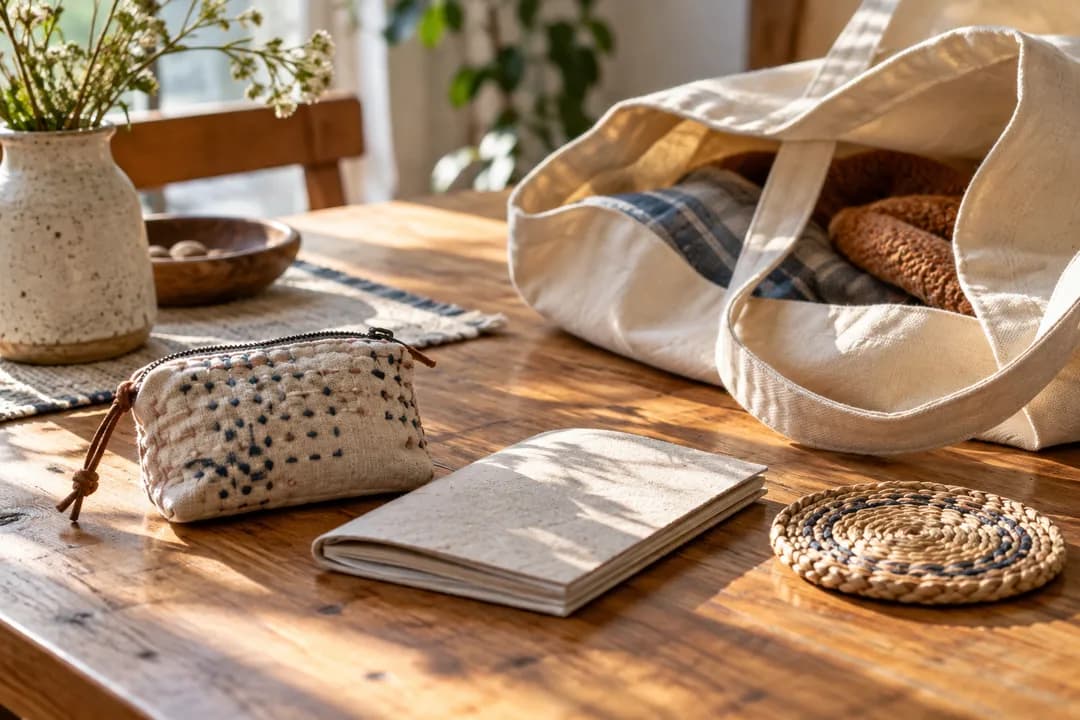
NYC Craft Class Shortlist: Choose Your Takeaway in Advance
Choose a NYC craft class around the object you want to bring home. Compare project scope, finishing steps and transport before building a practical shortlist.
Start with the object, then work backwards. A notebook for your bag, a textile for your room and a ceramic vessel for your kitchen create very different requirements for a workshop day. Your NYC craft class shortlist becomes more useful when you know whether bringing something home immediately matters, how you will carry it and what you want it to do. Choose the result you would enjoy living with, while leaving room for the irregularities of learning a new process.
Name a purpose before choosing a material
Think of an ordinary moment when you would use or notice the finished piece. Perhaps you want a place for loose notes, a small surface for a bedside glass or an object that reminds you of an afternoon out. Describe that purpose without naming a technique. This keeps the choice open. A decorative item and a functional item can both be satisfying, but they ask different questions about construction, finishing and what a first attempt needs to achieve.
Decide whether the object is for you or another person. A personal project can be an experiment without a deadline. A gift may introduce expectations about size, appearance and when it needs to be ready. If you are imagining a particular recipient, write down what actually matters to them. Their taste may point toward a simple color or useful shape rather than the most elaborate project. Avoid making a first lesson responsible for delivering a perfect present under time pressure.
Trace the project beyond the teaching session
The end of instruction is not always the end of making. Depending on the material and project, drying, setting, firing or another finishing stage may follow. Treat those as questions for the particular course rather than attaching a standard timetable to a whole craft. Read the description for what is completed during the lesson, what the provider handles afterwards and how the object reaches you. An attractive project belongs on your final list only when that sequence fits your plans.
This distinction matters if you are visiting NYC briefly. A lesson may be enjoyable even when the finished work is collected later, but only if that arrangement suits you. Put same-day takeaway in your request when it is essential. If collection is possible, decide how much extra travel you would accept. Delivery is a separate service whose availability and terms need to come from the provider. A planning suggestion should not turn an unmentioned delivery option into an assumed part of the booking.

Match ambition to the actual scope
Look closely at what students make themselves. A course might focus on building, decorating, assembling or finishing an object, and each can offer a worthwhile experience. The difference matters when your personal goal is learning a particular skill. If you want to understand construction, decorating a prepared form may leave that curiosity unanswered. If color and pattern are the attraction, a prepared form might let you spend more of the session on exactly the decisions you enjoy.
Use the project description to separate a sample from a promise. A polished image can show a technique's possibilities without establishing the size, complexity or finish expected from every beginner. Find the stated project and any choices offered within it. Decide whether that defined scope is enough for you. You can enjoy making a modest object while still wanting clear expectations. Choosing honestly at this stage prevents a comparison based on the most ambitious photograph in each listing.
Think through the journey home
Picture the object leaving the worktable. Will it fit comfortably in the bag you plan to carry? Would you be willing to hold a package on the journey back? Does your day include another activity where a bulky or delicate item would be awkward? These are personal planning constraints, not reasons to avoid a particular material. Put the craft lesson last in the day's itinerary if carrying the result would otherwise make the rest of the outing inconvenient.
Ask what packaging is included when the booking information addresses takeaway. Do not assume the studio provides a box, a protective wrap or a carrier. A folded textile, a bound paper project and a rigid sculpture have different transport needs. Describe the practical limit in your shortlist request, such as an object that fits in a small tote. It is easier to compare candidates against that concrete limit than to decide vaguely whether a project looks portable.
Build the comparison around the finished life
For each candidate, make a compact note of the object, the technique taught, the finishing stage and the collection arrangement. Add one line about where the result will go in your home. This last detail is useful because it tests whether you actually want the object. If every candidate would live forgotten in a drawer, consider choosing for the learning experience instead. You do not need to justify a pleasurable afternoon by promising yourself a permanent new possession.
Open the Karpo APP with a request such as: I want NYC craft ideas that produce a small object I can carry home that day. I like paper and textiles, and I would rather learn one technique than decorate a large item. Compare possible project types and distinguish known finishing requirements from unanswered questions. The request gives the conversation a clear purpose while leaving specific course availability and purchase terms to the providers offering those sessions.
Make a decision you can use
Suppose your first choice has the object you love but requires a later collection, while another offers a smaller result within your travel plans. The decision is about which requirement matters more. If leaving with the work is essential, the second option fits better even when its photograph is less striking. If the making process itself is your priority, you might accept the later stage. Write that tradeoff in one sentence before choosing so your reasoning stays visible.
Keep the final course description and any collection instructions with the booking record. After the session, follow the provider's care guidance for the material and finish you actually used. If you hoped to learn enough to repeat the project, note the technique and any materials discussed during instruction. Your takeaway can be both the object and a clearer idea of what you enjoy making. A good shortlist has done its job when those outcomes match the afternoon you wanted.
Ask Karpo for more information.
Keep reading
- Chelsea Consignment Shop Crawl Planner for Your First Studio
 East Village Consignment Shop Crawl Planner: Leather Jackets
 Harlem Consignment Shop Crawl Planner for a Jazz Night Look