 Chelsea Consignment Shop Crawl Planner for Your First Studio
Hidden Gems & Odd Finds
NYC Craft Class Shortlist: 5 Steps for Beginners
Build a beginner craft class shortlist for NYC around teaching, materials and comfort. Use five decisions to turn an unfamiliar activity into a first try.
The hardest part of a first craft class can happen before you touch a tool: deciding what beginner actually means. A beautiful finished bowl says little about how much help its maker received. For a useful NYC craft class shortlist, begin with the experience you want during the lesson. Choose the kind of instruction, pace and materials that would make trying something unfamiliar enjoyable. The project becomes a way to test those preferences, rather than a standard you must meet.
1. Describe the moment you usually get stuck
Think about the last unfamiliar task you attempted. Did you need someone to show the movement slowly? Were written directions helpful, or did they leave you guessing about what your hands should do? These differences matter more than whether you describe yourself as creative. Write down one concrete need, such as a demonstration followed by time to repeat it. That gives you a stronger selection criterion than a general promise of beginner friendliness.
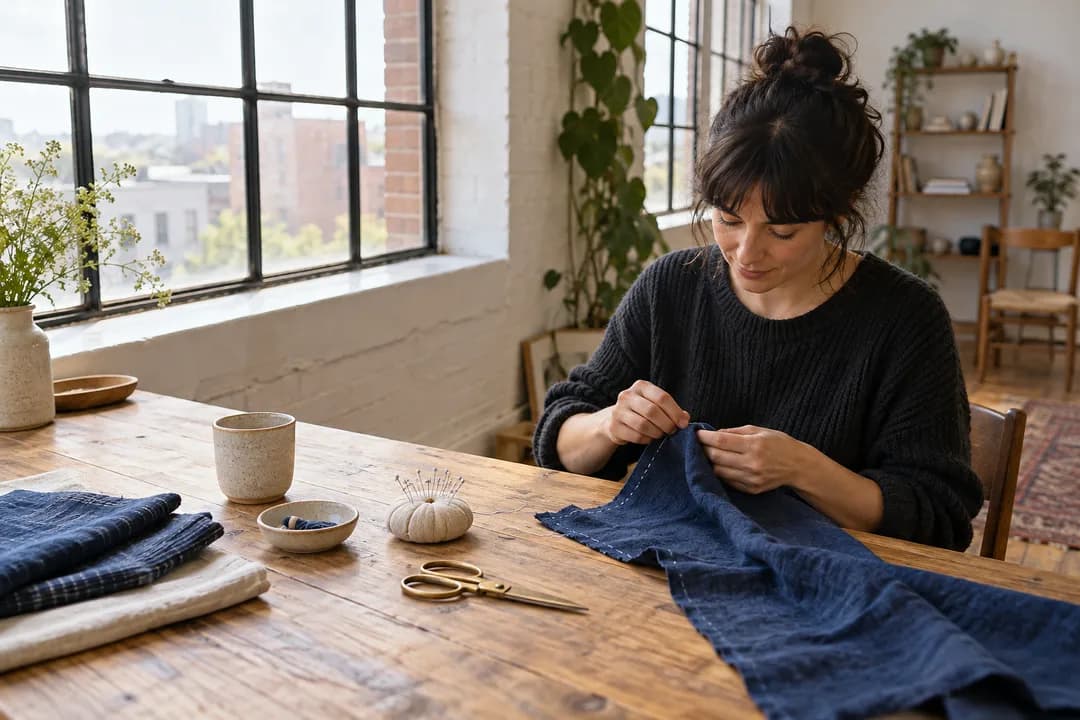
Separate lack of experience from a dislike of a particular process. You might enjoy arranging colors but find counting stitches frustrating. You could like building a shape yet dislike working with wet material. Neither reaction rules out craft classes. It helps narrow the search. Consider paper, fiber and clay as different starting points, and choose the activity whose ordinary working steps sound appealing. An impressive photograph should come second to a process you actually want to spend time doing.
2. Read for teaching evidence
When looking at a possible course, identify what the description says about instruction. Useful details include a named introductory technique, a demonstration, supplied practice materials and an explanation of the project. A label alone does not tell you whether the teacher starts from zero. Look for the first thing a student will learn and the work expected before arriving. If the listing assumes knowledge you do not have, move it behind a more explicit introduction.
Distinguish a taught lesson from access to equipment. An open work session may suit someone who already knows the process, while a guided project may better match a first attempt. The terms used by individual providers differ, so read the actual description of what happens. Give preference to a clear sequence you can understand. You should be able to explain the activity in an ordinary sentence, including what the instructor demonstrates and what you will practice independently.
3. Choose one unfamiliar challenge at a time
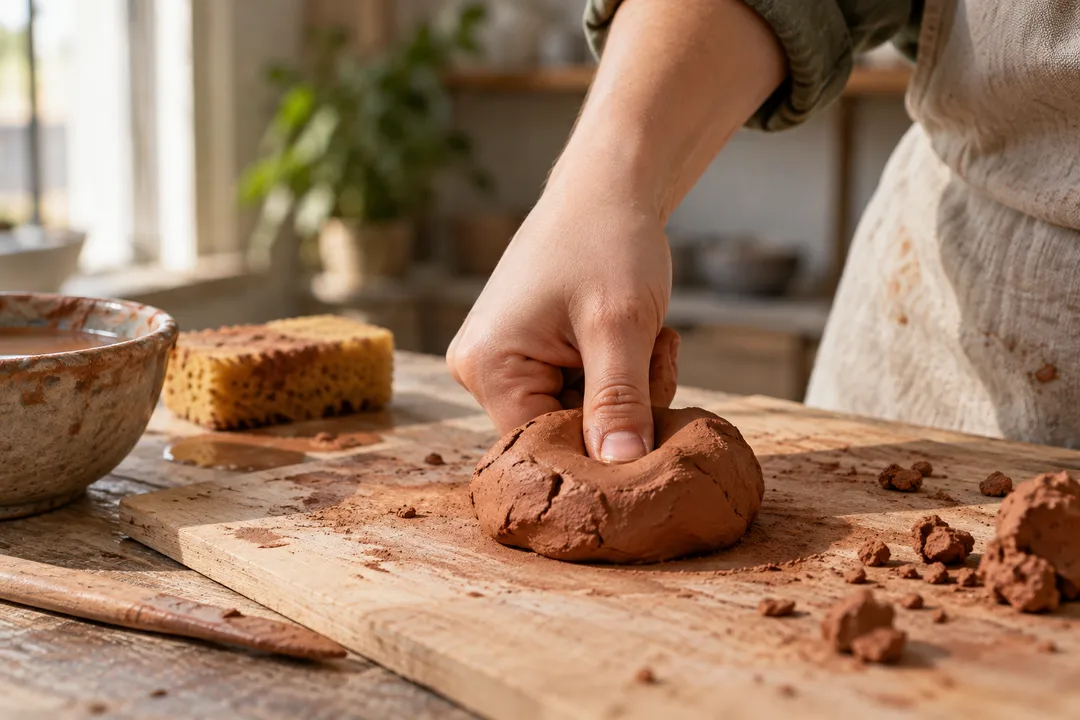
A first session does not need to teach every stage of an entire craft. You can make a smaller decision: learn to form a simple object, join two pieces of fabric or arrange a repeat pattern. This reduces the number of things competing for your attention. Ask which part you most want to try, and keep that technique central. A short introduction with a limited project can still be worthwhile when the purpose is discovering whether you like the work.
Avoid treating the complexity of the finished object as a measure of value. A simple project can make room for useful repetition and individual feedback. A more elaborate one may divide the time among several operations. Neither format is automatically better. Decide whether your priority is understanding a movement or following a complete project from beginning to end. If you want both, rank them so that one attractive feature does not obscure your main reason for attending.
4. Set limits that protect your attention
Write a personal spending ceiling before comparing fees. Include any listed materials, equipment use and finishing services in the comparison, and keep missing information visibly unresolved. Your ceiling is a planning preference, not a claim about local prices. The same approach works for duration. Decide how long you would enjoy concentrating before you choose an activity. A lesson that fits your energy is easier to enjoy than one selected only because it promises the largest finished object.
Consider the physical setup as part of the lesson. If seated work, breaks, a particular grip or a quieter environment matters, include that need in your request. Avoid assuming that every studio can provide the same arrangement. Ask a precise question about your requirement rather than requesting a broad accessibility label. For example, describe the seated working position you need. A specific answer can help you decide whether that particular session suits you without guessing from photographs of the room.
5. Turn your notes into a short request
Open the Karpo APP and ask for ideas using the constraints you have collected. A useful request might be: I want a first craft experience in NYC, with slow demonstrations and a small individual project. I prefer paper or fiber, need a seated setup and want options within my own spending limit. Please compare the learning process and explain any information that is missing. This asks for a decision aid without assuming a particular course is available.
Read any suggestions against your original need. If an idea sounds appealing but its teaching format is unclear, keep it as a candidate rather than treating it as a booking choice. Refine the request around the remaining question. You could ask for options that emphasize repeated practice instead of an elaborate result. Your follow-up should change one important condition at a time. That makes it easier to see whether a different activity solves the problem or simply looks more attractive.
Leave with a useful first experiment
Once you have a promising option, use the provider's own course description and booking terms to make the purchase decision. The booking record, rather than a planning conversation, establishes the session you have bought. Keep the project description, included materials and attendance instructions together so you can prepare without relying on memory. Treat any unanswered requirement as a reason to pause that candidate. You do not need a long list of possible classes to make a thoughtful first choice.
For the day itself, give the lesson a modest goal: learn one movement and notice whether you want to repeat it. Bring only the items requested by the provider and allow enough time to arrive without rushing. Afterwards, make a brief note about what felt satisfying, tiring or confusing. Those observations become the starting point for your next shortlist. The useful outcome is a clearer understanding of how you like to learn, whether or not the first object looks exactly as you imagined.
Ask Karpo for more information.
Keep reading
- Chelsea Consignment Shop Crawl Planner for Your First Studio
 East Village Consignment Shop Crawl Planner: Leather Jackets
 Harlem Consignment Shop Crawl Planner for a Jazz Night Look