 Williamsburg Pierogi Lunch Spot Picker for Mixed Diets
Restaurants
Lower East Side Cozy Winter Soup Spot Finder Walk
Walk Orchard Street, Essex Market, and Seward Park on the Lower East Side to compare matzo ball broth, borscht, and noodle bowls on cold winter afternoons.
Cold gusts sweeping off the East River funnel straight down Delancey Street and across the wide intersection at Essex Street, turning the red-brick tenement blocks of the Lower East Side into prime territory for a focused cozy winter soup spot finder route. Between the 1903 municipal lawns of Seward Park at Canal and Essex Streets and the narrow storefronts lining Orchard, Ludlow, and Rivington Streets, the neighborhood concentrates more than a century of Eastern European, Ashkenazi, Cantonese, and Fuzhounese soup traditions within a ten-minute walk. Opening the Karpo APP before stepping out of the Delancey Street–Essex Street subway station helps you organize a block-by-block tasting loop that pairs steaming counter bowls with sheltered cultural stops.
Navigating Tenement Blocks Between Orchard Street and Seward Park
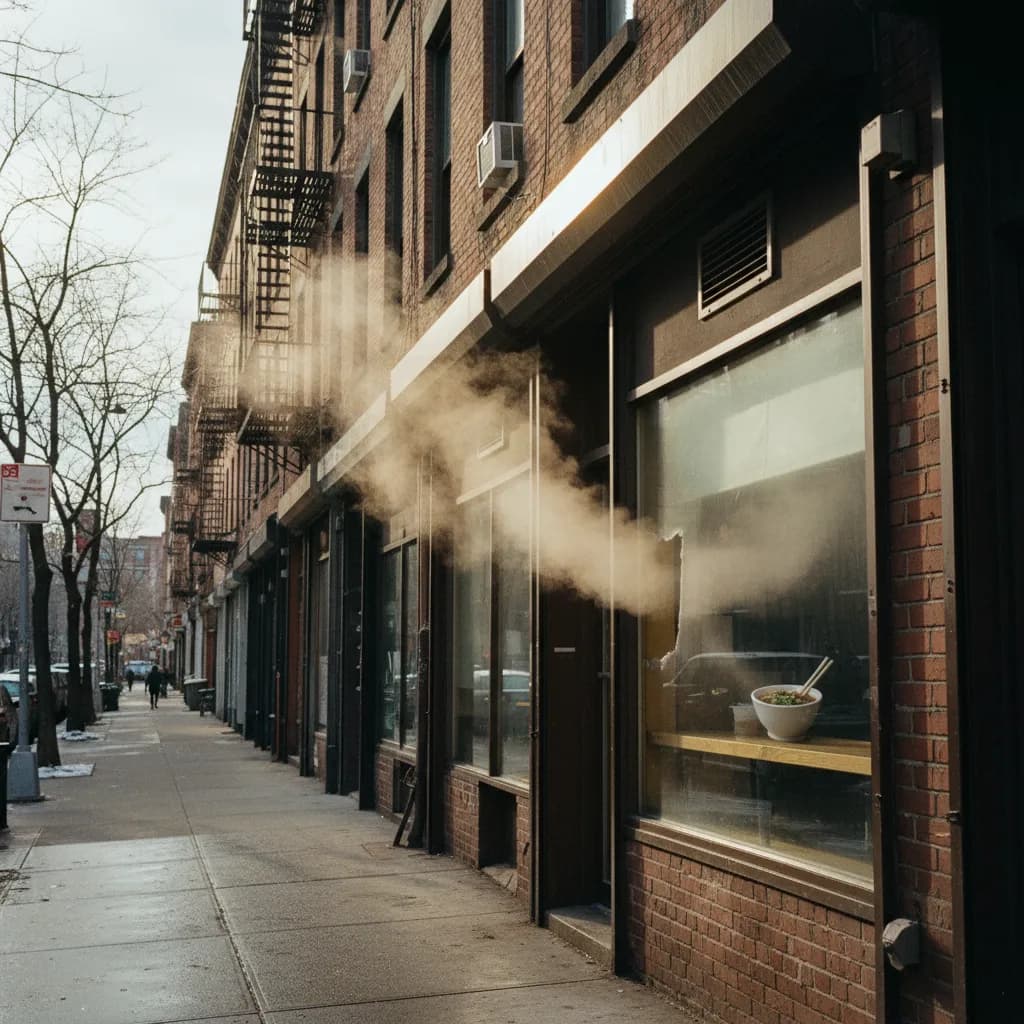
The street grid south of Houston Street shifts noticeably as wide commercial avenues narrow into five-story brick tenement rows built during the late nineteenth century. Walking south along Orchard Street from Houston toward Division Street keeps you partially shielded from crosswinds that whip across Allen Street's divided median. Along these historic blocks, ground-floor windows fogged with stockpot condensation signal small dining rooms and counter spaces where pots of golden poultry broth, beef flank soup, and ruby-red beet borscht simmer from late morning through dinner.
At the southern anchor of the route, Seward Park opens beside the 1909 Carnegie library branch and the stone geometry of the Straus Square memorial fountain. When winter sunlight hits the southern benches along East Broadway, many walkers pick up insulated containers of wonton noodle broth or split pea soup from nearby side streets to enjoy outdoors before looping north toward Grand Street. Regulars along East Broadway know that midday between 11:30 AM and 1:00 PM brings neighborhood elders and textile district workers to the smallest counter stools, making 2:15 PM a calmer window for unhurried seating.
Comparing Ashkenazi Matzo Ball Broths and Fuzhounese Noodle Bowls
What sets a Lower East Side winter soup walk apart from uptown dining corridors is the immediate contrast between Ashkenazi deli cauldrons and Fuzhounese or Cantonese broth counters separated by only two or three blocks. On the northern end near Houston and Essex Streets, traditional Jewish deli pots focus on slow-skimmed schmaltz and chicken bone stock ladled over light, dill-flecked matzo balls, kreplach dumplings, or fine egg noodles. A few blocks south near Eldridge, Forsyth, and Division Streets, steam tables shift toward clear pork-bone and dried-flounder stocks poured over hand-wrapped peanut-butter noodles and thin-skinned pork wontons.
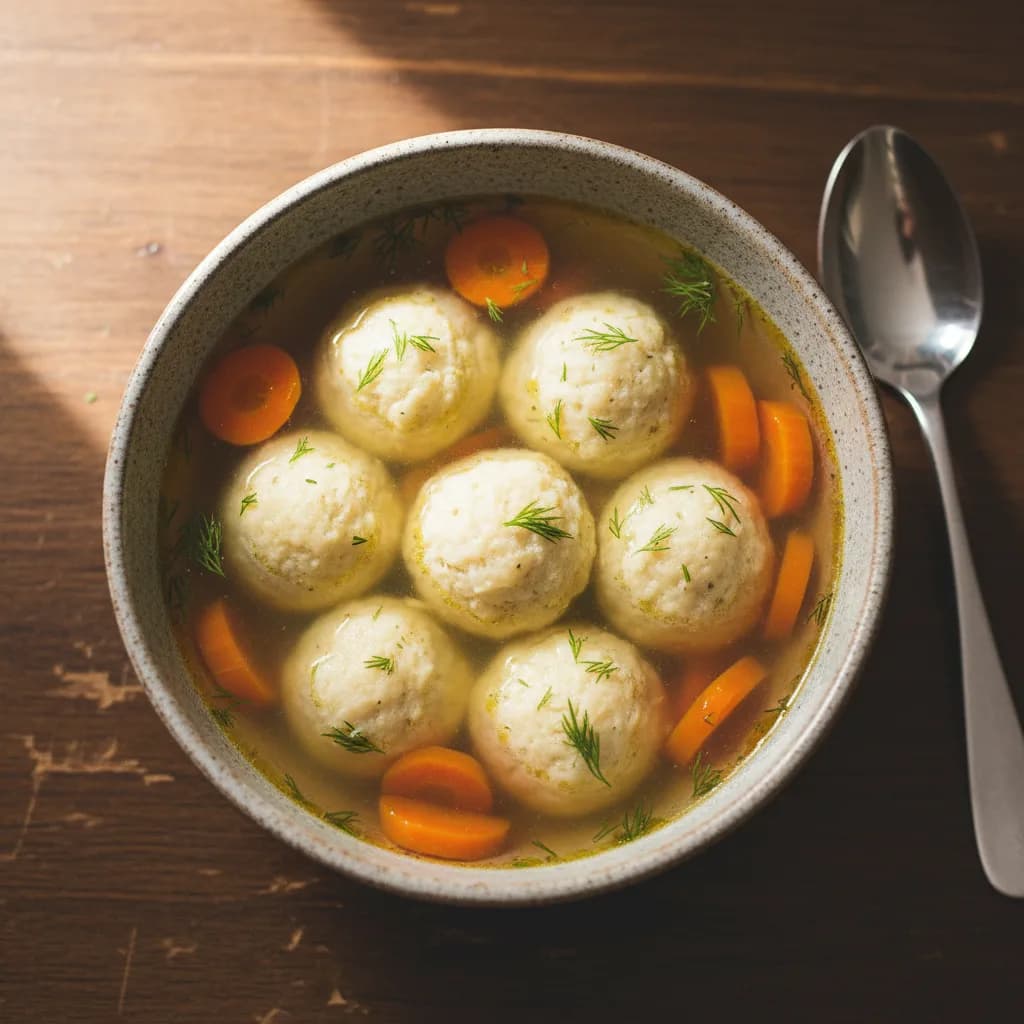
Comparing both styles during a single cold-weather outing requires paying attention to broth weight and salt balance. Clear chicken consommé paired with a single matzo ball leaves plenty of room for a second stop along Grand Street, whereas thick mushroom-barley stews or oxtail broths fortified with root vegetables act as a complete meal on their own. Skip ordering heavy fried sides like knishes or scallion pancakes at your first stop if you plan to sample more than one soup counter between Houston Street and Canal Street, as starch-heavy sides quickly dull your appetite for subtle herb and bone reductions.
Using Essex Market as an Indoor Midday Warming Anchor
When freezing rain or sleet rolls across Manhattan, the modern glass-and-steel hall of Essex Market at the southeast corner of Essex and Delancey Streets serves as a reliable indoor shelter. Tracing its civic lineage back to the 1940 indoor pushcart market established under Mayor Fiorello La Guardia, the public market houses independent food vendors, spice stalls, and upstairs mezzanine seating overlooking the busy trading floor. Ducking inside allows you to warm your hands over a cup of roasted tomato bisque, lentil soup, or pozole while watching the F, J, M, and Z subway commuters hurry past the street-level windows.
If the downstairs tables near the main Delancey Street doors are full during the weekday lunch rush, walk up the central staircase to the mezzanine balcony where long communal tables and counter ledges stay noticeably quieter. From that vantage point, you can review your saved neighborhood pins in the Karpo APP and decide whether to head west toward the Tenement Museum blocks on Orchard Street or east toward the Williamsburg Bridge pedestrian approach on Clinton Street. Keeping Essex Market as your fallback plan ensures a sudden drop in temperature never cuts your afternoon walk short.
Pacing a Late-Afternoon Loop Along Ludlow and Rivington Streets
As winter dusk settles around 4:30 PM, the narrow canyons of Ludlow, Rivington, and Stanton Streets transition from daytime errands to evening dining. This three-block pocket between Bowery and Essex Street features basement ramen bars, tucked-away pho kitchens, and bistro rooms where French onion soup arrives under a blistered cap of gruyère cheese. Because many storefronts along Rivington Street occupy narrow twenty-five-foot tenement footprints, dining rooms often hold fewer than eight tables alongside a compact bar counter.
Solo diners and pairs find the fastest seating by arriving between 4:45 PM and 5:30 PM, right as evening dinner service begins and before theatergoers or gallery visitors fill the two-tops. At counter-focused noodle and broth spots, an unspoken neighborhood rule applies on freezing nights: coats and heavy wool scarves belong on the wall hooks or under-seat baskets rather than draped over adjacent stools so every spot remains available. If your first choice on Ludlow Street already has a sidewalk wait in the cold, pivoting one block west to Chrystie Street facing Sara D. Roosevelt Park usually reveals wider dining rooms with quicker table turnover.
Pairing Soup Stops with Cultural Walks and Transit Exits
Building a cohesive winter itinerary on the Lower East Side works best when you weave soup stops between landmark architecture and bookstore or gallery browsing. Starting at the Second Avenue subway station on East Houston Street lets you walk past the red-brick facade of the Angel Orensanz Foundation on Norfolk Street—an 1849 Gothic Revival synagogue building—before warming up with a bowl of soup along Orchard Street. After eating, a brisk five-minute walk south brings you past the historic cast-iron and masonry bank buildings clustering around the Bowery and Grand Street intersection.
To wrap up the loop without backtracking into the wind, finish near the East Broadway F train station at Rutgers Street or the Grand Street B and D station at Chrystie Street. Both transit hubs sit within two blocks of classic broth counters and bakery windows where you can pick up a loaf of seeded rye or steamed buns for the ride home. Mapping these subway entrances alongside your favorite soup stops in the Karpo APP keeps your cold-weather outing structured, warm, and effortless from the first spoonful to the final train platform.
Ask Karpo for more information.
Keep reading
- Williamsburg Pierogi Lunch Spot Picker for Mixed Diets
 Brighton Beach Pierogi Lunch Spot Picker for Photographers
 Ridgewood Pierogi Lunch Spot Picker for Apartment Hunters