 Upper West Side Hot Chocolate Cafe Crawl on Balloon Eve
Coffee & Dessert
Cozy Coffee Roastery Cafe Morning on the Lower East Side
Cozy coffee roastery cafes on the Lower East Side sit along Orchard, Ludlow and Essex streets. Go before 10 a.m., read the roast date and grab a window seat.
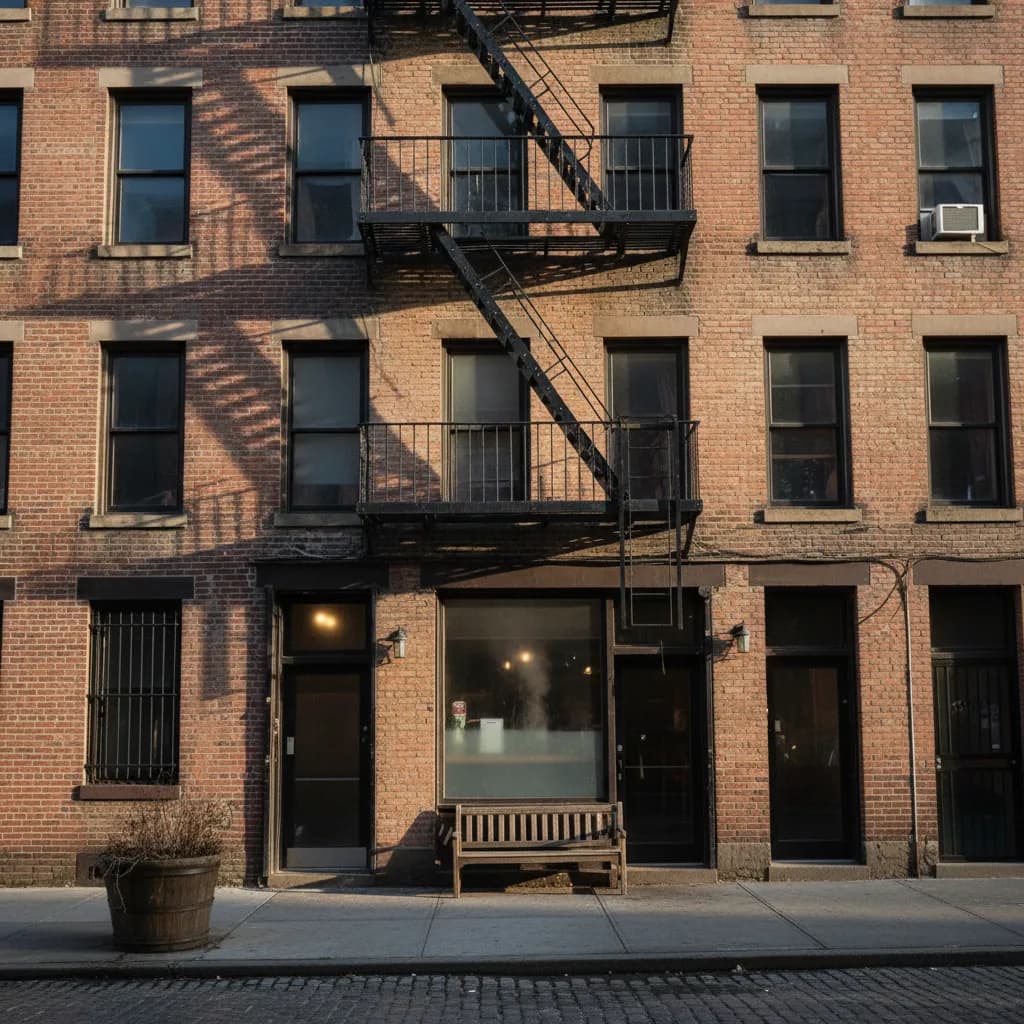
On the Lower East Side, a cozy coffee roastery cafe is less a single destination than a pattern you learn to spot along Orchard, Ludlow and Essex streets: a narrow tenement storefront, a shelf of whole-bean bags with roast dates written on them, and a handful of seats that empty out before 10 a.m. This page shows how to read those signals, where to sit, and how to pair a slow cup with Essex Market and Seward Park.
What Makes a Lower East Side Cafe Roastery-Connected
Very few cafes here run a roasting drum inside the shop, because tenement ground floors are tight and ventilation is expensive. What you usually find instead is a cafe that buys from one named roaster, or roasts in Brooklyn or upstate and trucks the beans in. The quickest tell is the retail shelf. If the bags carry a roaster name, a farm or region, and a roast date within the last two to three weeks, the bar is working with fresh coffee rather than a generic house blend.
The second tell is the menu board. A roastery-minded counter will list at least two coffees by origin and let you choose one for a pour-over or batch brew. If the only options are drinks with syrups and a single espresso blend with no name, the place may still be pleasant, but you are in a neighborhood coffee shop, not a roastery cafe. Neither is wrong. It simply changes what you should order and how long you should expect to linger.
Reading the Bag Label Before You Order
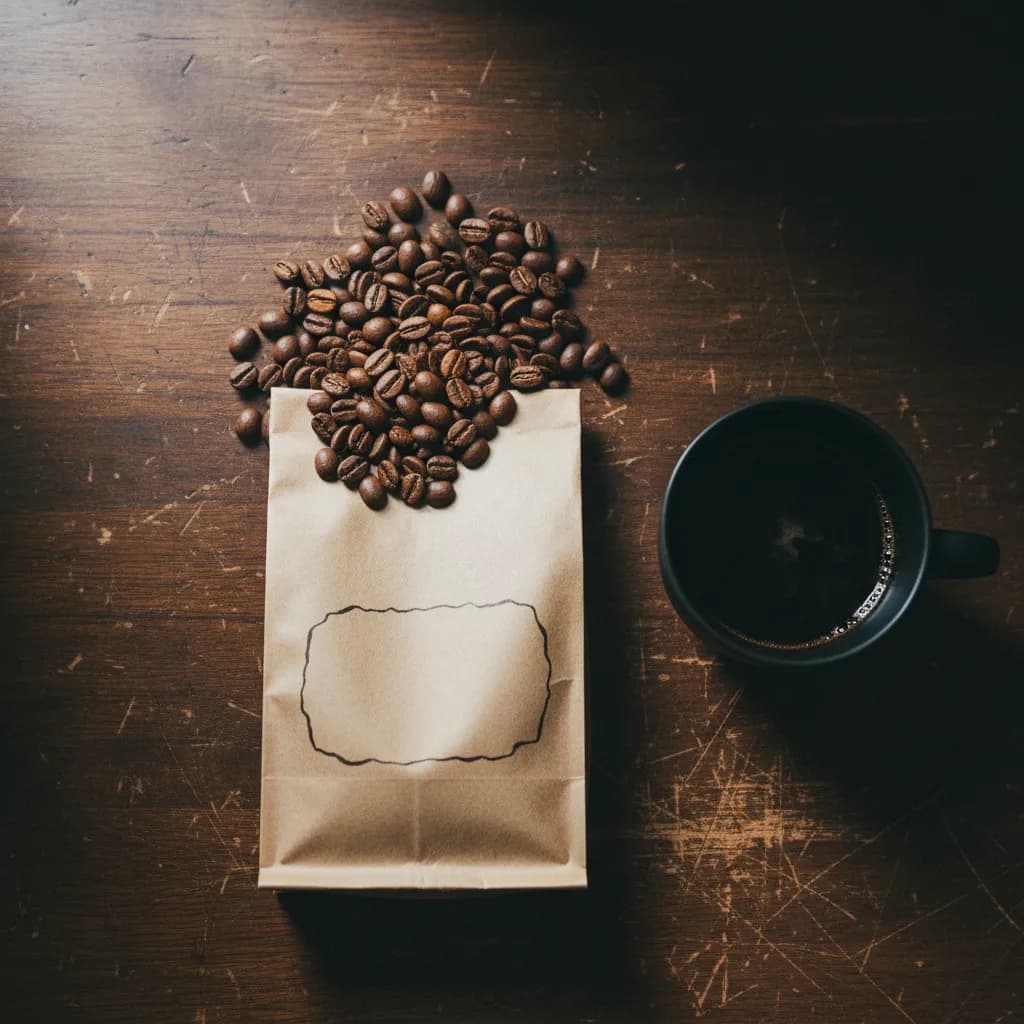
Ask to look at the bag of whatever is on pour-over. Three lines matter. The roast date tells you freshness, and most baristas consider filter coffee at its best somewhere between a few days and a month after roasting. The process line, washed or natural, hints at taste: washed coffees tend to read clean and bright, while naturals lean jammy and fruity. The elevation and variety lines are trivia for most people, so do not feel obliged to decode them.
If you want one honest shortcut, order the same coffee two ways. Have it as a pour-over and buy a small bag for home. The cafe cup shows what the roaster intended, and your own brew a few days later tells you whether you actually like the bean or just liked the room. It is a better test than any tasting-note card, and it stops you from paying for a full bag you will abandon after two mornings.
Where to Sit When the Block Fills Up
Lower East Side cafes are cozy in the literal sense, which means small. Many seat fewer than twenty people, often on a bench along one wall and a few stools at the window. Before 9 a.m. on weekdays you will usually find a window stool, and the light that comes down the narrow side streets is soft enough to read by. From about 11 a.m. on weekends, brunch spillover from Clinton and Rivington streets fills every seat.
If you need a table for an hour, aim for weekday mid-mornings between 9:30 and 11:30, after the commuter wave and before lunch. Bring a book rather than a laptop if you can. Several cafes in this area quietly cap laptop use on weekends with no outlets at the bar, and taking the corner table for three hours with a single cortado does not endear you to staff on a ten-seat floor.
Pairing a Slow Cup With Essex Market
Essex Market, the city-run public market that moved into the Essex Crossing complex at Delancey and Essex streets in 2019, is the natural second stop. Its ground floor has produce stalls, cheese counters, butchers and bakeries, and upstairs there is a mezzanine with tables open to the public. That mezzanine is the best overflow seat in the neighborhood when cafe stools are gone, and nobody will mind if you carry in a cup from down the block.
Walk the market after your coffee rather than before, when your hands are free. A slow loop takes twenty minutes and gives you a sense of how much of the old Lower East Side food culture still survives under one roof, from pickles to smoked fish to Dominican and Puerto Rican pantry staples. The Delancey Street-Essex Street subway station for the F, J, M and Z trains sits right at the corner, so it also works as the end of a morning route.
A Tenement Walk Between Cups
The Tenement Museum on Orchard Street runs guided tours of restored apartments where immigrant families lived from the 1860s through the 1930s, and its shop at the corner of Orchard and Delancey is free to browse. Even without a tour ticket, walking Orchard Street from Delancey up to Houston shows you the same five-story buildings, cast-iron fire escapes and ground-floor shopfronts that now hold many of the cafes you are choosing between.
Walk south on Essex Street and you reach Seward Park, one of the earliest municipal playgrounds in the country, with the Seward Park branch of the New York Public Library across East Broadway. On a mild morning the park benches beneath the trees are a calm spot to finish a cup, and the library reading room is a quiet fallback if rain arrives. Together, the market, the museum shop and the park make a loop of about a mile.
Who You Will Find at the Bar
Early on weekdays the regulars are neighbors with dogs on short leashes, line cooks heading to prep shifts on Clinton Street and the occasional student cutting across from the NYU dorms to the west. Most of them order fast, tip in cash and leave. Around ten, the crowd shifts to freelancers and people waiting for gallery openings on Orchard and Eldridge streets, many of which keep late-morning or noon hours.
There is an unspoken rule worth knowing: on a tiny floor, you order first and then sit. Claiming a stool with your coat before reaching the counter is the fastest way to earn a cold look. If a barista asks whether you want your pour-over for here, say yes even if you might leave. Ceramic cups usually mean the coffee was brewed for you to taste slowly, and many staff will chat about the bean if the line is short.
What to Skip and When to Walk On
Skip the flavored seasonal lattes if your reason for visiting is the roast. Pumpkin or maple syrup will bury exactly the coffee character you came to find, and you can get those drinks anywhere. Skip weekend noon visits too if you want quiet. The block between Rivington and Stanton fills with brunch lines, and cafe staff are too busy for the bean conversation that makes a roastery stop worthwhile.
If every stool is taken and the line runs out the door, do not wait more than ten minutes. Take your cup to go and walk five minutes south to the Essex Market mezzanine, or east to Seward Park if the weather holds. You will probably enjoy the coffee more in a calm seat than standing pressed against a pastry case while someone else finishes their email at the only table.
Using Karpo to Shortlist Your Morning
If you would rather not walk block by block, open the Karpo APP and describe what you want in plain words, for example a quiet cafe with a pour-over menu near Delancey Street that is good for reading. Karpo will suggest nearby options you can compare and tell you what to check before you go, so you choose a cafe that fits your plans.
Practical Notes
The closest subway stops are Delancey Street-Essex Street for the F, J, M and Z, and Second Avenue on the F at Houston Street. Many small cafes in the neighborhood open between 7 and 8 a.m. and close mid-afternoon, so plan an early visit rather than an evening one. Bring a reusable cup if you plan to carry coffee into Essex Market or the park, and keep a tote handy for any whole-bean bag you decide to take home after tasting.
Ask Karpo for more information.
Keep reading
- Upper West Side Hot Chocolate Cafe Crawl on Balloon Eve
 Park Slope Hot Chocolate Cafe Crawl After a Snow Day Sled
 Upper East Side Hot Chocolate Cafe Crawl With a Grandparent