The best solo sushi meal doesn't announce itself. You slip onto a stool, the chef nods, and for the next hour you're in a shared rhythm—knife work, a question about the uni, the scent of fresh wasabi meeting warm rice. The Upper West Side, often painted as family territory, holds a handful of counters where eating alone isn't just tolerated but preferred. Late May, when the afternoon light slants through restaurant windows and the neighborhood exhales after school pickups, these spots come into their own.
Why the counter beats the table
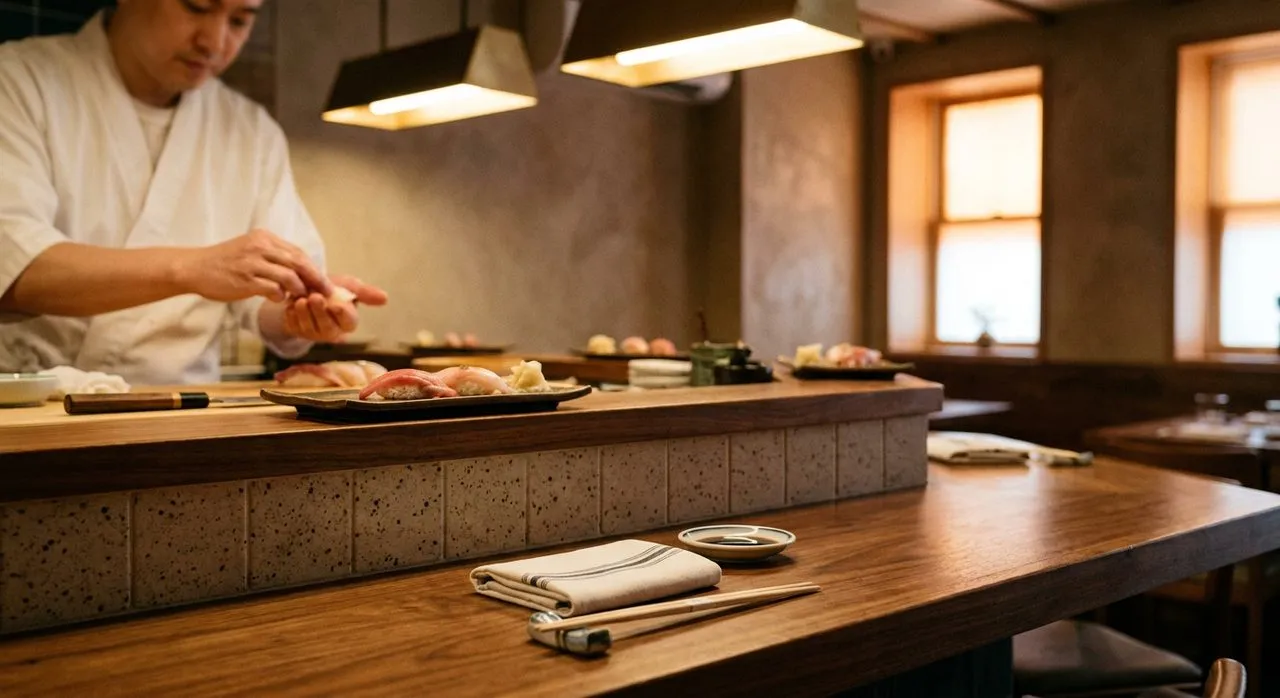
Sushi counters reward proximity. You watch the fish emerge from the case, see the chef adjust seasoning on the fly, catch the moment neta meets rice. At a table, omakase becomes theater viewed from the mezzanine. At the counter, you're in the kitchen. The interaction isn't forced—good chefs read whether you want conversation or quiet—but the option exists, and that changes the meal.
Solo diners get the sharpest end of this bargain. You're nimble, fitting into the last seat at seven-thirty on a Thursday. You set the pace. And when a chef has a spectacular piece of madai or an experimental nikiri, the single diner often gets the offer first. It's pragmatism dressed as favoritism, but the result tastes the same.
The neighborhood gem with the Tuesday trick
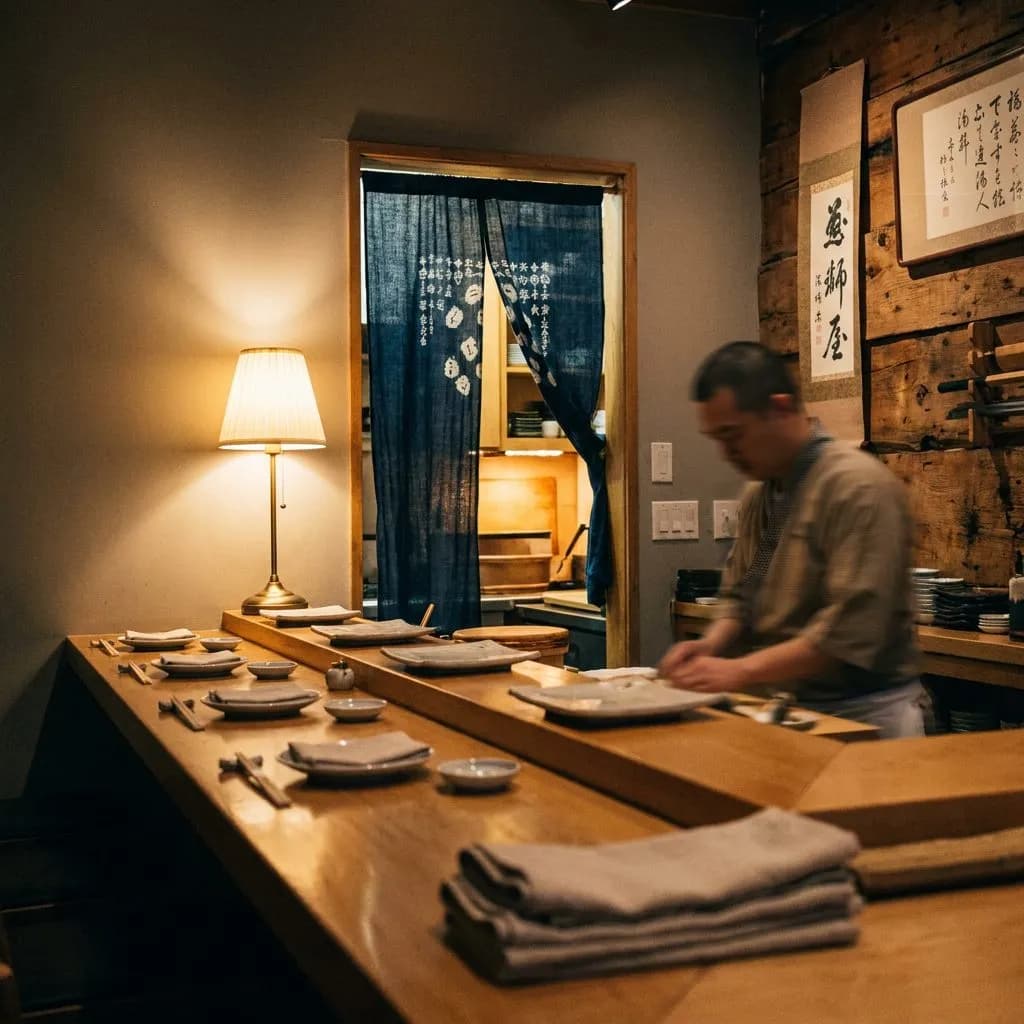
There's a small counter operation on a residential block in the low Eighties, west of Broadway, that neighborhood insiders book for solo Tuesday lunches. The draw: a $35 omakase that runs eight pieces plus miso soup and a hand roll. The chef, who spent years at a Midtown institution before decamping north, sources from the same suppliers but passes the savings of a smaller footprint to customers. Tuesdays are quiet, the fish is two days past the weekend rush and supremely fresh from Monday's market run.
The room is plain—blonde wood, white walls, six counter seats, no music. You hear the knife, the rice paddle, the low hum of the refrigeration units. In late May, the front door sometimes props open, letting in the smell of linden trees from the street. Regulars bring a book but rarely open it. The chef works in silence, then talks in bursts when something on the cutting board merits it. It's the kind of place you don't photograph.
Quick lunch counters near the express stops
The stretch of Broadway between 72nd and 86th holds several sushi counters built for speed without sloppiness. These are fifteen-minute perches during a work-from-home lunch break or a pre-matinee bite. The format is consistent: a narrow counter facing the prep line, chirashi or nigiri sets that arrive in under ten minutes, miso soup that's actually hot. Quality veers from serviceable to surprisingly deft, depending on who's working and how recently the fish was cut.
What makes them solo-friendly isn't ambition but friction-free efficiency. You order at the counter, eat at the counter, pay at the counter. No hovering, no table-turn pressure, no forced intimacy with a chef who's busy feeding the lunch rush. In late May, when the sidewalks are humid and you want cold rice and clean fish without ceremony, these spots deliver exactly that and nothing more.
Traditional omakase where solo seats are prime real estate
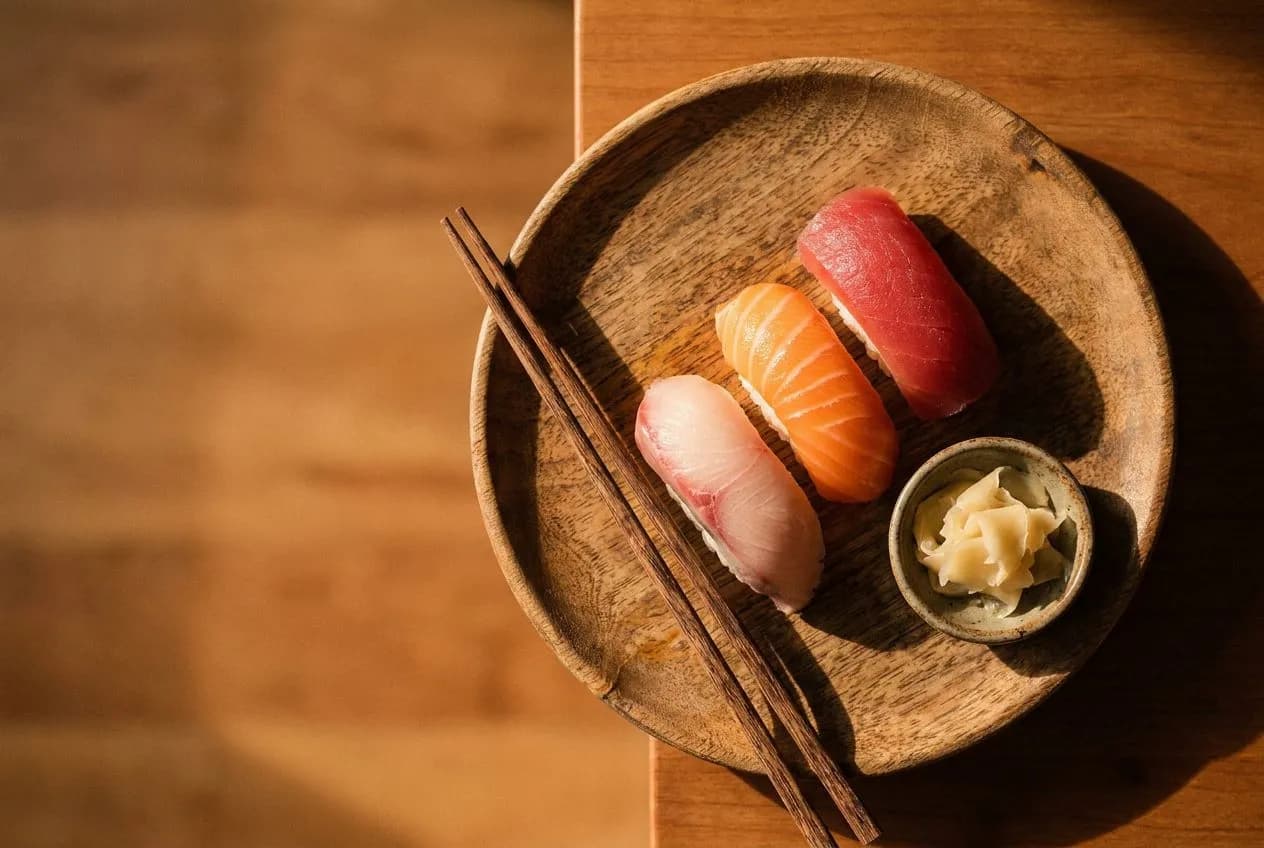
A few Upper West Side establishments run traditional omakase formats—tasting menus that unfold over ninety minutes or more, with the chef directing both tempo and selection. At these counters, solo diners occupy the best sight lines, typically the seats closest to the chef's dominant hand. You're first to receive each piece, still glossy from the nikiri brush or warm from the charcoal.
The experience skews formal: reserved greetings, explanations in soft voices, the ritual of oshibori and the sequence of otsumami before nigiri begins. Some find it reverent, others slightly stiff. What's undeniable is the focus. A solo diner commands full attention in the gaps between courses, and chefs at this level are skilled conversationalists when the moment allows. Expect to spend north of a hundred dollars and to leave satiated in a specifically Japanese way—not stuffed, but precisely full.
The hybrid bar-counter that pours sake
One operation near the Columbia University edge of the neighborhood blurs the line between sushi counter and sake bar. The space runs narrow and deep, with eight counter seats that face both the sushi station and a backlit sake shelf holding sixty-plus bottles. You can order omakase, or you can graze—a few pieces of nigiri, a grilled item, a carafe of junmai daiginjo, another round of toro.
Solo diners gravitate here in the late evening, after nine when the dinner reservations thin out. The atmosphere loosens without tipping into noise. Conversations happen between chef and diner, between diners who came alone and discovered a shared interest in Niigata breweries or the right way to eat sayori. In May, when the door to the small back garden cracks open and the scent of night air mixes with shoyu and cedar, it feels less like dining out than sitting in a friend's very competent kitchen.
What to expect at the counter
Good counter sushi asks for a few adjustments if you're new to the format. Arrive on time—late arrivals disrupt the rhythm for everyone seated. Bring cash for omakase spots that prefer it, though most now take cards. Don't douse the fish in soy; the chef has already seasoned each piece. If you're offered ginger, it's a palate cleanser between types of fish, not a garnish to pile onto nigiri. Ask questions, but read the room. A chef moving fast during a rush isn't the moment for a deep dive into sourcing.
Counter seating also means you're visible, which some solo diners find self-conscious at first. The truth is no one's watching. Everyone's focused on their own plate, or on the chef's hands, or on whether that last piece was Hon Maguro or something else entirely. After the first three pieces, the nerves dissolve. You're just eating very good fish, one piece at a time, in a city that knows how to make that matter.
Practical notes
The Upper West Side sushi corridor runs roughly from 72nd to 96th Street, with the highest concentration along Broadway and Amsterdam Avenue. Nearest subways: 1/2/3 at 72nd or 86th, B/C at 72nd or 86th. Street parking is scarce; if you're driving, budget time for a garage. Most counters serve lunch from noon to 2:30 p.m. and dinner from 5:30 p.m. onward; verify hours directly as some close Mondays or run abbreviated summer schedules. Accessibility varies—many smaller spots involve a step or two at the entrance and narrow aisles. Counter seating by definition lacks back support; if that's a concern, confirm table availability in advance. Bring cash for neighborhood spots, cards for the rest, and an appetite calibrated to roughly ten pieces if you're ordering omakase.
Tags: #UWSEats #PullUpAChair #SushiCounter #SoloNewYork #OmakaseNYC #UpperWestSide #NYCSushi #SoloDining #ManhattanEats #NeighborhoodGems #SpringDining #CounterCulture #SushiBar #NYC2026 #LocalsKnow
Please drink responsibly. Must be of legal drinking age.
Sources consulted: Sushi · Upper West Side · Best Sushi Restaurants in NYC · NYT Food · MTA Info
All trademarks are the property of their respective owners.