 Fort Greene Holiday Market Browsing Guide for Young Shoppers
Weekend Plans
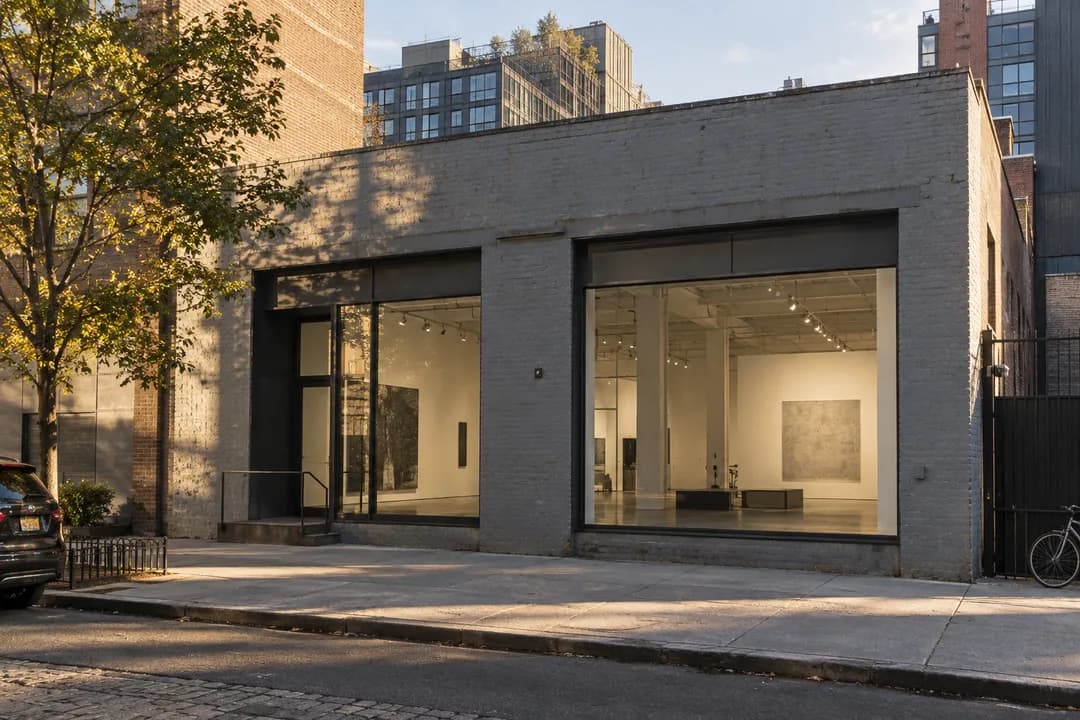
Artists Space Contemporary Art Space: Free Downtown Hours
Artists Space pairs ambitious exhibitions with performance, readings, and a new Tribeca home where downtown art history still feels unfinished.
Artists Space is a contemporary art space in New York where the address, program, and visitor rhythm all matter. At 11 Cortlandt Alley, New York, NY 10013, the official public information lists Wednesday–Saturday, noon to 6pm. Artists Space opened in 1972 and describes 11 Cortlandt Alley as its sixth downtown New York location and its largest home to date. The gallery is free to visit; selected programs can use suggested donations. For Artists Space, the useful rhythm is not a speed-run: give the room enough time to reveal what it is asking you to notice, then build a short neighborhood walk around it.
Why Artists Space belongs on a contemporary art itinerary
Artists Space is not trying to behave like a conventional museum. Its own mission describes a place where exhibitions, film, performance, and social or intellectual activity share one roof. That makes the visit feel less like checking a single show off a list and more like entering an active downtown conversation. The current building at 11 Cortlandt Alley gives that conversation room to expand: the organization says the renovated home offers almost 8,000 square feet across two floors, with a street-level entrance and a lower gallery for work that needs a different rhythm.
The address is part of the experience
At 11 Cortlandt Alley, the destination is tucked into the narrow street network between Broadway and Lafayette Street rather than presented as a grand avenue landmark. Artists Space also lists an entrance at 80 White Street, and its accessibility page identifies the ADA-compliant entrance there. That detail matters if your group includes a wheelchair user or anyone who wants a clearer arrival plan. The closest subway options include Canal Street stops on several lines, so build in a few extra minutes for the last downtown block instead of assuming the gallery will announce itself from a major corner.
What to look for once you are inside
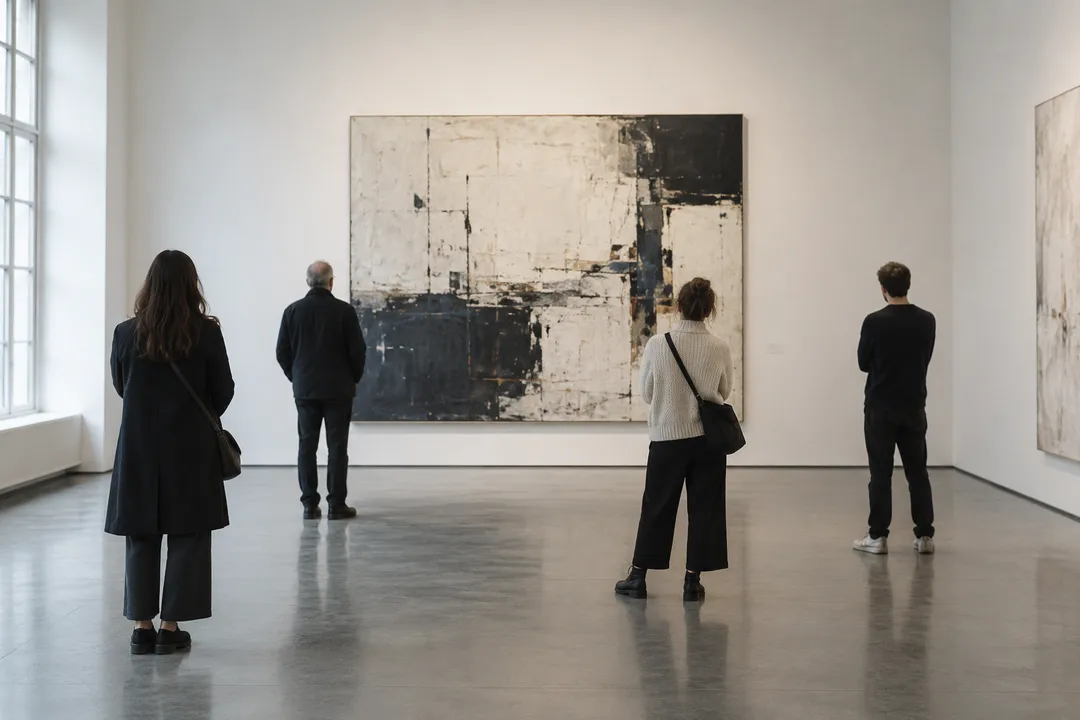
The strongest way to read an Artists Space exhibition is to give the first room time before reaching for interpretation. The organization has a long record of presenting artists whose work crosses painting, sound, moving image, performance, and installation. A large work may be only one part of the argument, a side room, publication table, or event notice can explain the larger ecology around it. Look for changes in scale between the two floors, then ask how the building’s loft-like proportions alter your sense of duration, distance, or audience.
The rules that make the rooms work
The practical rule here is simple: treat the gallery as a working art space rather than a photo backdrop. Keep a comfortable distance from objects, do not touch unless staff explicitly invite it, and let other visitors have a clean sightline. Artists Space emphasizes accessibility and can arrange interpreters with advance notice, its page asks visitors with questions to call or email ahead. That is better than discovering a need at the door. For a reading or performance, check the individual program page because event admission and RSVP rules can differ from ordinary gallery hours.
When to arrive and how to avoid a wasted trip
Wednesday through Saturday, noon to 6pm, is the standing public schedule listed on the home page. A midweek arrival shortly after noon is the calmest choice if you want to read wall text or spend time with a difficult installation. Saturday can carry more social energy because the organization also hosts talks and readings, but that is precisely why you should inspect the event calendar before leaving home. If a program matters more than the exhibition, use its own time and RSVP instructions rather than relying on the gallery’s regular opening window.
The program is bigger than the exhibition
Artists Space has used its downtown presence for experimental music, poetry, dance, film, and conversations, not just white-wall display. The organization’s 2026 Segue Reading Series places Saturday readings at 5pm and lists a suggested $5 donation for that event. That is a useful model for planning: pair the exhibition with a scheduled program when you want the building to feel activated, but do not assume every event is free or walk-in. The best visit can be short and focused, or it can become an entire evening if the calendar lines up.
A small downtown route around the visit
Start at the gallery, then walk south and west through the older Tribeca street grid rather than immediately heading toward a chain-heavy avenue. The point is not to turn the article into a restaurant list, it is to notice how loading bays, cast-iron facades, alley widths, and new residential conversions echo the questions contemporary artists ask about use and memory. Leave enough time to stop for coffee or a simple meal after the show. If you attend a 5pm reading, keep the walk compact so you return before the room fills.
Who will enjoy it most
Artists Space rewards visitors who like to make their own connections. It suits the person who reads exhibition essays, the designer who studies how a room is built, and the curious first-timer who wants an institution with a clear artist-centered history rather than a blockbuster queue. Families can visit, but very young children may find the program’s conceptual pace demanding. If you are bringing a mixed group, set a meeting point and let everyone move independently for ten minutes before comparing notes. That small pause often produces a better conversation than a guided march.
What I would skip
I would skip treating the space as a fifteen-minute photo stop. The building’s value is cumulative: one room may be visually immediate, while a performance notice, publication, or lower-level commission changes the meaning of the visit. I would also skip arriving at 5:50pm unless you only need a quick look, because the posted public hours end at 6pm and the organization’s events can have separate entry rules. If the gallery is not the right mood that day, save the program page and return for a reading or performance instead of forcing a rushed pass.
Practical notes
Artists Space is at 11 Cortlandt Alley, New York. Regular gallery hours are Wednesday–Saturday, noon to 6pm. The organization’s accessibility page lists an ADA-compliant entrance at 80 White Street, a wheelchair lift, an automated door, and accessible restrooms. The main visit is free, while program pages can set their own RSVP or donation terms. For a first trip, wear comfortable shoes, read the current exhibition and event pages, and call ahead if you need accessibility support or a program accommodation.
Ask Karpo for more information.
Keep reading
- Fort Greene Holiday Market Browsing Guide for Young Shoppers
 DUMBO Holiday Market Browsing Guide for Gifts to Mail Home
 Midtown East Holiday Market Browsing Guide for Commuters