Egg recalls move faster than a weekly grocery routine, and New Yorkers often buy eggs through supermarkets, bodegas, delivery apps, warehouse clubs, and restaurant takeout without seeing the same carton details twice. As of July 28, 2026, the FDA is investigating a Salmonella Enteritidis outbreak linked in part to recalled Midwest Poultry Services shell eggs, with recalled product distribution confirmed outside New York but illnesses reported in multiple states, including New York. That makes salmonella eggs a verification problem, not a panic problem. The right move is to check the carton, confirm the recall page, protect your fridge from cross-contamination, and know when NYC wants a report.
Want a quick second read before you buy or cook? Text Karpo with the egg brand, carton code, store, and date, and ask for a recall-check workflow.

Grocery Store Egg Aisle: Check the Carton Before It Enters Your Basket
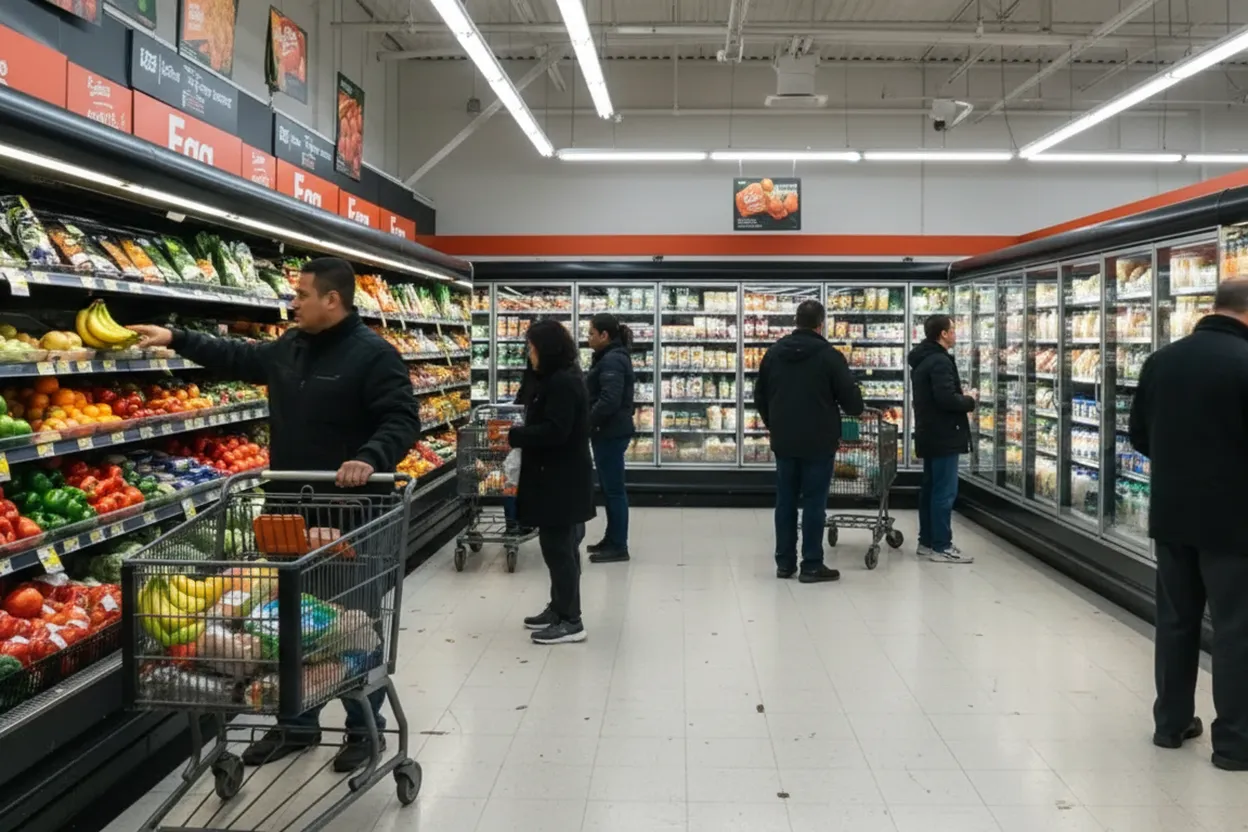
Start in the refrigerated case, not at checkout. FDA consumer guidance says eggs should be bought only from a refrigerator or refrigerated case, and cartons should be opened to confirm clean, uncracked shells. For the July 2026 Midwest Poultry Services recall, the FDA lists specific brands, carton sizes, plant or identifying codes, Julian dates, and best-by or sell-by dates. Do not rely on shelf signs alone; stores can move quickly, and old cartons sometimes sit behind newer stock.
The practical NYC tradeoff is time versus certainty. A crowded supermarket aisle is awkward for close reading, especially if you use a mobility device, have low vision, or are shopping with limited carrying capacity. Step aside with the carton before committing. If the print is smeared, hidden by a price sticker, or missing, pick another carton. If staff cannot show where the code is or whether the store checked the recall, choose a different egg product or skip eggs that trip.
FDA Recall Page: Match Brand, Code, Date, and Distribution Instead of Headlines
Use the FDA recall notice as the decision source because it gives the product-level identifiers. The July 22, 2026 company announcement covers white shell eggs and brown cage-free shell eggs from Midwest Poultry Services, L.P., produced and distributed from Texas farms between June 6 and July 3, 2026. The FDA outbreak page says recalled cartons include codes P-1950 or 0840962 with Julian dates 157 through 184, and best-by or sell-by dates from July 20 through August 17, 2026.
Distribution language needs careful reading. FDA confirmed recalled products were shipped to foodservice and retail customers in Texas, Oklahoma, and Louisiana, with availability through named retailers in several southern states, plus a warning that distribution could extend further. That does not prove every NYC carton is affected, and it does not clear every unlabeled egg. Your backup logic: if a carton lacks enough information to rule it out, do not eat it. Return it if possible, or throw it away.
NYC Delivery Orders: Verify Eggs That Arrive Without a Normal Shopping Moment
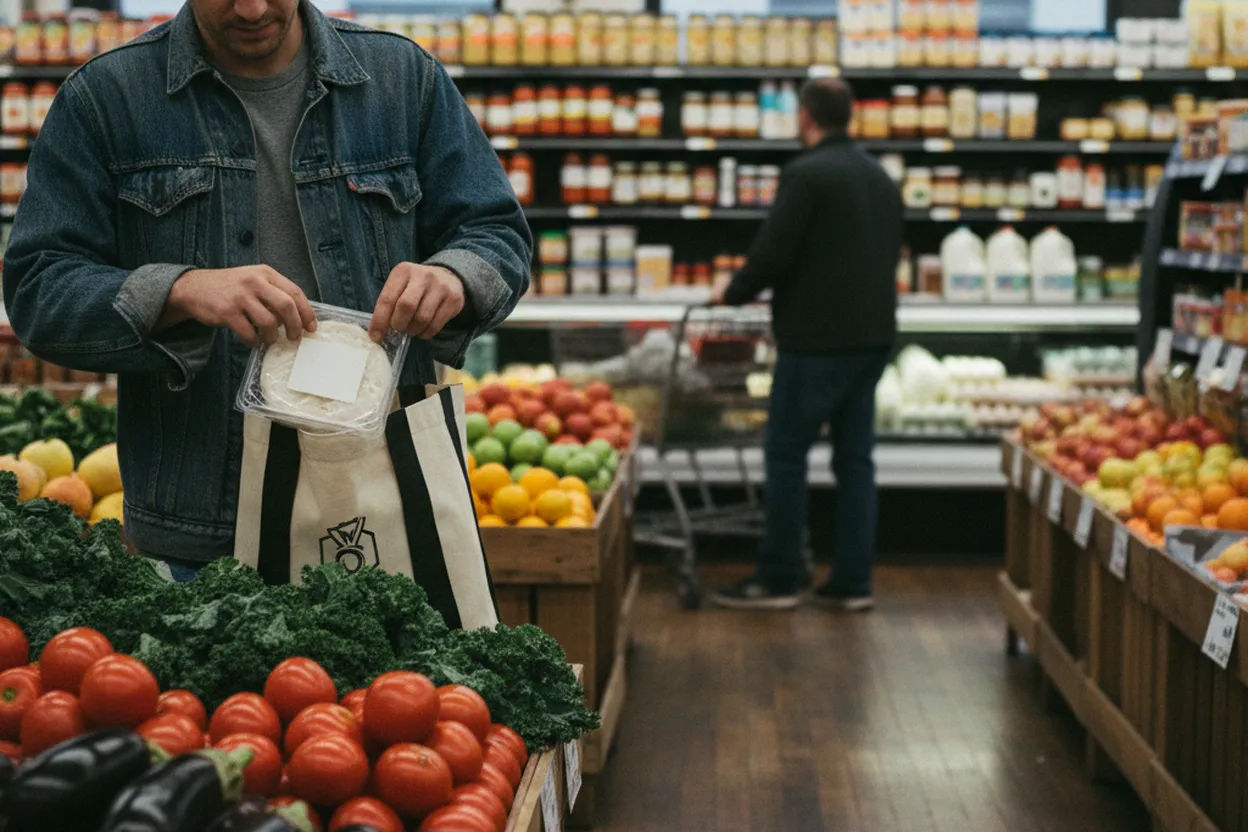
Delivery compresses the safety check because you may receive eggs after the shopper has already accepted a substitute. Inspect the carton immediately, before putting it into the refrigerator. Photograph the front label, side code, best-by or sell-by date, receipt, and any substitution notice. If the carton code matches a recall, keep the photo for the refund request but keep the eggs out of food prep. Do not crack one open to judge safety by smell or appearance.
The failure mode is repacking. Some delivery, restaurant, or bulk channels may separate eggs from their original outer packaging, making recall verification harder. FDA’s July 2026 outbreak guidance specifically says that if eggs were stored without original packaging and you cannot tell whether they are part of the recall, throw them away. That is frustrating in a high-cost city, but it is the cleaner decision for households with children, older adults, pregnant people, or anyone immunocompromised.
Home Refrigerator: Separate, Sanitize, and Preserve the Evidence Trail
Once eggs are home, storage becomes part of recall defense. FDA guidance says to store eggs promptly in a clean refrigerator at 40 degrees Fahrenheit or below, keep them in the original carton, and use them within three weeks for best quality. The original carton is not clutter; it is your traceability tool. If a recall expands, you need the brand, plant or identifying code, Julian date, and best-by or sell-by date in one place.
If you discover a match after the carton has touched shelves, bins, bowls, or reusable bags, treat the surrounding area as potentially contaminated. FDA’s outbreak guidance tells consumers, restaurants, and retailers who had recalled eggs to clean and sanitize surfaces or containers the eggs touched. Use hot, soapy water for hands, utensils, and work surfaces before and after raw egg handling. If you already mixed the eggs into uncooked batter or sauce, discard that food too.
Kitchen Cooking Plan: Choose Firm Yolks, 160-Degree Dishes, or Pasteurized Eggs
Safe cooking is not a recall cure, but it lowers ordinary egg risk. FDA’s egg safety guidance says to cook eggs until both the yolk and white are firm, avoid runny scrambled eggs, and cook casseroles or other egg-containing dishes to 160 degrees Fahrenheit. For Caesar dressing, homemade ice cream, hollandaise-style sauces, or any dish served raw or undercooked, use pasteurized shell eggs or pasteurized egg products rather than regular raw shell eggs.
The audience fit matters. A healthy adult may accept a firm-yolk breakfast after confirming the carton is not recalled. A household cooking for a toddler, an older relative, a pregnant guest, or someone with a weakened immune system should use the more conservative path: pasteurized egg products, fully cooked recipes, or a different meal. If you cannot verify the carton, cooking should not become the workaround. Verification comes first, then recipe choice.
NYC 311 and Health Department: Report Illness When the Pattern Fits
NYC Health identifies raw or undercooked eggs among common sources of food poisoning and says symptoms usually include vomiting, diarrhea, and stomach cramps. It tells New Yorkers who think they became sick after eating or drinking a contaminated item to call 311 or submit an online complaint form. NYC311 also accepts food poisoning reports involving one or two people and reports involving three or more people, with the food and number of sick people included.
Escalate medical care separately from the complaint. NYC Health says to call a doctor for high fever over 101.5 degrees Fahrenheit, blood in stool, prolonged vomiting, dehydration, or diarrhea lasting more than three days. FDA’s egg safety page notes Salmonella symptoms often include diarrhea, fever, abdominal cramps, and vomiting, and severe cases can require hospitalization. Keep receipts, carton photos, delivery screenshots, meal timing, and symptom timing. They help investigators even if the store is not inspected immediately.
Final Buy-or-Skip Decision: Recheck the Source on July 28 Before Cooking
Before cooking on July 28, 2026, run a final verification step because outbreak pages can change. Open the FDA outbreak investigation page and the FDA recalls page, search the brand and any plant or identifying code, then compare the Julian date and best-by or sell-by date. If the page has been updated after you shopped, let the newer source control the decision. If you cannot access the page, pause and use a non-egg meal.
The simplest rule is conservative but usable: buy refrigerated, intact cartons; keep the original packaging; avoid recalled codes; discard eggs whose source cannot be confirmed; sanitize contact surfaces; cook verified eggs thoroughly; and report suspected illness through NYC’s channels. This guide is for a solo daytime safety check, so pacing matters. Ten minutes of verification is enough for most shoppers. If the facts remain unclear after that, the backup plan is not another guess. It is no eggs today.
Tags: #AskKarpo #BeforeYouGo #NYCFoodSafety #EggRecall #Salmonella #GroceryStores #NYCHealth #FDARecalls #FoodPoisoning #KitchenSafety #ConsumerCheck #RecallAlert #SafeCooking #NYCShopping
Sources consulted: Source 1: fda.gov · Source 2: fda.gov · Source 3: fda.gov · Source 4: nyc.gov · Source 5: portal.311.nyc.gov
All trademarks are the property of their respective owners.
Ask Karpo first
Tell Karpo your date, group size, budget, and starting neighborhood. We’ll check current access, timing, transit, and the cleanest plan for Grocery Stores before you head out.