 Chelsea Consignment Shop Crawl Planner for Your First Studio
Hidden Gems & Odd Finds
Astoria Consignment Shop Crawl Planner for Film Costumes
An Astoria consignment shop crawl planner for student film costume leads: build a period wardrobe from resale racks, then rest by the river at Astoria Park.
Every student film has the same quiet crisis about three weeks before the shoot. The script says the story takes place in a Queens apartment in the late seventies, the director wants it to look real, and the costume budget would barely cover lunch for the crew. That is where an Astoria consignment shop crawl planner earns its keep. Astoria is a working neighbourhood with a long screen history, and its resale racks are full of exactly the ordinary clothes that make a period story believable.
Why Astoria Works for a Costume Lead
Astoria has been tied to filmmaking for a very long time. Kaufman Astoria Studios still sits in the middle of the neighbourhood, and the Museum of the Moving Image is a short walk from it, so the streets are used to people carrying garment bags and talking about call times. More useful for a costume lead is the mix of residents. Greek, Brazilian, Egyptian, Bangladeshi and Colombian families have all passed clothes through the same shops for decades.
That mix means the racks rarely look curated. You find a polyester work shirt next to a hand-knitted cardigan next to a wool overcoat someone wore to church for twenty winters. A costume designer wants exactly that, because real characters do not dress in one style. They wear the coat their brother left behind, a shirt from a job they quit, and one good thing they saved up for.
Break the Script into a Shopping List First
Before you leave the apartment, go through the script scene by scene and list every character, every change of clothes and every item a scene actually depends on. A father who works nights needs a uniform-like jacket. A teenage daughter needs one outfit she clearly loves and one she clearly hates. Write sizes next to each name, and take a photo of each actor in plain clothes so you can hold pieces up against their colouring.
Then rank the list. The hero pieces, the ones the camera lingers on, come first and deserve most of your time. Background extras can be dressed from whatever is left at the end of the day. This ranking stops the classic mistake of spending two hours on a perfect scarf for a character who appears for eight seconds, and it makes every shop on the route feel purposeful rather than random.
Letting Karpo Shape the Route
Open the Karpo APP and describe the job in plain words, such as a seventies wardrobe for four characters, a few hours in Astoria, mostly menswear and a little womenswear, travelling on foot. Karpo suggests a shortlist of consignment, resale and thrift shops nearby that fit that brief, and proposes an order to walk them so you are not doubling back across the neighbourhood with a heavy bag.
You can keep the conversation going as plans change. If the lead actor turns out to be taller than expected, ask which nearby shops tend to carry larger menswear, or ask for a quieter shop where you can spread pieces out and think. Karpo helps with picking and planning only. It does not hold items, see what is on a rack today or reserve anything, so treat its list as a smart starting point and let the racks decide the rest.

Reading the Racks Like a Costume Designer
Shop by silhouette and fabric before you shop by detail. Seventies menswear has wider collars, slightly flared trousers and a lot of brown, rust, mustard and dark green. Run your hand along a rail and stop at anything with that weight and colour. Ignore labels at first. A cheap department store shirt with the right collar will read as period on screen far better than an expensive designer piece cut in the wrong decade.
Check every piece in daylight near the window, because shop lighting hides stains that a camera finds instantly. Look at underarms, cuffs and collars, and test zippers twice. Small flaws are often fine, even helpful, since lived-in clothes look honest on screen. What you cannot fix in a hurry is a broken zip on a costume that needs to come off quickly between takes.
Talking to Shop Staff About What You Need
People who run small resale shops in Astoria have usually seen a student production or two, and many enjoy the challenge. Tell them what the film is about and which era you are dressing. Someone behind the counter may remember a box of older stock that has not reached the floor yet, or point you to a corner where coats from a single estate ended up together.
Be honest about your limits and polite about your timing. Do not arrive with a crew of six and take over the fitting room on a busy weekend afternoon. One or two people with a clear list and a tote bag will get far more help. If a shop gives you real attention, mention it to the producer so it can be thanked properly in the end credits.
A Break at the Museum of the Moving Image
Somewhere in the middle of the crawl your eyes will stop working. Racks blur together and every brown jacket starts to look identical. This is the moment to step into the Museum of the Moving Image for an hour. Its collection of costumes, props and screen equipment is a useful reminder of how much character a single garment can carry, and it resets the eye for the second half of the day.
Sit somewhere quiet afterward and lay out what you have bought so far on a bench or café table. Photograph each piece next to the actor photos on your phone. Gaps become obvious very quickly. You may realise the mother has three cardigans and no coat, or that every man in the film is wearing the same shade of beige, which will look flat once lighting is set.
Finish by the River at Astoria Park
End the day by walking north toward Astoria Park and the waterfront. The park sits under the Hell Gate and RFK bridges, and the path along the East River is a good place to sit with your bags, eat something from a nearby Greek bakery and review the haul against your list one last time. It is also worth scouting as a location, since its old benches and river views read easily as another decade.
Ditmars Boulevard is close by if you need a final stop or a proper meal with the director to talk through the looks. Many costume leads find that the last shop of the day produces the best piece, simply because by then they know exactly what is missing. Leave some energy for it rather than burning everything on the first two rails.
Practical Notes for Costume Leads
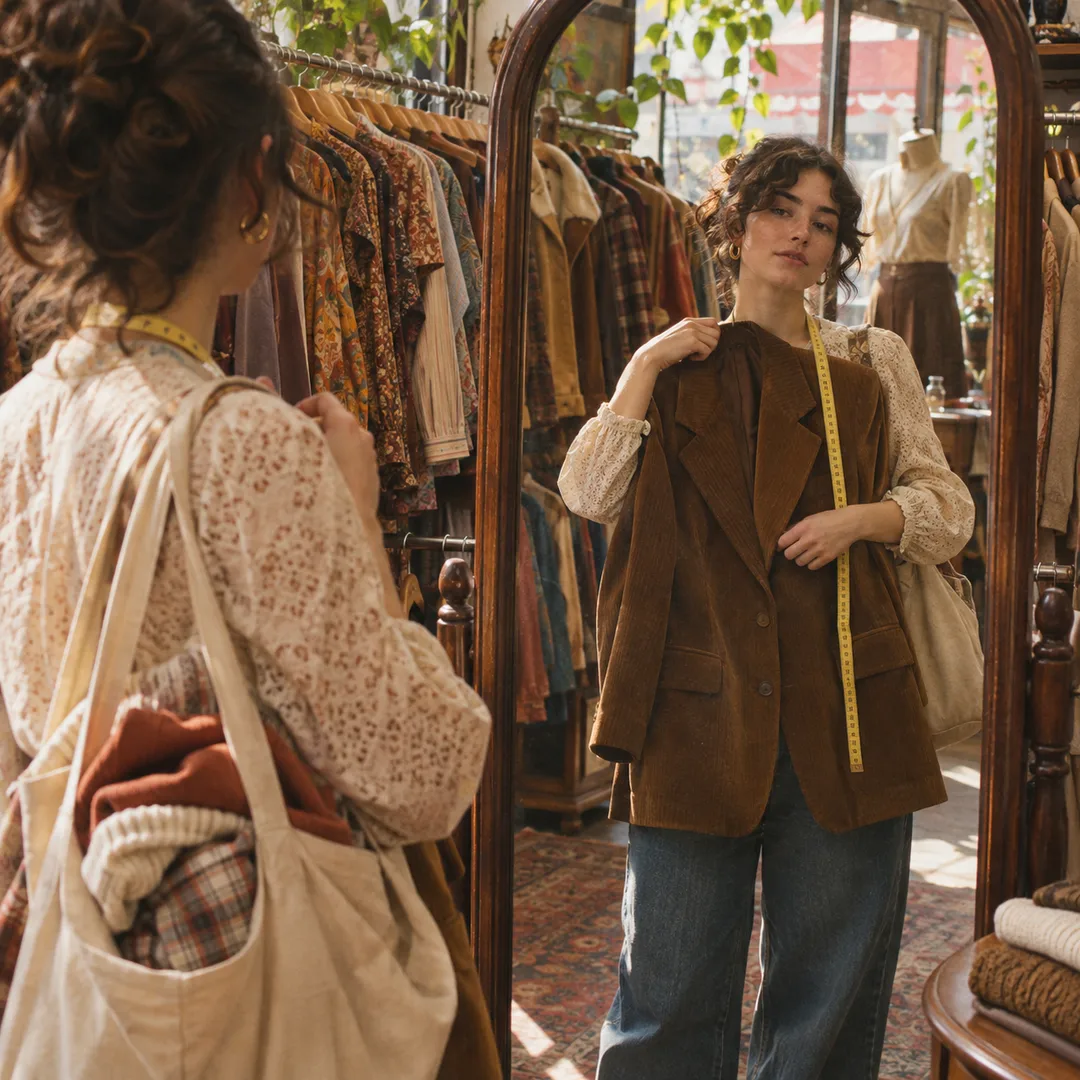
Carry two large tote bags, a measuring tape, safety pins and a small notebook. Keep every receipt in one envelope for the producer, and label each piece with the character name using masking tape as soon as you buy it. Weekday mornings are usually calmer for long browsing than weekend afternoons, and calm shops make for better conversations with staff.
Wash or air everything before fittings, because secondhand clothes carry the smell of the shop and actors notice. Keep a short return pile of things that might work, and decide on them within a day so they do not clutter the costume rack. When the shoot wraps, consider consigning the best pieces back into the neighbourhood so another production can find them next season.
Ask Karpo for more information.
Keep reading
- Chelsea Consignment Shop Crawl Planner for Your First Studio
 East Village Consignment Shop Crawl Planner: Leather Jackets
 Harlem Consignment Shop Crawl Planner for a Jazz Night Look