 Chelsea Consignment Shop Crawl Planner for Your First Studio
Hidden Gems & Odd Finds
Coney Island Creek Park: The Marsh-Edge Brooklyn Walk Far From the Boardwalk Noise
Escape the crowds with a walk through Coney Island Creek Park, a serene urban wetland at Brooklyn’s marsh edge, far from the boardwalk’s noise.
Coney Island Creek Park offers a rare glimpse of Brooklyn’s natural tidal wetlands, a sharp departure from the lively amusement parks and crowded beaches just minutes away. This 8.89-acre nature area is a quiet refuge where visitors can experience the remnants of a once-vast salt marsh estuary that shaped the region’s ecology and history.
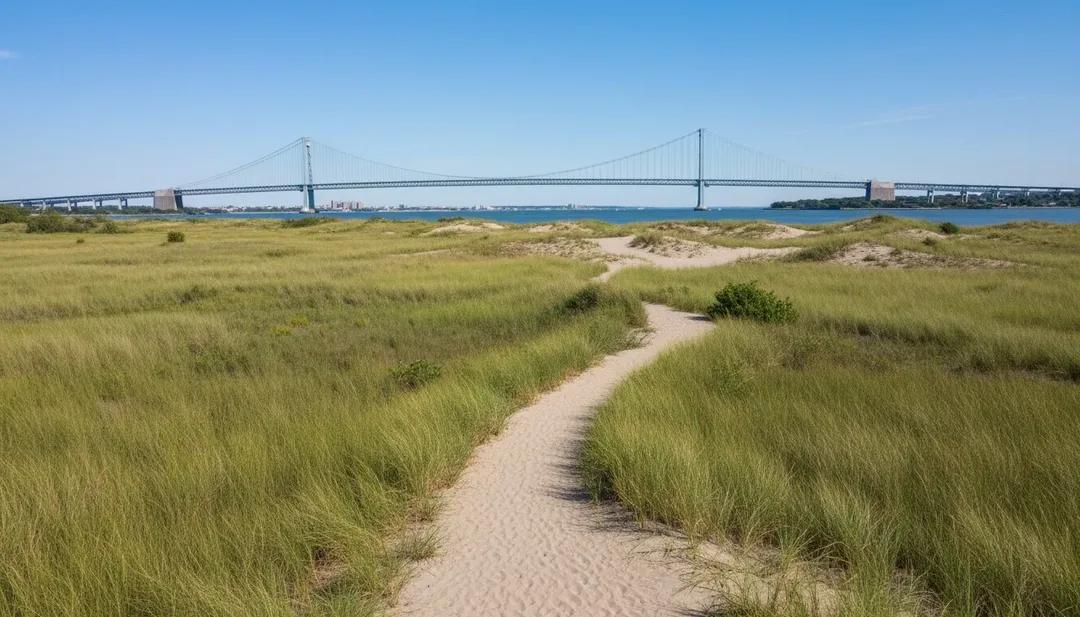
Unlike the noisy boardwalk and amusement rides that define much of Coney Island’s identity, Coney Island Creek Park invites visitors to explore its grassy dunes, scattered trees, and winding stone paths. It’s a place to appreciate the subtle rhythms of the creek’s tidal waters and the resilient urban ecosystem that persists amid the city’s dense development.
A Last Remnant of Brooklyn’s Salt Marsh Estuary
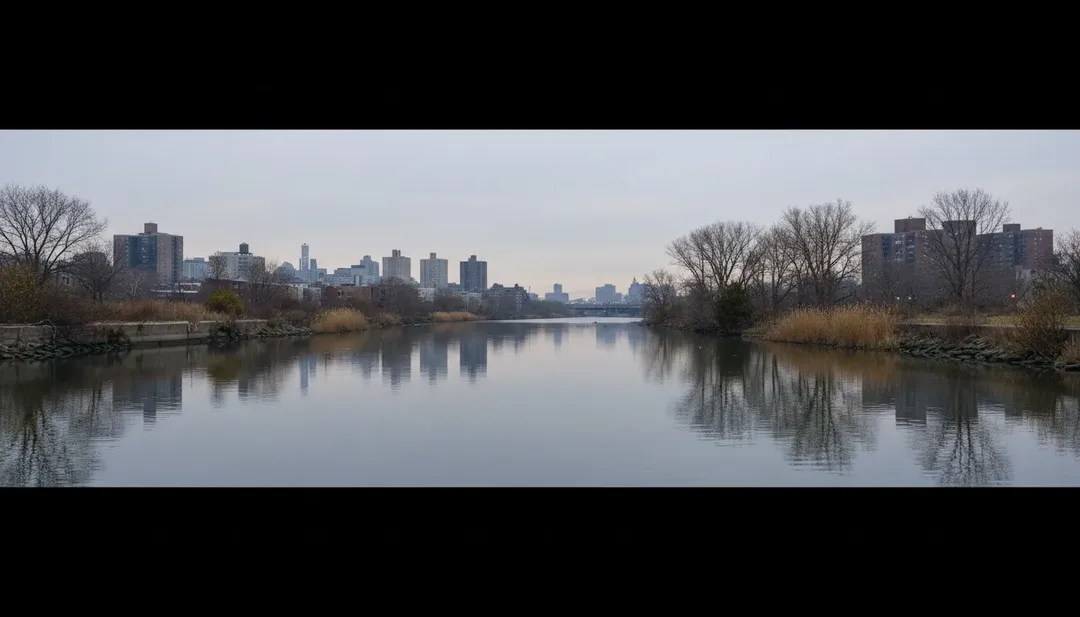
Coney Island Creek is the sole surviving creek in the area, once part of a sprawling salt marsh estuary covering nearly 3,000 acres between Coney Island’s sand dunes and the glacial plains of southern Brooklyn. Over centuries, urban development filled in many other creeks, but this waterway remains as a vital ecological and historical landmark.
The park’s location along the creek preserves a fragment of this natural heritage, showcasing grasses, shrubs, and trees that thrive in the tidal wetlands environment. Visitors can observe how the marsh-edge habitat supports local wildlife and contributes to the health of the surrounding ecosystem.
A Quiet Alternative to the Boardwalk Buzz
While Coney Island’s famous boardwalk draws crowds with its amusement rides, arcades, and beach activities, Coney Island Creek Park offers a contrasting experience. Here, the sounds of waves and seagulls replace carnival music and chatter, and the landscape is defined by natural elements rather than commercial attractions.
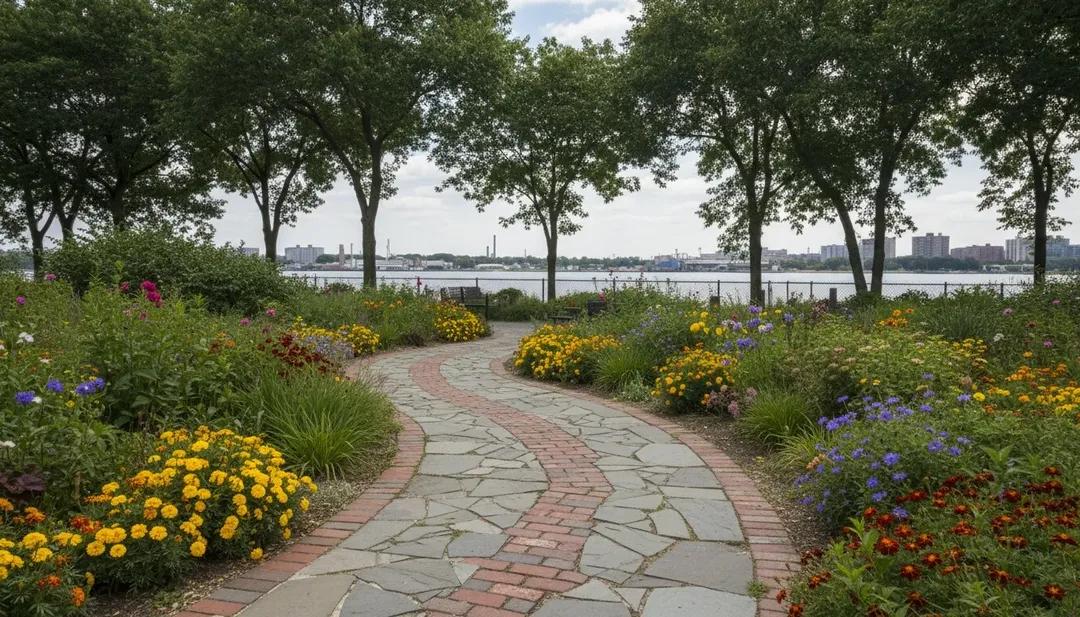
The park’s small garden with seasonal flowers and a stone and brick path invites leisurely strolls, birdwatching, and moments of reflection. It’s a peaceful spot favored by locals seeking respite from the busy tourist areas just a short distance away.
Environmental Challenges and Restoration Efforts
Coney Island Creek has faced significant environmental pressures over the past century, including pollution from sewage discharges and urban runoff. The creek’s transformation into an industrial waterway led to degraded water quality and loss of natural habitats.
However, since the Clean Water Act of 1972 and growing ecological awareness, efforts have been underway to restore and protect the creek and its surroundings. The park’s sand dune, installed in 2001 with city funding, helps prevent erosion and supports the health of nearby beaches and wetlands.
Community involvement and ongoing restoration projects aim to balance urban development with ecological preservation, making the park a focal point for environmental justice and education.
Recreational Opportunities Along the Creek
Though swimming and boating are limited due to water quality concerns, Coney Island Creek Park provides ample opportunities for passive recreation. Walking paths, natural observation points, and proximity to other green spaces like Kaiser Park make it a destination for nature lovers and urban explorers.
Fishing and birdwatching are popular activities, with the tidal creek attracting various species. The park’s setting offers unique views of the Verrazzano-Narrows Bridge and the mouth of New York Harbor, blending urban infrastructure with natural scenery.
Getting There and Visitor Tips
Coney Island Creek Park is accessible via Bayview Avenue near West 37th Street in Brooklyn’s 11224 ZIP code. The area is served by several public transit options, including the B74 bus from the Coney Island Stillwell Avenue subway terminal, which connects to multiple subway lines (B, D, F, N, Q).
Visitors should plan for a walk along quiet streets and bring appropriate footwear for uneven natural paths. The park is open daily from dawn to dusk with no admission fee. As an urban wetland, it is advisable to check weather conditions and avoid visiting after heavy rains due to potential water runoff impacts.
Practical notes
- Access: Open daily from dawn to dusk, no admission fee
- Address: Bayview Avenue near West 37th Street, Brooklyn, NY 11224
- Transit: Accessible via B74 bus from Coney Island Stillwell Avenue subway terminal (B, D, F, N, Q lines)
- Accessibility: Natural terrain with some uneven paths; limited formal accessibility features
- Reservations: None required
- Official info: https://www.nycgovparks.org/parks/coney-island-creek-park
Tags: #urban_wetland_walks #NYC #secret_NYC #local_knowledge #Coney_Island_Creek_Park #hidden_gems #things_to_do_in_NYC #New_York_City #urban_wetlands_Brooklyn #tidal_marsh_walk_NYC #Brooklyn_nature_parks #Coney_Island_natural_areas #urban_ecology_New_York #Brooklyn_waterfront_parks #salt_marsh_estuary_NYC
All trademarks are the property of their respective owners.
Ask Karpo first
Want to know whether Coney Island Creek Park fits your day, route, and timing? Ask Karpo first for a current NYC plan built around you.
Ask Karpo for more information.
Keep reading
- Chelsea Consignment Shop Crawl Planner for Your First Studio
 East Village Consignment Shop Crawl Planner: Leather Jackets
 Harlem Consignment Shop Crawl Planner for a Jazz Night Look