 Soccer Bar Near Me: Midtown's Basement Room For Early Kickoffs
Watch Parties
NYC Concerts Roundup: Where to Buy Tickets Now
New York's concert calendar runs deep, but getting in the door means knowing which ticket sources move fast and which leave you standing outside.
Most cities have a handful of rooms that book national tours. New York has hundreds of stages running simultaneously, from basement punk clubs in Greenpoint to seated orchestral halls in Midtown, and the ticket ecosystem reflects that density. A show can sell out in six minutes on one platform while another site still has balcony seats an hour later. The best buy for a given night often isn't the marquee reseller—it's whichever box office or authorized seller hasn't been slammed by bots yet.
Text Karpo before you commit to a venue. It'll pull current showtimes, check what's still on sale, and route you door-to-door so you're not guessing at transfer times when the opener's already on.
Why the ticket hunt is different in New York
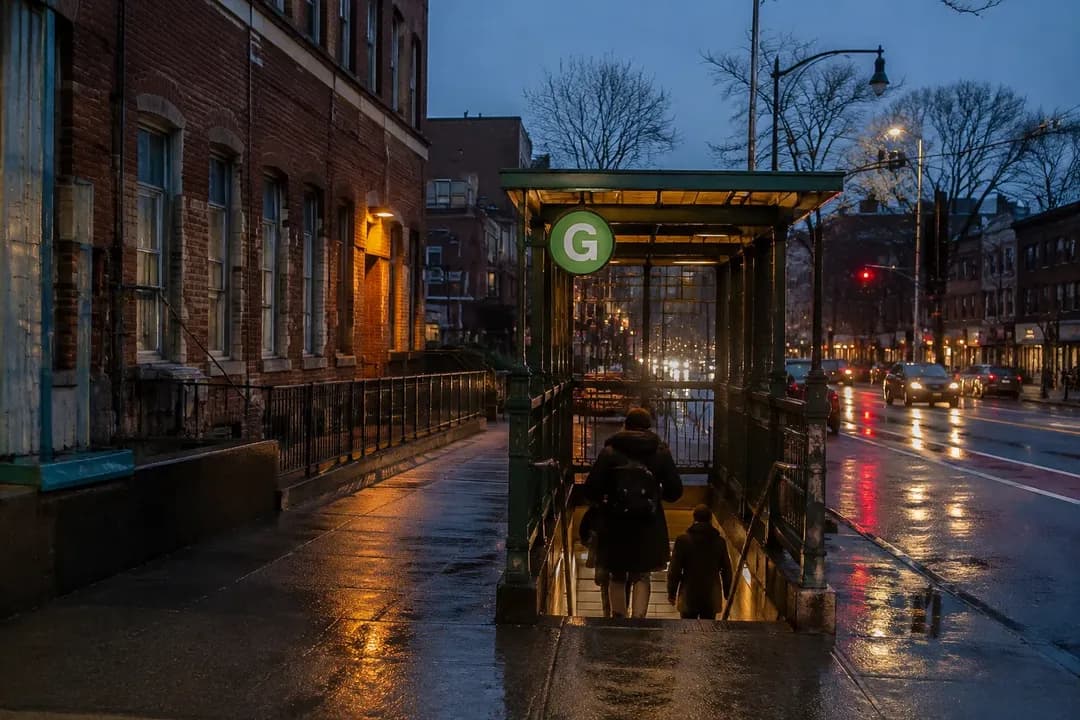
The other wrinkle is geography. A cheap ticket to a venue on the L train means nothing if you're coming from Queens and the L decides to skip your stop for track work. Buying early gives you time to map the route, confirm the subway's behaving that night, and figure out whether you need to leave during the encore to catch the last express. That fifteen-dollar ticket to a Williamsburg basement starts looking less appealing when you're paying thirty dollars for a cab home at 1 a.m. because you missed the final G train.
Where to look first when a show drops
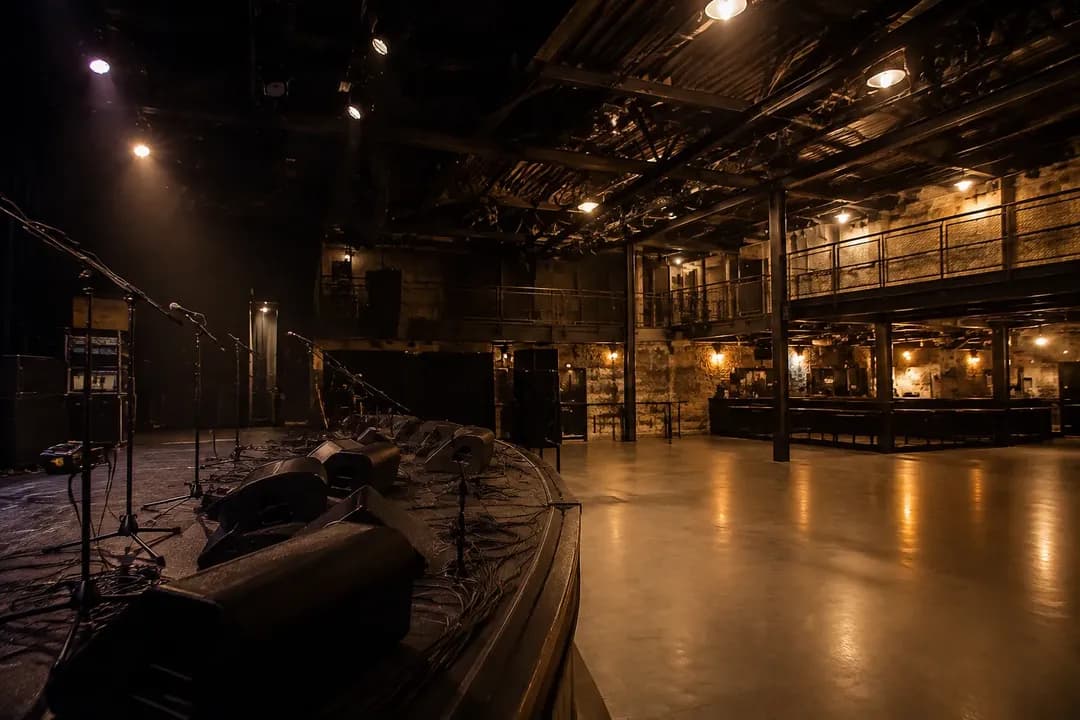
Start with the venue's own website. Most New York clubs and theaters post their on-sale times and link directly to their box-office portal or a primary ticketing partner. For bigger rooms—Terminal 5, Brooklyn Steel, the Beacon—those links usually point to the same few platforms, but buying during the initial release window often means lower fees and a clearer picture of what's actually available. Resale markets flood with marked-up seats within minutes, so if you're hunting for the best buy, the venue's direct sale is your cleanest shot.
If the show's already sold out on the primary site, check the venue's social accounts for late-release announcements. Holds get freed up, production kills get returned, and sometimes a second wave drops the afternoon of the show. For smaller rooms in neighborhoods like Greenpoint or Bushwick, the venue might sell a limited number of tickets at the door, but that's a gamble—lines form early, and there's no guarantee you'll get in.
Resale platforms are the fallback, not the starting point. Prices spike as the date approaches, and you're often buying a screenshot of a barcode with no recourse if it doesn't scan. If you do go that route, cross-check the seller's history and make sure the listing specifies mobile transfer or a PDF, not a physical ticket that might never arrive. The city's packed enough that someone's always desperate to unload a ticket an hour before doors, but that's a narrow window and you're competing with everyone else refreshing the same page.
Navigating the night itself
Once you've secured a ticket, the next variable is timing. Most New York concerts list doors at 7 or 8 p.m., with the opener hitting the stage thirty to forty-five minutes later. If you're coming from Manhattan to a Greenpoint venue, budget an hour from Midtown even if the train says thirty-five minutes—transfers at Union Square or Broadway Junction eat time, and the G train runs on its own schedule. Arriving right at doors means you'll have space to grab a drink and stake out a spot before the room fills.
For seated venues, the calculus shifts. You can show up ten minutes before the headliner and still find your seat, but getting out afterward becomes the problem. The 1 train at Lincoln Center after a symphony lets out is shoulder-to-shoulder, and if you're trying to transfer to the 7 at Times Square, you're looking at a twenty-minute shuffle through tunnels. Late-night service changes kick in after midnight on weeknights, and some lines switch to local-only or skip stops entirely. Check the MTA's planned work before you leave, and have a backup route or the number for a car service.
If the venue's in a neighborhood with limited subway access—Red Hook, Gowanus, parts of Bushwick—factor in a walk or a bus connection. A ticket to a waterfront warehouse show sounds great until you realize the nearest train is fifteen blocks away and the streets are unlit. Bringing a portable charger is non-negotiable; your phone is your ticket, your map, and your way to confirm the train's still running.
When your plan falls apart
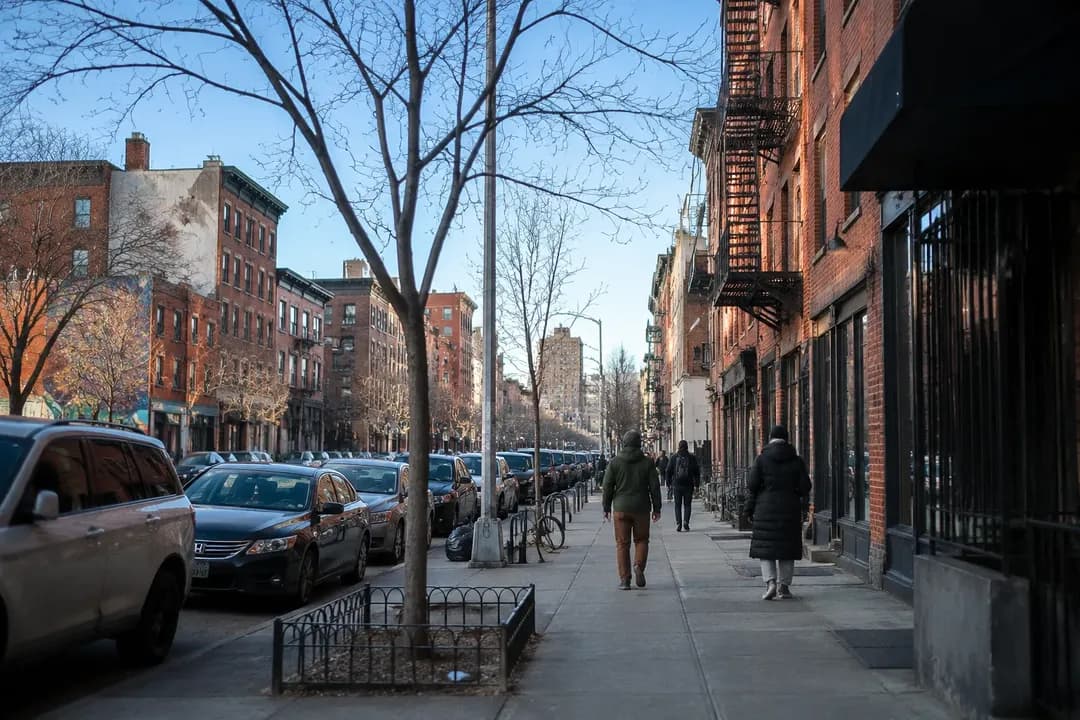
Shows get moved, openers drop off the bill, and venues occasionally double-book or oversell. If you arrive and the door staff says your ticket isn't valid, pull up your confirmation email and the credit-card charge on your phone. Most box offices will honor a legitimate purchase even if the barcode glitches, but you need proof. If the venue's packed beyond capacity and they're not letting anyone else in, you're stuck—fire codes are enforced, and no amount of arguing will change that.
Weather is the other wildcard. Summer thunderstorms kill outdoor shows in Prospect Park and Central Park with little warning, and winter ice can shut down subway lines for hours. If the forecast looks unstable, check the venue's cancellation policy before you travel. Some rooms offer refunds or reschedule; others treat it as a lost ticket. For festivals or multi-stage events, have a secondary plan that doesn't require you to stand in a muddy field for four hours.
If you miss your train home, a late-night diner with table service can give you a place to sit until morning service resumes. The L and the N run all night, but frequencies drop to every twenty or thirty minutes, and waiting on an empty platform at 2 a.m. is less appealing than a booth at a Greenpoint pierogi spot. Keep enough cash for a cab or a rideshare as a last resort, and make sure your phone's charged enough to request one.
What to confirm the day of the show
Morning of, verify that the concert's still happening. Venues post updates on their websites and social channels, and last-minute cancellations do occur—illness, travel delays, or logistical problems. If the show's been moved to a different room or a different night, your ticket should transfer automatically, but confirm that with the box office before you leave.
Check the subway's status an hour before you plan to depart. The MTA's service alerts page lists planned work and real-time delays, and some disruptions don't hit the app until you're already underground. If your usual line is running local or skipping stops, map an alternate route that keeps you moving. For venues near multiple subway lines, knowing which entrance to use can save you a five-block detour in the wrong direction.
Finally, double-check what the venue allows inside. Most New York clubs ban large bags, outside food and drink, and professional cameras. If you're planning to grab dinner first, eat it before you get in line—re-entry isn't common, and you won't want to forfeit your spot. Coat checks exist at larger venues but can have long waits at the end of the night, so dress in layers you're willing to carry or tie around your waist once the room heats up.
Practical notes
- Doors typically open 30–45 minutes before the first act; plan to arrive early if you want a good sightline in a general-admission room.
- Subway service changes after midnight can add significant travel time; check the MTA's planned work page before you leave.
- Most venues require mobile tickets; bring a portable charger and download your ticket before you lose signal underground.
- Coat checks at larger venues can have long lines; dress in layers you're comfortable carrying.
- Drink responsibly and arrange a safe ride home—late-night subway service is limited, and rideshare surge pricing is common after shows let out.
- Confirm the show is still happening the morning of; last-minute cancellations and venue changes do occur.
Tags: #karpo #nyc #newyorkcity #concerts #livemusic #nycnightlife #greenpoint #brooklyn #concerttickets #nycsubway #williamsburg #bushwick #mta #nycvenues #liveshows
Sources consulted: MTA Planned Service Changes · NYC Parks Events
Please drink responsibly. Must be of legal drinking age.
All trademarks are the property of their respective owners.
Ask Karpo first
Text Karpo the venue name and your starting point. It'll confirm the show's still on, pull current ticket availability if you haven't bought yet, and map a live route with real-time subway updates so you're not caught off-guard by a service change. If the night runs late, ask for the last train home or a backup plan.
Ask Karpo for more information.
Keep reading
- Soccer Bar Near Me: Midtown's Basement Room For Early Kickoffs
 Soccer Bar Near Me in Flatiron: A Bartender's Rule for the Noise
 Soccer Bar Near Me: This West Village Cafe Fills Fast for Kickoff