Official Alert Channels Every NYC Commuter Should Monitor
New York City commuters navigating flash flood and storm conditions have three primary official sources for real-time information. Notify NYC serves as the city's official emergency communications platform, delivering alerts about severe weather, flooding, and transit disruptions directly to residents through text, email, and phone. The National Weather Service issues watches, warnings, and advisories specifically for the New York City area, providing advance notice of dangerous weather conditions including flash flooding, thunderstorms, and high winds. NYC Emergency Management coordinates the city's response to severe weather events and publishes preparedness guidance on flooding, storm safety, and emergency procedures.
Caught in NYC's storm season? Ask Karpo how to keep your commute safe during flood and storm alerts.
These three channels work together to keep commuters informed during weather emergencies. While Notify NYC pushes localized alerts about immediate dangers and city services, the National Weather Service provides meteorological forecasts and timing for approaching systems. NYC Emergency Management translates these warnings into actionable guidance for residents and workers. Commuters should register for Notify NYC alerts and bookmark both the National Weather Service New York page and the NYC Emergency Management severe weather resource page before storm season arrives. During active weather events, checking all three sources provides the most complete picture of current conditions and expected impacts across the five boroughs.
How to Check MTA Service Status Before and During Storms
The Metropolitan Transportation Authority maintains a comprehensive service status portal that commuters should consult before leaving home during severe weather. The MTA website displays real-time updates for subways, buses, commuter railroads, bridges, and tunnels, including both weather-related disruptions and planned service changes. During flash flood events, subway lines may experience suspended service, especially in low-lying stations prone to water accumulation, while bus routes may be detoured around flooded streets. The MTA updates this information continuously as conditions change, making it essential to check immediately before departure rather than relying on morning forecasts.
Bridge and tunnel crossings managed by the MTA also post status updates during high wind and flooding events. Commuters who drive or take express buses across these spans should verify that their usual route remains open and safe. The service status page distinguishes between planned work and emergency conditions, helping travelers understand whether delays are weather-related or scheduled maintenance. For commuters without reliable internet access during their journey, the MTA also operates a customer service line, though website and app access typically provides faster information during widespread disruptions when call volume is high.
Station and Elevator Closures During Flash Flood Events
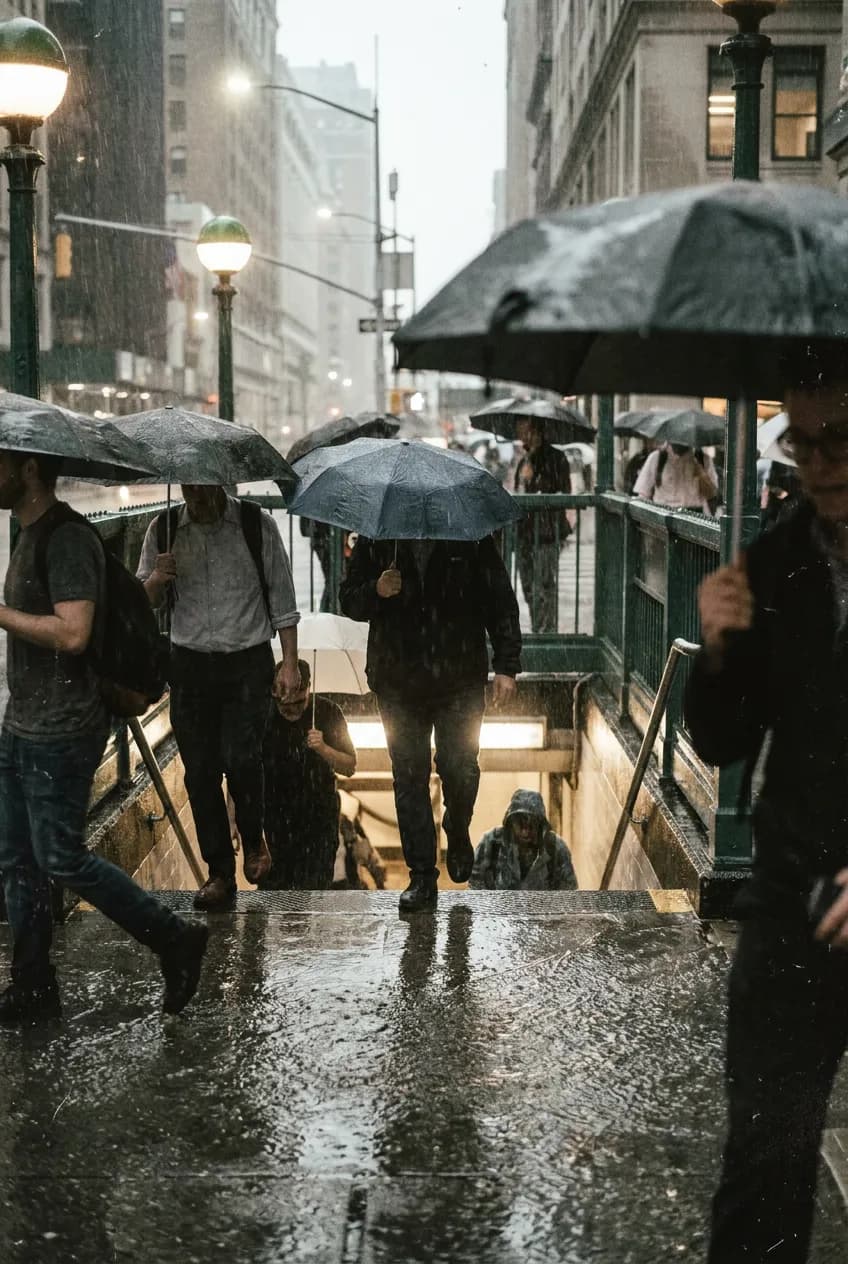
Flash flooding poses particular risks to subway stations, especially those with street-level or below-grade entrances where water can accumulate rapidly. During severe weather, the MTA may close individual station entrances or entire stations to protect commuters from dangerous conditions. Elevator outages are common during and after storms, affecting accessibility at stations that serve riders with mobility needs. Commuters who rely on elevators should check station-specific status before traveling, as backup accessible routes may require significant detours or alternative transportation modes.
The MTA service status page includes station-level detail during major weather events, but conditions can change faster than updates appear online. Commuters approaching a station should look for MTA personnel, signage, or barricades indicating closures, and be prepared to use an alternate entrance or station. After floodwaters recede, stations may remain closed for inspection, cleanup, and equipment testing. Commuters should avoid attempting to enter closed stations or walking through standing water near subway entrances, as electrical hazards and swift currents can create life-threatening conditions even in shallow water.
Safe Commuting Practices When Flood Warnings Are Active
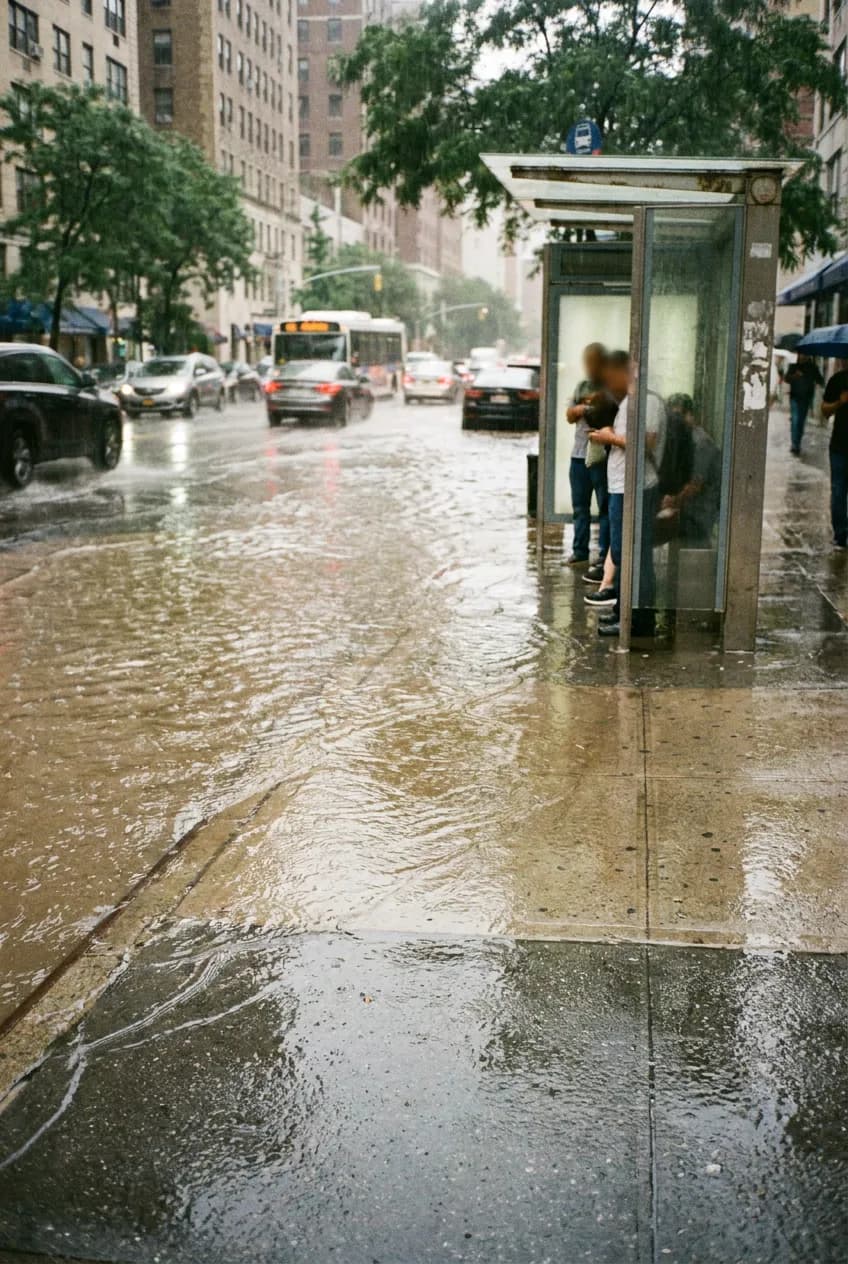
NYC Emergency Management emphasizes that commuters should never attempt to walk, drive, or bike through flooded streets. Even shallow moving water can knock pedestrians off their feet, while as little as six inches of water can cause vehicles to lose control. Flooded roadways also conceal hazards including open utility access points, debris, and uneven pavement. During flash flood warnings, commuters should avoid underpasses, low-lying roads, and areas near small streams or drainage channels that can overflow rapidly. If a route appears flooded, the safest choice is always to turn around and find an alternate path, even if it means significant delays.
Commuters should build extra time into their schedules on days when the National Weather Service has issued flood watches or warnings. Severe weather often causes cascading delays across multiple transit modes as buses detour, trains wait for track inspections, and traffic congestion spreads from closed roads. Leaving earlier than usual provides buffer time to navigate unexpected closures and service changes. Commuters should also identify backup routes before storms arrive, including alternative subway lines, bus routes, or walking paths that avoid flood-prone areas. Keeping a charged phone, weather-appropriate clothing, and emergency contact information readily available helps commuters respond safely if conditions deteriorate during their journey.
What to Do If You're Already Commuting When Alerts Are Issued
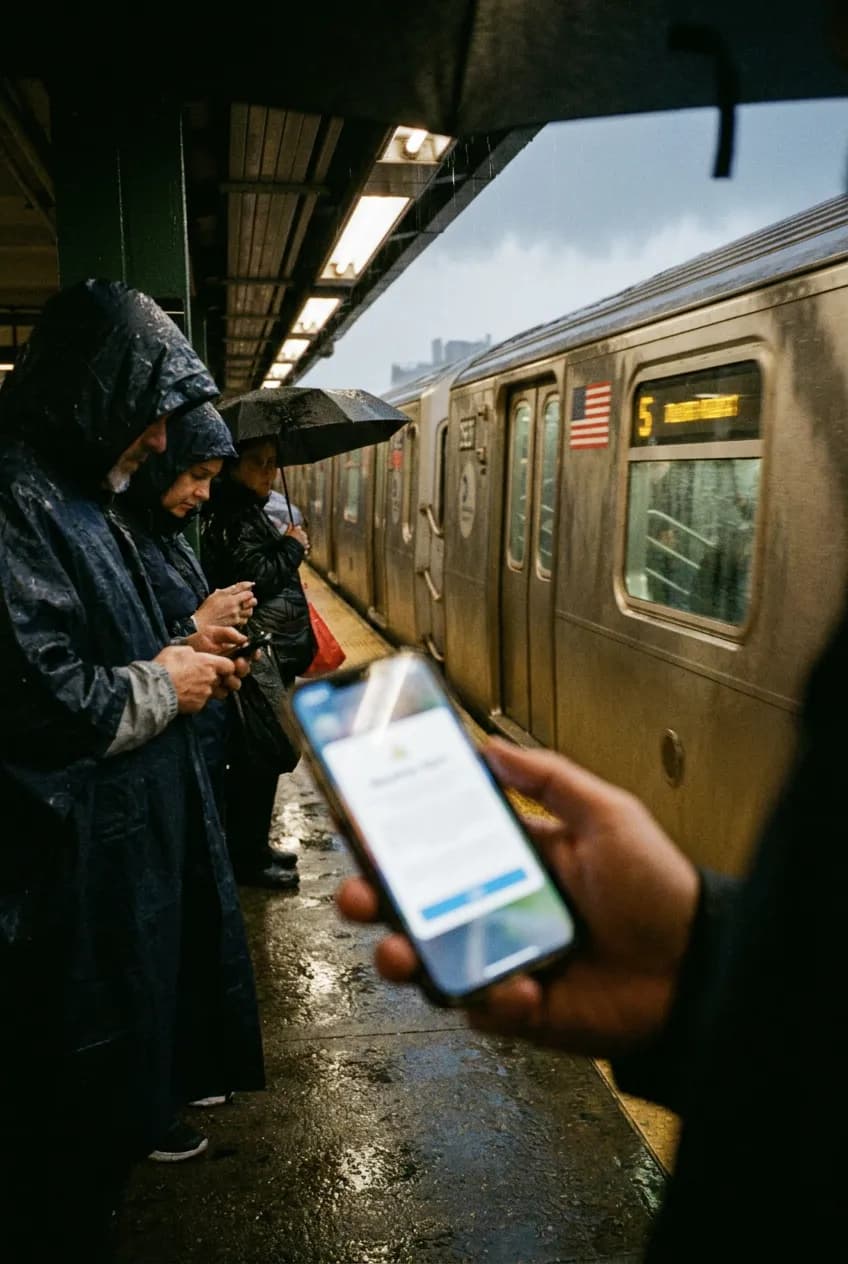
Commuters who are already in transit when flash flood warnings are issued should prioritize reaching safe, elevated locations rather than continuing to their original destination. If riding the subway when flooding begins, stay on the train or move to higher platform areas if directed by MTA personnel. Do not exit onto tracks or attempt to walk through tunnels. Bus passengers should follow driver instructions, as operators receive real-time routing updates and know which streets remain passable. Commuters on foot should move away from subway entrances, avoid low-lying areas, and seek shelter in buildings or on higher ground until conditions improve.
For commuters caught in severe weather while walking or biking, sturdy buildings, stores, and public facilities offer temporary shelter. Do not wait out storms under highway overpasses, near large trees, or in vehicles parked in low-lying areas. Once inside, check Notify NYC alerts and the National Weather Service for updates on warning duration and affected areas. Commuters should inform employers, family members, or others expecting them that they are sheltering safely. When conditions improve and warnings are lifted, verify that your intended route is clear before resuming travel, as flooding impacts may persist even after rain stops.
Preparing Your Commute Plan for Storm Season
Advance preparation makes responding to flash flood and storm alerts significantly easier. Commuters should register for Notify NYC alerts now, selecting their home and work neighborhoods to receive location-specific warnings. Saving bookmarks for the MTA service status page, National Weather Service New York office, and NYC Emergency Management severe weather guidance ensures quick access when conditions deteriorate. Commuters can also download the MTA app for mobile service updates and enable weather alert notifications on their phones. Reviewing these resources during calm weather helps commuters understand the information format and navigation before they need to make quick decisions during emergencies.
Building a personal severe weather commute protocol reduces stress and improves safety when storms arrive. This protocol should include decision rules such as checking all three official sources before leaving home on days with weather advisories, allowing double the usual commute time when warnings are active, and identifying which weather conditions warrant working from home if that option is available. Commuters should also prepare a small emergency kit for their bag including a phone charger, basic first aid supplies, water, and snacks in case delays extend for hours. Discussing backup plans with household members ensures everyone knows how to reach each other and make alternative arrangements when severe weather disrupts normal schedules.
Practical notes
- Register for Notify NYC alerts at a858-nycnotify.nyc.gov/notifynyc/ to receive emergency notifications for your neighborhoods
- Bookmark new.mta.info for real-time subway, bus, railroad, bridge, and tunnel service status during severe weather
- Check weather.gov/okx/ for National Weather Service watches, warnings, and advisories before your commute
- Review NYC Emergency Management severe weather guidance at nyc.gov/site/em/ready/severe-weather.page for flood safety protocols
- Confirm current station accessibility, elevator status, and route conditions directly before traveling during active weather events
Tags: #NYCCommuters #FlashFlood #StormAlerts #MTAStatus #NotifyNYC #NationalWeatherService #NYCEmergencyManagement #SubwaySafety #SevereWeather #CommuterSafety #FloodWarning #TransitAlerts #NYCWeather #StormPreparedness #EmergencyAlerts
Sources consulted: Notify NYC · MTA service status · National Weather Service New York · NYC Emergency Management
All trademarks are the property of their respective owners.
Ask Karpo first
Need to know if your subway line is running or whether flood warnings will affect your morning commute? Ask Karpo for the latest MTA service status, current National Weather Service alerts for your route, active Notify NYC emergency notifications, and real-time station closure information. Karpo checks official sources to help you confirm which transit options are operating safely, whether your usual stations are accessible, how much extra time to allow, and what backup routes make sense when flash flood or storm warnings are active across New York City.