 Fort Greene Holiday Market Browsing Guide for Young Shoppers
Weekend Plans
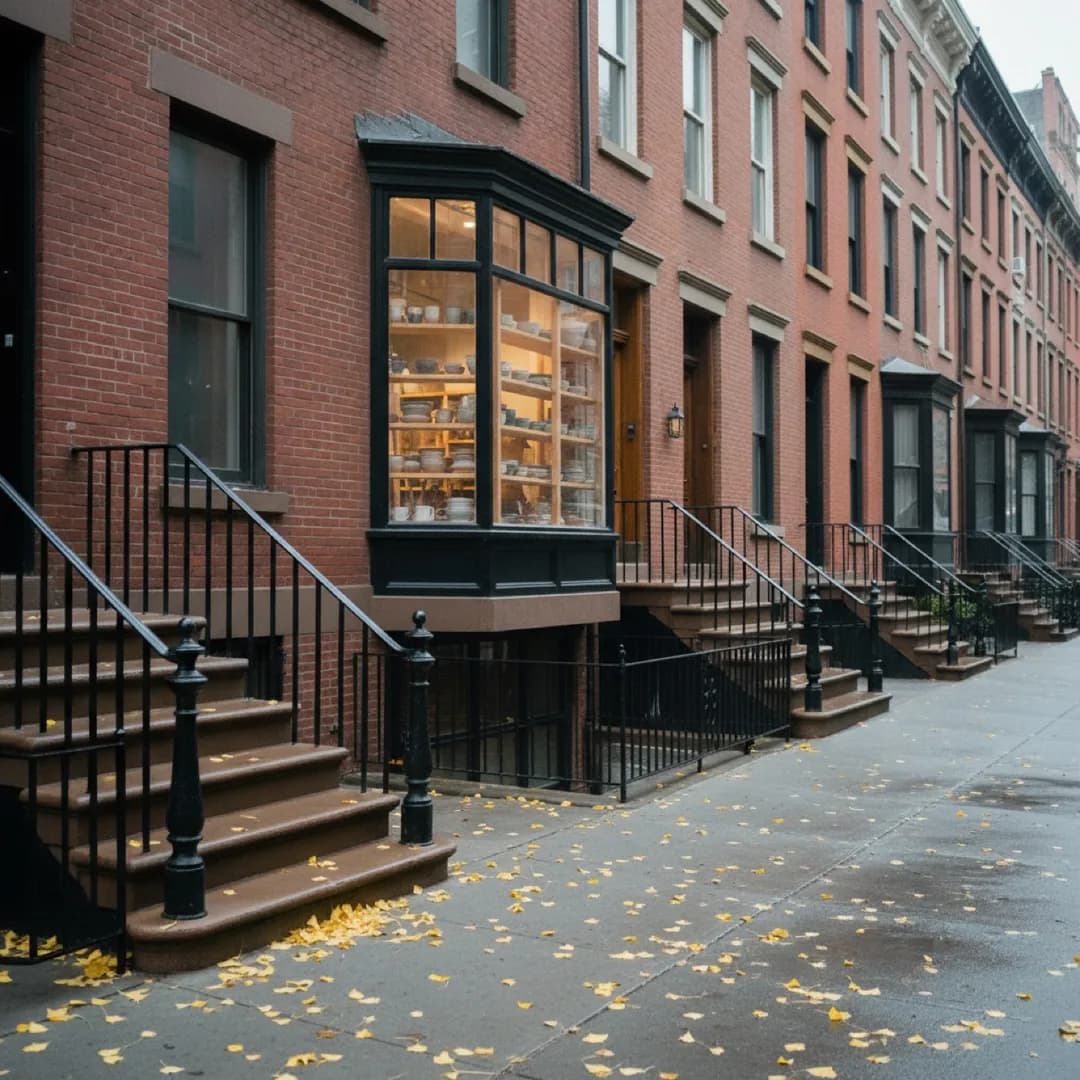
West Village Community Workshop Finder: Small-Room Sundays
Most West Village workshops run in small rooms with capped seats, so plan days ahead. Use a library branch and a park corner as anchors for a Sunday route.
In the West Village, the room is usually the limit. Workshops here tend to happen in converted parlor floors, back rooms behind shops, library meeting spaces, and artist-run studios where a table seats eight or ten people, not thirty. That single fact shapes how a community workshop finder should work in this part of Manhattan: you are not hunting for the biggest event, you are hunting for a seat. Start your search a few days early, filter by group size, and build your Sunday around two fixed public anchors, the Hudson Park Library on Leroy Street and Abingdon Square Park at the top of Hudson Street, so that a full class never leaves you stranded.
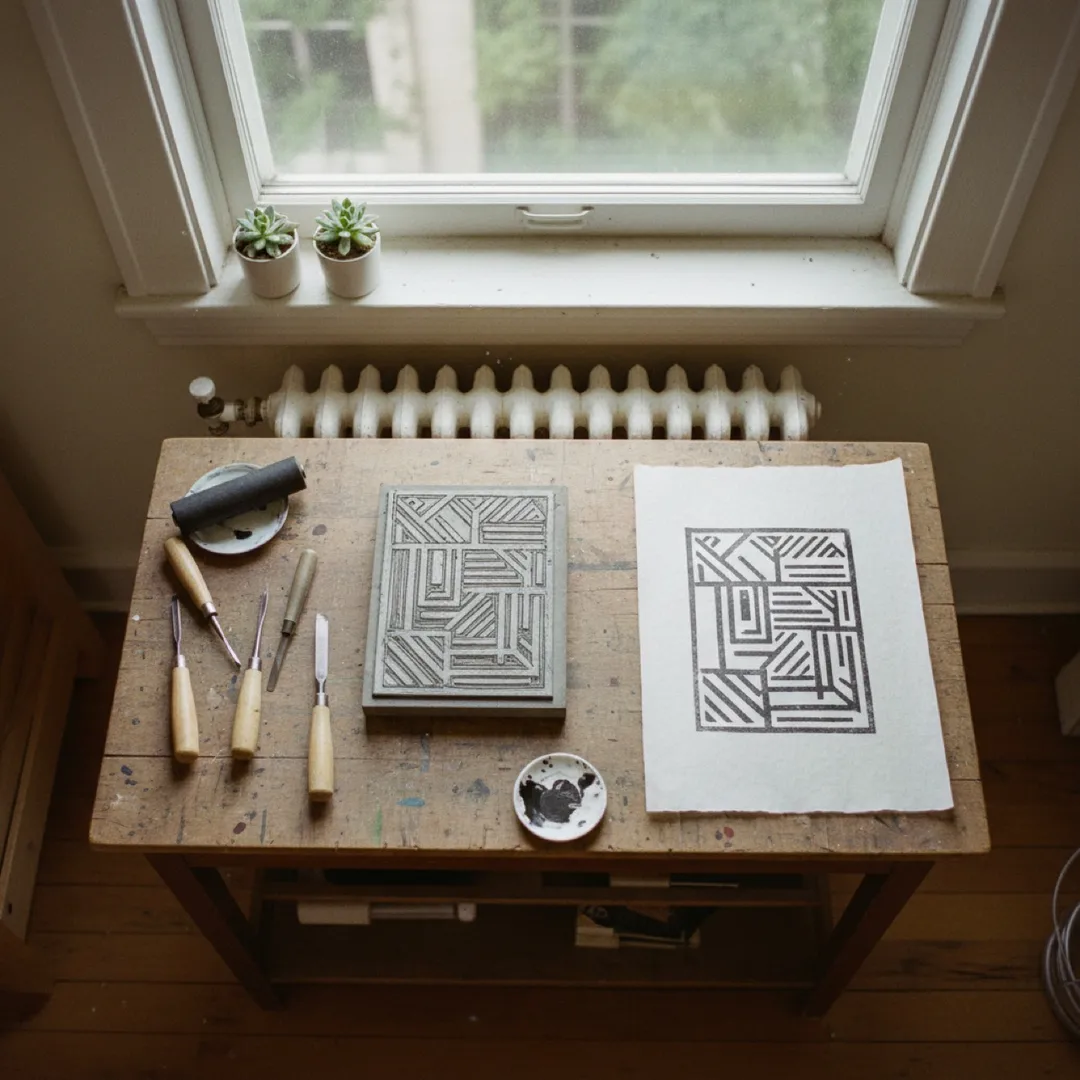
Why Seat Counts Matter More Than Listings Here
The neighborhood's building stock explains the scarcity. Much of the West Village is a protected historic district of row houses, many of them three to five stories with narrow stairwells, so a studio that wants to teach letterpress, block printing, or wheel-thrown pottery rarely has room for more than a single row of benches. Sessions that look identical on a calendar can feel completely different in person: one may be a crowded drop-in at a shared table, another a quiet four-person lesson with an instructor at your elbow.
When you search for a community workshop in the Karpo APP, describe what you actually want, such as a beginner-friendly printmaking class for two people on a Sunday afternoon, and ask it to help you compare what it can find by group size, skill level, and how long the session runs. Treat whatever you find as a starting list and open each organizer's own page for seats, materials, and cancellation terms, because small rooms change their schedules often.
Using Public Rooms as a Free Starting Point
Before paying for a studio session, check the free side of the neighborhood. New York Public Library branches regularly host public programs, and the Hudson Park branch at 66 Leroy Street and the Jefferson Market branch on Sixth Avenue, housed in the Victorian Gothic former courthouse with its tall clock tower, are both walkable from Christopher Street. Library programs vary month to month, so look at the NYPL events calendar rather than assuming a craft circle meets every week.
These public rooms are useful for a second reason. If a paid studio class sells out, a library program or a quiet reading room gives you somewhere to land without wasting the trip, and both branches sit within a few blocks of the 1 train at Christopher Street–Stonewall and the A, C, E, B, D, F, and M at West 4th Street. Saving both addresses in your plan means a Plan B is always ten minutes away on foot.
Picking a Craft That Suits a Townhouse Studio
Some media travel well into small Village rooms and some do not. Linocut and woodblock printing, bookbinding, embroidery, natural dyeing on small swatches, watercolor, and hand-building with clay all fit on a modest table and keep noise low, which matters in buildings with neighbors above and below. Large-format welding, glassblowing, or furniture making need industrial space, and you will usually find those across the river in Brooklyn or farther south, not on Bank or Perry Street.
That makes the West Village a good fit for a specific kind of person: the solo maker who wants a calm two-hour block, a pair of friends trying a first printmaking class together, or a visitor who would rather spend a Sunday learning a skill than shopping on Bleecker Street. If your group is six or more, say so in your search, because many small studios cannot seat a party that size at one table and will split you up or turn you away.
A Sunday Loop From Abingdon Square to the Piers
A simple route keeps the day relaxed. Meet at Abingdon Square Park, the small triangle where Hudson Street, Eighth Avenue, and Bleecker Street converge, and use its benches to confirm the session you booked through the organizer. From there, Hudson Street runs south past cafes and bookshops, and the side streets such as Bank, West 11th, and Perry stay quiet enough to walk while you talk through which class to try first.
After the session, head west to the Hudson River Park waterfront. Pier 45 at the foot of Christopher Street is a long public pier with lawns and benches, a good place to sit with whatever you made and let the ink dry or the glaze cool in your bag. Westbeth, the large artists' housing complex on Bethune Street in the former Bell Telephone Laboratories buildings, is a reminder on the way of how long working artists have lived in this corner of the city.
Honest Calls Before You Commit
Skip the late-afternoon slot on a sunny Saturday if you can. Bleecker Street and the blocks around Christopher Street fill with weekend foot traffic, and arriving flustered at a ten-seat class is a poor start. Morning and early afternoon sessions on Sunday tend to feel calmer, and they leave daylight for the walk to the river afterward.
Also be honest about budget and time. A two-hour beginner class with materials included is easier to enjoy than a cheaper drop-in where you buy supplies separately and spend half the session setting up. If a listing does not say what is included, message the organizer before you pay rather than guessing.
Finally, do not stack three workshops into one day. In a neighborhood this compact, it is tempting, but most people get more from one focused session followed by a slow walk than from rushing between rooms with wet paint in a tote bag.
Practical Notes for a Village Workshop Day
Wear flat shoes; brick sidewalks and tree pits are uneven, and many studios are up a flight or two without an elevator, so ask about stairs if mobility is a concern. Bring a flat folder or a small box for prints and paper projects, and a cloth wrap for anything fragile. Keep a note of the organizer's contact details in case you are running late.
Use the Karpo APP to keep your shortlist, the two library branches, and the park meeting point in one plan, and add a note on what worked, whether that was the room size, the instructor's pace, or the time of day. The next time you search for a community workshop in the West Village, you will be starting from your own notes instead of a blank page.
Ask Karpo for more information.
Keep reading
- Fort Greene Holiday Market Browsing Guide for Young Shoppers
 DUMBO Holiday Market Browsing Guide for Gifts to Mail Home
 Midtown East Holiday Market Browsing Guide for Commuters