 Fort Greene Holiday Market Browsing Guide for Young Shoppers
Weekend Plans
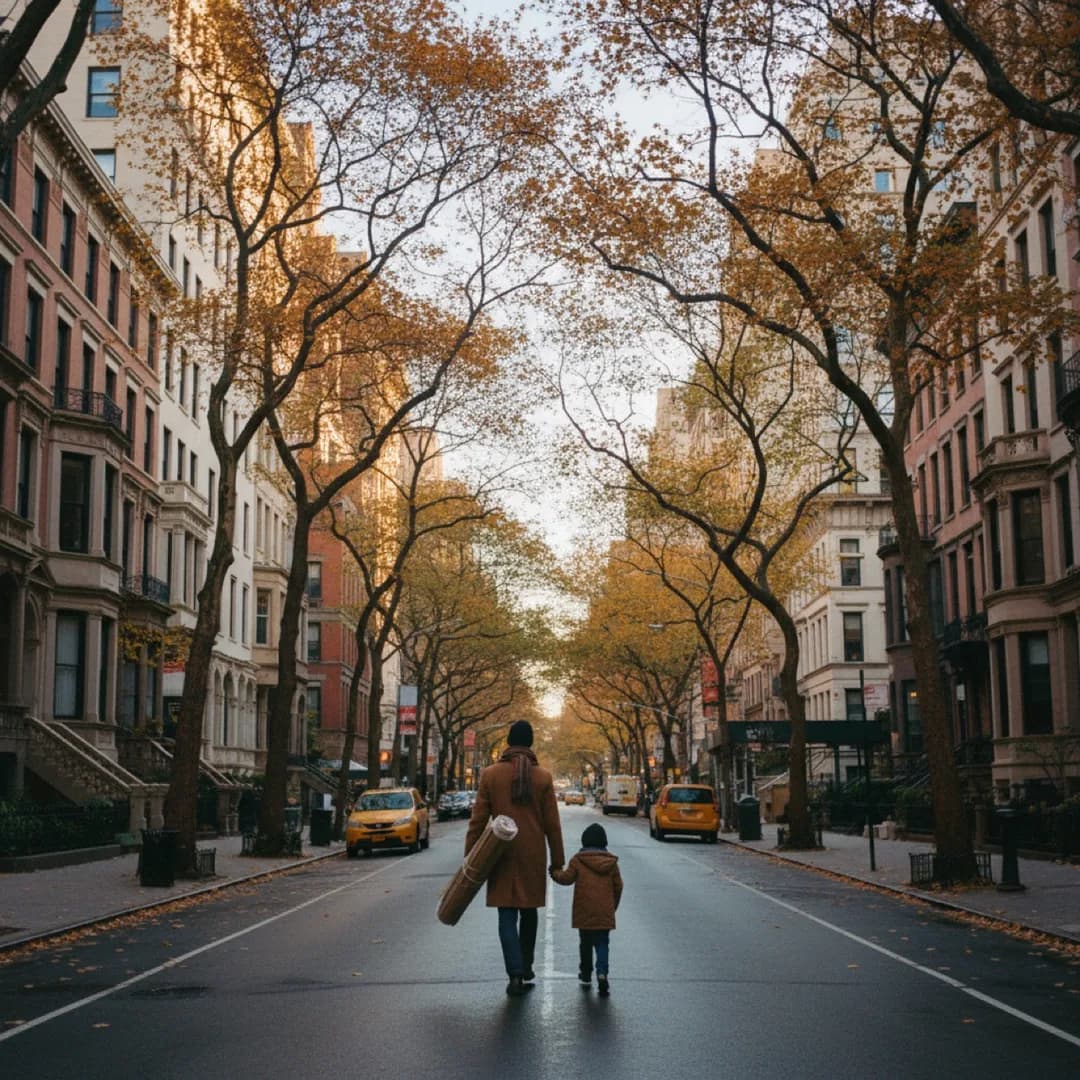
Upper West Side Community Workshop Finder for Families
Upper West Side workshops cluster near Broadway and Amsterdam, and many family slots fill early. Plan around Riverside Park so kids have room to run afterward.
On the Upper West Side, the question is rarely whether a workshop exists; it is whether there is a slot that works for a seven-year-old, a parent, and a grandparent at the same time. Between 72nd and 110th Street, classes for kids, teens, and adults are spread along Broadway, Amsterdam, and Columbus Avenue, often in community rooms, church halls, and library branches rather than storefront studios. A good community workshop finder for this neighborhood starts with who is coming, then narrows by age, session length, and distance from the 1, 2, 3, B, and C trains, so that the day ends with a walk in Riverside Park rather than a cross-town scramble.
Who Is Coming Changes Everything
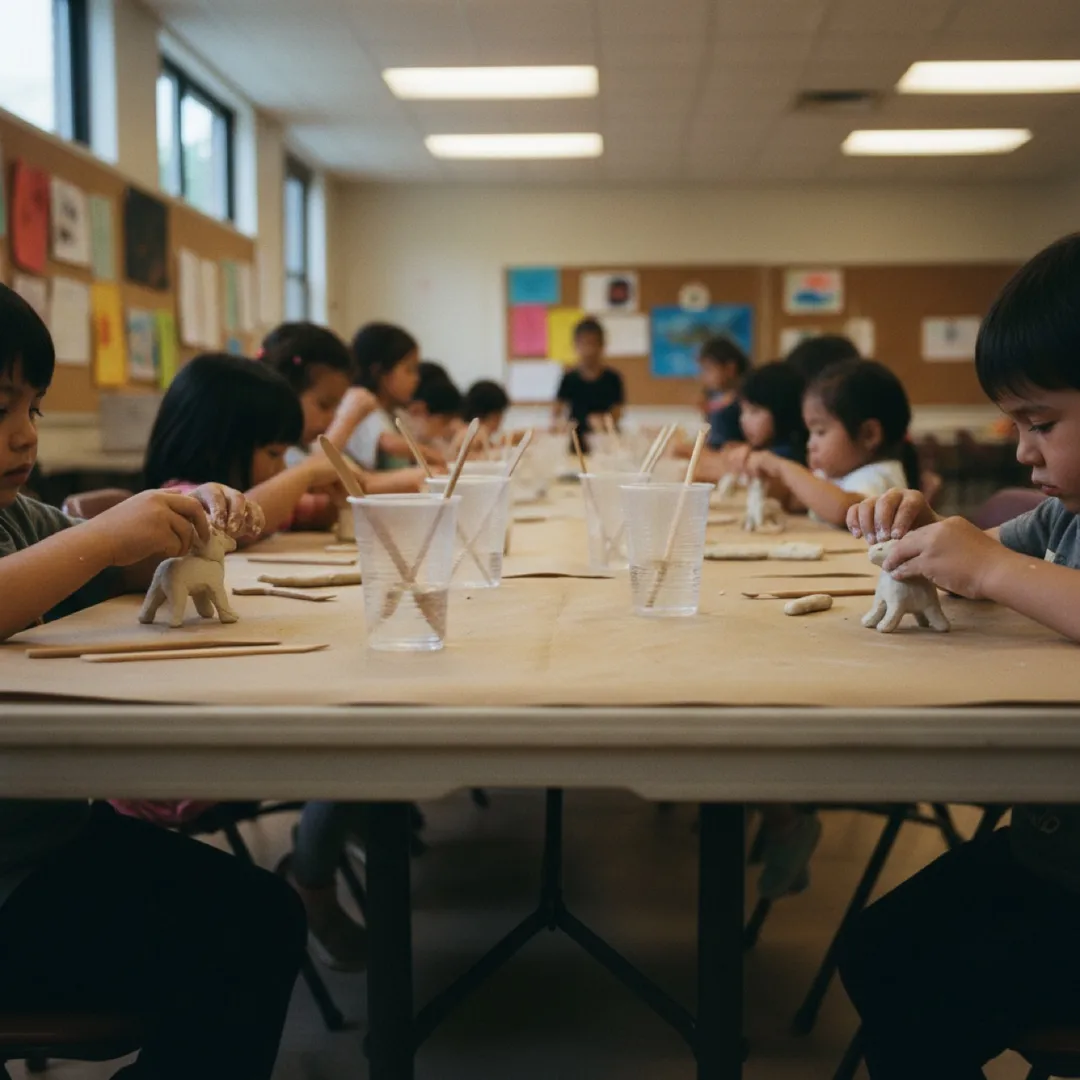
Start by writing down the youngest and oldest person in your group. A clay session aimed at ages five to eight will feel slow to a teenager, and an adult wheel-throwing class usually will not admit children at all. Many Upper West Side organizers split sessions by age band and cap them at small numbers, so the age filter is the single most useful setting in your search.
In the Karpo APP, you can describe the group in plain language, for example two adults and a nine-year-old who likes drawing, Saturday morning, under two hours, and ask for help pulling together workshops that might fit. Use the results as a shortlist, then check each organizer's page for the exact age range and whether a parent must stay in the room. That one detail decides whether you get an hour of coffee on Amsterdam Avenue or an hour at the table.
Which Free Options Should You Check First?
The New York Public Library runs public programs at its Upper West Side branches, including St. Agnes on Amsterdam Avenue in the West 80s and Bloomingdale on West 100th Street. Program types vary by month and branch, so look at the NYPL events calendar for specific dates rather than assuming a weekly craft hour. Library programs are a low-risk way to test whether a child actually enjoys a medium before you pay for a series.
Riverside Park and the Theodore Roosevelt Park lawns around the American Museum of Natural History are not workshop venues in themselves, but they are where families tend to decompress after one. Saving the nearest park entrance next to each candidate session gives you a built-in reward at the end, and gives restless kids somewhere to burn energy if a class runs short.
How Far Apart Can Two Activities Be?
With children, distance matters more than variety. The Upper West Side is long and narrow, and a session on West 76th Street paired with another on West 106th is a thirty-block trip that eats the afternoon. A practical rule is to keep a two-stop day within about ten blocks, or along one subway line, so the 1 train local stops on Broadway at 79th, 86th, 96th, and 103rd can do the work.
If one parent is taking a separate adult class, a split plan can work well: the adult takes a ceramics or drawing session while the other adult and the kids go to the library or a playground nearby, then everyone meets at a fixed corner. Putting both stops and the meeting point in a single Karpo plan keeps the handoff simple and saves a round of texting.
Matching the Medium to the Child
Different crafts reward different temperaments. Kids who like quick results tend to enjoy collage, stamp printing, and paper engineering, where something finished goes home within the hour. Patient builders often prefer clay hand-building, simple weaving on a cardboard loom, or beginner sewing, where the pleasure comes from slowly watching a piece take shape. Teens who already draw may want a figure or comic-drawing session with a clear skill focus rather than an open craft table.
For adults joining in, look for sessions that are honest about difficulty. A listing that says beginner but expects you to bring your own tools or prior experience will frustrate a parent who simply wants to sit beside a child and try something new. When in doubt, choose the shorter, simpler class first and save the multi-week course for the medium your family keeps returning to.
What Is Worth Skipping?
Skip anything that requires a long wait in a lobby with young children; a twenty-minute queue before a forty-five-minute class rarely pays off. Be cautious with very messy media such as acrylic pour painting or glaze work if you are heading to a restaurant afterward, unless the organizer provides aprons and a place to wash up.
It is also fine to skip the big-name option. Small neighborhood sessions in a church hall or community room often give each child more attention than a crowded flagship event, and they are usually closer to home. If a listing is vague about what children will actually make, ask before you sign up.
What If It Rains or the Class Is Full?
Rainy weekends are when Upper West Side family sessions fill fastest, so keep a backup in the same part of the neighborhood. A library branch can absorb a change of plan, and the museum-lined stretch of Central Park West around 77th to 81st Street is easy to reach on the B and C trains if you want an indoor alternative with a separate admission.
When a class is full, ask the organizer about a waitlist or a later session on the same day rather than switching neighborhoods. Moving a group of children across town in the rain for a different class almost always costs more energy than it saves.
Practical Notes for UWS Workshop Days
Pack wipes, a spare shirt for younger kids, and a flat bag or folder for drawings and prints. Air-dry clay pieces and wet paintings travel best in a shallow box; a tote bag will crush them on the subway. If a stroller is coming, ask whether the room is on the ground floor, since many older buildings and church halls along the side streets have steps at the entrance.
After the day, add a quick note in the Karpo APP about what each person liked, which age band worked, and how long the walk took. Over a few weekends, that turns into a family-specific list that is far more useful than any generic ranking, because it reflects your kids, your blocks, and your Saturday rhythm.
Ask Karpo for more information.
Keep reading
- Fort Greene Holiday Market Browsing Guide for Young Shoppers
 DUMBO Holiday Market Browsing Guide for Gifts to Mail Home
 Midtown East Holiday Market Browsing Guide for Commuters