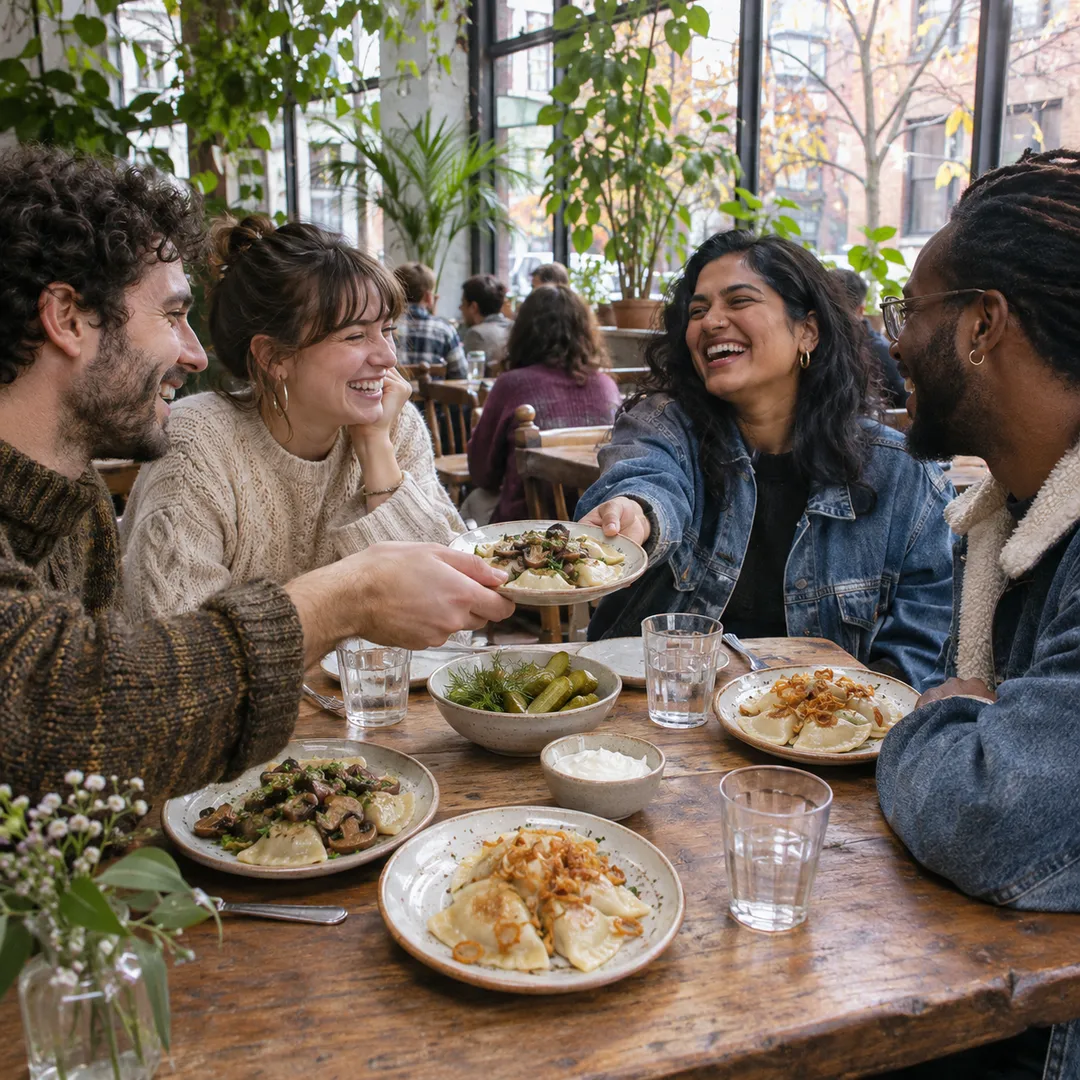
 Williamsburg Pierogi Lunch Spot Picker for Mixed Diets
Restaurants
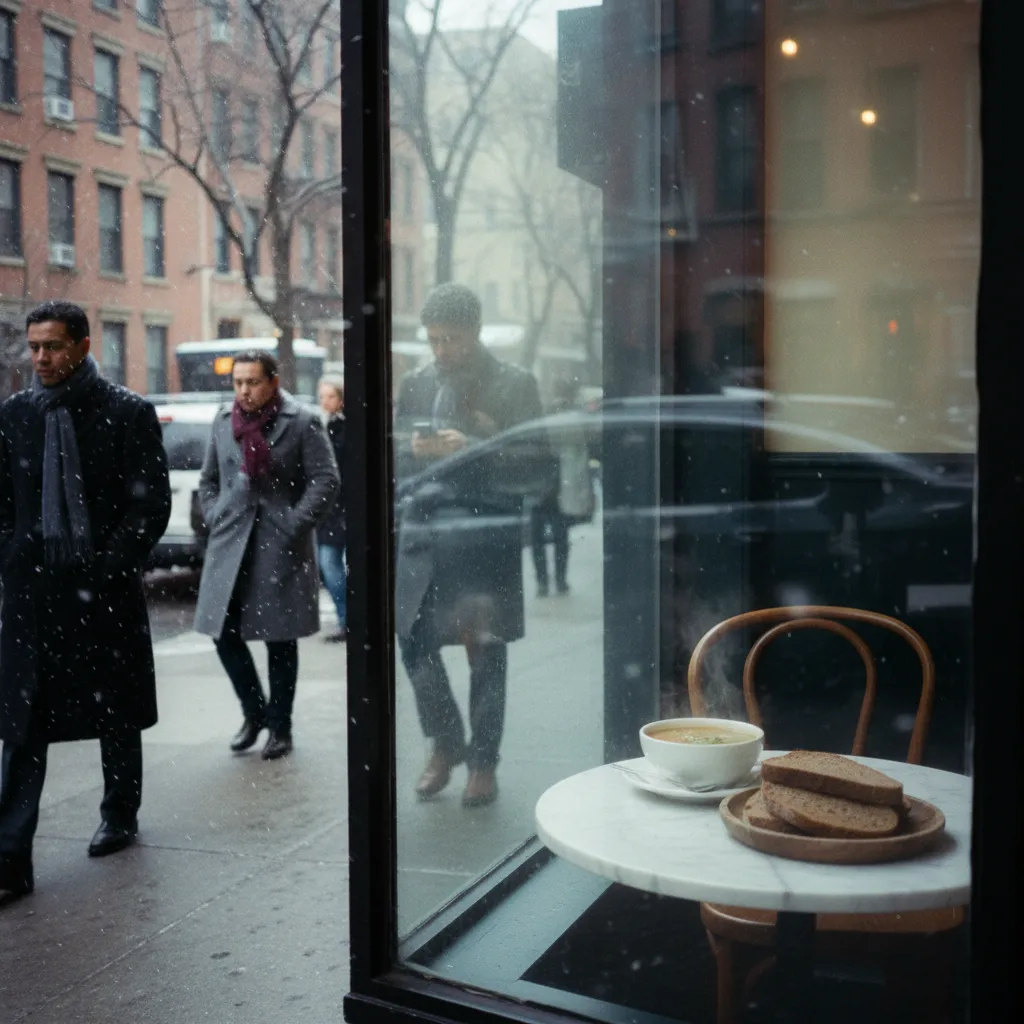
Upper West Side Cold Weather Food Crawl Planner on Broadway
An Upper West Side cold weather food crawl starts after a museum morning: walk Broadway in short warm hops, then end with soup beside a Riverside Park view.
The Upper West Side is one of the gentlest places in New York to try a cold weather food crawl planner approach, because the neighborhood was built for people who live there all winter. Broadway runs like a spine of bakeries, appetizing counters, diners and soup kitchens of the cozy kind, and the side streets of brownstones break the wind off the Hudson. The trick is to treat the crawl as the second half of a museum day, so the hungriest stretch arrives exactly when the light starts to fade.
Why This Neighborhood Suits a Winter Graze
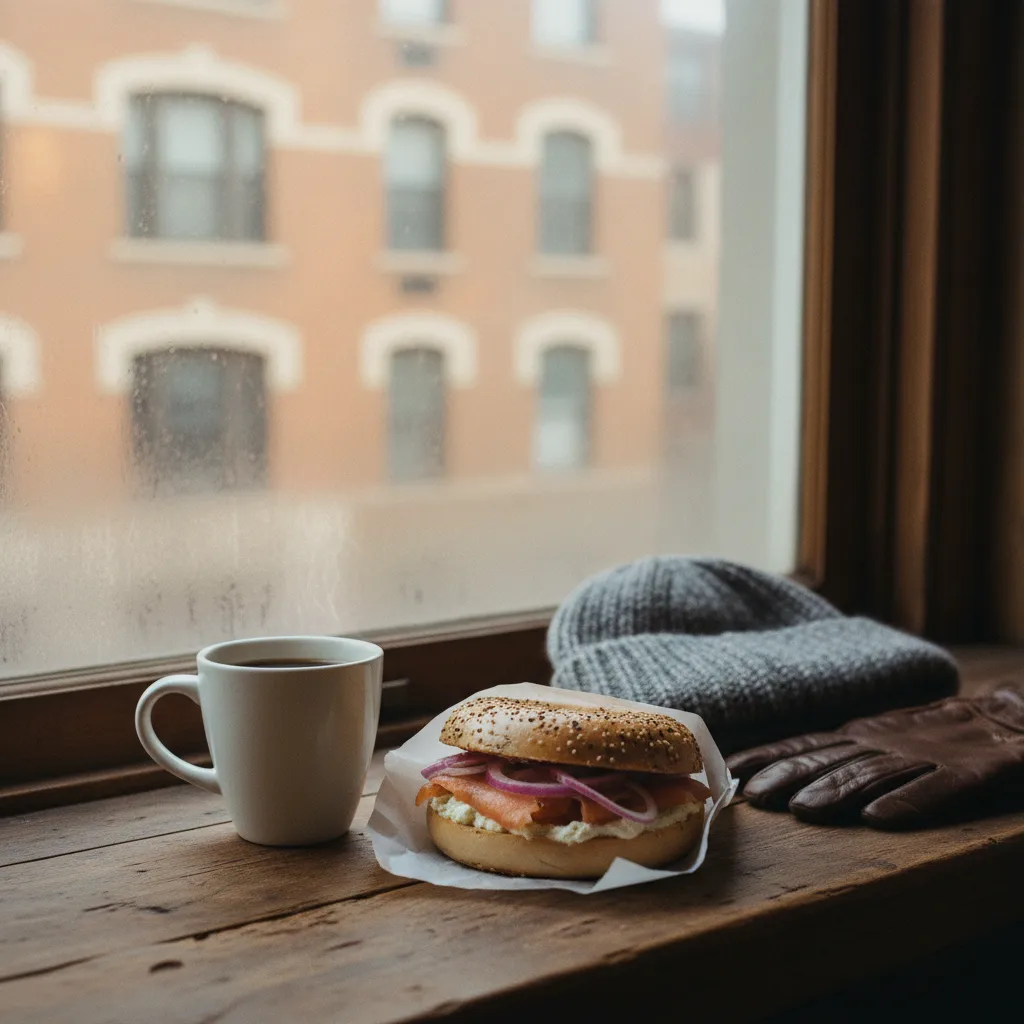
Families have lived along these blocks for generations, and the food culture shows it. The strongest tradition here is appetizing, the old New York word for shops that sell smoked fish, cured salmon, cream cheese, herring and the bagels and bialys that go with them. Those counters grew up to feed apartment dwellers who wanted Sunday breakfast without cooking, and they still feel like neighborhood living rooms with a deli case attached. On a freezing morning the windows steam up, the line moves in a steady shuffle, and the person behind the counter will slice fish thin enough to read through.
Around that core sits a broad layer of comfort cooking. There are diners with long counters, Jewish delis serving matzo ball soup, small Italian places doing baked pasta, and bakeries that turn out babka and rugelach through the cold months. None of it is fussy. That is exactly why it works for a crawl, since you can order one small thing at each stop, eat it standing or perched on a stool, and keep moving before you get sleepy.
Start With a Museum Morning
Begin indoors. The American Museum of Natural History on Central Park West and the New-York Historical Society beside it give you two or three hours of warmth and something to talk about over food. Leave when your feet are tired, not when you are starving. Arriving at your first stop slightly hungry rather than ravenous keeps you from ordering a full plate too early and stalling the whole crawl by your second hop.
From the museum steps, walk west on a cross street rather than straight down Central Park West. The brownstone blocks between the park and Broadway are calmer and more sheltered, and on snowy days the stoops and iron railings make a lovely, quiet approach. You reach Broadway in a few minutes with your cheeks pink and your appetite properly awake.
Building the Route in Short Warm Hops
The Broadway corridor rewards a north to south or south to north line rather than a loop. Pick a stretch of about fifteen blocks and plan four stops along it, each no more than a few minutes apart on foot. In real cold, a five minute walk feels pleasant and a fifteen minute walk feels like punishment, so the spacing matters more than the exact choice of food.
A balanced sequence for this neighborhood runs from savory and salty to warm and soupy and then to sweet. Open with appetizing, perhaps half a bagel with smoked fish and a schmear, eaten at a counter. Next comes something hot in a bowl, matzo ball soup or a bowl of noodles from one of the Asian kitchens scattered along the avenue. Then a slice of pizza or a knish for the walk. Finish with pastry and a hot chocolate somewhere you can sit for a while and thaw your hands around the cup.
Sharing is the single best habit on a winter crawl. Two or three people splitting one order at each place can taste far more of the neighborhood than someone ordering solo, and nobody hits the wall by the third stop. Ask the counter staff to cut a sandwich in half or to bring extra spoons. Most places along Broadway are used to families and groups doing exactly this.
How to Order at the Counters
Appetizing counters have their own rhythm. Take a ticket or join the line, know roughly what you want before you reach the glass, and order by weight or by sandwich. Asking for a taste of one fish before committing is normal and welcomed, and it is the quickest way to learn the difference between lox, nova and sable. If the shop is busy, keep the order simple and save the questions for a quieter visit.
At delis and diners, a bowl of soup and a shared plate is perfectly acceptable, even at the counter. Sit at the counter if you can, since you warm up faster near the kitchen and the turnover suits a crawl. Bakeries tend to be the most crowded stop on cold weekends, so slot them earlier in the afternoon or pick one up to eat later in the park if the line spills onto the sidewalk.
Using the Side Streets and the Parks
Between stops, use the cross streets and Riverside Drive as your connectors. Riverside Park on the western edge offers wide Hudson views, and on a clear frosty afternoon the river glows silver at sunset. It is also the windiest part of the neighborhood, so treat it as a short scenic detour between two warm stops rather than a long stroll. Ten minutes along the promenade with a hot drink is plenty.
Central Park on the other side gives a softer, more sheltered winter walk, especially around the paths near the museum. Children who have been patient through a counter line usually love a few minutes of running on snowy lawns before the next round of food. Build those breaks into the plan and the whole afternoon feels unhurried rather than like a checklist.
Timing the Crawl Around the Light
Winter daylight is short, and this neighborhood looks its best in the blue hour, when apartment windows glow and the avenue lights come on. Aim to be on Broadway for the last hour of daylight and the first hour of dark. That is when the bakeries smell strongest, the delis feel cozy, and a hot bowl of soup tastes like a reward rather than a necessity.
Weekday afternoons are the easiest time for a relaxed crawl, since weekend mornings bring long brunch queues to the most famous counters. If you go on a Saturday or Sunday, flip the order and start with the museum later, eating your first bite after the brunch rush has eased. On snowy days the neighborhood empties a little, which can make it the most pleasant crawl of the whole season.
Dressing and Pacing for the Cold
Wear layers you can open quickly, because you will move between steaming rooms and icy sidewalks a dozen times. Gloves that come off easily make eating on your feet far easier. Carry a small tote for leftovers and pastries, since buying a little extra for breakfast the next morning is half the joy of an Upper West Side food walk.
Keep the pace slow. A good winter crawl here lasts around three hours from the museum exit to the last cup of cocoa, with plenty of sitting. If anyone in the group starts to fade, swap the next planned stop for a long sit-down soup and call it a win. The point is warmth, good company and a sense of how this part of the city actually eats in January.
Practical Notes
Plan four stops along a single stretch of Broadway, keep each walk short, and share plates so everyone stays hungry. Pair the crawl with a museum morning, use the brownstone side streets to escape the wind, and keep Riverside Park for a short sunset detour. Ask Karpo in the Karpo APP to sketch a route that fits your group, your pace and how cold the day feels, and it can suggest which warm stops to string together next.
Ask Karpo for more information.
Keep reading
- Williamsburg Pierogi Lunch Spot Picker for Mixed Diets
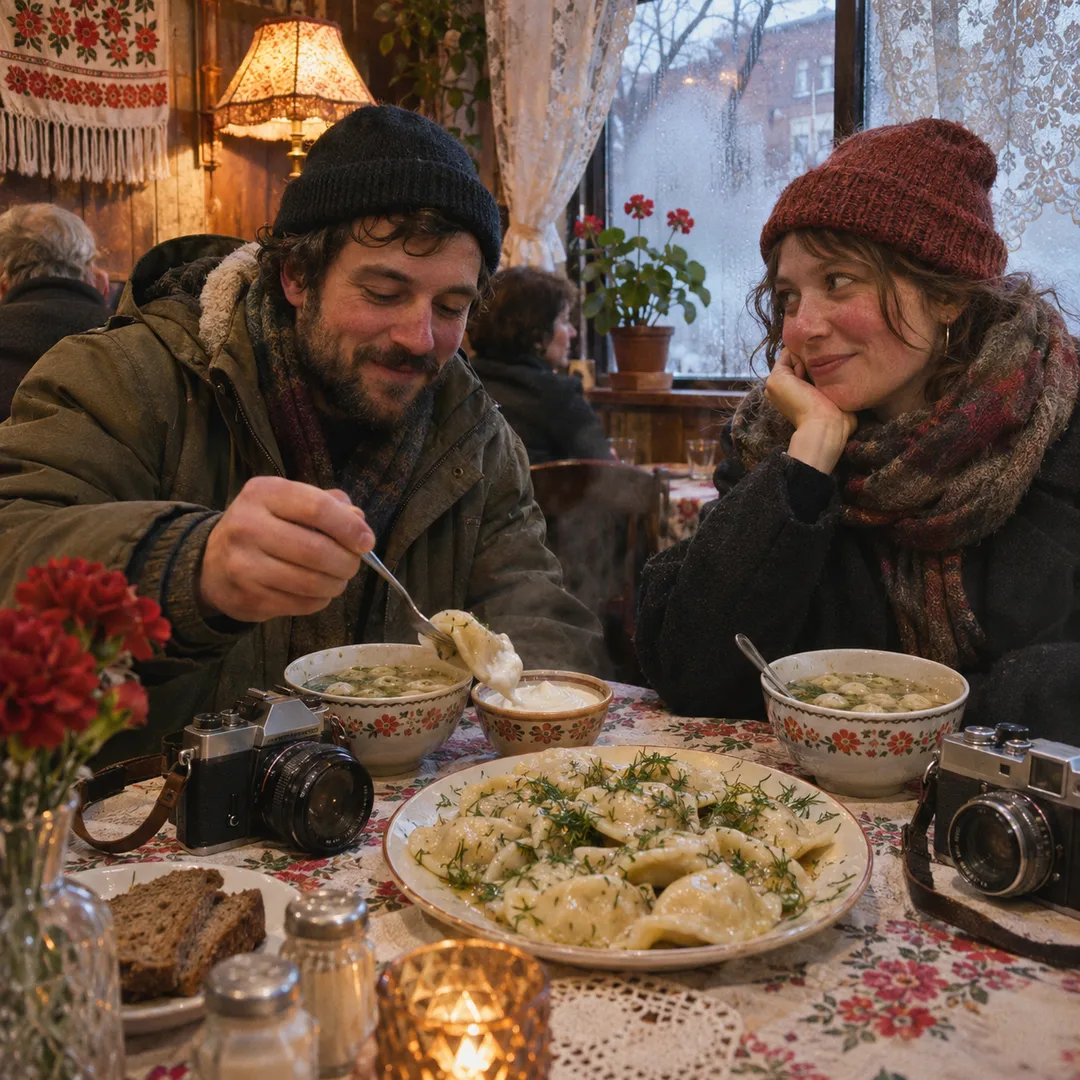 Brighton Beach Pierogi Lunch Spot Picker for Photographers
 Ridgewood Pierogi Lunch Spot Picker for Apartment Hunters