 Long Island City Empanada Spot Picker: Stock the Freezer
Restaurants
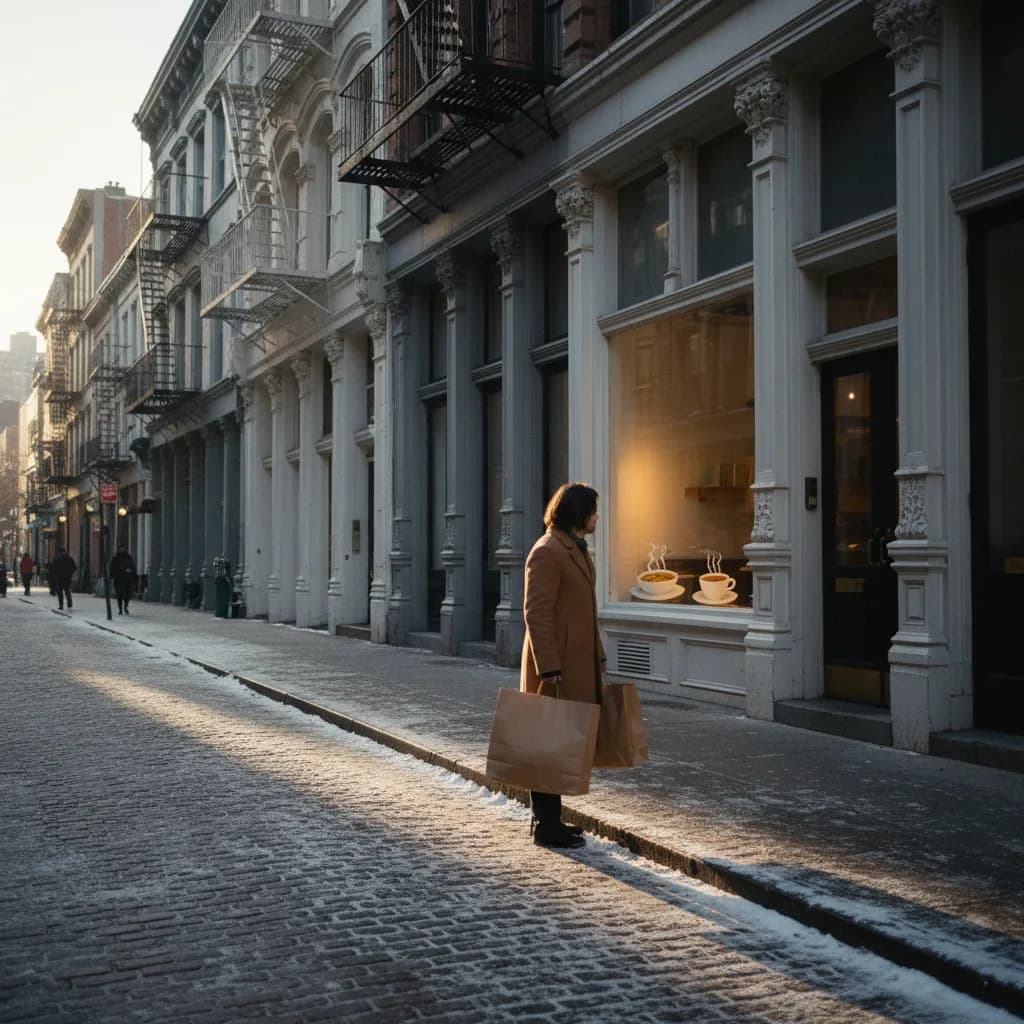
SoHo Cold Weather Food Crawl Planner for a Shopping Day
A SoHo cold weather food crawl turns a winter shopping day into warm pit stops: soup, a slice and a pastry between cast-iron blocks, no long waits in the wind.
SoHo is where much of New York goes shopping in winter, and it is also where many people end up cold, hungry and grumpy by mid-afternoon. A cold weather food crawl planner fixes that by treating food as part of the shopping route rather than an afterthought. Instead of one big lunch in a crowded room, you weave small warm stops between the boutiques, so every forty minutes or so you are thawing out over something delicious before heading back onto the cobblestones.
Why SoHo Needs a Plan in Winter
The neighborhood's famous cast-iron buildings were warehouses and factories in the nineteenth century, built with tall windows to let in light for the work inside. The streets between them are long, straight and lined with stone and metal, which looks spectacular on a frosty day and feels brutal when the wind funnels through from the Hudson. Wandering without a plan here means walking farther than you think between warm rooms.
SoHo also draws big crowds on winter weekends, especially around the holidays. The most talked-about cafés and bakeries attract lines that wrap down the block, and standing in a queue for half an hour in the cold is no one's idea of a treat. A crawl plan helps you pick places with quick turnover and spread your eating across the day.
Map the Shops First, Then the Food
Start by listing the shops or streets you actually want to visit. Then look at where they cluster. Most visitors move along Broadway, Prince Street, Spring Street and the side streets toward West Broadway and Sixth Avenue. Drop a food stop roughly every three or four shops, placing each one on the side of the neighborhood you will be in at that moment. That way the crawl follows your shopping instead of dragging you back and forth across Broadway.
A good winter rhythm here is a warm drink and pastry early, something savory and hot around midday, a light snack mid-afternoon and a proper bowl of something comforting as the light fades. Spacing the stops like this keeps blood sugar steady and gives you regular breaks to set down your bags.
Warm Stops That Suit Shoppers
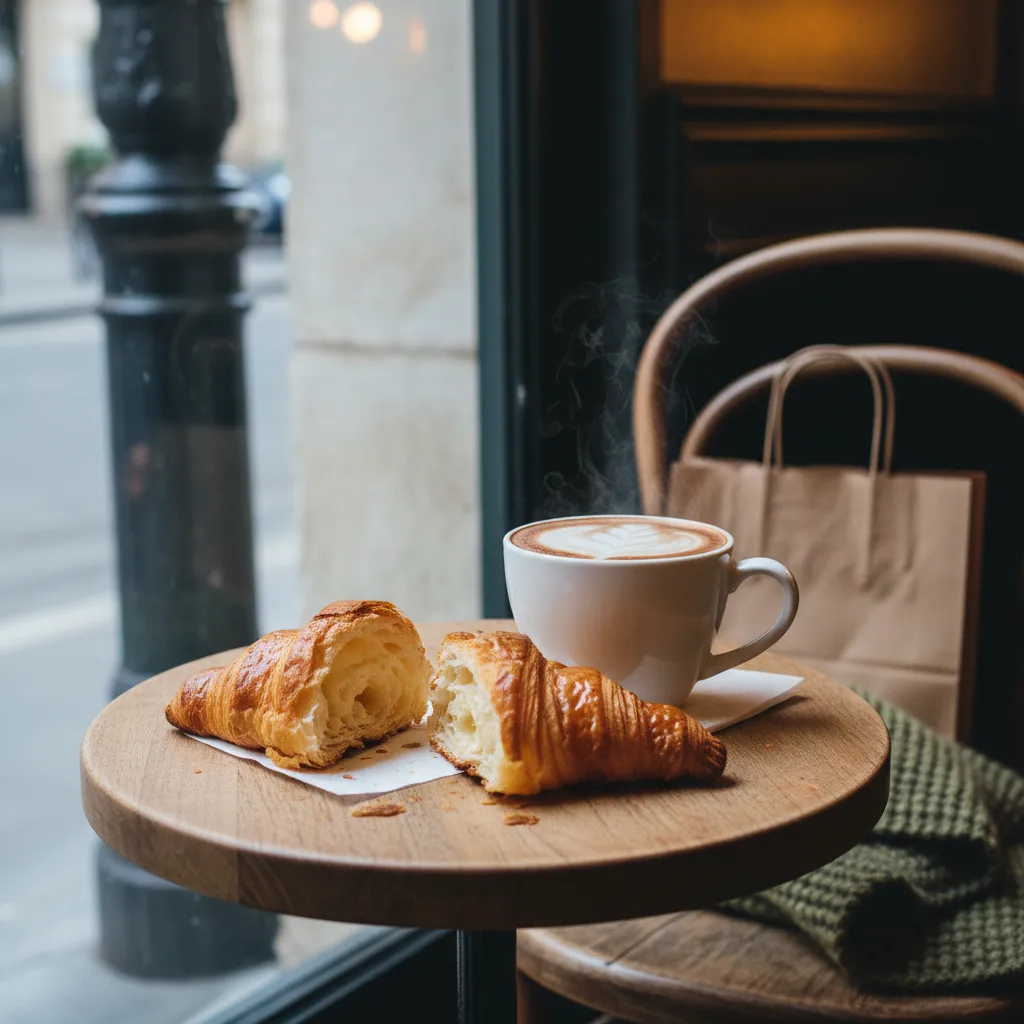
The best SoHo pit stops are the ones with a counter or a few stools, quick service and space to tuck shopping bags under your feet. Bakeries are ideal for the first stop, since a croissant and a hot drink take ten minutes and leave room for later. Noodle counters and dumpling spots along the edges of the neighborhood, close to Chinatown and Little Italy, make excellent midday stops because the food arrives fast and very hot.
Pizza by the slice is another SoHo classic for a cold crawl. Eating a slice folded in half while leaning on a counter is about as New York as it gets, and it costs you only a few minutes. For the late afternoon, look for a cozy place with soup or ramen, ideally with seats by a window so you can watch the cast-iron facades turn gold and then blue.
Dodging the Lines
The simplest way to beat the queues is timing. Hit the busiest bakeries close to when they open on weekdays, or wait until mid-afternoon when the brunch wave has passed. On weekends, look one or two streets away from the main shopping strips, where smaller places tend to be calmer. If a line is longer than about ten people in freezing weather, move on and come back later, since there is always another warm option nearby.
Shopping with a friend helps here too. One person can hold a place in a short line while the other finishes browsing in a shop next door, then you swap. It sounds like a small trick, but in January it makes the whole day feel far more relaxed.
Using the Edges of the Neighborhood
SoHo blends into neighboring districts in every direction, and the edges are where winter food gets interesting. To the east, Little Italy and Chinatown offer bowls of soup, dumplings, bakeries and espresso bars that have served the neighborhood for generations. To the north, Houston Street leads toward Greenwich Village and its tight blocks of cafés. To the south, the streets toward Canal and Tribeca are calmer and often less crowded on weekends.
Plan at least one of your stops on an edge. It is a nice change of scene from the boutiques, the food tends to be heartier and quicker, and the walk there gives you a glimpse of how the old manufacturing district fits into the surrounding city.
Looking Up Between Bites
Between stops, slow down long enough to notice the buildings. The cast-iron facades were cast in sections and bolted onto the fronts of the warehouses, often painted to look like carved stone. Some still have old freight elevators and loading platforms, now used as shop entrances. On a clear winter day the low sun picks out every column and cornice, and it turns a walk between two snack stops into a small architectural tour.
The cobblestones on streets such as Greene and Mercer can be slippery when frosty, so wear shoes with grip and take corners slowly, especially with bags in hand.
Winding Down the Day
End the crawl with your most comforting stop. A steaming bowl of noodles or a rich hot chocolate, eaten slowly while your bags rest beside you, is the perfect close to a winter day in SoHo. Choose a final stop near a subway entrance on Broadway, Spring Street or Prince Street so that you can head home quickly with all your purchases.
If you still have energy, an evening stroll through the quieter streets toward the west side of the neighborhood is a lovely way to see the shop windows lit up after dark, especially in December when the displays are at their most festive.
Practical Notes
Map your shopping first and place a food stop every few shops on the same side of Broadway. Choose counters with fast service, avoid long outdoor queues, and use the neighborhood's edges for heartier bites. Keep one comforting stop for the end of the day near the subway. For a personal route, ask Karpo in the Karpo APP to fit warm stops around the shops on your list.
Ask Karpo for more information.
Keep reading
- Long Island City Empanada Spot Picker: Stock the Freezer
 East Village Food Truck Lunch Finder Between Classes
 Greenpoint Empanada Spot Picker: Order a Party Dozen