 Long Island City Empanada Spot Picker: Stock the Freezer
Restaurants
Lower East Side Cold Weather Food Crawl Planner: Knish First
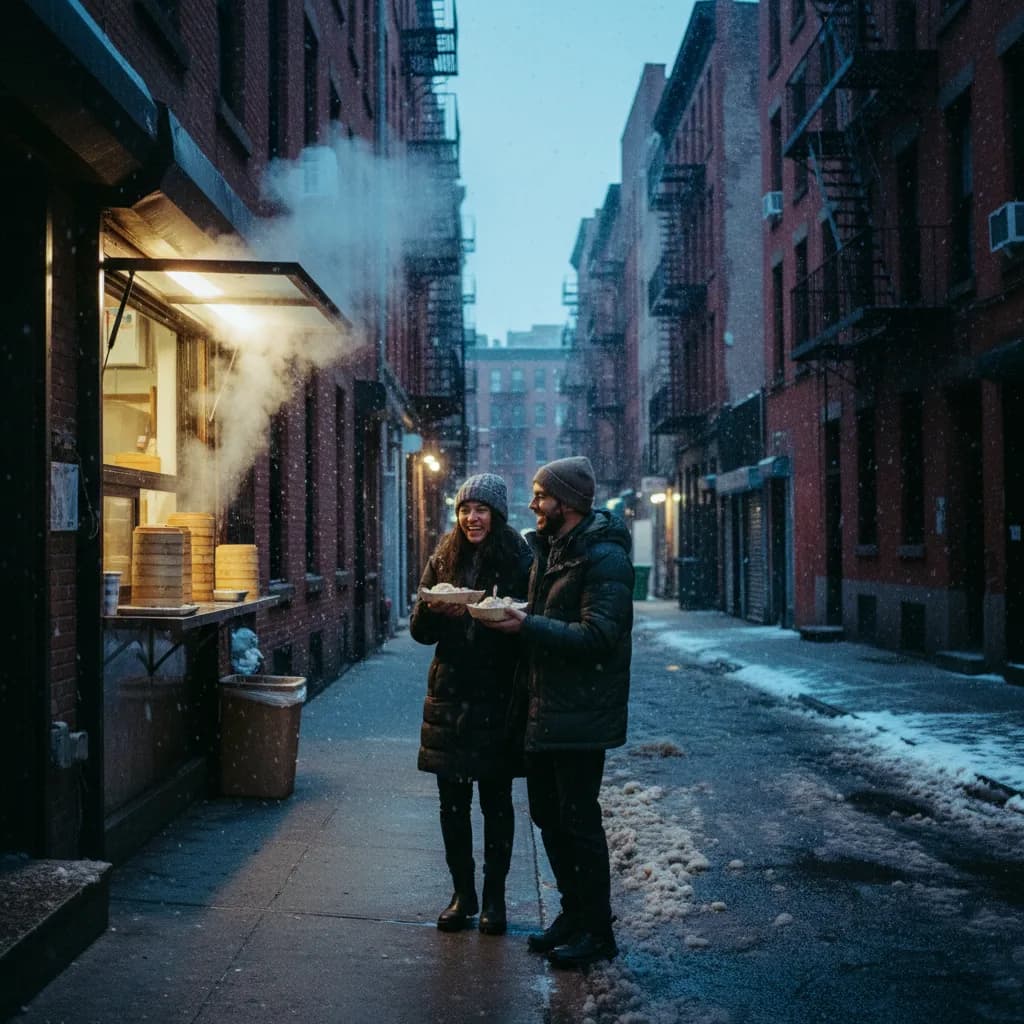
A Lower East Side cold weather food crawl follows the old immigrant food trail, from pickles and knishes to dumplings, with a covered market hall as base camp.
Few corners of Manhattan carry their food history as visibly as the Lower East Side, and that makes it a natural place to put a cold weather food crawl planner to work. Generations of newcomers from Eastern Europe, southern Italy, Puerto Rico, the Dominican Republic and China landed in these tenement blocks and fed each other cheaply and warmly. Walk it in winter and the story makes sense in your body. Every bite on this route was invented for people who needed to stay full and stay warm.
A Neighborhood Built on Warming Food
At the start of the last century, Orchard Street and the blocks around it were among the most crowded places on earth. Pushcart vendors lined the curbs selling pickles from barrels, hot sweet potatoes, bread, herring and anything else a family could afford. Cooking space inside tenement apartments was tiny, so much of the eating happened on the street or at counters. That habit of grabbing something hot and filling, then walking on, is exactly the rhythm a winter food crawl wants.
The neighborhood never stopped changing. Jewish bakeries and appetizing counters sit a short walk from Chinese dumpling shops along the Chinatown edge, Dominican lunch counters, Puerto Rican cafés, and a newer wave of small restaurants that riff on all of it. The result is a route where you can taste a century of migration in a single afternoon, and almost every stop serves something that steams when it hits the cold air.
Use the Market Hall as Base Camp
Essex Market, the neighborhood's public market since the days when the city moved pushcarts indoors, is the anchor for a winter crawl. Treat it as base camp rather than a single stop. Begin there to warm up and get your bearings, wander the aisles to see what the vendors are cooking, and come back between outdoor legs whenever your fingers go numb. Having one large heated room at the center of the route turns a bitter afternoon into a series of comfortable loops.
Inside, resist eating a full meal. Pick one shared plate, maybe something from a stall that cooks to order, and let it set the tone. The market's mix of old-timers and new vendors mirrors the street outside, so it is a good place to decide which direction the rest of your crawl will lean.
Designing a Heritage Loop
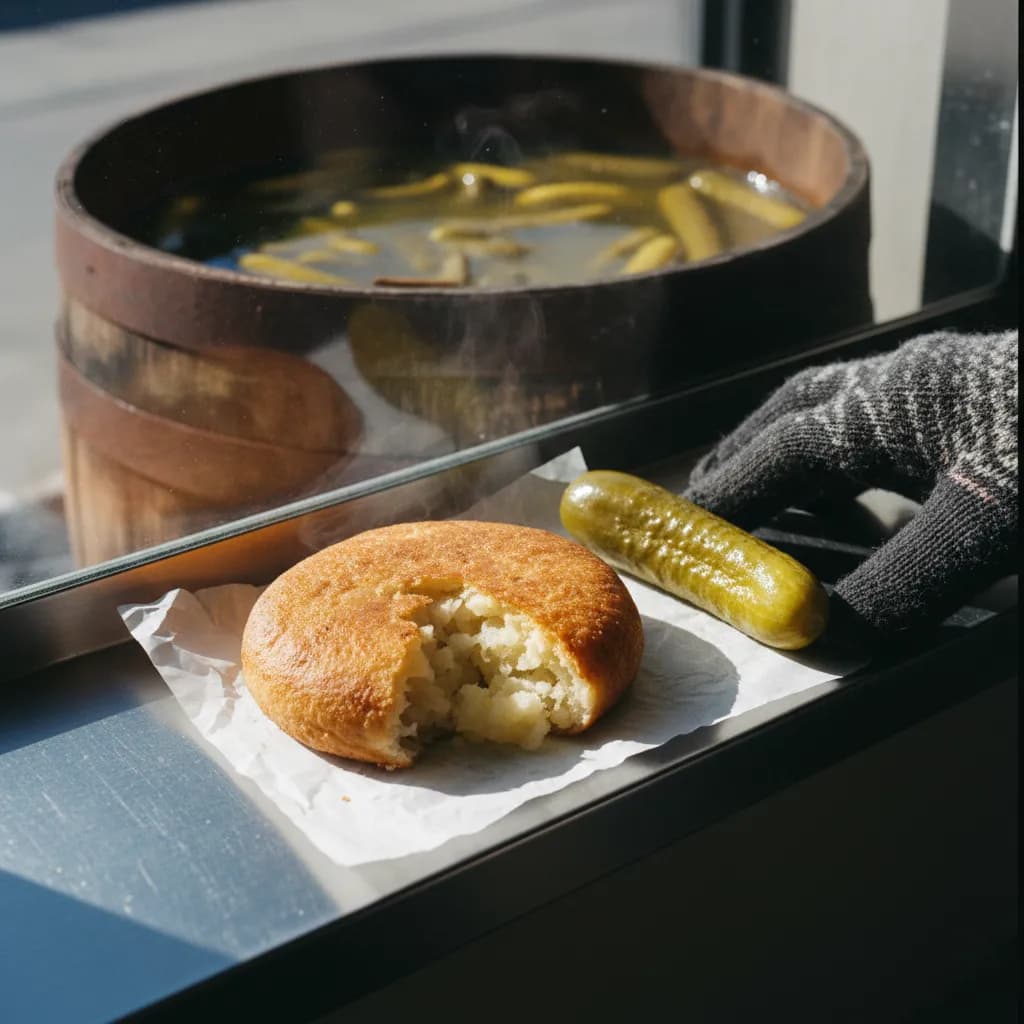
Think of the route as a story told in four or five chapters. One chapter is the old Jewish Lower East Side, so a knish and a sour pickle belong here, ideally eaten standing near the shop where you bought them. Another chapter is the Chinese edge of the neighborhood around East Broadway, where dumplings fried or boiled come out fast and hot. A Caribbean chapter can bring a bowl of soup or a plate of rice and beans from a lunch counter. Finish with something sweet from a bakery and a hot drink.
Keep the loop tight. The Lower East Side is compact, and in deep cold you want each walk between stops to take no longer than five or six minutes. Draw a rough rectangle bounded by Houston Street, the Bowery, East Broadway and Clinton Street, and you have more than enough food to fill an afternoon without straying into exposed, windy avenues near the river.
If you have a group, split up the ordering. One person queues for dumplings while another buys pickles next door, and you meet on a stoop or back inside the market to share. It halves the waiting time, which matters a great deal when the wind is coming down the street.
Ordering Like a Regular
Many of the older counters here move quickly and expect you to know your order. Watch what the person in front of you asks for and copy them if you are unsure. At knish and bagel counters, a single item split two ways is a perfectly normal request. At dumpling shops, look at the menu board while you wait and order a mix of fried and boiled so you can compare textures. Bring a little patience and a sense of humor, especially at the busiest spots.
Stories Between the Bites
The Tenement Museum on Orchard Street makes a strong opening or closing act, because its guided visits into restored apartments show how families cooked and ate in tiny rooms. Seeing a coal stove and a single sink makes the next knish taste different. Leave time to look up at the buildings as you walk, too. The fire escapes, painted ghost signs and old synagogue facades tell the same story the food does.
The Bowery side of the neighborhood has its own winter character, with restaurant supply stores whose windows glow with steel pots and stacked bowls. Walking past them between stops gives you a glimpse of the trade that keeps the whole city's kitchens running.
Timing and Weather Tactics
Weekday afternoons are calm and ideal for a heritage crawl, with short lines and chatty staff. Weekends bring brunch crowds and visitors from across the city, so start earlier if you want to beat them. On snowy days the low buildings and narrow streets hold the quiet beautifully, and the neighborhood can feel almost like a village.
In wind or freezing rain, flip the plan so that every second stop is indoors with seating. A dumpling shop with a few tables, the market hall and a bakery with stools can all serve as warming rooms. On milder days, eat more on the move and let the street be your dining room the way it was a hundred years ago.
A crawl here also works well for a solo walker. Counter seats, quick turnover and staff who have seen every kind of customer make it easy to eat alone, and a notebook or a good conversation with the person beside you at the counter fills the gaps between stops. Solo eaters can order smaller portions and linger longer in the warm rooms.
Bringing It Home
Part of the pleasure here is shopping as you go. Pickles, babka, frozen dumplings and a loaf of rye all travel well in a tote bag, and they let you carry the crawl into the rest of the week. Plan your last stop near a subway entrance on Delancey or East Broadway so you are not carrying bags for long in the cold.
Practical Notes
Keep the crawl inside a compact grid, base it around Essex Market, and alternate outdoor bites with seated warm stops. Share every order so you can taste more chapters of the neighborhood's food history, and pair the walk with a Tenement Museum visit for context. For a route matched to your group and the day's weather, ask Karpo in the Karpo APP to string together your next warm stops.
Ask Karpo for more information.
Keep reading
- Long Island City Empanada Spot Picker: Stock the Freezer
 East Village Food Truck Lunch Finder Between Classes
 Greenpoint Empanada Spot Picker: Order a Party Dozen