 Upper West Side Nail Salon Walk In Finder: First Manicure
Neighborhood Guides
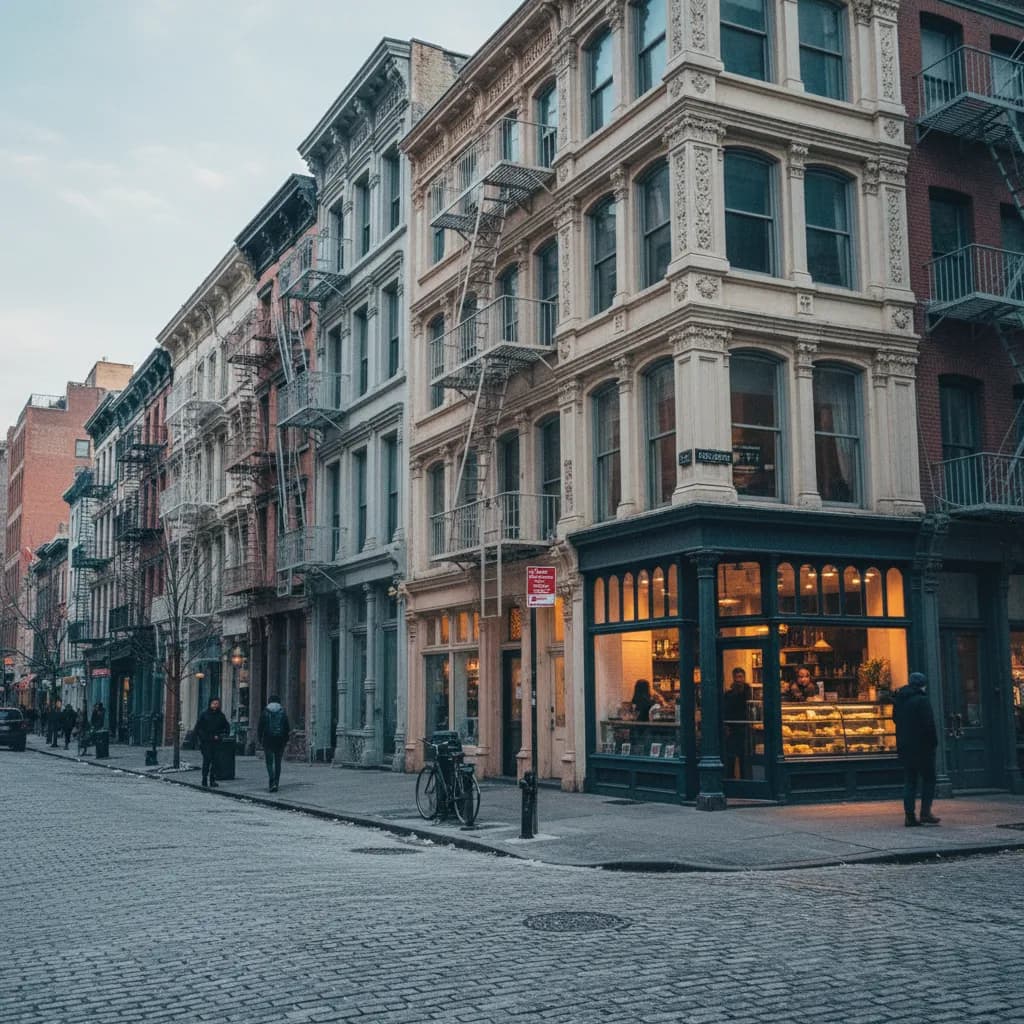
SoHo Tribeca NYC Cold Weather Coffee Walk Historic Guide
Follow this SoHo Tribeca NYC cold weather coffee walk guide. Discover historic cast-iron blocks, cobblestone lanes, and warming espresso stops.
Walking through lower Manhattan's premier historic architecture districts during the quiet cold of winter offers an unhurried, visually stunning escape from crowded summer sidewalks. This dedicated cold weather coffee walk traces a peaceful path from the monumental cast-iron lofts of SoHo southward into the tranquil cobblestone corridors of Tribeca. In winter, biting winds funnel through the wide east-west crossroads, making an organized roaster-to-roaster route the ideal strategy for staying energized and warm. Transitioning between heated specialty espresso counters and sheltered architectural streetscapes reveals the timeless grandeur of nineteenth-century New York at its most atmospheric.

Spanning approximately two and a half miles of walkable urban terrain, this cold-weather circuit meanders from Prince Street along quiet Belgian block stretches before terminating near historic Duane Park. Because historic stone sidewalks and breezy avenues require thoughtful pacing during freezing spells, alternating brisk ten-minute outdoor intervals with fragrant café stops keeps your exploration comfortable and restorative. Consulting Karpo APP before embarking helps pinpoint uncrowded seating counters, track sheltered street corridors, and identify welcoming bakeries along the way. Towering cast-iron columns, vaulted loading docks, and weathered stone curbs provide an inspiring visual rhythm from start to finish.
Cobblestone Greene Street and Cast-Iron Facades
Step out onto cobblestoned Greene Street just south of Prince Street, where magnificent nineteenth-century cast-iron facades erected around 1882 soar five stories above Belgian paving blocks. Drop into an intimate espresso bar nestled in a ground-floor boutique space, where the hiss of steam wands welcomes pedestrians fleeing icy northern gusts. Order a bright single-origin Kenyan espresso pulled with precise extraction, offering radiant blackcurrant acidity and brown sugar sweetness that instantly cuts through morning grogginess. The polished warm wood surfaces and soft acoustic music create a calm sanctuary before you venture into the wind tunnels created by surrounding cross streets.
Savor the rich, velvety crema while sitting at a window counter, watching fashion designers and gallery couriers pull wool scarves tight against the morning chill. The concentrated warmth of a proper double shot stimulates blood circulation, making the brisk ambient temperature feel crisp rather than forbidding. After finishing your espresso with a sip of sparkling water, step back outside onto Greene Street and head southward toward Broome Street, admiring the ornate fluted Corinthian columns and decorative iron lintels that define this internationally celebrated historic district.
Quiet Brick Alleys Along Secluded Howard Street
Veer southwest onto Howard Street, one of lower Manhattan's most secluded brick passages where vehicle traffic is rare and pedestrian quiet reigns. Duck inside a minimalist Scandinavian-inspired café and lifestyle space tucked into a restored 1880s dry goods warehouse. The seasonal specialty here is a velvety oat milk flat white dusted with freshly ground Ceylon cinnamon, served in unglazed ceramic cups crafted by local potters. The understated interior features wide-plank white pine flooring, linen cushions, and soft daylight filtering through floor-to-ceiling multi-pane industrial windows.
Cradling the heated cup between both hands brings welcome physical relief as aromatic cinnamon vapors mingle with the clean scent of toasted grains. Sip the flat white slowly while seated on a low wooden bench, enjoying the peaceful atmosphere of an architectural pocket that feels remarkably removed from Broadway's commercial bustle. Once thoroughly defrosted, step back onto Howard Street and turn west toward Mercer Street, feeling the satisfying crunch of grit beneath your boots as you cross the threshold into northern Tribeca.
Tribeca Arched Skybridges and Staple Street Mews
Navigate into the heart of historic Tribeca along Leonard Street and Franklin Street, where former butter, egg, and cheese warehouses have been lovingly preserved as residential lofts. Turn onto Staple Street, a narrow two-block alley paved with uneven stones and famous for its picturesque nineteenth-century wrought-iron skybridge suspended high overhead between red-brick warehouse walls. Cold winter air creates dramatic contrasts here, with sharp shadows bisecting weathered brick masonry and amber light glowing warmly behind industrial sash windows.
Pause beneath the iconic arched skybridge on Staple Street to admire the weathered brickwork and imagine the horse-drawn delivery drays that once rumbled along this quiet lane. The narrow corridor effectively deflects Hudson River crosswinds, offering a sheltered pocket of tranquility in the middle of lower Manhattan. Take several atmospheric photographs of the brick archway silhouetted against a pale winter sky before walking one block west to Greenwich Street, where wide sidewalks and restored cast-iron awnings guide you south toward Duane Street.
Duane Park Triangle Gardens and Historic Loft Streets
Complete your brisk winter journey at Duane Park, an intimate triangular green space established in 1797 surrounded by landmark loft architecture. Settle into a corner bakery and espresso bar facing the park, where tall arched windows flood the dining room with gentle midday sunlight. Order a steaming flat white alongside a warm cinnamon cardamom morning bun, whose flaky, caramelized layers provide the perfect buttery accompaniment to a rich espresso finish.
The velvety microfoam of the flat white harmonizes perfectly with the spiced pastry, offering a deeply satisfying conclusion to your architectural walk. Unwind at a marble-topped table while observing neighborhood residents reading morning newspapers and chatting with familiar baristas. The serene pace and rich sensory details of this historic district remind walkers why lower Manhattan remains one of the world's most rewarding pedestrian environments. When you are ready to depart, the Chambers Street express subway station is just two blocks south.
Cast-Iron Canyon Wind Protection and Seasonal Strategy
Planning your corridor trek between midday hours allows you to catch sunlight reflecting off white cast-iron facades, providing noticeable radiant warmth along south-facing sidewalks. Because cross streets like Canal and Broome can create intense wind tunnels funneled from the Hudson River, mapping your route through sheltered interior lanes like Greene, Howard, and Staple minimizes wind chill significantly. Wear insulated boots with good rubber traction to negotiate historic granite curb stones and uneven cobblestones safely.
Open the Karpo APP to explore curated cafe picks and architectural walking suggestions tailored to your afternoon pace. Whether you are an architecture lover admiring historic cast-iron facades, a coffee enthusiast tracking single-origin beans, or a casual wanderer seeking peaceful urban corners, this SoHo to Tribeca cold weather coffee walk provides an unforgettable blend of design history, seasonal warmth, and artisanal flavor.
Ask Karpo for more information.
Keep reading
- Upper West Side Nail Salon Walk In Finder: First Manicure
 Astoria Nail Salon Walk In Finder: Parent and Kid Sunday
 Williamsburg Nail Salon Walk In Finder for a Friend Group