
New Yorkers, a significant financial shift is underway that promises to put hundreds of millions of dollars back into your pockets. Effective October 1, 2026, the City's landmark "Click-to-Cancel" law, championed by Mayor Zohran Kwame Mamdani and the NYC Department of Consumer and Worker Protection (DCWP), officially bans deceptive subscription practices and hidden junk fees. This first-of-its-kind municipal rule ensures that canceling a service is as straightforward as signing up for it, directly addressing the frustrating and costly "subscription traps" that have long plagued consumers. This article offers a clear, actionable guide for New Yorkers to leverage this new protection for substantial savings.
Want to navigate these new rules with confidence and maximize your savings? Text Karpo "NYC Click-to-Cancel" for personalized advice and direct links to essential resources.
Understanding the 'Click-to-Cancel' Mandate
The core of the "Click-to-Cancel" law is simple: if you can sign up for a recurring service with a single click, you must be able to cancel it with equal ease. This means businesses operating in New York City are now legally required to provide cancellation methods that mirror the enrollment process. For instance, if you subscribed online, an online cancellation option must be readily available, eliminating the need for arduous phone calls, in-person visits, or physical mail to stop a service you no longer want.
This rule, enforced by the DCWP, targets a wide array of automatic renewal and continuous service subscriptions, including streaming platforms, gym memberships, software, and meal kit deliveries. It applies to any business selling subscriptions to NYC residents, regardless of where the company is headquartered. The goal is to dismantle business models that profit from making cancellations difficult, thereby protecting consumers from unwanted charges and saving New Yorkers an estimated $162.5 million annually.
Identifying Subscription Traps and Hidden Fees
Subscription traps often manifest as confusing cancellation processes, undisclosed terms, or automatic renewals without clear notification. Under the new law, businesses must clearly state all subscription terms at the time of sign-up and disclose consumers' rights regarding cancellation. This includes explicit reminders for free trials longer than one month that automatically convert to paid subscriptions, ensuring New Yorkers aren't unexpectedly billed after a trial period ends.
Beyond subscriptions, the new regulations also tackle hidden junk fees. This means the price you see for a product or service should be the price you pay, without unexpected charges appearing at checkout. The Mayor's office and DCWP have made it clear that these combined efforts are designed to close "small holes that drain people’s paychecks," making pricing transparent and empowering consumers to make informed financial decisions.
Your Rights as a Consumer Under the New Law
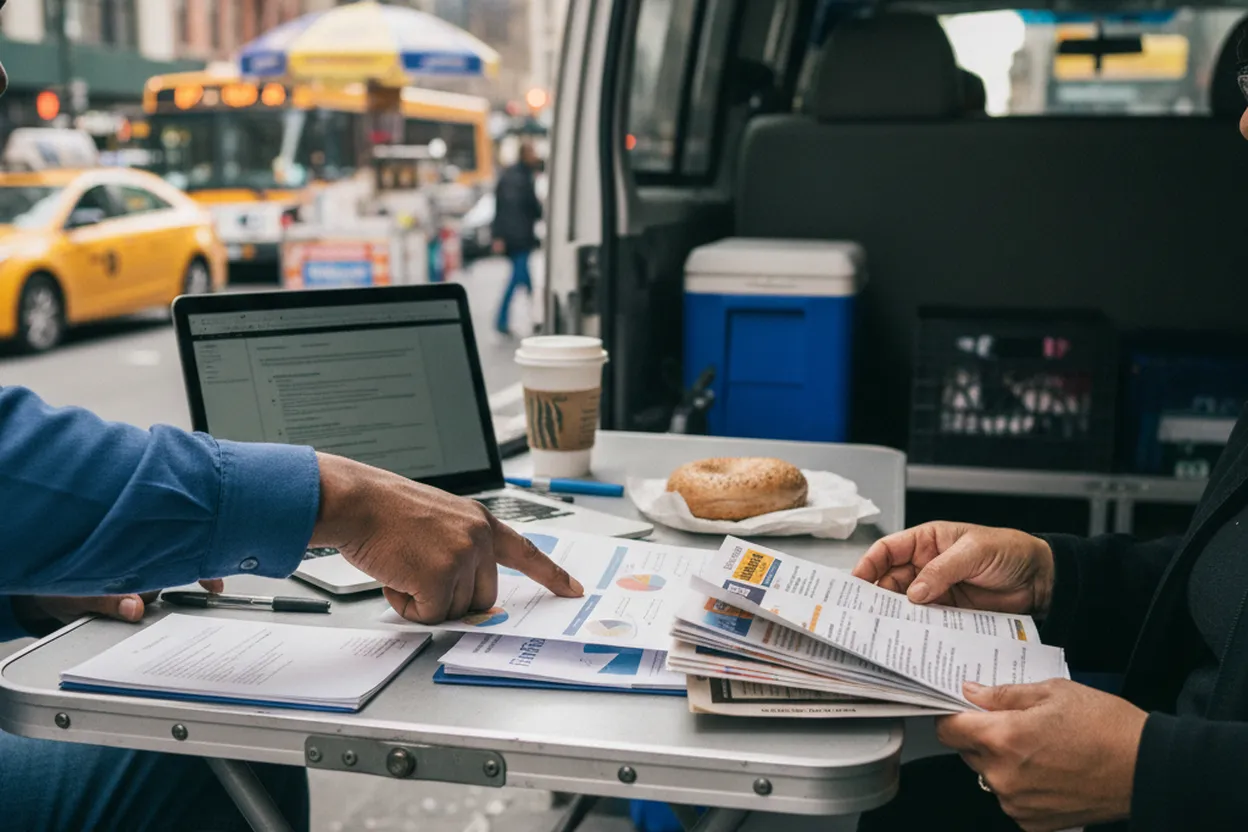
As of October 1, 2026, New Yorkers gain several explicit rights. Companies must provide a straightforward cancellation process that matches the sign-up method. They cannot demand payment for shipping back items given to you for free, nor can they employ obstruction tactics like intentionally delaying cancellation requests or providing false information. If a company attempts to offer a discount to retain you, they cannot use it to stall or block your immediate right to cancel.
For subscriptions lasting a year or longer, businesses must notify you of upcoming auto-renewal charges 15 to 45 days before the cancellation deadline. For free trials exceeding one month, a warning of the upcoming charge must be sent 3 to 21 days before the trial concludes. These provisions are designed to prevent accidental billing and give consumers ample time to decide whether to continue a service.
How to Leverage the Law for Personal Savings
To maximize your savings, start by reviewing your bank statements and credit card bills for recurring charges. Identify any subscriptions you no longer use or find value in. With the "Click-to-Cancel" law in effect, canceling these services should now be a quick and easy process. Prioritize services that previously seemed too cumbersome to cancel, as these are likely the biggest drains on your budget.
Additionally, pay close attention to free trials. Set personal reminders for trials that are longer than a month, even though companies are now required to notify you. Be proactive in canceling before the trial period ends if you do not intend to continue the service. This systematic approach can prevent unexpected charges and ensure you only pay for services you actively desire.
Navigating Potential Obstacles
While the law aims to simplify cancellations, some businesses may initially struggle with compliance or attempt to skirt the rules. Be prepared for companies to offer incentives to stay; remember, they cannot use these offers to hinder your cancellation. If a company forces you to use a different, more difficult method to cancel than the one you used to sign up (e.g., online sign-up but phone-only cancellation), they are in violation.
It's also crucial to document your cancellation attempts. Keep screenshots, emails, and any communication records. If a business delays your cancellation or continues to charge you after your attempt, this documentation will be vital when filing a complaint with the DCWP. The law is designed to protect you, but a prepared consumer is an empowered one.
When and How to File a Complaint
Starting October 1, 2026, if a business violates the "Click-to-Cancel" protocol, New Yorkers can file official complaints with the NYC Department of Consumer and Worker Protection (DCWP). Valid reasons for complaint include being unclear about subscription terms, difficulty canceling (e.g., being forced to cancel via a different medium), delayed cancellation, unsolicited products, or not being informed of auto-renewal or changes to terms.
Complaints can be submitted online, by calling 311, via phone, mail, or fax. The DCWP will review your complaint and provided documents, contacting the business to seek a resolution. Businesses found in violation face civil penalties starting at $525, with increasing fines for repeat offenses, and are legally liable to refund consumers for charges incurred after their initial attempt to cancel.
Verifying Information and Staying Informed
Before taking action, always verify the most current details on the official NYC Department of Consumer and Worker Protection website regarding the "Click-to-Cancel" law. Policies and procedures can be updated, and the official source will provide the most accurate information on how to file complaints and what to expect. Sign up for official city text or email alerts directly on the NYC Click-to-Cancel hub to receive timely updates.
Remember that while the law provides a strong framework, individual circumstances may vary. If you are unsure whether a specific subscription or business falls under the purview of this law, consult the DCWP's resources. Being informed and proactive is the most effective way to leverage this new consumer protection and ensure you retain more of your hard-earned money.
Tags: #NYCSavings #ConsumerRights #ClickToCancelLaw #FinancialFreedom #SubscriptionManagement #NYCgovernment #DCWP #BudgetingNYC #SmartMoney #NewYorkers #Affordability #ConsumerProtection #AskKarpo #BeforeYouGo
Sources consulted: Source 1: nyc.gov · Source 2: nyc.gov · Source 3: uticaphoenix.net · Source 4: secretnyc.co · Source 5: ktslaw.com
All trademarks are the property of their respective owners.
Ask Karpo first
Tell Karpo your date, group size, budget, and starting neighborhood. We’ll check current access, timing, transit, and the cleanest plan for NYC Department of Consumer and Worker Protection before you head out.