 Crown Heights Rainy Day Kids Activity Finder for Toddlers
Weekend Plans
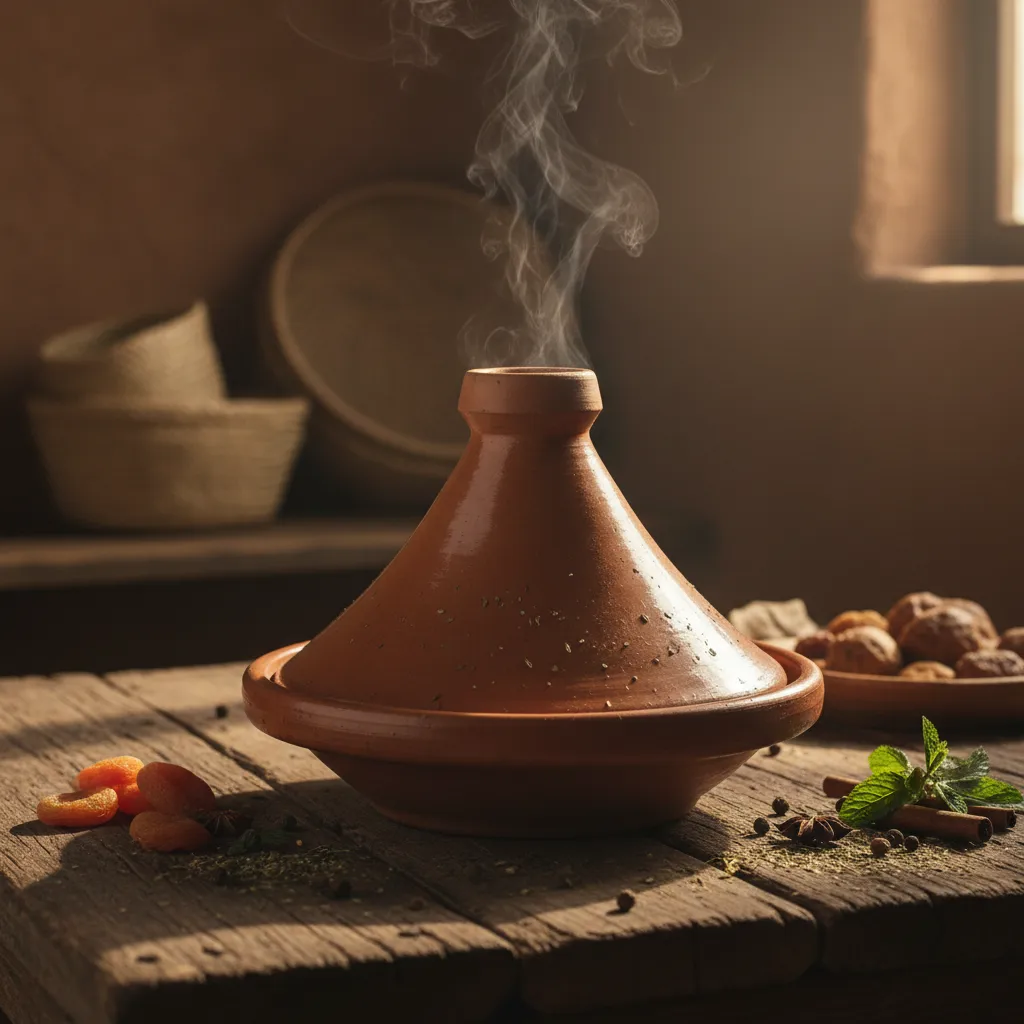
SoHo Tribeca Clay Pot Cooking Workshop Culinary Plan
Explore rustic Mediterranean terracotta braises, stovetop heat modulation, and artisanal pantry sourcing through the historic corridors of SoHo and Tribeca.
Venturing through the historic architecture of SoHo and Tribeca reveals a sophisticated backdrop for mastering Mediterranean earthenware braising. From Spanish glazed cazuelas to French Provençal daubières, heavy clay cookware has anchored rustic European kitchens for centuries. Unlike high-conductivity stainless steel or cast iron, earthenware absorbs thermal energy steadily, circulating low, even heat that coaxes unctuous richness from root vegetables, legumes, and tough cuts of meat without drying them out. Bringing this classic workshop approach into your home allows home cooks to transform seasonal farmers market produce and olive oils into memorable cold-weather feasts.
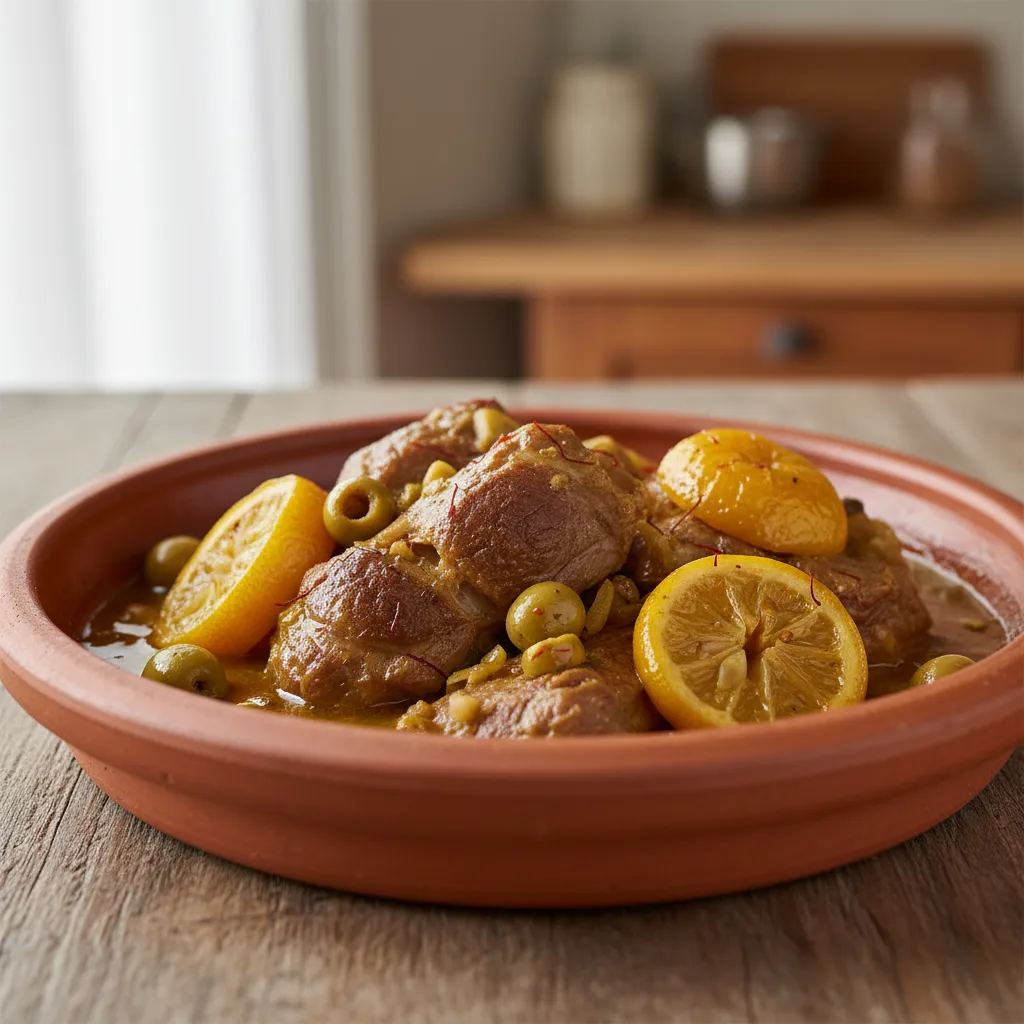
Mediterranean Earthenware and Culinary Traditions
The physical design of Mediterranean clay vessels highlights a legacy of functional rural pottery. Crafted from dense sedimentary earthenware and finished with lead-free food-safe glazes, these wide-rimmed cazuelas and round-bellied pots facilitate gentle evaporation while keeping core ingredients thoroughly bathed in aromatic liquids. The natural insulating mass of fired terracotta acts as a thermal buffer against fluctuating stovetop temperatures, ensuring braises remain at an uninterrupted, gentle simmer. Appreciating the vessel anatomy helps cooks understand why slow clay braising produces uniquely velvety sauces that cannot be duplicated in thin metal pans.
Throughout the western Mediterranean, earthenware pots are cherished for their ability to soften acidity while rounding out savory aromatics. Fired clay retains warmth with remarkable efficiency, allowing cooked dishes to rest off the burner while flavors marry and sauces naturally thicken. Home cooks quickly discover that glazed interior basins provide a slick, non-reactive cooking surface that welcomes acidic ingredients like crushed tomatoes, dry white wines, and citrus zests without degrading the ceramic body. This resilience makes Mediterranean clay ideal for both stovetop browning and gentle oven finishing.
The culinary heritage of European earthenware stews connects directly to the rhythm of autumn and winter living in lower Manhattan. When brisk winds sweep through the cast-iron corridors of West Broadway and cobblestoned Tribeca lanes, home kitchens become centers of slow, fragrant nourishment. Recreating traditional braising techniques bridges time-honored European artisanal cooking methods with the contemporary cosmopolitan lifestyle of downtown New York food enthusiasts.
Thermal Inertia and Slow-Simmer Mechanics
Mastering flame discipline is the crucial first requirement when cooking with Mediterranean terracotta vessels. Cold earthenware must never encounter sudden, high-intensity heat, which creates internal tension and causes hairline fractures. Cooks should always position a heavy cast-iron heat diffuser over the gas burner before setting down the pot, keeping the initial flame on low for five minutes. This thoughtful step gently expands the ceramic matrix, establishing a reliable thermal platform that maintains a steady simmer without scorching delicate sauces.
Acoustic monitoring offers reliable insight into the internal progress of slow earthenware braises. During the initial cooking phase, the liquid produces a quiet, steady hum as steam circulates beneath the lid. As reductions advance and natural collagen breaks down into rich gelatin, the sound deepens into a gentle, rhythmic murmur with slower, wider bubbles breaking the surface. Attuning your ear to these acoustic cues enables home cooks to evaluate simmer rates without constantly lifting the lid and releasing essential moisture.
Regulating surface moisture loss in a wide cazuela requires strategic lid placement. Keeping the lid firmly seated concentrates steam and preserves light broths, while angling the cover slightly ajar allows steam to vent smoothly, encouraging natural sauce reductions. Cooks often drape a clean linen towel around the edge of the lid to catch condensed steam before it drops back, ensuring rich wine-based reductions achieve the glossy, spoon-coating texture that defines classic bistro cooking.
Layering Rustic Flavors in Glazed Cazuelas
A quintessential Mediterranean earthenware preparation begins with building layered aromatic foundations. Cooks warm fruity extra-virgin olive oil over low heat in the cazuela, infusing it gently with sliced garlic, cracked coriander, fresh rosemary sprigs, and strip of orange peel. Once the aromatics release their essential oils, seasoned chicken thighs or hearty cannellini beans are nestled into the pot, followed by a splash of dry vermouth that gently deglazes the glazed ceramic base.
Because glazed earthenware conducts heat with exceptional gentleness, ingredients cook evenly without the aggressive boiling that can toughen proteins. Whole baby artichokes, sweet shallots, and sun-ripened tomatoes soften into a cohesive, velvety ragout as the dish simmers over forty-five minutes. The glazed ceramic surface encourages gentle fond formation along the bottom rim, providing concentrated savory flavor that effortlessly whisks back into the sauce with a wooden kitchen spoon.
Finishing the braise involves a final balancing touch of acidity and fresh herbs right before serving. A generous drizzle of unfiltered Spanish olive oil, a scattering of chopped flat-leaf parsley, and a pinch of flaky sea salt brighten the rich, slow-simmered depths of the stew. Bringing the entire steaming cazuela directly from the stove to a heatproof wooden trivet on the dining table creates a welcoming centerpiece that keeps the meal piping hot throughout unhurried conversation.
SoHo and Tribeca Specialty Pantry Walks
Sourcing specialty ingredients and kitchen essentials for an earthenware braising day makes for an inspiring neighborhood walk across SoHo and Tribeca. Strolling along Broome Street and Mercer Street introduces shoppers to boutique olive oil purveyors and Mediterranean grocers stocking artisanal estate-bottled extra-virgin oils, cured Spanish olives, and dried heirloom beans. Taking time to select cold-pressed oils with peppery finishes ensures that finishing drizzles provide bright, complex notes to rustic clay dishes.
The walk extends down into Tribeca along Hudson Street and Greenwich Street, where specialty cheese shops and butcher counters offer high-grade provisions. Sourcing heritage poultry, cured pancetta, and farmhouse cheeses from knowledgeable neighborhood merchants provides the exceptional foundational ingredients that slow clay braising elevates. Engaging with local grocers often yields helpful tips on regional olive varietals and seasonal produce pairings that enhance the authenticity of your recipes.
Design-conscious home cooks will also enjoy browsing home kitchenware boutiques tucked along Lafayette Street and Franklin Street. These retailers frequently curate imported hand-painted Spanish cazuelas, glazed Italian terracotta baking dishes, and traditional French ceramic terrines. Selecting an authentic, handmade vessel from these independent purveyors equips your home kitchen with a durable cooking tool while celebrating the enduring artisanal ceramics traditions of Europe.
Terracotta Maintenance and Home Kitchen Flow
Maintaining glazed Mediterranean earthenware ensures that your cookware remains beautiful and structurally sound across countless winter dinners. After dining, allow the vessel to cool completely to ambient room temperature before introducing any wash water. Wash the pot by hand using warm water, a soft natural sponge, and mild biodegradable soap, avoiding harsh abrasive metal pads that can scratch the smooth glazed finish or compromise the clay edge.
If caramelized braising juices adhere to the bottom of the cazuela, simply fill the pot with warm water and let it soak for twenty minutes to loosen stubborn residue naturally. Once washed, wipe the vessel dry with a clean cotton kitchen towel and allow it to air out completely on an open drying rack. Storing the pot in a well-ventilated cabinet ensures that the unglazed base stays bone-dry, eliminating any risk of trapped moisture or stale cabinet odors.
Preparing your kitchen for a clay pot cooking session requires minimal gear but thoughtful organization. Place heavy wooden or cork trivets within easy arm reach of the cooking range to provide a stable landing pad for hot vessels fresh off the flame. Using thick silicone-grip oven mitts ensures a secure hold when moving wide-handled cazuelas from stovetop to table. Setting up these simple kitchen safety measures guarantees an effortless, deeply satisfying evening of Mediterranean culinary exploration.
Ask Karpo for more information.
Keep reading
- Crown Heights Rainy Day Kids Activity Finder for Toddlers
 Jackson Heights Rainy Day Kids Activity Finder for Siblings
 Lower East Side Rainy Day Kids Activity Finder by Stroller