 Crown Heights Rainy Day Kids Activity Finder for Toddlers
Weekend Plans
Downtown East Clay Pot Cooking Workshop Circuit Guide
Master authentic Cantonese sand pot cooking, stovetop flame discipline, and heritage pantry sourcing across Manhattan's historic Chinatown and Lower East Side.
Exploring the bustling boundary between Chinatown and the Lower East Side offers home cooks a tactile education in the enduring heritage of Cantonese sand pot cookery. Known traditionally as bo zai, these unglazed earthenware vessels feature exterior wire wrapping designed to reinforce structural strength against stovetop flames. While modern metal cookware conducts heat swiftly and drops temperature just as quickly, porous clay absorbs thermal energy gradually, releasing a gentle, radiant warmth that tenderizes meats and caramelizes rice without scorching. Immersing yourself in this culinary workshop approach transforms ordinary pantry staples into deeply satisfying autumn comfort food.
Cantonese Sand Pot Heritage and Vessel Anatomy
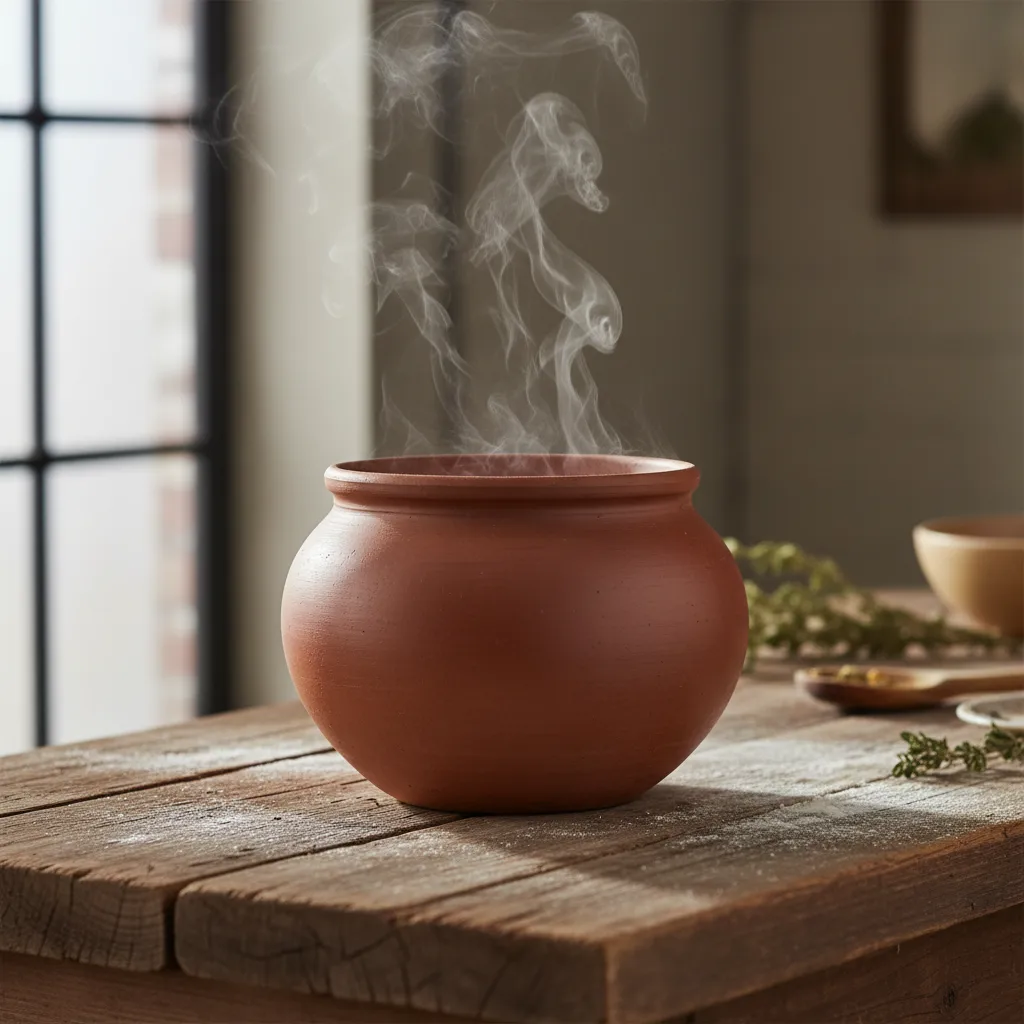
The functional architecture of the Cantonese sand pot reflects generations of practical culinary engineering. Molded from iron-rich terracotta blended with fine sand, the vessel possesses micro-porous walls that circulate moisture and retain ambient heat long after leaving the stovetop. Exterior galvanized wire binding hugs the outer belly and base, counteracting thermal expansion and preventing fractures when moving across varying flame intensities. Understanding the anatomical properties of raw earthenware allows home cooks to appreciate why clay remains indispensable for recipes requiring steady radiant heat from below while preserving aromatic steam above.
Unlike conventional nonstick or stainless-steel pans, raw earthenware develops a distinct seasoned patina through repeated domestic use. Cooking with seasoned clay gradually enriches the depth of slow braises, as microscopic pores absorb rendered fats and fragrant culinary oils over time. Discerning cooks examine the textural difference between raw exterior surfaces and lightly glazed inner linings, observing how each finish regulates starch adhesion. This tactile appreciation dispels common anxieties regarding ceramic fragility, grounding home cooks in the time-tested fundamentals of selecting durable pots from neighborhood kitchen merchants.
The cultural presence of clay pot cooking across Lower Manhattan mirrors the domestic traditions of generations of immigrant families who gathered around tabletop burners during chilly autumn evenings. Inside compact tenement kitchens and lively dining halls alike, the arrival of a sputtering clay vessel marked communal warmth and everyday celebration. Bringing these historic cooking rituals into your own home kitchen bridges contemporary urban living with the culinary craftsmanship and resourcefulness that have anchored this downtown enclave for more than a century.
Thermal Mechanics and Stovetop Flame Modulation
Navigating thermal momentum represents the foundational skill required for successful clay pot cookery. Because unglazed earthenware does not react instantaneously to burner adjustments, cooks must learn to anticipate heat transitions minutes before they register on the cooking surface. Placing cold clay directly onto high flames can provoke catastrophic thermal shock, so starting with a heavy cast-iron heat diffuser or a gentle low flame is mandatory. This deliberate initial temperature ramp allows the clay to expand uniformly, establishing a steady heat reservoir that braises ingredients without sticking.
Listening closely to the auditory feedback of the pot provides vital timing cues during the braising process. While ample liquid remains inside the vessel, the lid emits a steady, rhythmic bubbling sound accompanied by wisps of fragrant steam carrying ginger and Shaoxing wine aromas. As moisture evaporates and rendered animal fats migrate toward the bottom, the acoustic tempo shifts toward an energetic, rhythmic crackle. Recognizing this auditory milestone signals the precise moment when starch caramelization commences, encouraging home cooks to rely on sensory awareness rather than rigid digital clocks.
Internal moisture balance inside the vessel depends directly on the secure fit of its domed clay cover. A tiny steam escape hole positioned near the lid handle releases excess pressure while allowing internal humidity to circulate continuously. Experienced cooks often brush a delicate ribbon of toasted sesame oil or rendered pork fat along the exterior rim of the lid, creating a temporary aromatic seal that coaxes rising moisture back downward to baste the ingredients while encouraging uniform crisping along the pot floor.
Crafting Golden Guoba and Savory Braises
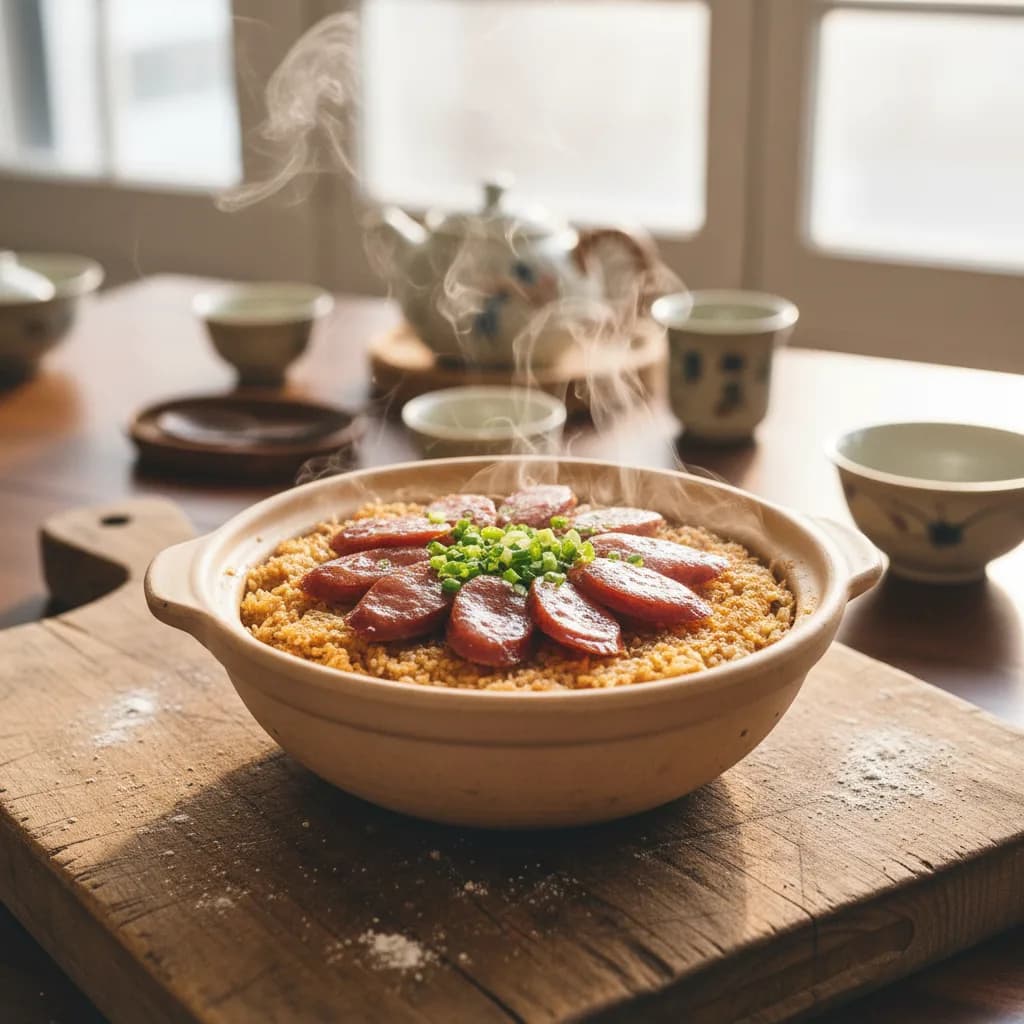
The benchmark preparation of any Cantonese clay pot repertoire is classic baozai fan, combining fragrant jasmine rice with cured lap cheong sausages, savory duck liver links, and marinated chicken pieces. Preparing this classic dish begins by soaking long-grain rice to ensure even internal hydration, followed by precise water-to-grain calibration within the vessel. Once the liquid reaches a vigorous rolling simmer, the heat is throttled back, and the cured meats are layered across the steaming grains, allowing unctuous savory fats to render downward through the rice.
Achieving the prized scorched rice layer, celebrated among connoisseurs as guoba or wo ba, requires gentle wrist movement and steady patience. During the concluding five minutes of cooking, the cook carefully tilts the pot at thirty-degree angles, resting each quadrant directly over the flame for forty-five seconds at a time. This methodical rotation ensures an amber-colored, unbroken crust that releases cleanly from the earthenware bottom, creating an irresistible textural contrast against the tender, steam-cooked grains above.
Immediately before lifting the pot from the burner, a seasoned soy finishing sauce is introduced to crown the dish. Blending aged dark soy, superior light soy, rock sugar, and scallion-infused oil, this mixture is drizzled around the scorching inner rim of the pot, generating an explosive theatrical hiss. The resulting plume of savory steam permeates the entire room, caramelizing the edges of the crispy rice while infusing every grain with deep umami notes that tie the succulent chicken and sweet sausage together.
Chinatown Market Strolls and Pantry Sourcing
Executing this traditional cooking routine at home is elevated by exploring Chinatown and Lower East Side markets for authentic provisions. Walking along Grand Street and Mulberry Street brings cooks past multi-generational dry goods purveyors displaying glass jars filled with dried shiitake mushrooms, preserved lap yuk pork belly, and whole star anise. Touring these neighborhood shops offers practical guidance in identifying fragrant new-crop jasmine rice and artisanal cured sausages crafted without artificial binders or excess moisture.
The neighborhood stroll continues toward open-air produce stalls clustered along East Broadway and Forsyth Street beneath the Manhattan Bridge. Here, vendors display crisp bunches of seasonal baby gai lan and tender flowering chives, perfect for blanching quickly to balance the rich, savory intensity of clay pot rice. Selecting vibrant, firm-stemmed greens ensures that home cooks can assemble a harmonious, market-driven meal that honors traditional Cantonese flavor balance and seasonal vegetable availability.
Wandering deeper into the commercial arteries of Downtown East leads food enthusiasts to historic restaurant supply shops lining the Bowery. Shelves here are stocked with diverse earthenware vessels, ranging from compact single-portion sand pots to deep communal soup tureens bound in wire. Sourcing cookware from these family-run hardware merchants connects home chefs directly with local culinary purveyors while providing durable, authentic tools capable of lasting through decades of winter braising.
Earthenware Seasoning and Kitchen Practicalities
Thoughtful post-cooking care represents the final essential discipline of clay pot mastery. Unglazed earthenware must always cool gradually to room temperature before encountering wash water, as abrupt thermal swings cause microscopic fissures in the ceramic matrix. Home cooks should scrub the interior using warm water, coarse sea salt, and a stiff natural fiber brush, strictly avoiding synthetic dish soaps that can absorb into the porous clay and leach into future braises.
Whenever stubborn rice starch clings to the pot bottom, a brief soak in lukewarm water softens the caramelized crust naturally without requiring abrasive metal scouring pads. After a thorough cleaning, the vessel must dry completely in an open, airy spot before being stored away. Nestling the lid upside down with a folded cotton tea towel between the rim and base prevents musty odors and moisture buildup, keeping the cookware pristine for your next weekend culinary session.
Preparing for a clay pot cooking day requires only modest kitchen adjustments and sensible pacing. Cooks should outfit their range with a stable heat diffuser to protect delicate earthenware and keep an insulated trivet close beside the stove for easy transfers. Keeping heat-resistant cotton kitchen towels nearby provides a secure grip on the wire-bound clay handles when rotating the pot. Taking the time to assemble these straightforward tools ensures a relaxed, deeply rewarding afternoon of heritage cooking and tactile culinary discovery.
Ask Karpo for more information.
Keep reading
- Crown Heights Rainy Day Kids Activity Finder for Toddlers
 Jackson Heights Rainy Day Kids Activity Finder for Siblings
 Lower East Side Rainy Day Kids Activity Finder by Stroller