 Crown Heights Rainy Day Kids Activity Finder for Toddlers
Weekend Plans
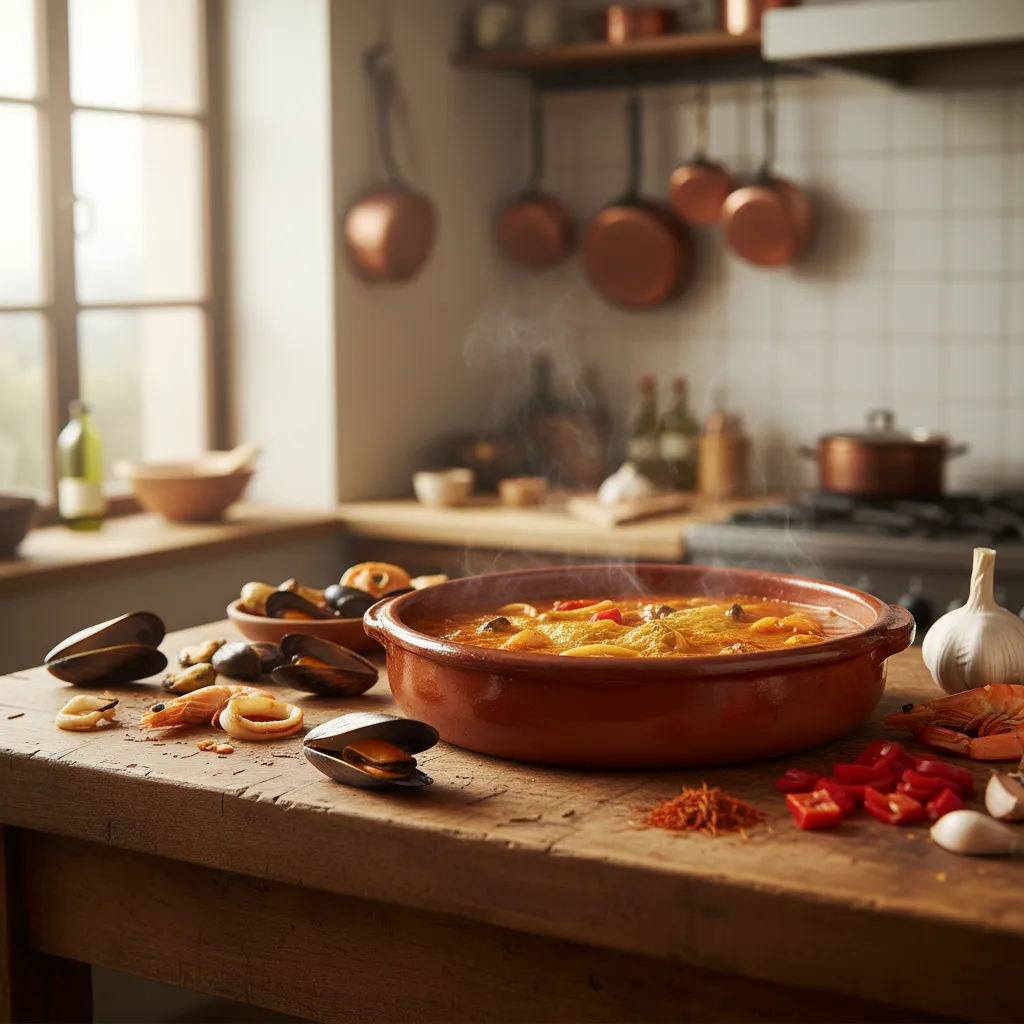
Brooklyn Heights Clay Pot Cooking Workshop Stroll Guide
Discover slow-braised clay tagine craftsmanship, Atlantic Avenue spice sourcing, and scenic autumn waterfront walking routes around historic Brooklyn Heights.
Strolling the gas-lit brownstone streets of Brooklyn Heights and the spice-rich corridor of Atlantic Avenue sets the stage for discovering the ancient culinary magic of clay tagines. Revered across Morocco and North Africa, the conical earthenware tagine is a marvel of ancestral engineering designed for desert climates where water was precious. The distinctive cone shape traps rising steam and returns cooling condensation continuously to the shallow base, allowing ingredients to braise into succulent tenderness in their own natural juices. Bringing this workshop guide into your weekend routine offers a flavorful immersion into time-honored slow-cooking traditions.
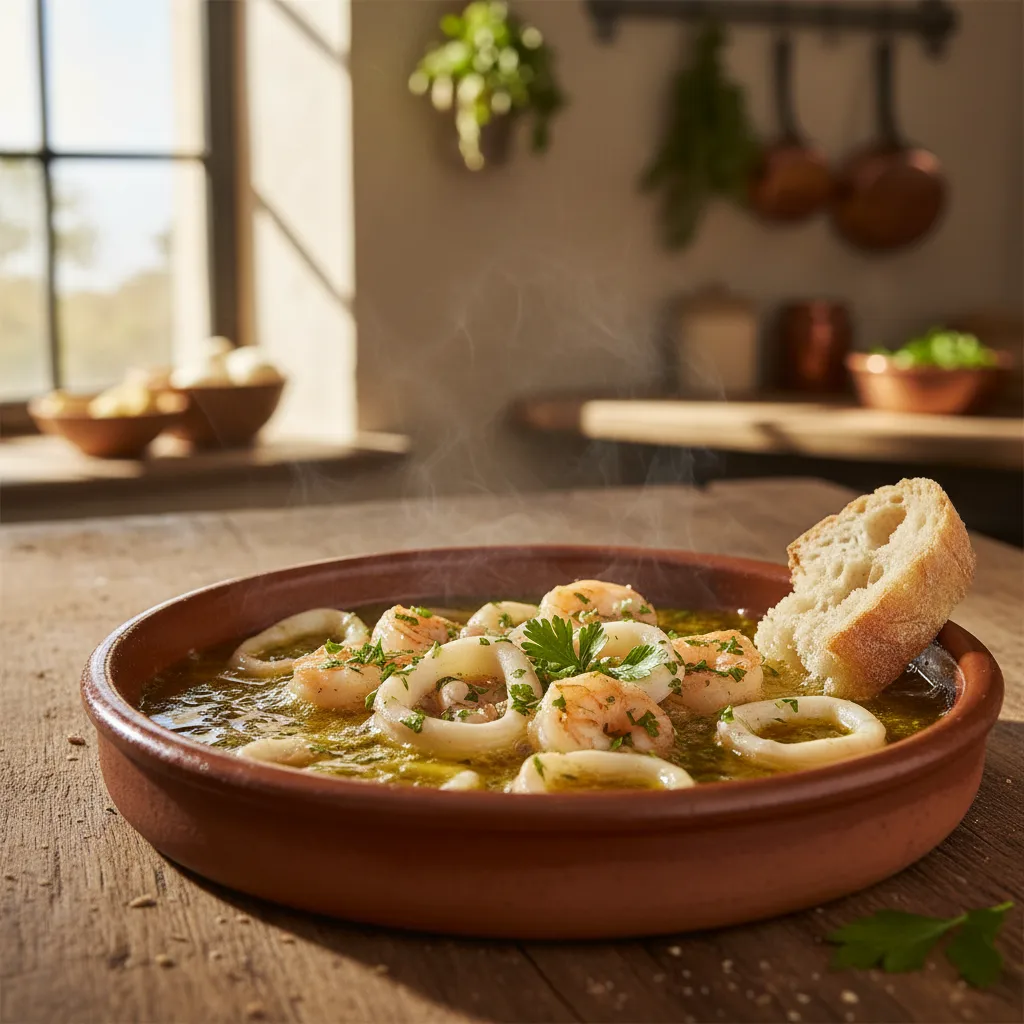
North African Tagine Craftsmanship and Conical Dynamics
The physical design of the traditional tagine represents a masterclass in passive thermodynamic balance. Constructed from coarse, mineral-rich red clay, the broad shallow base holds cuts of meat, root vegetables, and pulses, while the tall conical lid captures ascending vapor. As steam reaches the cooler upper chimney of the cone, it condenses along the sloping clay walls and cascades back downward over the simmering food. This self-basting cycle ensures that delicate poultry, lamb, and vegetables remain intensely moist without requiring large amounts of cooking liquid.
Traditional North African cooks value unglazed and lightly glazed red clay for its gentle, forgiving heat transfer. While modern cookware can easily boil away aromatic sauces, the thick porous base of a clay tagine distributes low heat with remarkable uniformity across the cooking surface. The vessel acts as a natural pressure-free convection chamber, where tough connective tissue melts slowly into gelatin without disturbing the structural integrity of tender vegetables. Understanding these structural dynamics gives home cooks the confidence to prepare complex North African braises at home.
The historical resonance of tagine cookery carries special relevance when paired with the culinary geography of historic Brooklyn. Long-established Middle Eastern and North African merchants along nearby Atlantic Avenue have preserved spice blending and earthenware traditions for decades. Exploring this cooking method at home connects urban food lovers with a rich lineage of communal hospitality, where gathering around a single earthenware vessel forms the emotional heart of an autumn evening.
Condensation Cycles and Low-Flame Simmering
Operating a clay tagine on a contemporary home stovetop demands strict adherence to thermal safety practices. Direct high flames can shock the ceramic base and produce fractures, making the use of a cast-iron or stainless-steel heat diffuser completely non-negotiable. Cooks should begin with a low flame setting, allowing the diffuser to warm gradually over several minutes before placing the loaded tagine onto the burner. This gentle temperature incline protects the red clay while creating a sustained, even radiant heat source.
Observing the subtle acoustic rhythm of the cooking process guides timing throughout the braise. When cooking begins, a delicate fluttering sound emerges from under the lid as moisture heats and vapor begins its circular ascent. Over the course of forty minutes, the rhythm deepens into a gentle, subdued bubbling, signaling that natural juices have rendered and joined the spiced olive oil. Relying on acoustic feedback prevents cooks from frequently lifting the cone, which would release heat and disrupt the self-basting condensation cycle.
Regulating moisture retention in a tagine requires mindful liquid management from the very beginning. Because the conical lid returns nearly all evaporated moisture back into the shallow dish, adding excessive water or stock can flood the vessel and dilute complex spices. Experienced cooks add only a half-cup of liquid, allowing the natural moisture of sliced onions, tomatoes, and marinated meats to create a luscious, concentrated sauce that coats the base smoothly.
Aromatic Layering With Preserved Lemon and Spices
The culinary foundation of an authentic tagine revolves around aromatic spice layering and traditional cured condiments. Home cooks warm rich olive oil in the base, blooming cracked cumin seeds, ground ginger, turmeric, sweet paprika, and whole cinnamon sticks until their fragrances fill the kitchen. Sliced yellow onions are arranged in a thick layer across the bottom of the vessel, creating a natural aromatic bed that shields marinated meats from direct heat while caramelizing into sweet, jammy goodness.
Marinated chicken or lamb shanks are placed centrally over the onion bed, flanked by quartered carrots, tender zucchini, and sweet dried apricots or plump golden raisins. Strips of salt-cured preserved lemon rind and briny cracked green olives are tucked around the edges, introducing sharp citrus acidity and salty punch that balance the sweet, warm spices. As the dish simmers over seventy minutes, these diverse flavor profiles meld into a harmoniously balanced sauce with extraordinary complexity.
Serving an earthenware tagine is an interactive, communal ceremony that honors North African dining customs. The entire steaming vessel is carried directly to the table on a thick insulated trivet, where the conical lid is lifted in front of guests to reveal billowing plumes of fragrant steam. Accompanied by fluffy steamed semolina couscous and warm crusty flatbreads for dipping into the rich sauce, the tagine provides an unforgettable centerpiece that invites unhurried dining and shared conversation.
Atlantic Avenue Spice Sourcing and Promenade Walks
Assembling the ingredients and cookware for an authentic tagine evening makes for a delightful weekend walk across Brooklyn Heights and along Atlantic Avenue. Beginning on the Brooklyn Heights Promenade, walkers enjoy panoramic skyline views across the East River, breathing in crisp autumn harbor air before turning south toward Atlantic Avenue. This vibrant commercial strip has been home to legendary Middle Eastern and Mediterranean grocers since the mid-twentieth century.
Browsing the aromatic aisles of historic Atlantic Avenue food markets reveals wooden barrels filled with fragrant spices, imported green olives, and fresh preserved lemons. Shoppers can purchase whole cumin, ground coriander, Ceylon cinnamon, and artisanal ras el hanout spice blends ground fresh on-site. The neighborhood purveyors also stock premium couscous, cold-pressed olive oils, and hand-rolled flatbreads, providing everything required to replicate authentic North African banquet flavors in your own kitchen.
For cooks seeking an authentic vessel, specialty cookware and home decor shops along Atlantic Avenue and Court Street frequently offer hand-thrown Moroccan cooking tagines. Shopkeepers can help identify functional cooking vessels featuring heat-resistant red clay bases, distinguishing them from purely decorative painted ceramic serving dishes. Bringing an authentic clay tagine home from these neighborhood merchants anchors your culinary craft in genuine cultural provenance.
Unglazed Tagine Seasoning and Care Essentials
Proper care and cleaning routines guarantee that your clay tagine remains a dependable kitchen heirloom for years to come. After completing your meal, let the vessel rest until it cools completely to ambient room temperature before cleaning. Clean both the base and lid using warm tap water, coarse kosher salt, and a soft coconut fiber brush. Never expose unglazed clay to industrial chemical detergents, which seep into the clay pores and taint future meals with chemical soap flavors.
To address any caramelized onion remnants along the pot floor, simply pour lukewarm water into the base and let it sit for fifteen minutes to dissolve starch naturally without aggressive scraping. After washing, dry all components thoroughly with a clean cotton towel and let them rest in an open, sunlit spot. Store the tagine with its conical lid resting slightly askew or with a paper towel tucked along the rim to permit free air circulation, preventing trapped humidity from causing musty cabinet odors.
Setting up your home kitchen for tagine cooking involves simple, methodical preparation and reliable safety precautions. Always have a stable heat diffuser ready on your gas burner, and ensure you have durable silicone trivets positioned nearby for hot vessel transfers. Keep sturdy dry kitchen towels on hand to safely lift the conical lid knob, which becomes hot during extended braising. Taking time to follow these basic safety routines ensures an inspiring, seamless evening of slow-cooked culinary discovery.
Ask Karpo for more information.
Keep reading
- Crown Heights Rainy Day Kids Activity Finder for Toddlers
 Jackson Heights Rainy Day Kids Activity Finder for Siblings
 Lower East Side Rainy Day Kids Activity Finder by Stroller