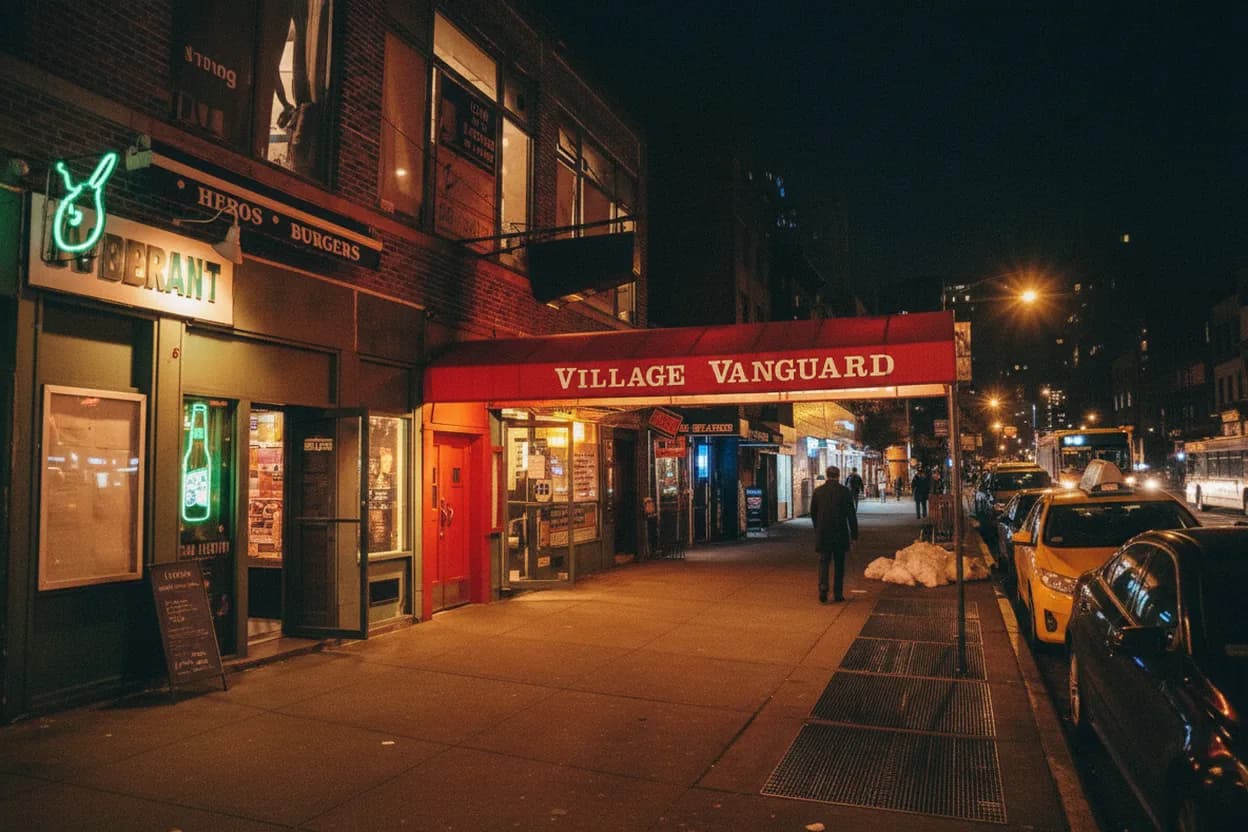
Carly Simon’s renewed visibility makes Greenwich Village feel less like a nostalgia stop and more like a usable New York City map. The strongest local thread is compact: The Bitter End’s own history lists Carly Simon among its past performers, and Simon’s official reminiscence places the Simon Sisters at The Bitter End and The Gaslight while they were students. For a pleasant daytime walk on Wednesday, July 29, 2026, the practical route is short, mostly flat, and best treated as a history trail rather than a guaranteed performance itinerary. Start with verified public places, leave private interiors alone unless open to customers, and make real-time checks before committing.
Want the shortest Village route with live transit and venue checks? Text Karpo before you leave, and use it to compare The Bitter End, MacDougal stops, and backup coffee plans.
The Bitter End at 147 Bleecker Street
Begin at The Bitter End because it is the clearest anchor for this walk, not because every surrounding doorway has a confirmed Carly Simon link. The club’s own history says it was established in 1961, calls it New York City’s oldest rock and roll club, and includes Carly Simon on its legends list. That makes 147 Bleecker Street the practical place to stand, photograph the facade from the sidewalk, and decide whether the route should stay historical or become a ticketed night plan.
Daytime visitors should treat The Bitter End as an exterior and context stop unless the venue’s current event page confirms doors, cover, age policy, seating, and accessibility for that specific date. The tradeoff is simple: a midday walk is quieter and easier for photos, while the room’s real purpose is live music. If the posted schedule is unclear, do not assume walk-in access; save the night return as an optional add-on.
MacDougal Street and the Former Gaslight Thread
From Bleecker, angle toward MacDougal Street, where the old coffeehouse geography tightens into a few blocks. Simon’s official reminiscence says she and Lucy sang at The Bitter End and The Gaslight in Greenwich Village, four shows a night, while they were in school. The Gaslight Cafe itself is no longer a current venue to enter as a music stop, so the value here is street-level orientation: corners, basement doors, and the scale of the folk circuit.
The failure mode on MacDougal is overclaiming. Plaques, tour patter, and old club names can blur into one another, especially around spaces that changed tenants decades ago. Keep the walk honest by saying “associated neighborhood” unless a current reputable source ties a precise address to a precise claim. For solo visitors or partners, this still works well: the blocks are dense, public, and easy to pause without blocking residents or businesses.
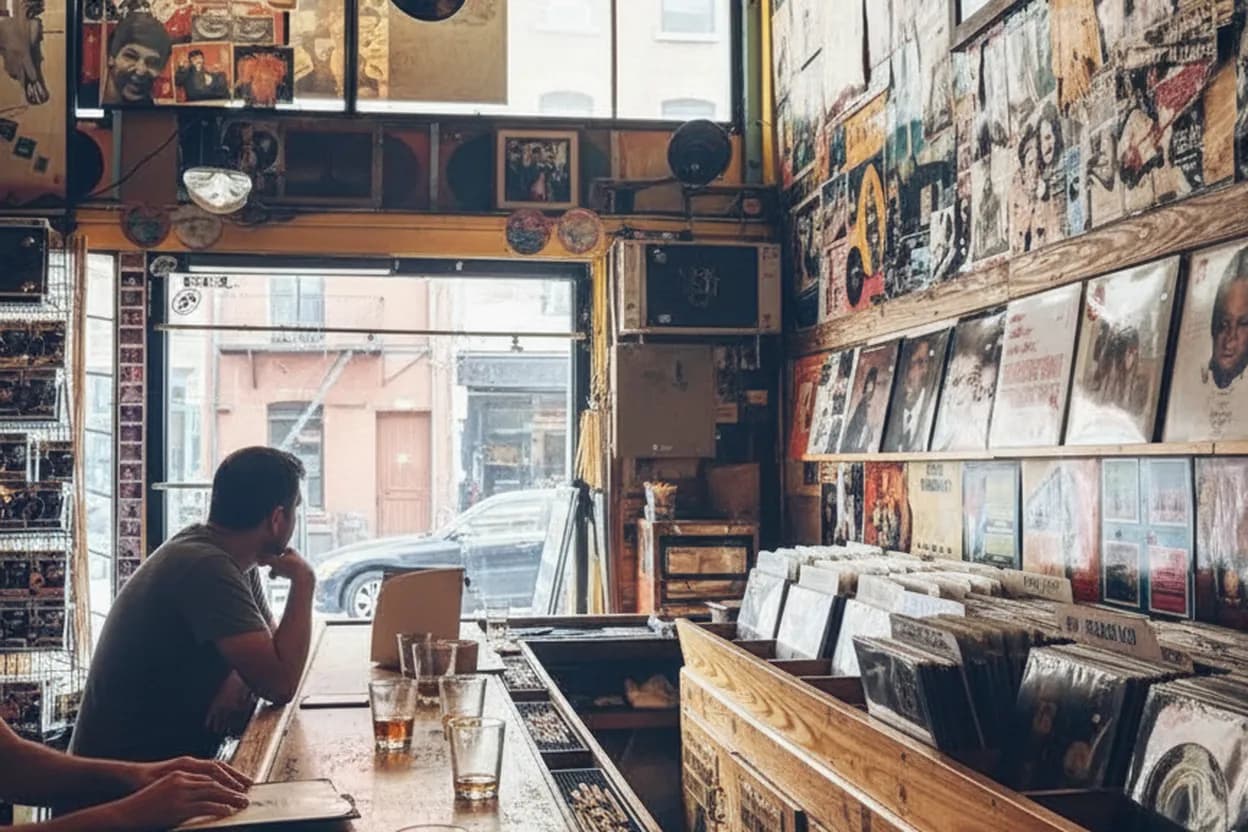
Cafe Wha? at 115 MacDougal Street
Cafe Wha? is not the Carly Simon anchor, but it helps explain the ecosystem around her early Village years. The venue’s own history places it at the center of the Greenwich Village coffeehouse scene, with Bob Dylan, Jimi Hendrix, Bruce Springsteen, comedians, folk singers, artists, poets, and tourists moving through the room. Put it after the Gaslight thread because it shows how nearby stages trained performers to read crowds, handle pressure, and share audiences.
This stop is strongest for people who want a wider music-history walk, weaker for anyone seeking only direct Simon documentation. If the venue is closed when you pass, the exterior still gives useful scale: MacDougal’s clubs were close enough for performers and audiences to cross-pollinate quickly. If you plan to go inside later, verify the current calendar, minimums, ticketing, and entry rules directly with Cafe Wha? before treating it as part of the day.
Caffe Reggio’s 1902 Espresso Machine
Caffe Reggio at 119 MacDougal Street gives the route a practical rest point without pretending to be a Carly Simon shrine. Its official site says the cafe has been in Greenwich Village since 1927 and highlights a 1902 espresso machine connected to its cappuccino history. That makes it useful as an object-based stop: sit, reset, and look at a surviving Village interior while keeping the music claims attached to the verified venues.
The advantage here is pacing. A nostalgic route can become thin if it is only sidewalks and vanished rooms, so a coffee stop helps make the walk humane on a pleasant day. The tradeoff is crowding: MacDougal can be tight, and sidewalk tables may not suit every mobility need. If seating, noise, or steps are a problem, use the cafe as a visual marker and continue toward Washington Square Park.
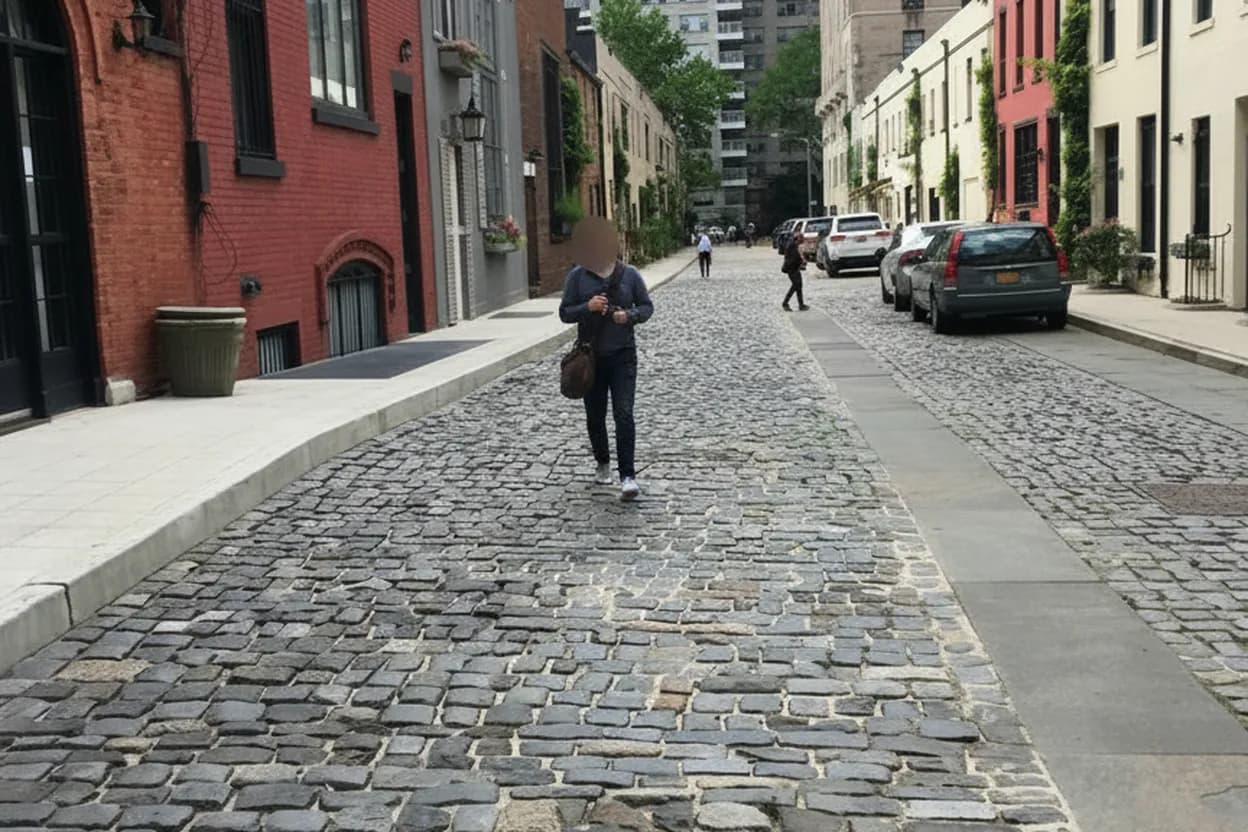
Washington Square Park Pause
Washington Square Park is the best open-air pause between club stops, even when the day’s purpose is music history. It gives the route breathing room, benches, shade chances, restrooms to verify on arrival, and the public performance atmosphere that still helps explain why Greenwich Village mattered to young musicians. Keep expectations grounded: the park is a civic space, not a controlled exhibit, so conditions can change with maintenance, crowds, events, or weather.
For accessibility, Washington Square Park is generally easier than basement music rooms, but individual paths, bathrooms, curb cuts, and crowding still need same-day judgment. If you use a wheelchair, cane, stroller, or low-stimulation plan, approach from the broadest visible paths and avoid lingering where buskers draw dense circles. If the park is too crowded, shift the pause to a quieter side street or a confirmed cafe with suitable seating.
West 4 Street Subway or M8 Crosstown Bus
Transit choice should depend on mobility and where you are starting in New York City. West 4 Street-Washington Square is the obvious subway label for many riders heading into the Village, while the M8 crosstown bus can be useful if you are moving east-west across lower Manhattan. Because subway accessibility and service status change, use the MTA app or official MTA tools before leaving, especially if elevators, reduced stairs, or transfer simplicity matter.
A good local plan avoids one perfect route. If West 4 Street service is disrupted, Broadway-Lafayette/Bleecker Street, 8 Street-NYU, Christopher Street-Sheridan Square, or a bus approach may be better depending on your line. If Summer Streets or another city street program affects your broader Manhattan travel on a Saturday, check NYC DOT before assuming normal crossings. On Wednesday, July 29, 2026, still verify real-time transit rather than relying on memory.
Final Phone Check at Bleecker and MacDougal
Before ending the walk, stand near Bleecker and MacDougal and do one last verification pass on your phone. Check The Bitter End’s official event listing, Cafe Wha?’s calendar if you are considering a show, MTA service status for the ride home, and weather radar if you plan to linger outdoors. This is the point where the article turns from nostalgia into utility: the route only works if current conditions still match your needs.
The best fit is a local, a visitor staying downtown, or a Carly Simon listener who wants a low-effort cultural walk without building a whole night around uncertain access. The backup is simple: if venues are closed, crowded, or unclear, keep the route exterior-only and make Washington Square Park plus Caffe Reggio the usable core. Final action: verify venue pages and MTA status again within an hour of departure.
Tags: #CarlySimon #GreenwichVillage #NYC #TheBitterEnd #BleeckerStreet #MacDougalStreet #CafeWha #CaffeReggio #WashingtonSquarePark #NYCMusicHistory #HiddenGems #AskKarpo #BeforeYouGo #KarpoNYC
Sources consulted: Source 1: bitterend.com · Source 2: carlysimon.com · Source 3: cafewha.com · Source 4: caffereggio.com · Source 5: nyc.gov · Source 6: intercom.help
All trademarks are the property of their respective owners.
Ask Karpo first
Tell Karpo your date, group size, budget, and starting point. We’ll check current access, timing, transit, and the cleanest New York City plan for The Bitter End before you head out.


